



Vietnam's U19 team was eliminated in the group stage of the 2026 ASEAN U19 Championship: Japanese coach has yet to find success with Vietnamese football


Japan has long been regarded as a blueprint for football growth that Vietnam looks up to. Yet, the setback of Vietnam's U19 squad serves as the newest proof that coaches from Japan have not achieved notable success in terms of performance.
Vietnam's U19 team, led by coach Yutaka Ikeuchi, was eliminated in the group stage of the ASEAN U19 Championship. In the past, his fellow countrymen like Toshiya Miura, Norimatsu Takashi, Akira Ijiri, etc., also failed to produce significant achievements. This reveals a paradox: Vietnam greatly needs the values from Japanese football, but Japanese coaches have yet to find the "key" to success in the Vietnamese football environment.
Questions about the suitability of Japanese coaches for Vietnamese football
The failure of Vietnam's U19 team at the recent ASEAN U19 Championship has reignited debates about the connection between Japanese coaches and Vietnamese football.
Coach Yutaka Ikeuchi was selected by the VFF with high expectations. He previously gained experience in Japan's youth development system, a country renowned for cultivating players through technical foundations, tactical thinking, and discipline. Bringing a Japanese expert into the construction of youth teams was seen as a long-term move aimed at achieving bigger goals on the Asian stage.
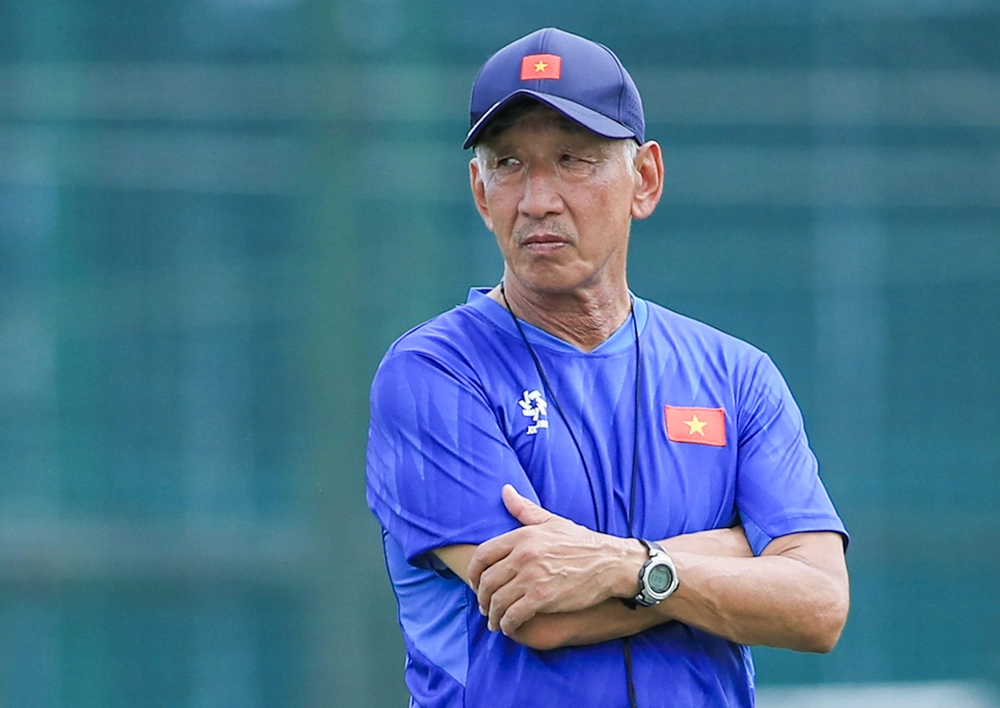
Coach Yutaka Ikeuchi was chosen by the VFF with great hope... Photo: VFF
Unlike a national team head coach, Ikeuchi's task is not solely about winning or losing in a short-term tournament. He is expected to lay the groundwork for Vietnam's U17, U19, and U20 teams, helping young players develop a modern playing style. However, the results at the ASEAN U19 Championship show that the transition from philosophy to on-field effectiveness still has many issues.
Vietnam's U19 team failed to show the necessary consistency in decisive matches. The team struggled to control the game, put pressure on opponents, and maintain initiative at crucial moments. The early elimination has led fans to question the effectiveness of the preparation process.
Of course, a coach's entire capability cannot be judged based on just one youth tournament. Youth development is a long-term story where immediate results do not always reflect the true quality of work. But this failure highlights a reality: applying Japanese football philosophy in Vietnam requires more time and adjustment.
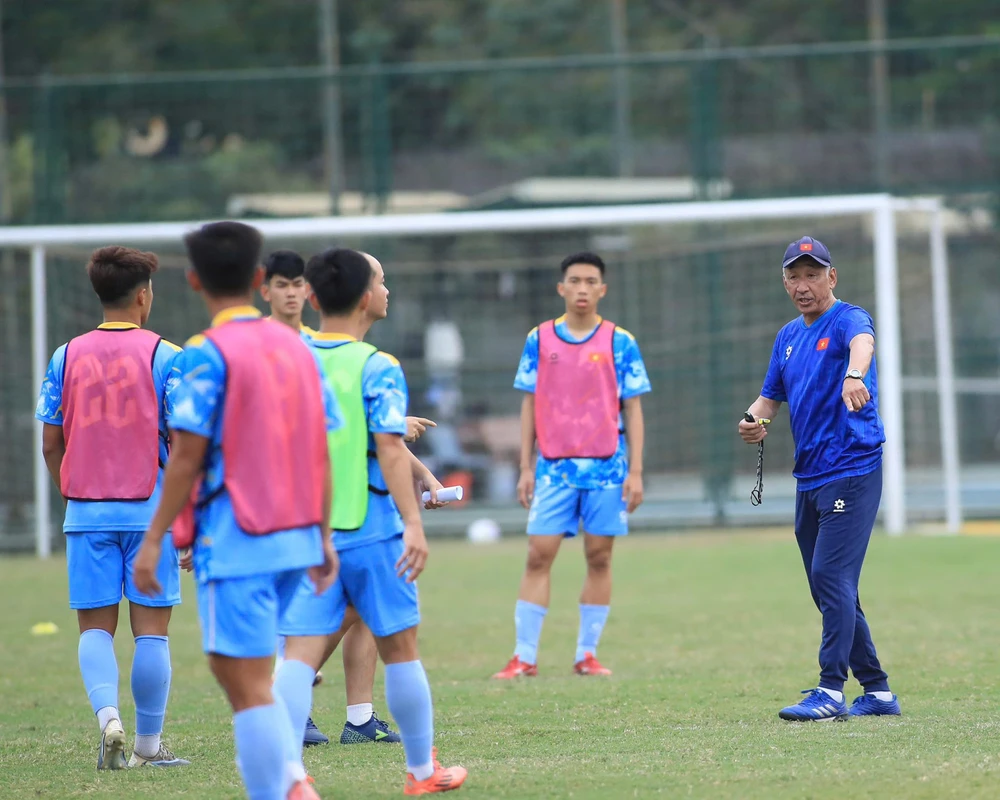
... but he has not succeeded in terms of results. Photo: VFF
Before Ikeuchi, Vietnamese football had placed its trust in many other Japanese coaches, but the outcomes were not as expected.
Toshiya Miura: A pioneer who could not create a breakthrough
Toshiya Miura is the most prominent name among Japanese coaches who have worked in Vietnam. In 2014, he became the first Japanese coach to lead both the Vietnam national team and the U23 team.
Miura's arrival brought many changes. He introduced a characteristic Japanese working style: scientific, disciplined, and emphasizing physical fitness. Under Miura, Vietnam's teams saw clear improvements in tackling, defensive organization, and fighting spirit. Many young players were given opportunities, some of whom later became key figures. At the 2014 Asian Games, his Olympic Vietnam team shocked Iran's Olympic team with a 4-1 victory.
However, Miura's biggest issue was the suitability of his philosophy. He built the team around physical strength, pressing, and long balls. This approach had helped Japanese football rise during its transformation period, but it was not entirely suitable for the characteristics of Vietnamese players at that time.
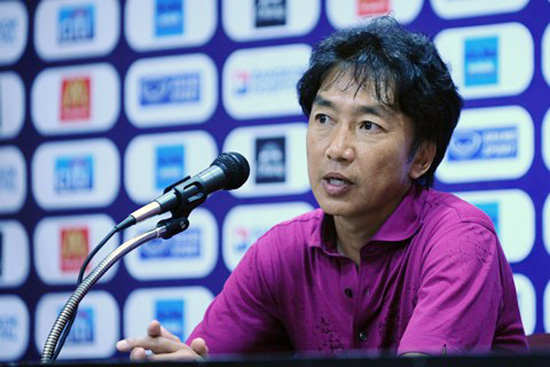
Coach Toshiya Miura had to leave in 2016. Photo: VFF
Vietnamese players are known for their strengths in individual technique, ball handling in tight spaces, and flexibility. When forced to operate a system overly reliant on power and discipline, many players struggled to leverage their advantages. The results of the teams under Miura also failed to meet expectations. Eventually, the VFF decided to part ways with him in 2016.
Miura was not a professionally failed coach. However, his story teaches an important lesson: a good coach does not guarantee success if his philosophy does not integrate with the new environment.
Norimatsu Takashi and the puzzle in women's football
In women's football, Norimatsu Takashi was also expected to bring positive changes. He arrived when Vietnamese women's football was fiercely competing with Thailand and Myanmar, aiming to reach continental levels. With a background from Japan, a world power in women's football, Norimatsu was hoped to bring more modern training methods.
However, his impact in Vietnam was not significant. Later, Vietnamese women's football thrived under other coaches, especially Mai Duc Chung, who deeply understood Vietnamese players, football culture, and had excellent team connections. Norimatsu's case once again shows that a coach's success depends not only on lesson plans or tactics but also on the ability to adapt to people and the environment.
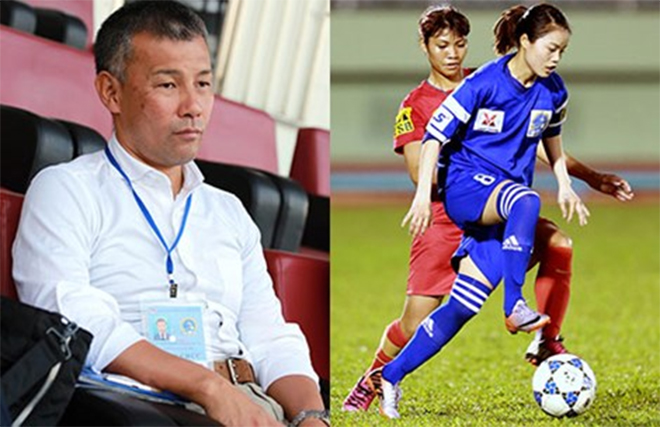
Coach Norimatsu Takashi left no special mark. Photo: VFF
Some other Japanese coaches have made foundational contributions but have yet to convert them into titles. For example, Akira Ijiri, who was in charge of youth women's teams from U16 to U20, finished runner-up in the 2003 ASEAN U19 Women's Championship and secured a spot in the 2024 AFC U20 Women's Asian Cup finals. Meanwhile, Yusuke Adachi did not directly lead a team but played a role in professional orientation, training standards, and developing Vietnamese youth football along Japanese lines.
Why have Japanese coaches not succeeded in Vietnam?
Differences in football philosophy
Japan builds football based on systems. From youth training to the national team, everything operates according to clear procedures. Japanese players are trained to understand their positions, follow tactics, and maintain consistency throughout matches.
In contrast, Vietnamese football has different characteristics. Vietnamese players often perform better when encouraged to be creative, handle the ball quickly, and leverage individual skills. This difference makes it difficult for some Japanese coaches to balance organization and flexibility.
A team cannot rely solely on discipline, nor can it depend only on inspiration. The challenge is finding the intersection between these two elements.
Conflict between long-term development and pressure for results
A key feature of Japanese football is its acceptance of long-term investment. A generation of players may take years to mature. Changes in youth training cannot produce immediate results.
But Vietnamese football often faces great pressure for results. A youth coach may be tasked with building foundations, but if the team fails in a regional tournament, questions immediately arise. Ikeuchi is a clear example. His work requires time, yet match results remain an unavoidable measure.
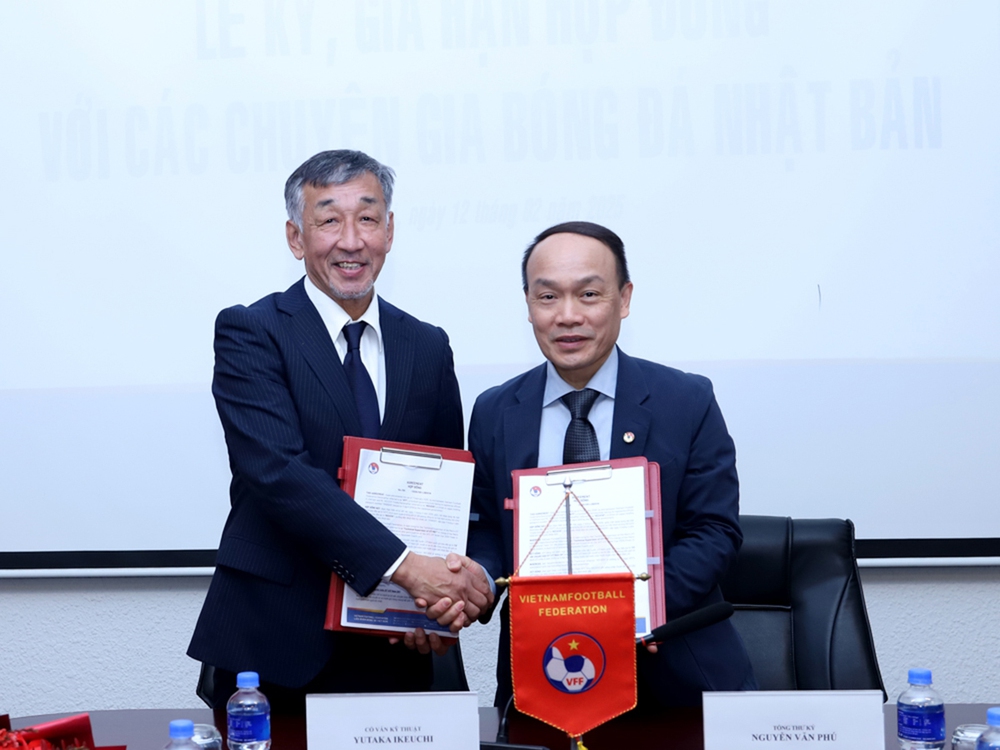
Will the VFF continue to trust Coach Yutaka Ikeuchi? Photo: VFF
Differences in football culture
Japanese coaches often emphasize precision, discipline, process, and repetition in training. Meanwhile, Vietnamese football is heavily influenced by psychological and emotional factors. Successful coaches in Vietnam are often those who not only excel professionally but also build strong connections with players.
Park Hang Seo is a prime example. He not only developed tactics but also created belief, fighting spirit, and unity within the team. This is something Japanese coaches have not truly achieved in Vietnam.
Need for a "Japanese version" suited to Vietnam
The fact that Japanese coaches have not succeeded does not mean the Japanese model is unsuitable for Vietnamese football. On the contrary, many Japanese values are still essential: scientific youth training, technical foundations, professional environments, and tactical thinking. But the biggest lesson is that a model cannot be copied exactly.
Vietnamese football should absorb Japan's essence but adjust it according to player characteristics, culture, and actual conditions. Perhaps Japanese coaches have not found success in Vietnam not because they lack ability, but because there is still a gap between the two football cultures that needs to be bridged.
To create a successful combination, Vietnamese football may need a "Japanese version" with more Vietnamese identity.


Wonderfulshortvideo

raphinha assist today lamine yamal goal today brace today vs levante


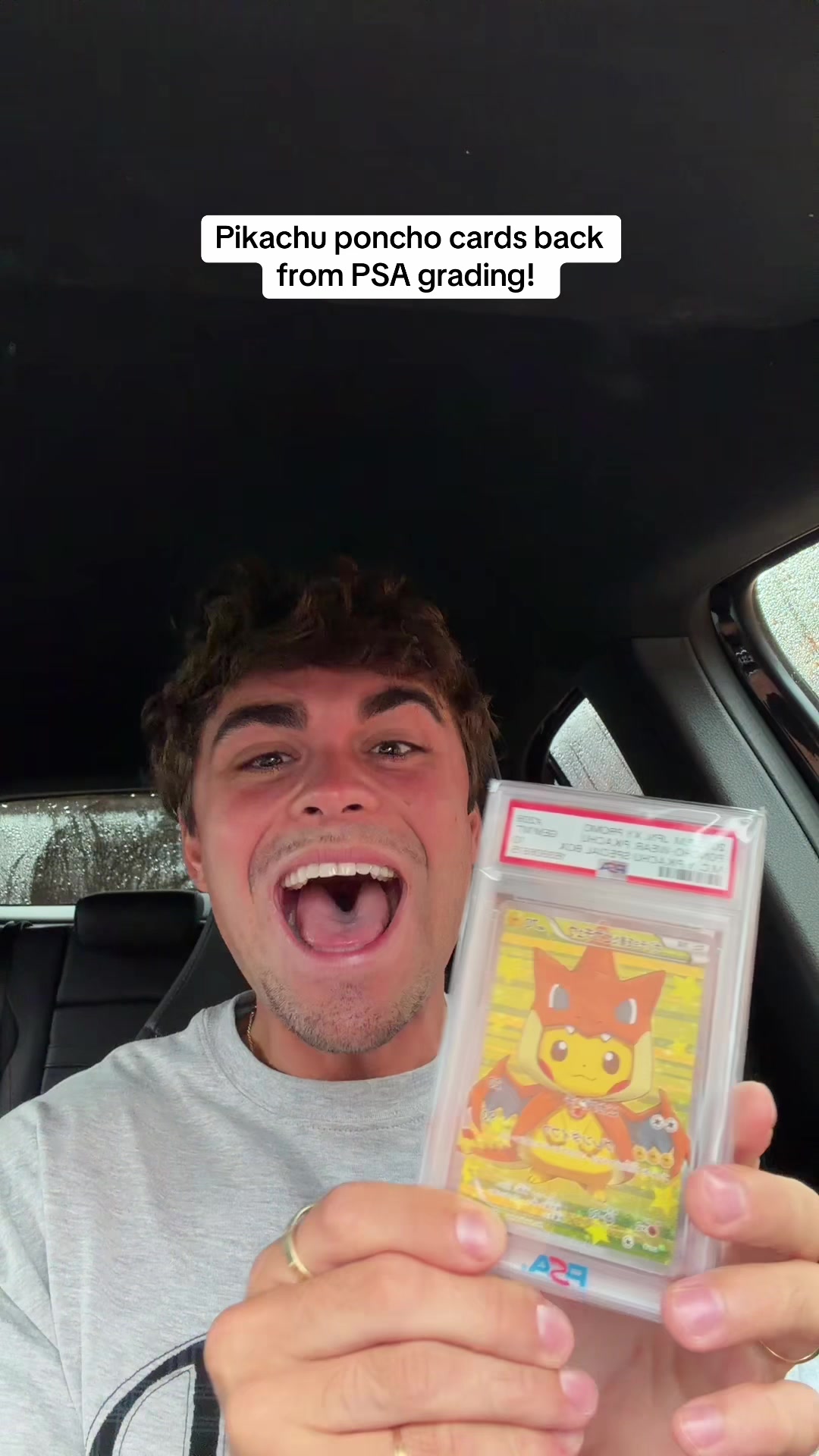
Follow for more pokemon content! So what do I do with them now?…

arda guler assist today guler vs rayo vallecano mbappe goal today jude bellingham goal today
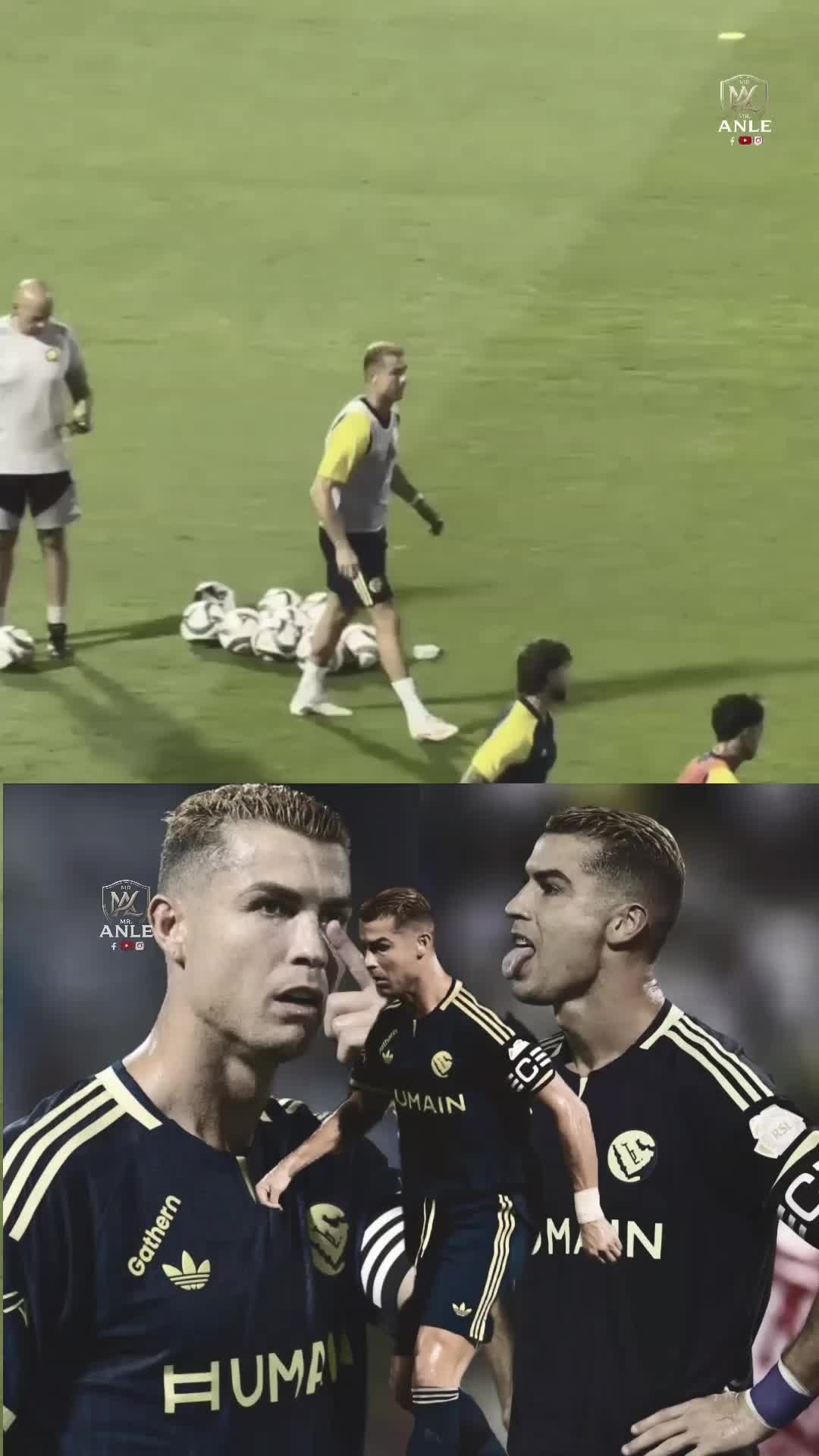
Cristiano Ronaldo and Al Nassr vs Al Khaleej
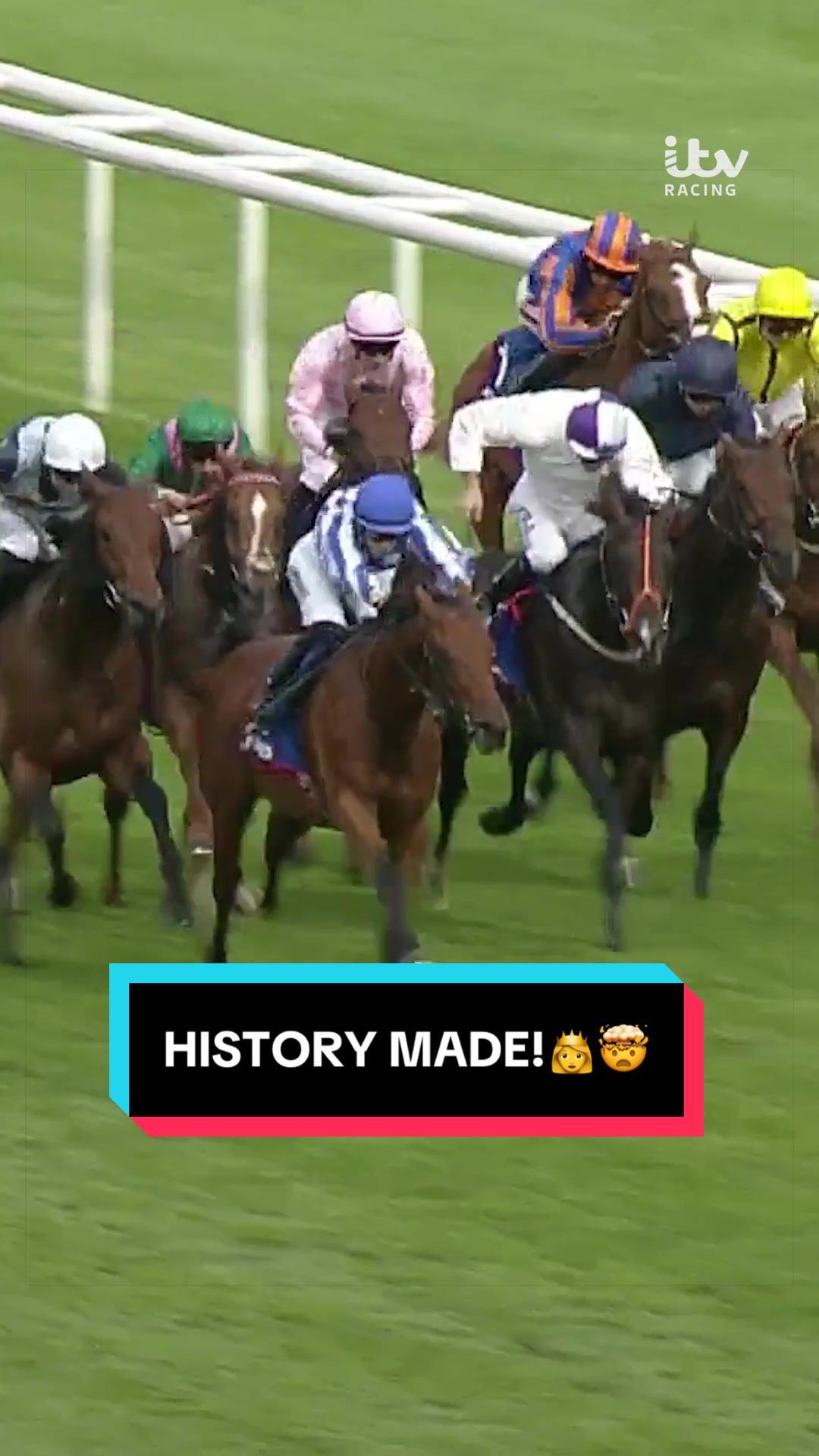
HIGHWAYMAN WINS THE BETFRED ST LEGER! 🏆
DESERT CASTLE DOMINATES! 🏆🍾

mbappe ballon d'or interview lequipe mbappe edit mbappe interview
 Links
Links
 Contact
 App
App


