



Coach Hoang Van Phuc: 'Portugal and France are the top contenders for the 2026 World Cup title'



On the eve of the 2026 World Cup, Hoang Van Phuc asserts that Portugal and France are the prime candidates for the championship. The head coach of Vietnam's women's football team views these two as teams that strike a perfect balance between experience and youthful energy, giving them the capability to reach the ultimate game.
"Although the World Cup has expanded to 48 teams this time, I still believe the traditional powerhouses are the ones to beat for the championship."
I have a high regard for Portugal and France in this tournament. They are teams that have consistently performed well over the years and boast a wealth of talented players.
Asian football has made great strides, now close to the global standard. Of the Asian teams in the 2026 World Cup, I think highly of Japan—they are remarkably consistent. In the last World Cup, they defeated Germany. South Korea comes next.
, though West Asian football has also progressed, I think their competitiveness doesn't match that of Japan and South Korea. In this World Cup, the squads of these two teams are well-balanced, with players plying their trade in Europe and even the US," Coach Hoang Van Phuc began his conversation with Sports & Culture.
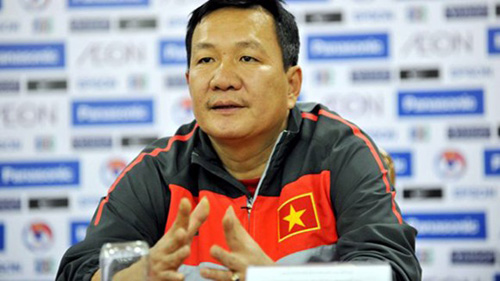
Hoang Van Phuc, the coach
The 2026 World Cup begins on June 11, featuring the biggest scale ever. For the first time, 48 teams will play 104 matches hosted by the United States, Canada, and Mexico. Yet, the test they face is not just from rivals on the field but also from their physical conditioning.
Regarding this, Coach Hoang Van Phuc commented: "With more teams and an extra round of 32, the match schedule will inevitably become more packed, but this reflects FIFA's broader development strategy. Football's commercial side is also being increasingly emphasized.
Naturally, the expanded tournament and tighter schedule will take a toll on players' physical condition, especially after a long European season. However, every team has a contingency plan. The diets and recovery programs for the World Cup squads will be more meticulously arranged."
With names like Ancelotti, Tuchel, and Nagelsmann, the 2026 World Cup features numerous elite managers, highlighting the increasing appeal of national team football. Phuc remarked: "Tactics in the World Cup can be broadly understood as each team's approach—it's all relative.

Coach Hoang Van Phuc has placed great trust in Ronaldo's Portugal squad. Photo: Xinhua
Lesser teams might opt for a 5-4-1 setup, focusing on defense, then shift to 3-4-3 in attack—a common pattern. Meanwhile, traditional European sides frequently use a 4-3-3. Asian underdogs tend to prefer 5-4-1 or 3-4-3. For me, the crucial aspect is the transition between possession and non-possession phases.
Naturally, Vietnamese football stands to gain valuable lessons from the World Cup. Both coaches and players tune in to the tournament. Since the World Cup brings together the best in the world, Vietnam's football community will undoubtedly pick up many insights.
To begin with, there's the technical ability of players, their movement, and tactical frameworks. In football, transitional play is crucial. A team that recovers the ball while defending needs to transition swiftly, and conversely, when they lose the ball in attack, they must shift to defense effectively. That's how teams, managers, and players globally can gain immense knowledge from the World Cup."
In Coach Hoang Van Phuc's view, Portugal and France are displaying the characteristics of leading championship contenders. Nevertheless, the road to the 2026 World Cup trophy remains long; only the side that sustains peak performance in the crucial moments can ascend to world glory.


Wonderfulshortvideo
raphinha assist today lamine yamal goal today brace today vs levante


Follow for more pokemon content! So what do I do with them now?…
arda guler assist today guler vs rayo vallecano mbappe goal today jude bellingham goal today
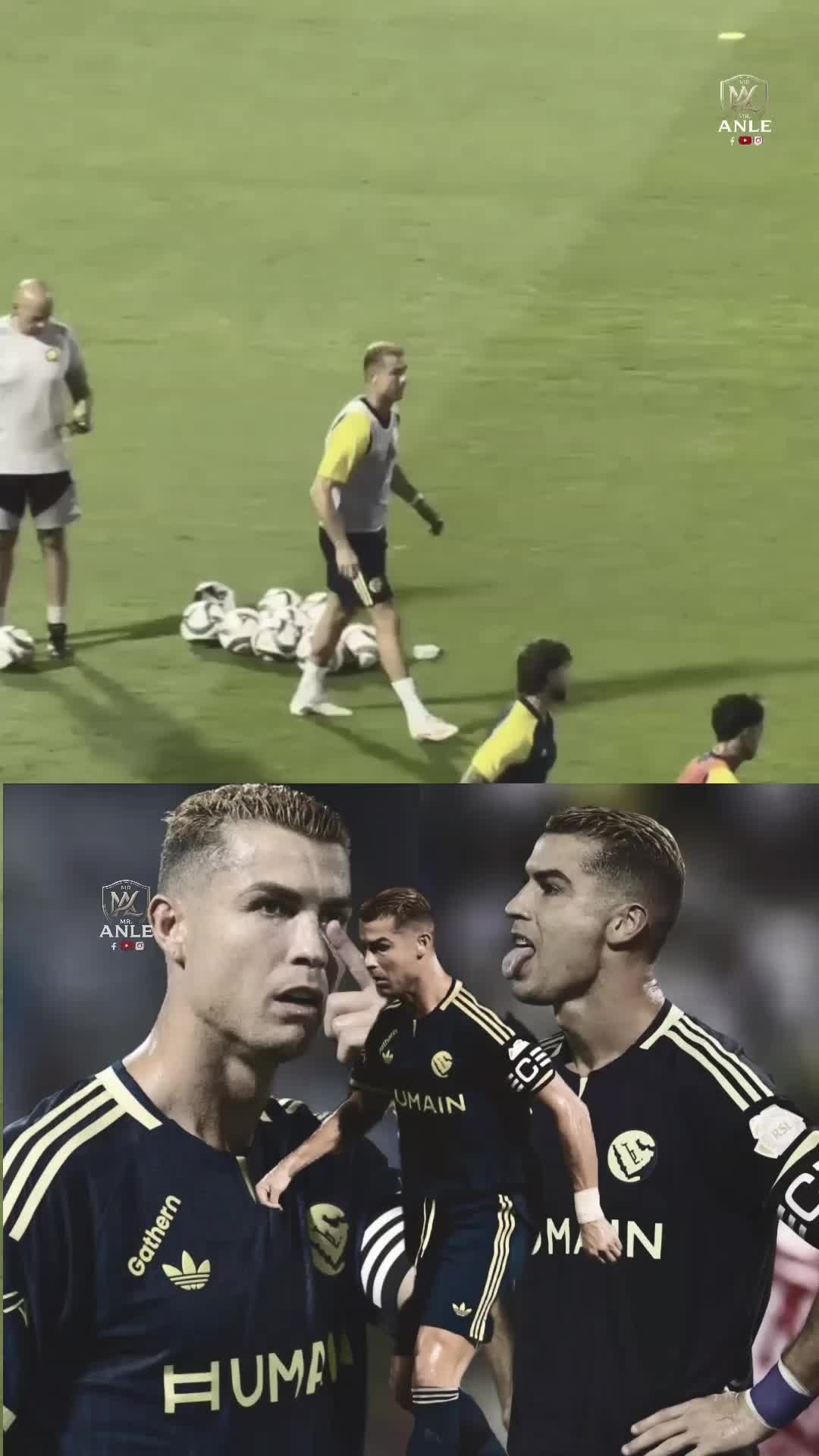
Cristiano Ronaldo and Al Nassr vs Al Khaleej
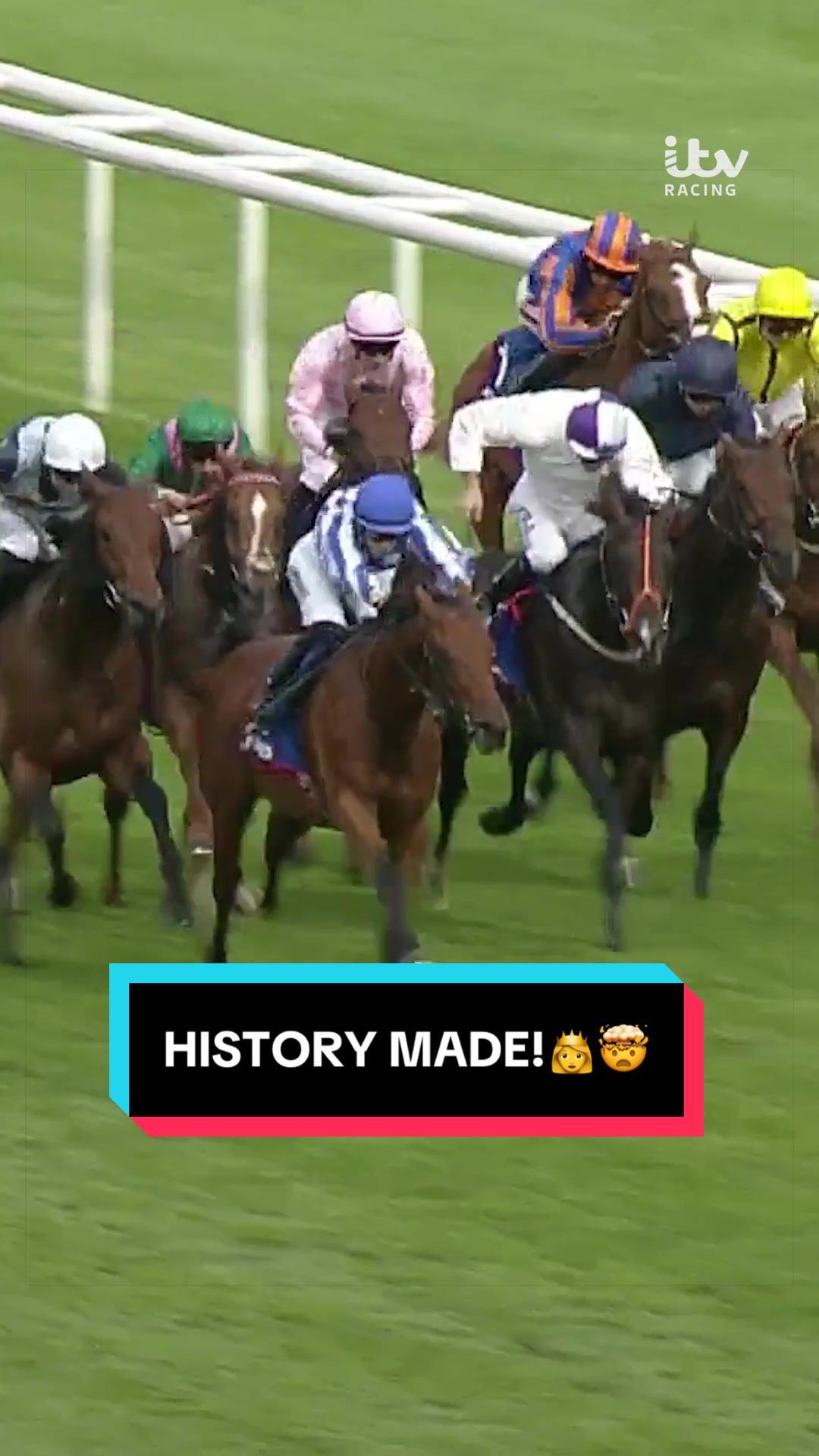
HIGHWAYMAN WINS THE BETFRED ST LEGER! 🏆
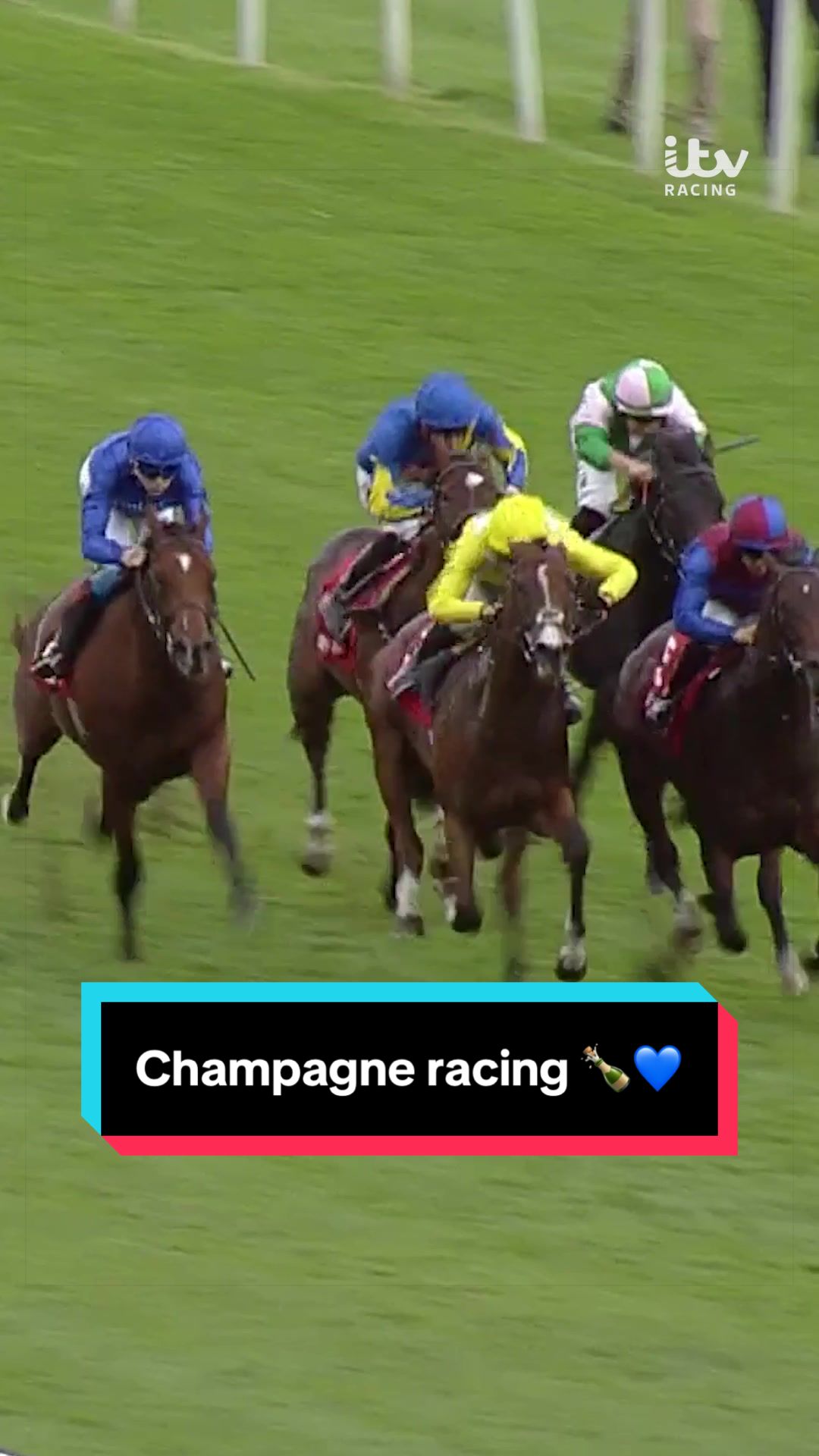
DESERT CASTLE DOMINATES! 🏆🍾

mbappe ballon d'or interview lequipe mbappe edit mbappe interview
 Links
Links
 Contact
 App
App


