



World Cup 2026: Are players competing in skill or enduring the heat?


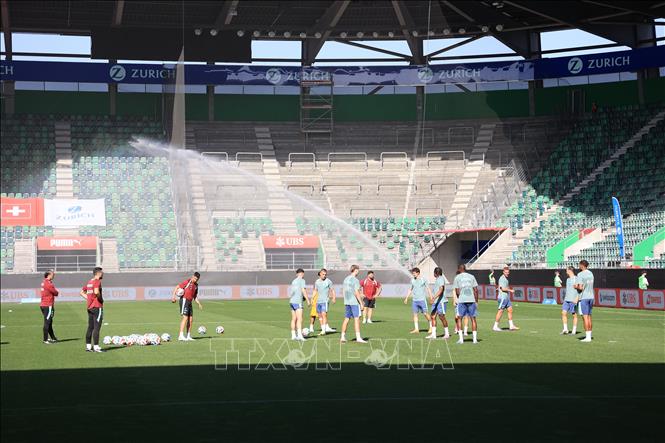
With average temperatures frequently forecast to exceed 32°C, the 2026 tournament is on track to become the "hottest" edition since the U.S. hosted in 1994. According to meteorologist Aaron Mentkowski of WKBW-TV Buffalo, outdoor stadiums in the U.S. will be veritable "bread ovens" as the grass absorbs solar radiation and radiates heat back, making the air stifling due to lack of wind. Former German striker Jurgen Klinsmann once recalled the brutal heat of 1994 in Chicago, describing maintaining match rhythm under such harsh conditions as an extreme challenge to players' physical endurance.
To avoid being defeated by the weather, teams are adopting flexible adaptation training. A notable example: on June 5, the Norwegian national team turned their training ground in North Carolina into a "beach" as all players went shirtless and sunbathed in 32°C heat to acclimate to the tropical climate of the U.S.
Besides the heat, U.S. lightning regulations are also a potential "party pooper." A match will be immediately suspended if lightning is detected within a 12.87-kilometer radius of the stadium. With a 30-minute countdown procedure that resets each time a new strike occurs, a game could drag on for over four hours, as was the case with Chelsea’s match against Benfica in the round of 16 of the 2025 FIFA Club World Cup, held at Bank of America Stadium in Charlotte, North Carolina.
Clearly, to lift the golden trophy in the summer of 2026, teams need a resilient ability to adapt to the weather, rather than relying solely on conventional football tactics.


Wonderfulshortvideo

raphinha assist today lamine yamal goal today brace today vs levante


Follow for more pokemon content! So what do I do with them now?…

arda guler assist today guler vs rayo vallecano mbappe goal today jude bellingham goal today
Cristiano Ronaldo and Al Nassr vs Al Khaleej
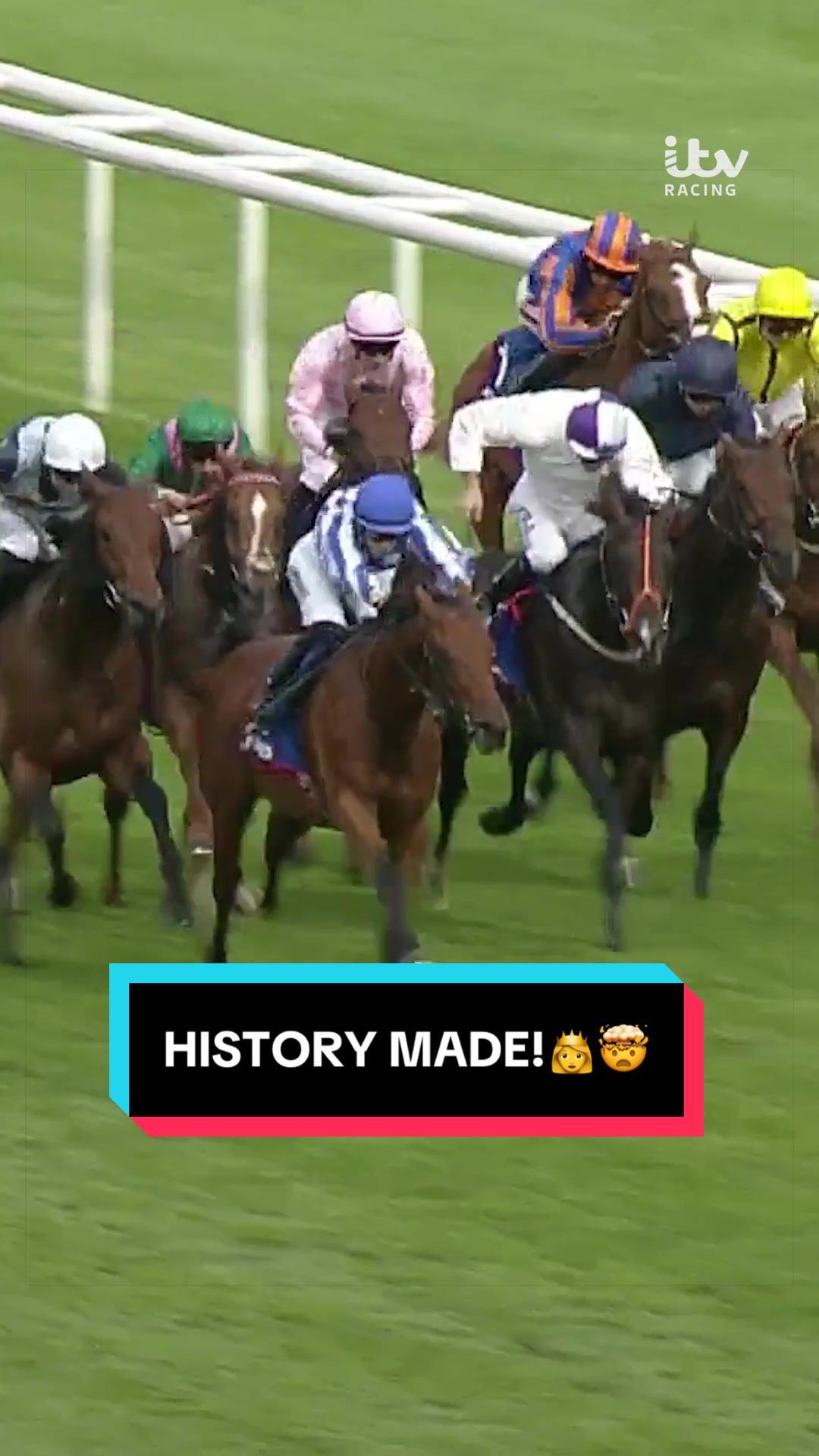
HIGHWAYMAN WINS THE BETFRED ST LEGER! 🏆
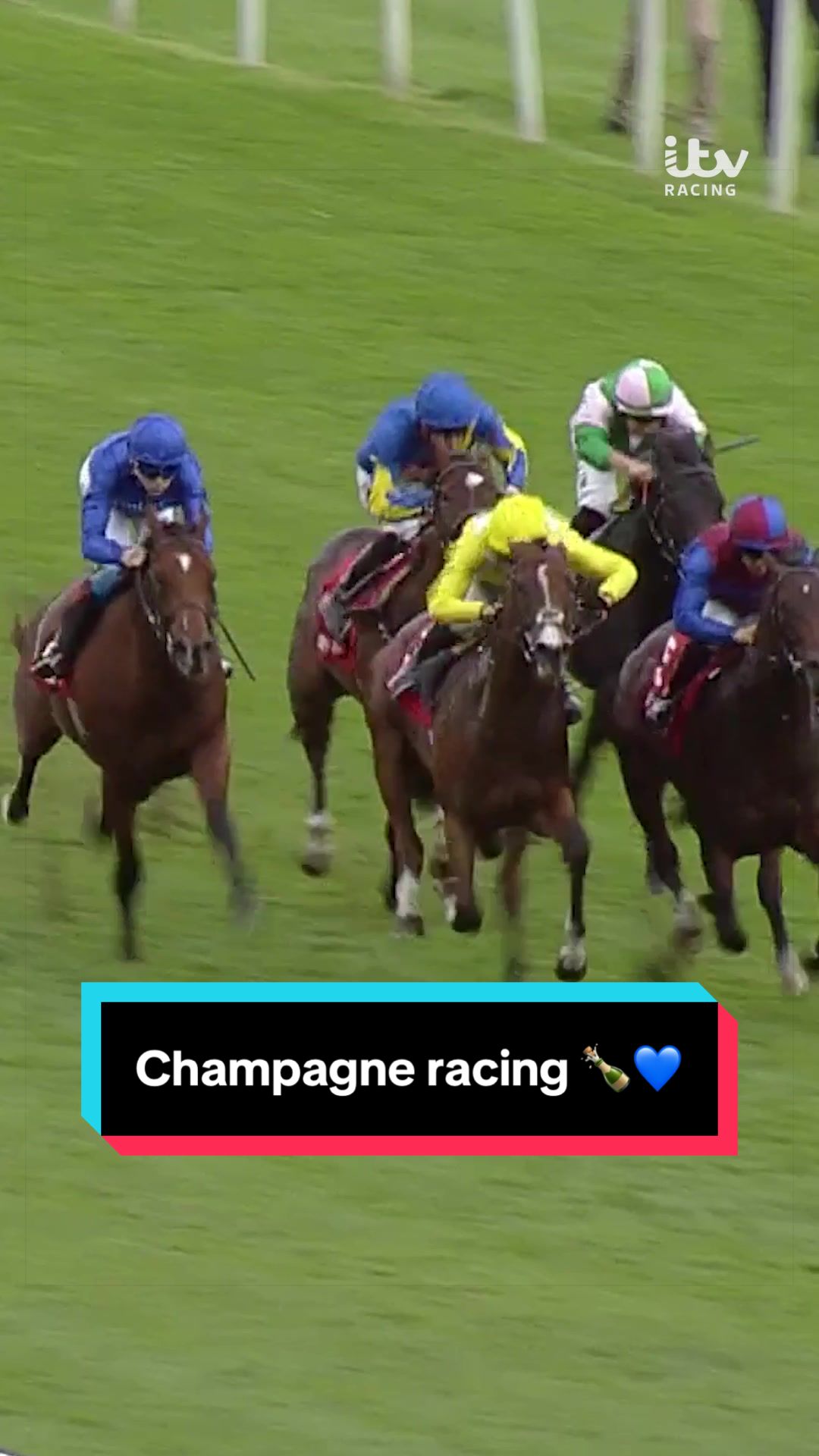
DESERT CASTLE DOMINATES! 🏆🍾

mbappe ballon d'or interview lequipe mbappe edit mbappe interview
 Links
Links
 Contact
 App
App


