



World Cup 2026: Family Ties and National Colors



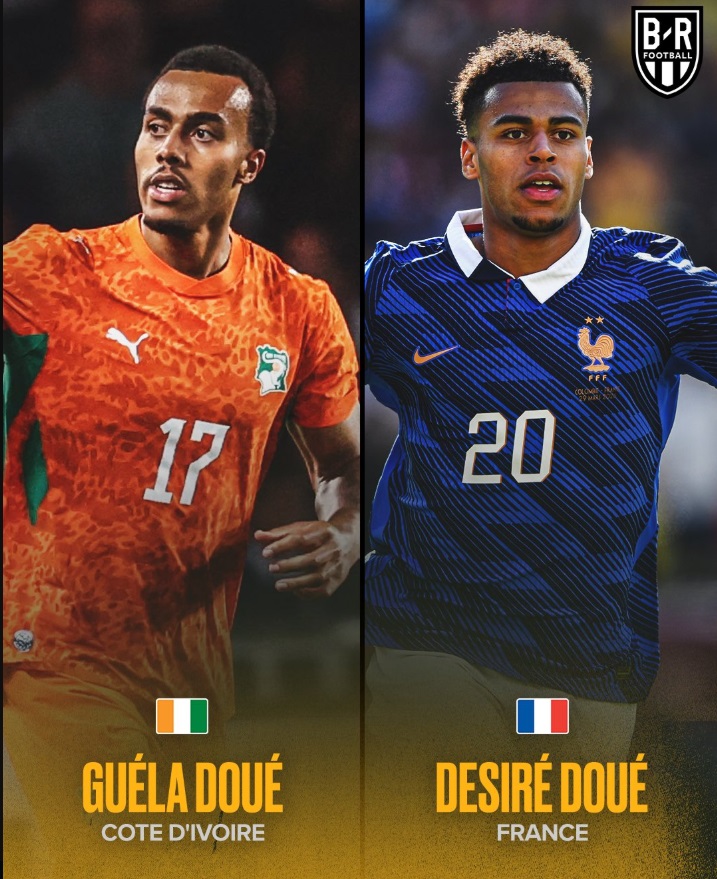
One of the most notable stories involves Guela Doue and Desire Doue. Born into a family of Ivorian origin but raised in France, both grew up together at the Rennes academy (France) before choosing different paths at the national team level. While Guela represents Côte d’Ivoire, Desire has emerged as one of France’s most promising young talents following a breakout season with Paris Saint-Germain.
Equally compelling is the tale of Inaki Williams and Nico Williams. Both are stars at Athletic Bilbao, yet Inaki opted to play for Ghana—his parents’ homeland—while Nico became a key contributor to Spain’s triumph at EURO 2024.
The 2026 World Cup also features the unique case of Derrick Luckassen and Brian Brobbey. Although both were born and raised in the Dutch football environment, Luckassen decided to represent Ghana, whereas Brobbey continues to serve the Netherlands.
Similarly, the Souttar family: older brother John Souttar plays for Scotland, while younger brother Harry Souttar is a defensive pillar for Australia.
Interestingly, all four pairs of brothers representing different nations are not placed in the same group. If fate allows, they could only face each other from the knockout stages onward. Besides these stories of divided loyalties, the 2026 World Cup also sees many brothers fighting together on the same team.
The most prominent example is Lucas Hernandez and Theo Hernandez. Lucas lifted the World Cup trophy in 2018, while Theo is now regarded as one of the best full-backs in the world.
The Netherlands also bring the famous twin pair Jurrien Timber and Quinten Timber to the tournament. The two brothers are expected to carry on the tradition of legendary twins who have made their mark on Dutch football.
Additionally, Cape Verde relies on the duo Laros Duarte and Deroy Duarte, while Curacao boasts the pair Leandro Bacuna and Juninho Bacuna.
If the World Cup has always been a stage for football dreams, then the 2026 edition is also a tournament of special family bonds. Some brothers fight under the same flag, while others must set aside kinship to represent two different colors.
And who knows—on the journey toward the final, fans might witness the rarest moment of the 2026 World Cup: biological brothers facing off in a decisive match that determines the fate of an entire nation.


Wonderfulshortvideo
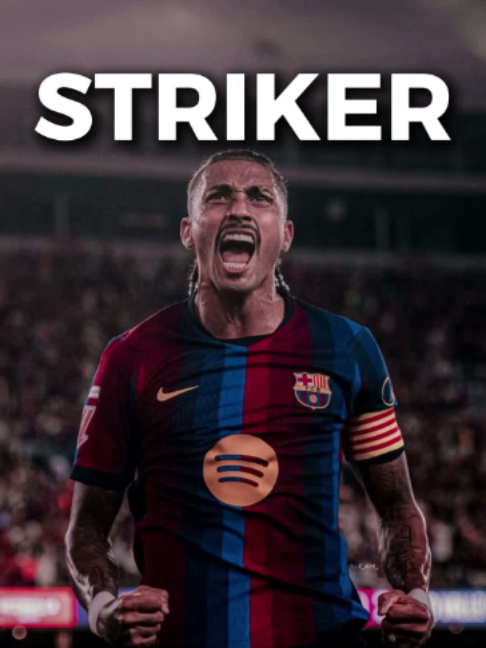
raphinha assist today lamine yamal goal today brace today vs levante


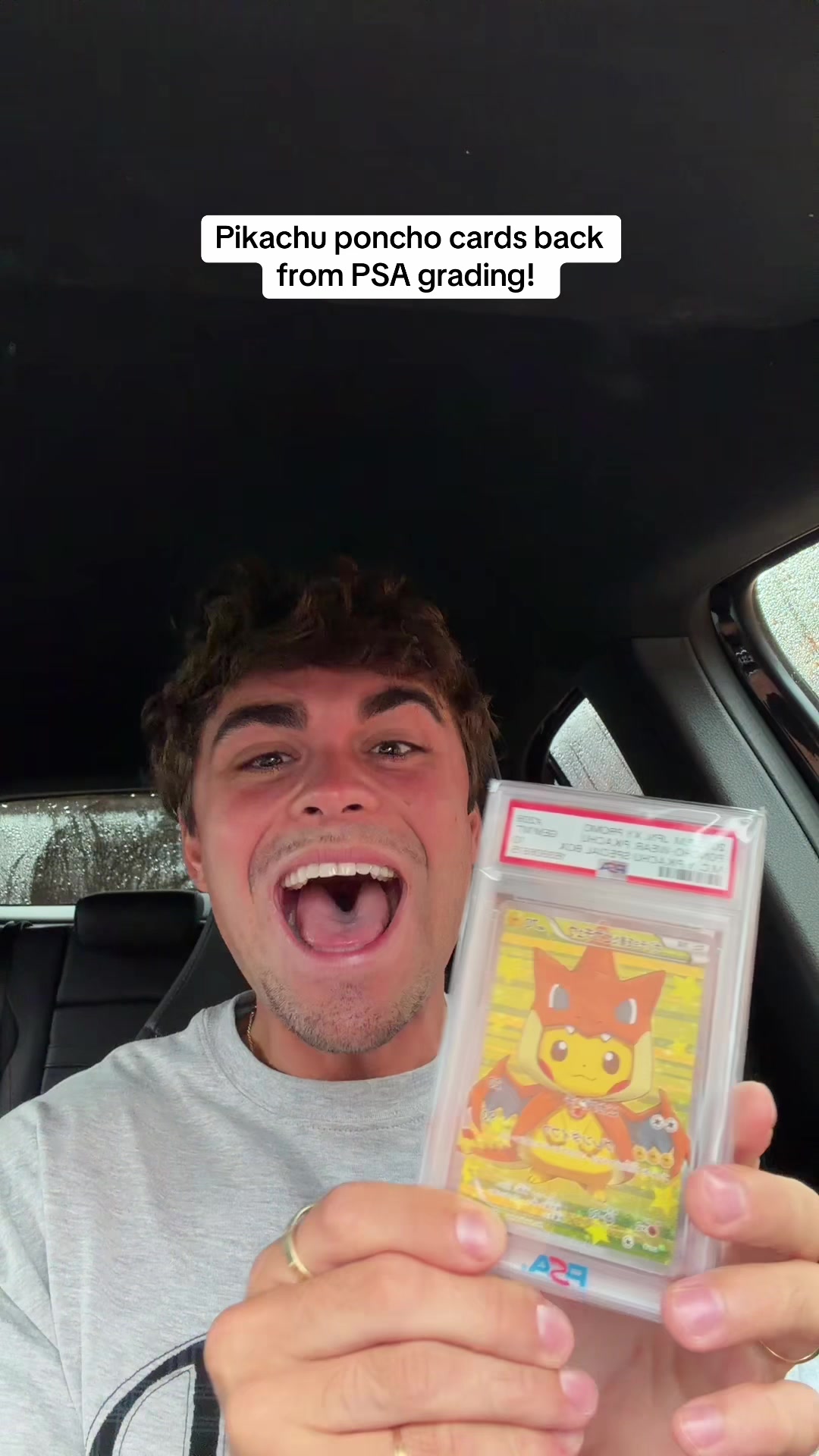
Follow for more pokemon content! So what do I do with them now?…

arda guler assist today guler vs rayo vallecano mbappe goal today jude bellingham goal today
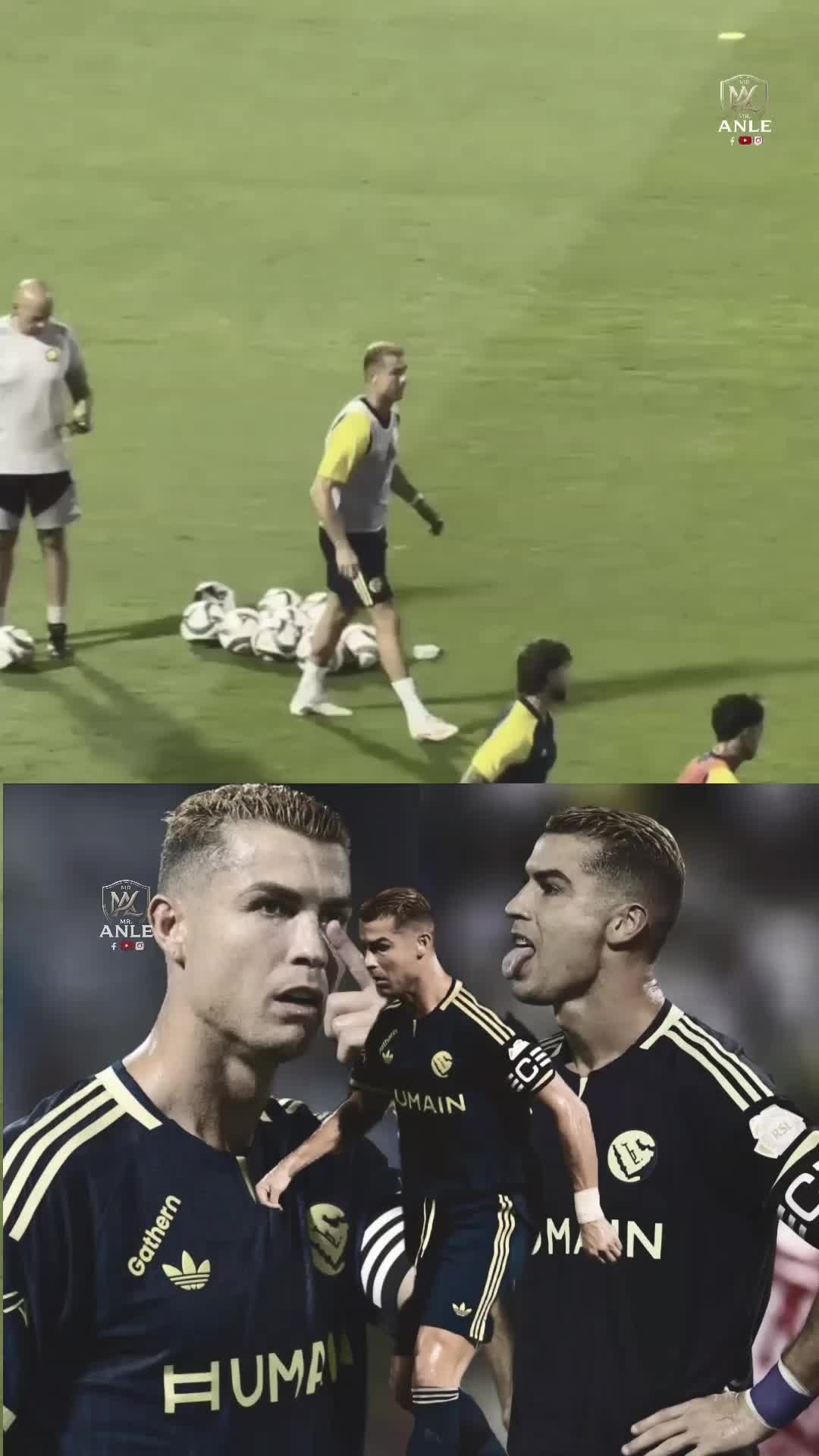
Cristiano Ronaldo and Al Nassr vs Al Khaleej
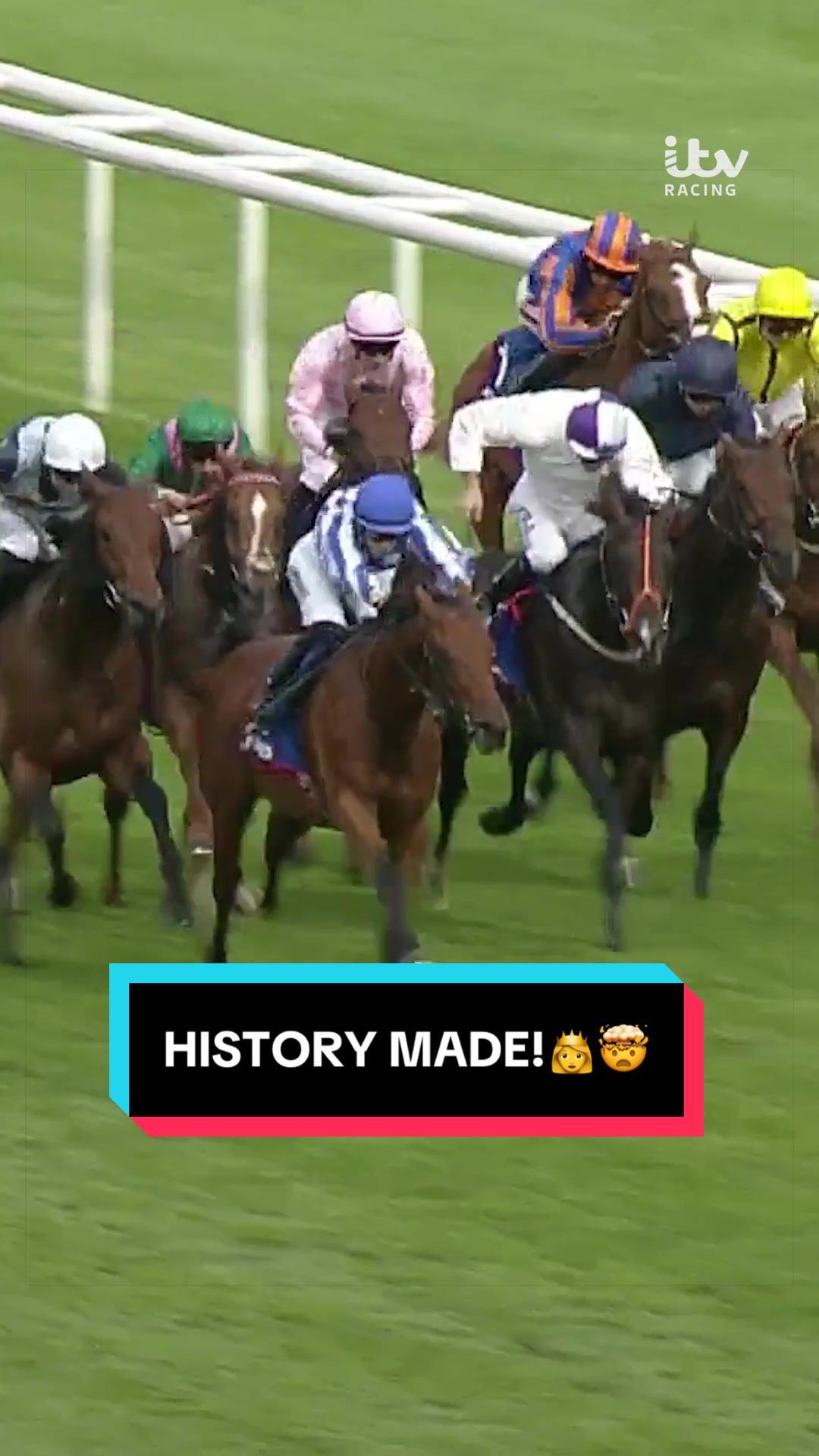
HIGHWAYMAN WINS THE BETFRED ST LEGER! 🏆
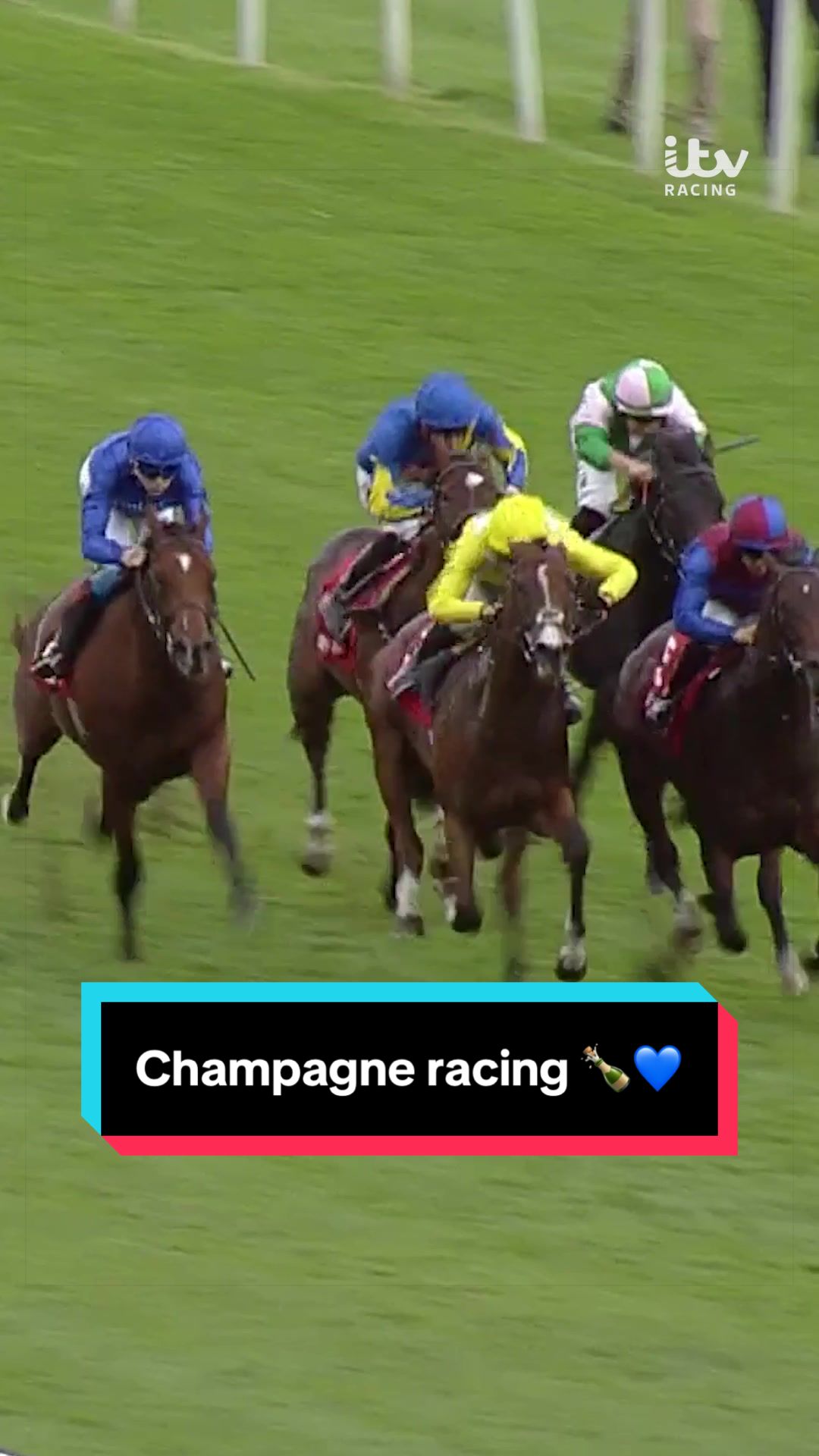
DESERT CASTLE DOMINATES! 🏆🍾

mbappe ballon d'or interview lequipe mbappe edit mbappe interview
 Links
Links
 Contact
 App
App


