



World Cup 2026: Azteca and the Ballads of Maradona



For many football fans, setting foot in Azteca feels like a pilgrimage. After Brazil's Maracanã, Spain's Camp Nou, England's Anfield, and Italy's San Siro, few stadiums carry as much historical weight as this structure situated on the high plateau of Mexico City.
Walking through the tunnel leading to the pitch, spectators are immediately confronted by the vast space of the bowl-shaped stands and the legendary green turf. Despite the cloudy skies over Mexico City and the early summer showers, Azteca retains the majestic aura of a stage that has shaped World Cup history. Now officially named Banorte, for global fans it will forever be Azteca.
It was on this very pitch that Pele's Brazil claimed the 1970 World Cup. Sixteen years later, Diego Maradona turned Azteca into his personal stage on the journey to leading Argentina to world glory at the 1986 World Cup.
Azteca is not merely a stadium. It is a place where epic matches contributed to forging immortal legends of world football. The cheers, the classic goals, and the historic moments still seem to echo through the stands that have stood for over half a century.
At the 2026 World Cup, Azteca will make history by becoming the first stadium to host three different World Cups, following the tournaments of 1970 and 1986. After a major renovation, its capacity has been reduced from over 100,000 to about 87,000 seats to meet modern FIFA standards. The stands, facilities, and fan infrastructure have all been upgraded in preparation for the world's biggest football festival. Despite ongoing debates over renovation costs and ticket prices, the people of Mexico City are eagerly awaiting the day Azteca once again becomes the center of the world.
Mentioning Azteca means mentioning Diego Maradona. On June 22, 1986, before more than 114,000 spectators, this stadium witnessed two contrasting but historic moments during the quarterfinal between Argentina and England.
First came the "Hand of God" – one of the most controversial plays in World Cup history. Just four minutes later, Maradona embarked on a solo run from midfield, bypassing a series of English players before beating goalkeeper Peter Shilton, scoring what FIFA later called the "Goal of the Century." Those two goals – one controversial, one attaining perfect beauty – reflected almost the entirety of Maradona's persona: genius, improvisation, rebellion, and unpredictability.
It was at Azteca that Uruguayan commentator Victor Hugo Morales delivered the most famous commentary in football history in Spanish, witnessing that masterpiece. That moment also elevated Maradona from a football star to a cultural icon of Argentina.
Forty years have passed since the summer of 1986. Pele and Maradona have both become part of history. Football has also transformed dramatically with VAR, technology, and new generations of superstars. But Azteca still stands as a witness to time.
The 2026 World Cup will bring a new chapter to this legendary stadium. Although it will host only five matches, including the opening game, Azteca remains the most symbolic venue of the tournament.
When the ball rolls on this turf once again, fans will not only follow the stars of the present. They will also be reminded of the immortal summers of Pele, of Maradona, and of an Azteca that has become a legend in the history of world football.


Wonderfulshortvideo

raphinha assist today lamine yamal goal today brace today vs levante



Follow for more pokemon content! So what do I do with them now?…

arda guler assist today guler vs rayo vallecano mbappe goal today jude bellingham goal today
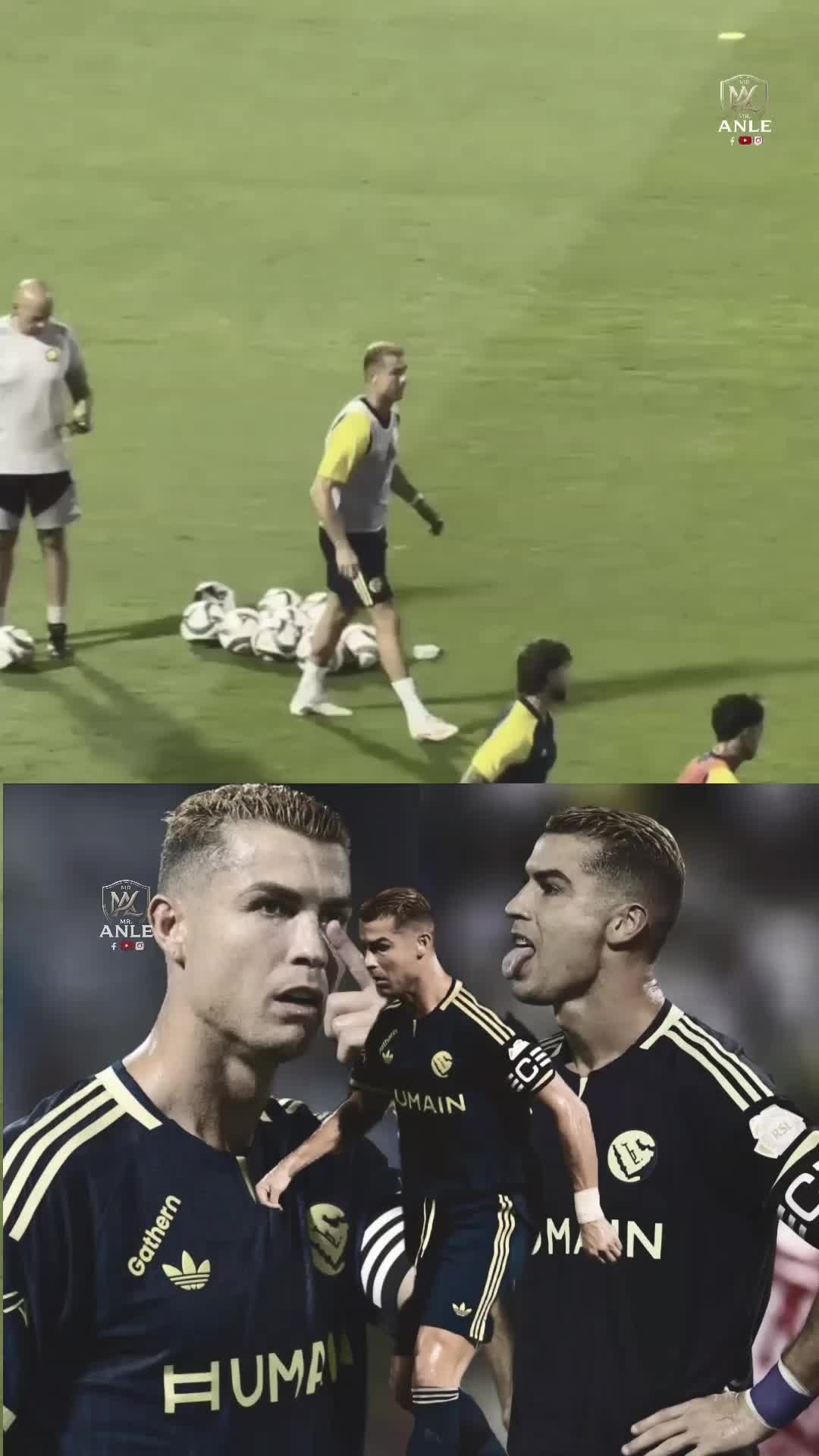
Cristiano Ronaldo and Al Nassr vs Al Khaleej
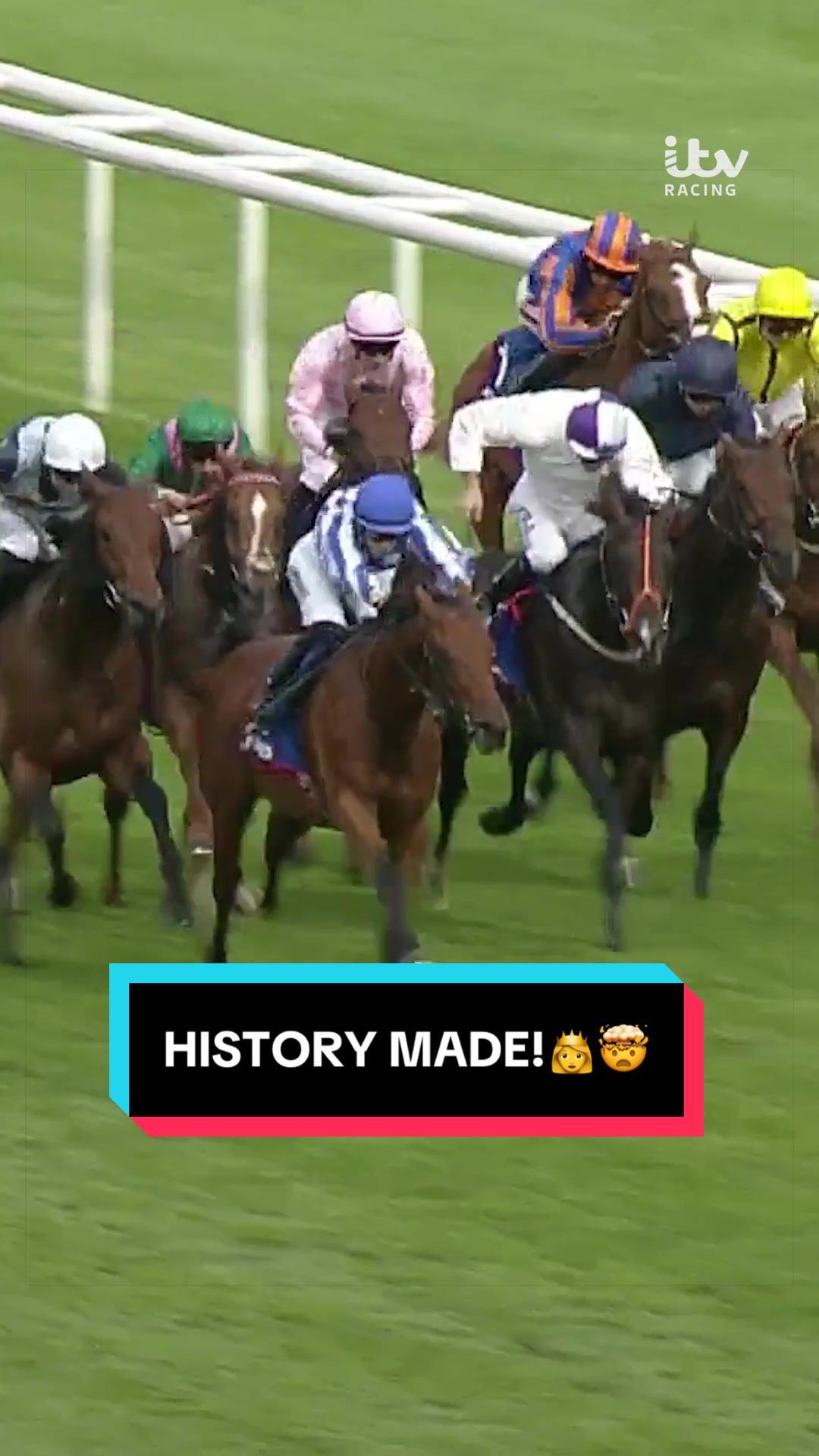
HIGHWAYMAN WINS THE BETFRED ST LEGER! 🏆
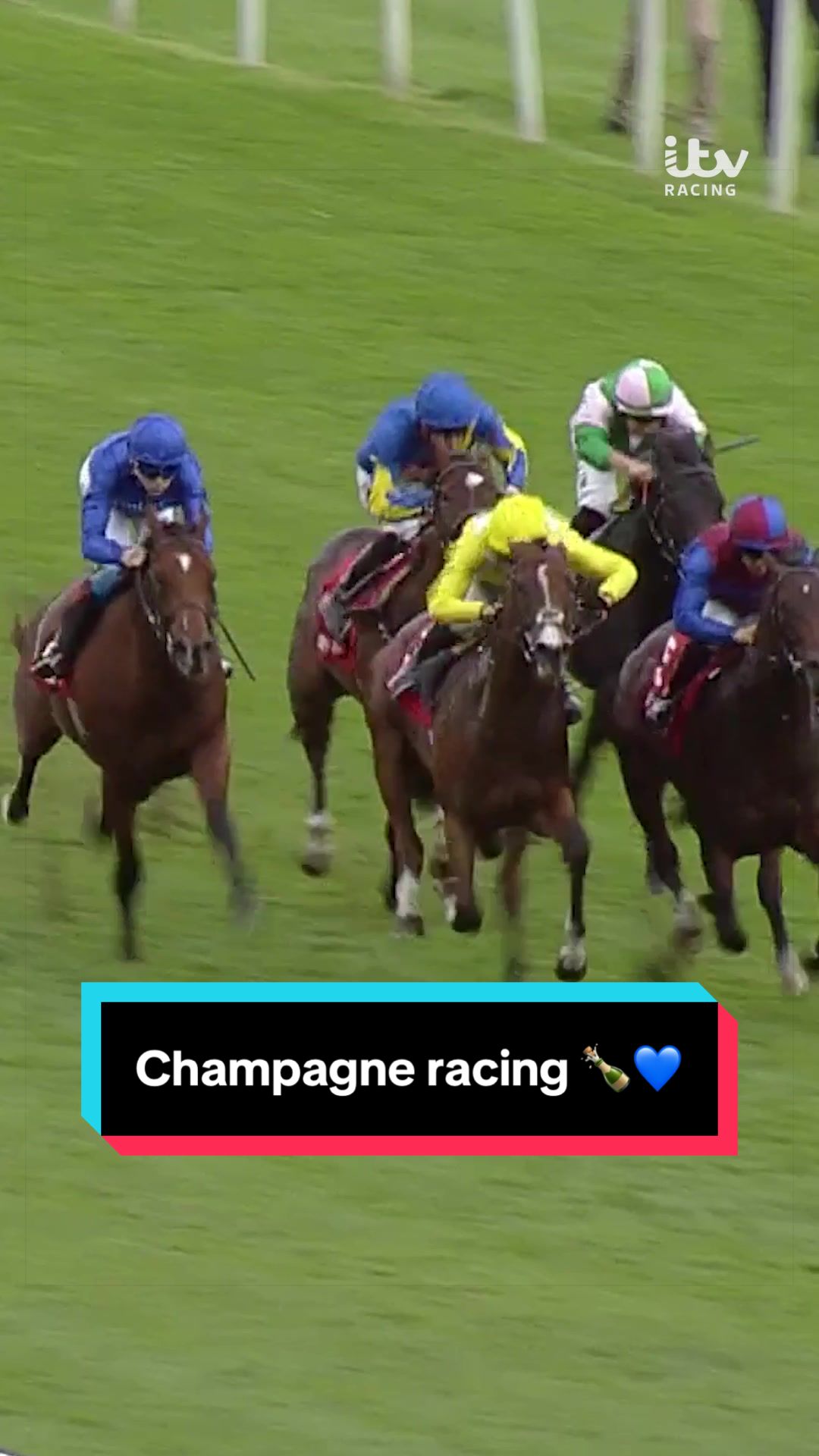
DESERT CASTLE DOMINATES! 🏆🍾

mbappe ballon d'or interview lequipe mbappe edit mbappe interview
 Links
Links
 Contact
 App
App


