



World Cup 2026: Overcoming Hardships to Achieve a Miracle


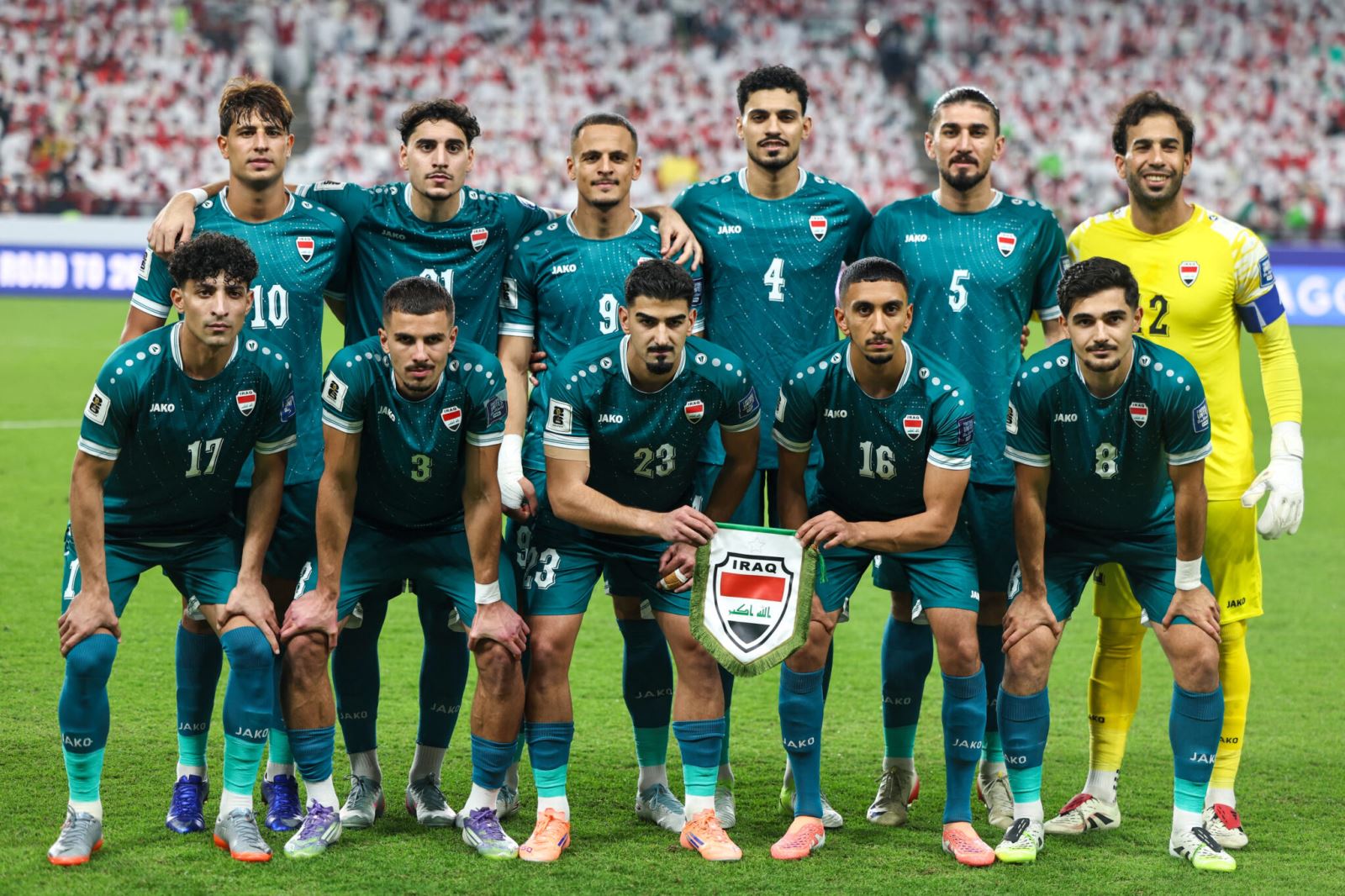
René Meulensteen, assistant to head coach Graham Arnold and former close associate of Alex Ferguson at Manchester United, stated that the preparation for the decisive playoff match against Bolivia in Mexico took place amid instability in the Middle East, which led to the closure of Iraqi airspace.
Meulensteen recalled: “The players had to travel by car or bus from various cities to the capital, Baghdad. Some spent up to 8 hours on the road. From there, they continued a roughly 15-hour journey to Jordan’s capital, Amman, via bumpy land routes to catch still-operating flights.”
FIFA arranged a chartered flight for the entire team, but things were still far from smooth. After a 9-hour wait, the Iraqi team endured an 8-hour flight to Lisbon (Spain), a 2-hour layover, and then another 12-hour flight to Mexico.
That was clearly not the ideal preparation for a match that Meulensteen described as “the most important in the lives” of many players. Nevertheless, Iraq defeated Bolivia 2-1 to claim the final ticket to the World Cup.
The venue for the match also held special significance. The only previous World Cup Iraq had participated in was in 1986, also held in Mexico. Meulensteen said: “We told the players to look back at the journey they had taken to get here. Perhaps fate arranged for this match to take place in Mexico—where Iraq played in its first World Cup.”
The victory sparked emotional outbursts across Iraq. In Baghdad, although the match ended in the early morning, thousands of people took to the streets to celebrate. Meulensteen shared: “From the videos I’ve seen, it was truly insane. The Iraqi people haven’t had much to celebrate for a long time. This success brings hope, pride, and positive energy to the entire nation.”
Iraq’s football history includes memorable milestones such as winning the 2007 Asian Cup and finishing fourth at the 2004 Athens Olympics, where they defeated Cristiano Ronaldo’s Portugal team. However, most of those successes occurred against a backdrop of war and political instability in the country.
The Dutch tactician noted: “Iraq still bears the scars of the Second Gulf War. You can see it in many cities. The country is recovering, but infrastructure and organization remain challenging.” Yet, it was the players’ optimistic spirit that impressed him most. Meulensteen laughed and said: “You should hear them singing on the bus before every training session or match. Music is always playing, and the atmosphere is wonderful.”
At the 2026 World Cup, Iraq has been placed in an extremely tough group featuring France, Senegal, and Norway. However, Meulensteen does not see this as a reason to give up. He recalled the previous World Cup when he and Graham Arnold led Australia past the group stage despite facing France, Denmark, and Tunisia. He confessed: “No one believed we had a chance to advance. But the element of surprise is always the greatest strength of underdog teams.”


Wonderfulshortvideo

raphinha assist today lamine yamal goal today brace today vs levante


Follow for more pokemon content! So what do I do with them now?…

arda guler assist today guler vs rayo vallecano mbappe goal today jude bellingham goal today
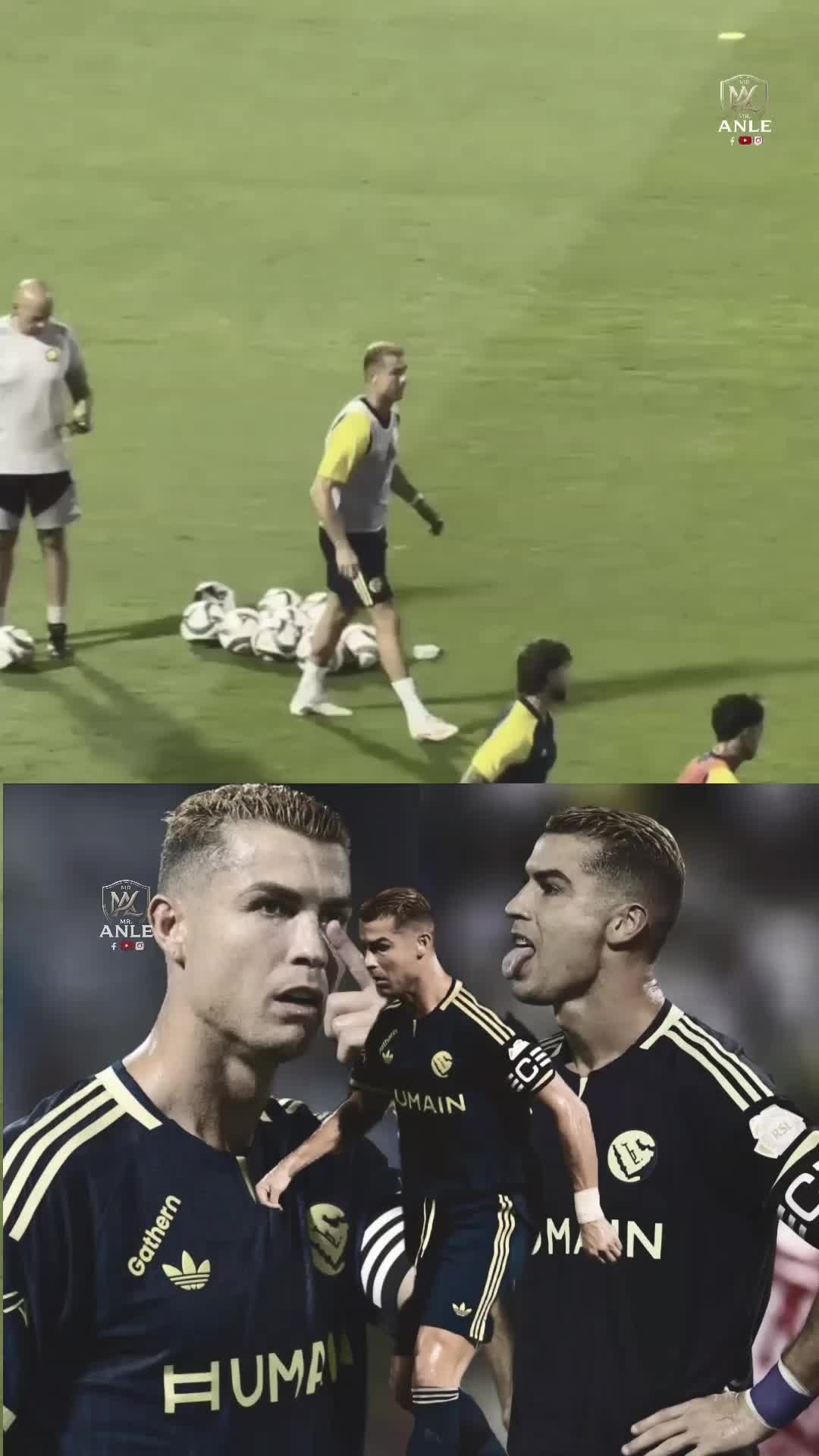
Cristiano Ronaldo and Al Nassr vs Al Khaleej
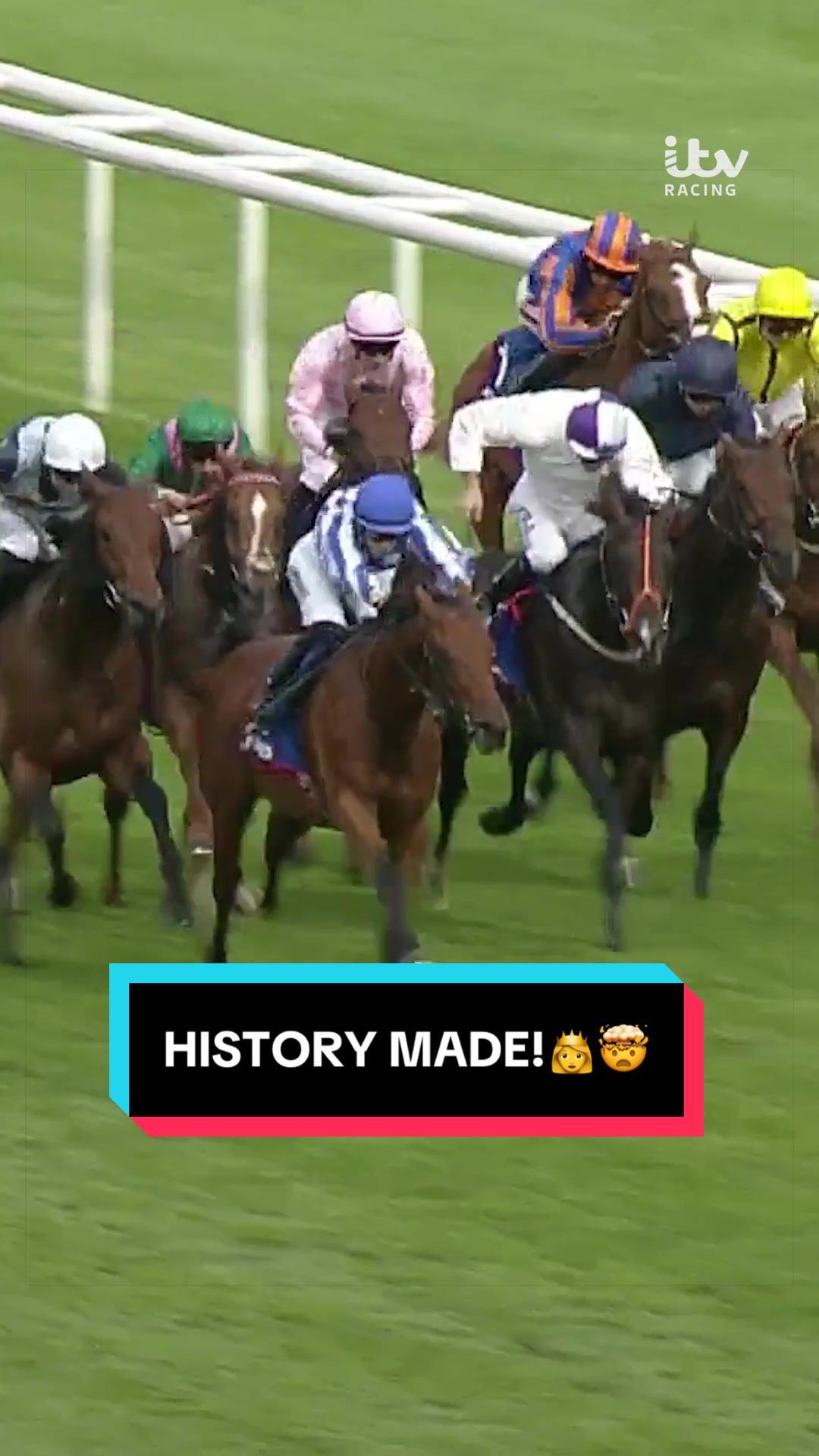
HIGHWAYMAN WINS THE BETFRED ST LEGER! 🏆
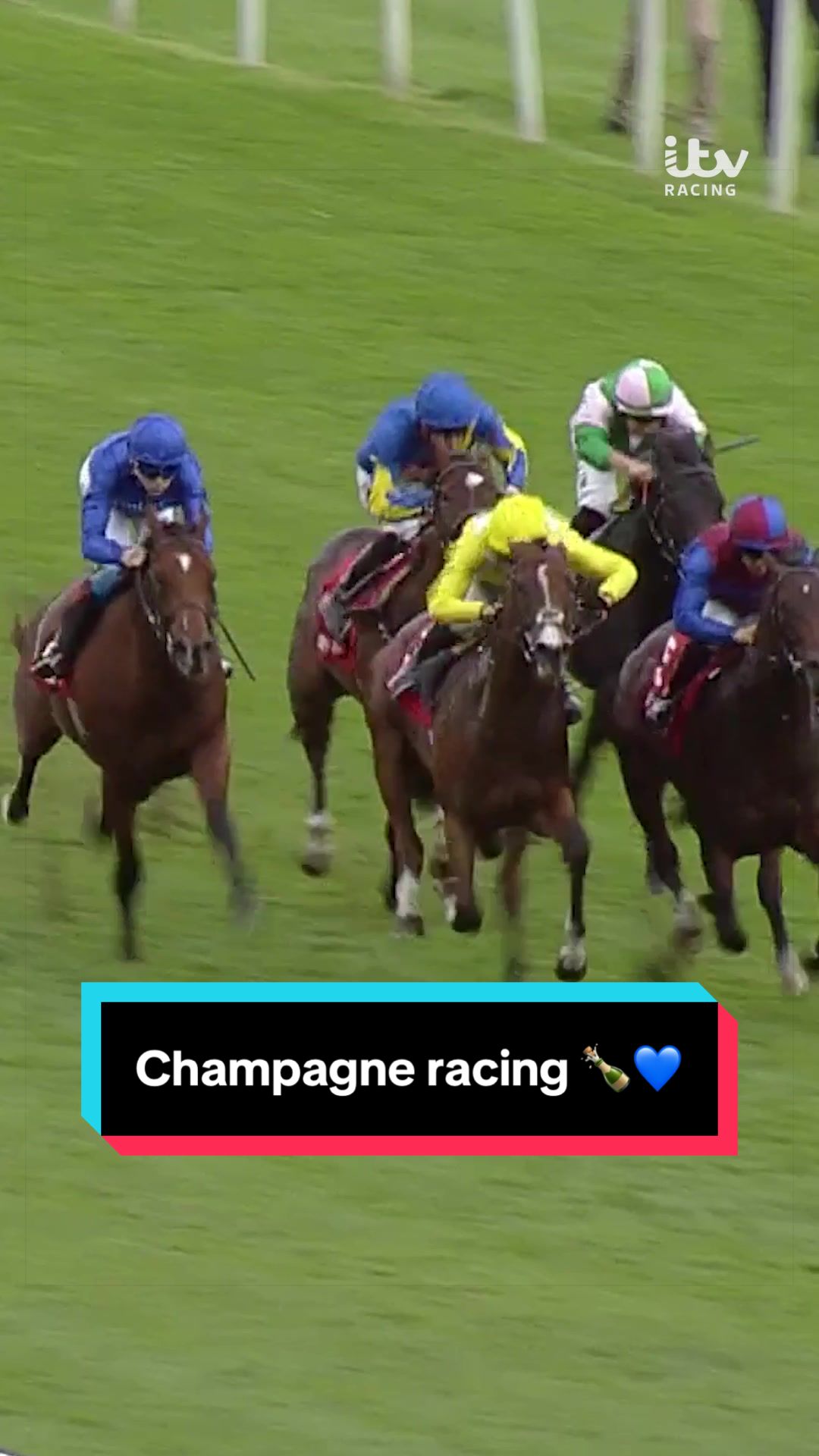
DESERT CASTLE DOMINATES! 🏆🍾

mbappe ballon d'or interview lequipe mbappe edit mbappe interview
 Links
Links
 Contact
 App
App


