



Andoni Iraola: The art of building a team for Liverpool's new manager


Andoni Iraola's comments reveal a deep tactical perspective, with Liverpool's new manager emphasizing that football cannot be operated through a copy-paste method any longer.
In an age where football tactics are analyzed down to every square meter, Andoni Iraola provides a very thought-provoking reminder: no formula can be perfectly replicated from one team to another. For the Spanish coach, the more data, training plans, and video analysis modern football has, the more practitioners must stay alert to the temptation of "copy-pasting" tactics.
Iraola once shared: "For me, football is very complex. A tactical idea may work well with one group of players but be unsuitable for another. As coaches, we cannot provide solutions for every situation. We can set tactical principles, but we cannot control everything.".
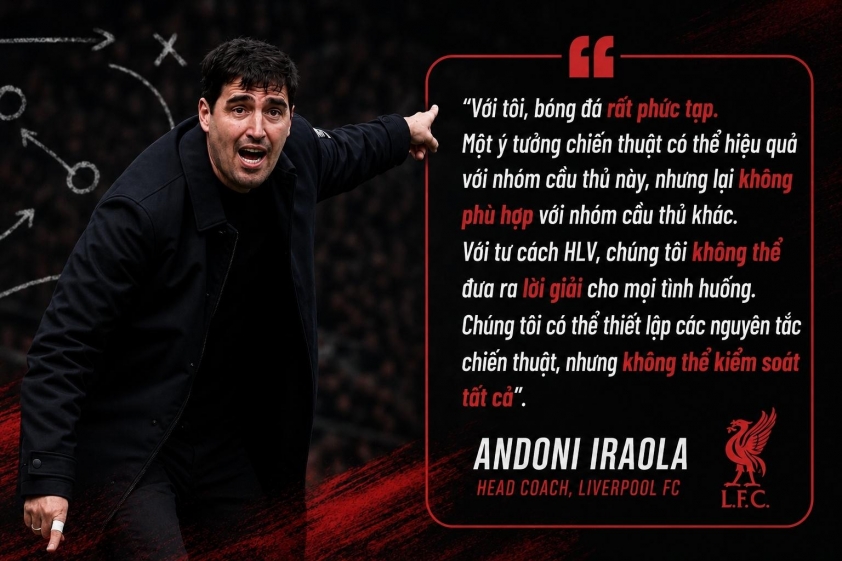
This message hits the very essence of elite coaching. A coach does not simply transplant someone else's formation, drills, or philosophy. What is more important is understanding why a drill was created, which group of players it was meant for, at what time, and what specific problem it was designed to solve. Iraola gives a clear example: nowadays, people can find a lot of information, even copy Pep Guardiola's training sessions from 2007-08, and then expect their team to play "cinematic football." But football does not work so simply.
According to Iraola, Guardiola had his own reasons for choosing a particular drill at a particular time with particular players. Separating a training plan from its original context can easily turn a sophisticated idea into a mechanical template. This is what distinguishes a coach with a philosophy from a dogmatic coach. A philosophy gives a team direction; dogma makes a team lose its ability to adapt.
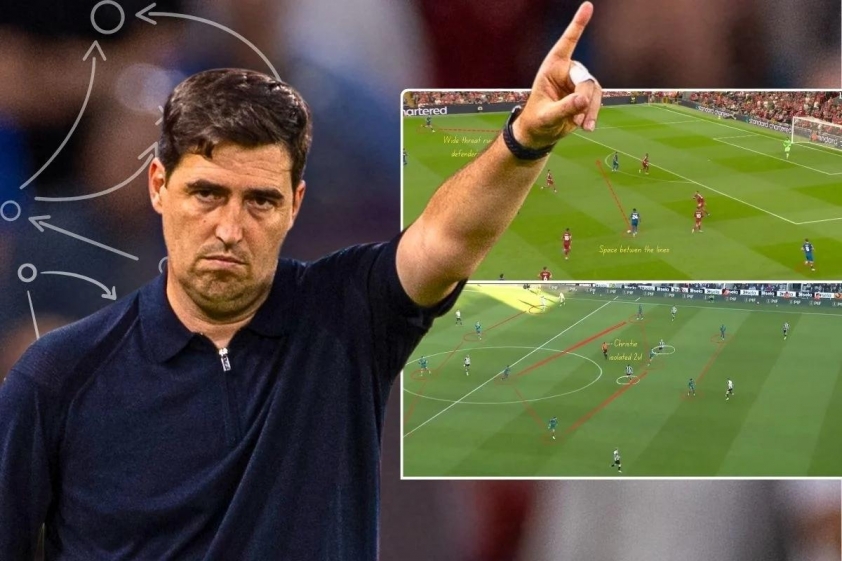
This mindset also clearly mirrors Iraola's own coaching journey. Although influenced by many great coaches, including Marcelo Bielsa, he does not try to turn his team into a copy of anyone. At Rayo Vallecano or Bournemouth, Iraola built a high-intensity style with aggressive pressing, quick transitions, and direct attacking. However, behind that "organized chaos" lie clear principles regarding team spacing, the timing of pressure, how full-backs push high, and the covering role of the midfield line.
Notably, Iraola does not see tactics as fixed solutions. He stresses that coaches can only provide "tactical guidelines," while players still need to read situations, make decisions, and improvise on the pitch. In actual football, opponents are always changing, the rhythm of the match is always shifting, and players are not mindless chess pieces.
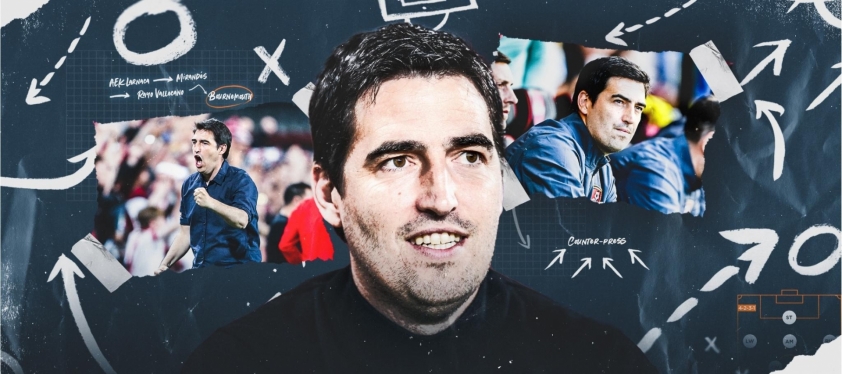
Therefore, Iraola's final advice is very practical: every time you start with a new team or a new season, a coach must adapt to the circumstances, to the group of players at hand, and build the training process from scratch. That is not only a tactical viewpoint but also a philosophy of managing people. In modern football, the winner is not the best copycat, but the one who understands their team the deepest.


Wonderfulshortvideo

raphinha assist today lamine yamal goal today brace today vs levante


Follow for more pokemon content! So what do I do with them now?…

arda guler assist today guler vs rayo vallecano mbappe goal today jude bellingham goal today
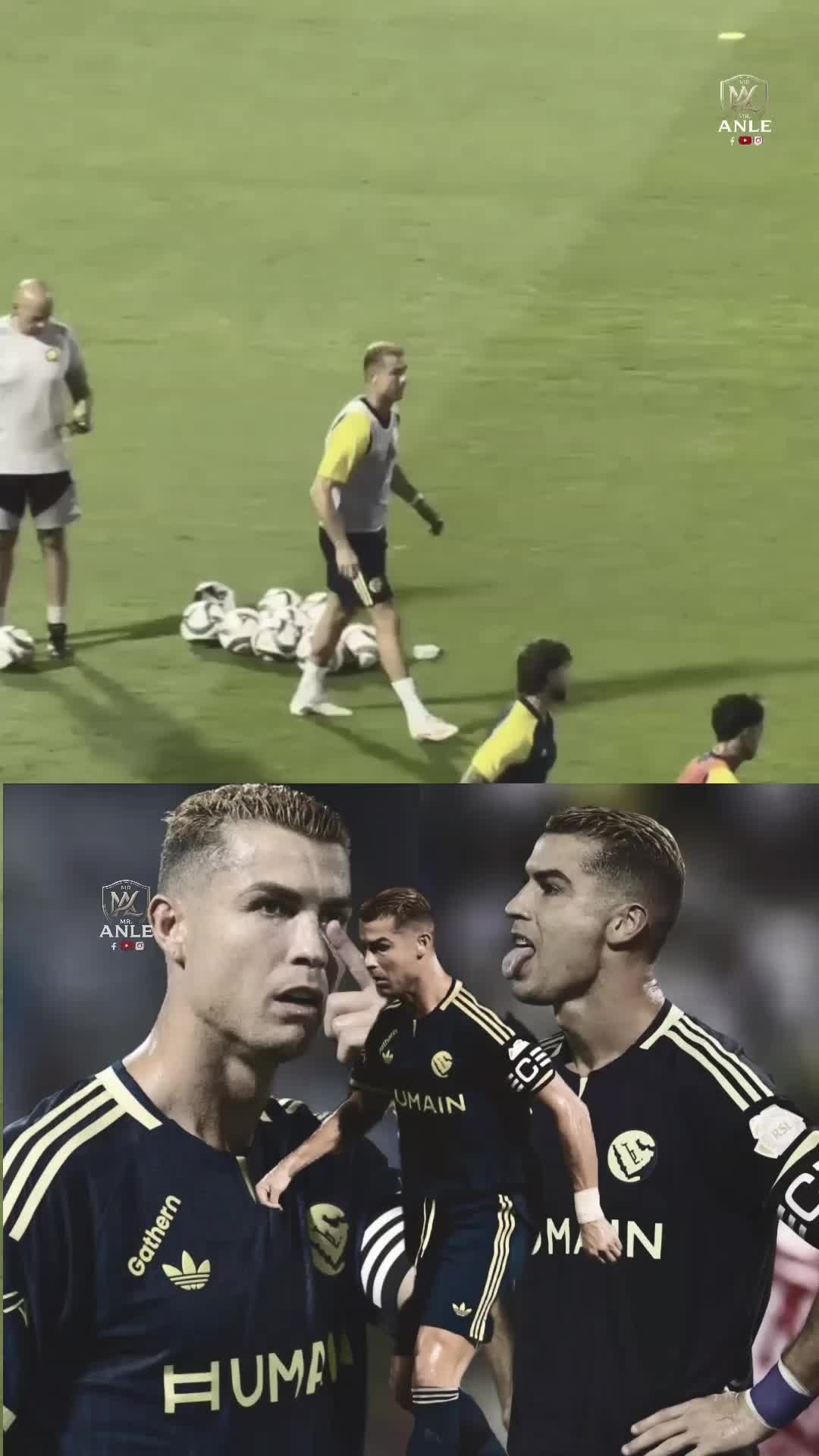
Cristiano Ronaldo and Al Nassr vs Al Khaleej
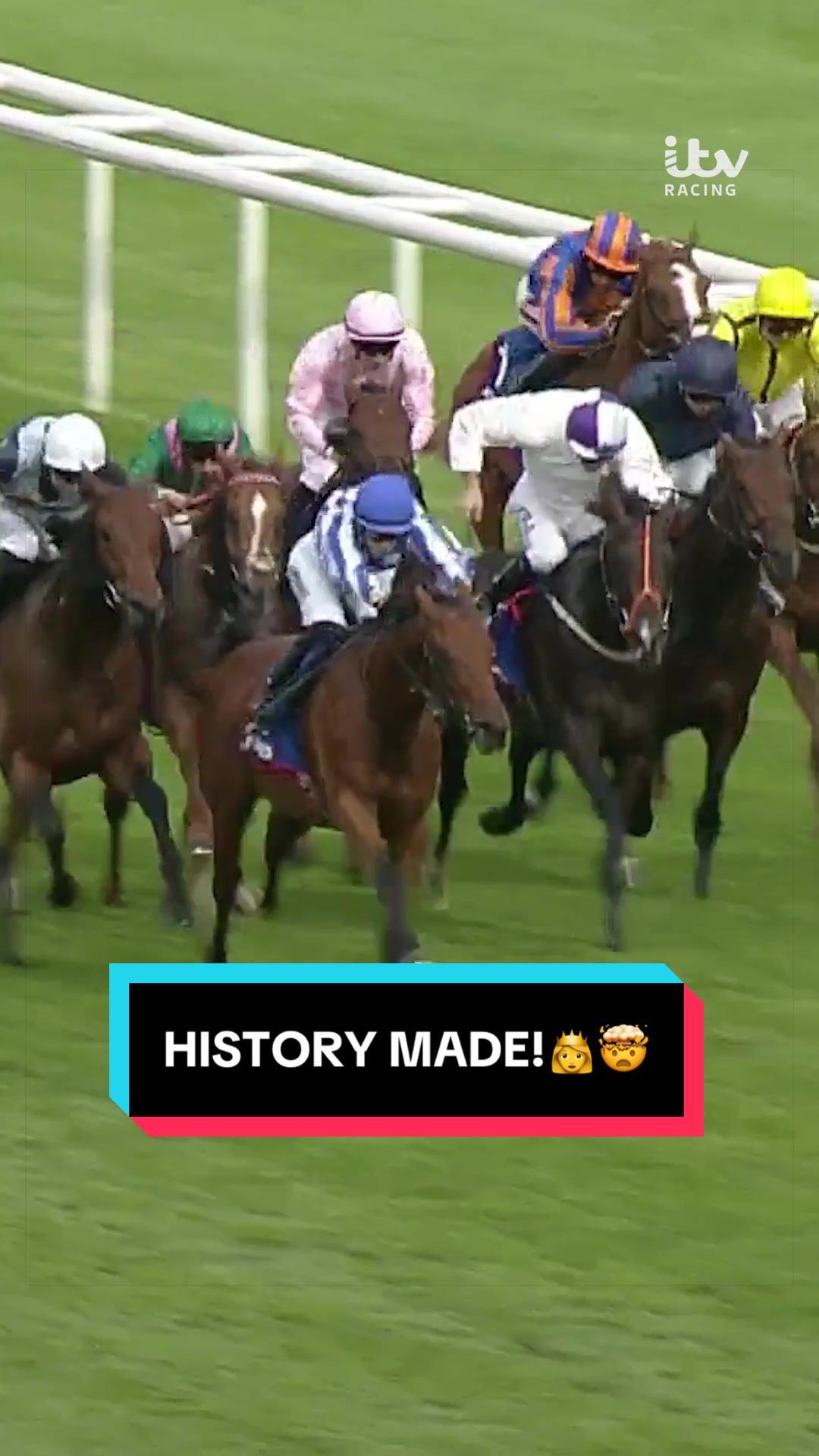
HIGHWAYMAN WINS THE BETFRED ST LEGER! 🏆
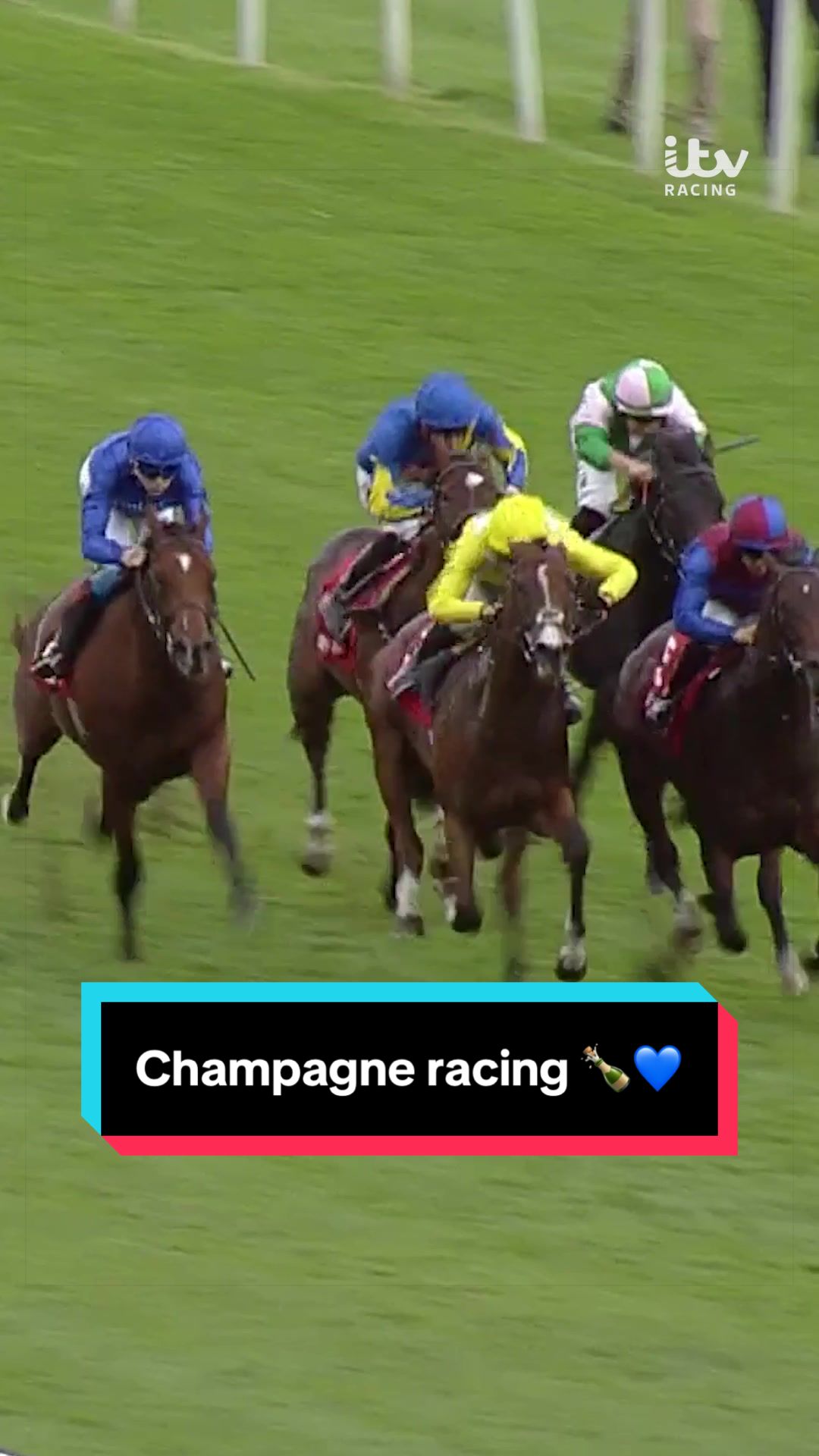
DESERT CASTLE DOMINATES! 🏆🍾

mbappe ballon d'or interview lequipe mbappe edit mbappe interview
 Links
Links
 Contact
 App
App


