



A draw would have secured qualification, but South Korea exposed their own "emperor's new clothes".



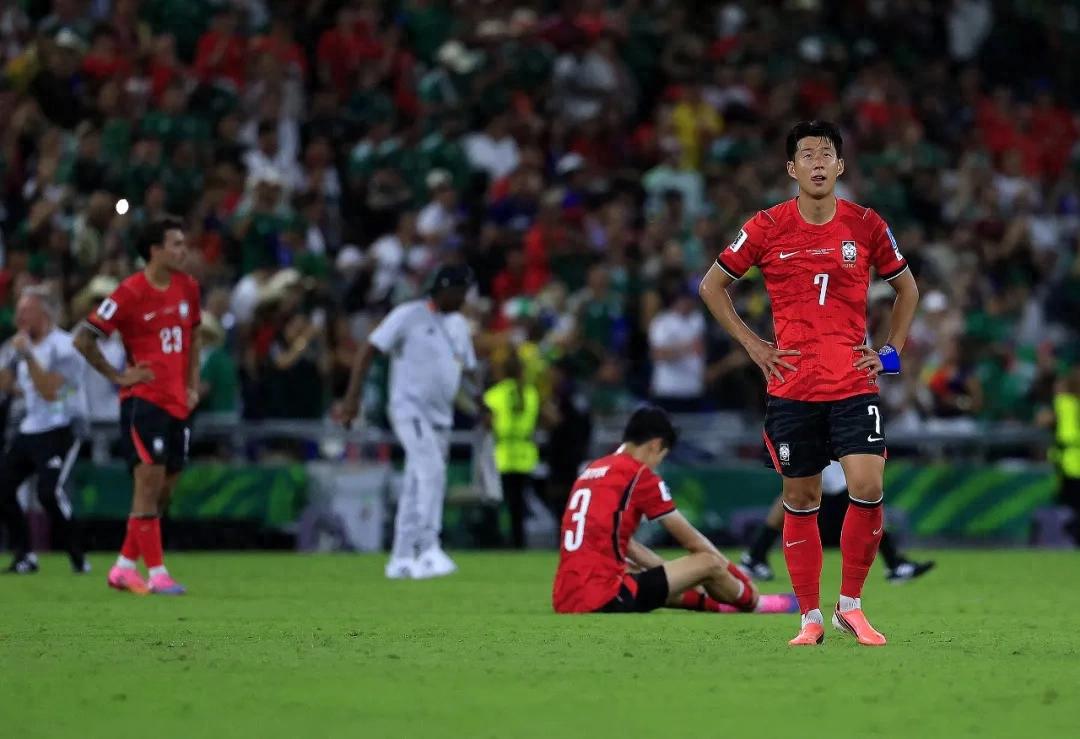
By Nino. The Monterrey metropolitan area in Nuevo León, Mexico, was once a blessed land for South Korean football, where they reached the semifinals of the 1983 World Youth Championship—the first major milestone for Korean football on the international stage. However, 43 years later in 2026, this same place threatened to become a heartbreak for Korean football: Hong Myung-bo's South Korean team, needing only a draw in the final group match of the USA-Canada-Mexico World Cup to advance, lost 0-1 to South Africa, handing over the fate they had tightly held to others.
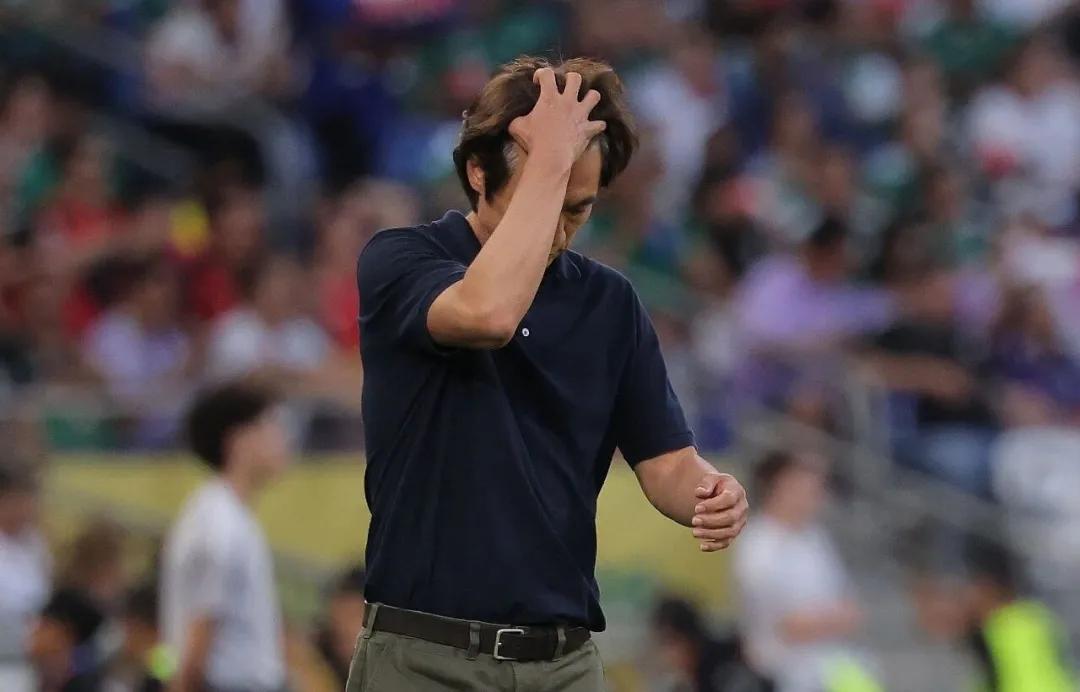
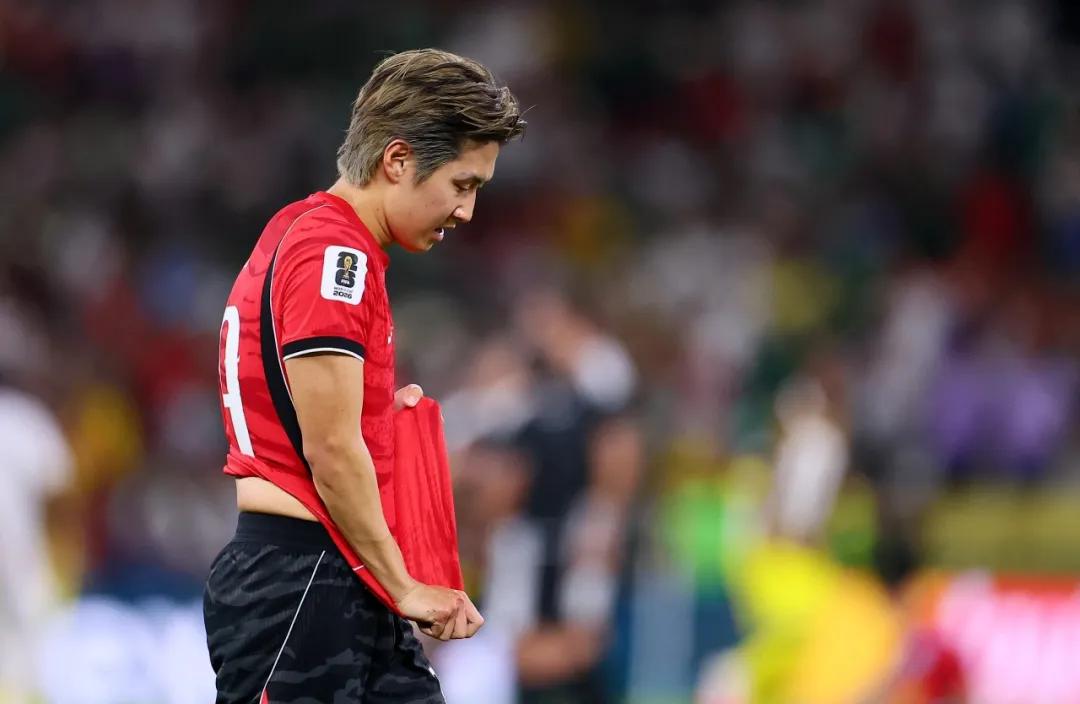
After the match, Lee Kang-in and Son Heung-min stood on the field with looks of astonishment, while Hong Myung-bo on the bench had a face as dark as a storm cloud. They all knew clearly that this defeat was not an upset or bad luck, but rather a self-inflicted failure: facing a South African team ranked 37 places lower than them in the world rankings, South Korea was outmatched both on and off the pitch. Hong Myung-bo's offensive strategy was flawed and his in-game adjustments were virtually nonexistent, while the players lacked the fighting spirit and determination to turn things around when trailing.
Compared to the occasional upset of beating Germany 2-0, when South Korea truly stands on the biggest stage, more often they leave behind losses to Sweden, Ghana, consecutive defeats to Mexico, a loss to Algeria... and the norm of this match—when facing teams of similar or even lower strength, they often find themselves helpless.

With a comeback victory over the Czech Republic in the opening match and a narrow loss to Mexico, the situation for advancing to the round of 32 looked very promising. The general consensus was that South Korea held an objective advantage over South Africa in terms of strength. Opta predicted South Korea's winning probability at 56.2%, a draw at 23.5%, and South Africa's winning probability at only 20.3%.
In terms of the starting lineup, Hong Myung-bo continued with a 3-4-3 formation. He compromised under public pressure to bench Son Heung-min, so the South Korean captain missed his first start in his fourth World Cup. His position was taken by Oh Hyeon-gyu, who scored the winning goal in the first match. Regarding this arrangement, Hong said, "I think it benefits both the team and the player for Son Heung-min to come off the bench in the second half."
Another change occurred in midfield: Lee Jae-sung, who started in the first two matches, was replaced by Hwang Hee-chan. Baek Seung-ho and Hwang In-beom continued in central midfield. Lee Tae-seok, who started the match against the Czech Republic, took over from Kim Moon-hwan and Seol Young-woo on the flanks. The three-man defense consisted of Lee Han-beom, Kim Min-jae, and Lee Ki-yi, with Kim Seung-gyu in goal. Castro, the half-Korean, half-German player who was switched to full-back, remained on the bench, having not been given any playing time in the first two matches.
In the first half, facing South Africa's tight defense, South Korea's attack struggled to flow smoothly despite enjoying possession. Although there were two golden chances—Kim Min-jae's header hitting the post and Lee Kang-in's shot in the box going wide—frequent passing errors from the middle of the first half caused the entire front line to lose steam. In contrast, South Africa's counterattacks were very sharp, with Kim Seung-gyu saving a follow-up shot from Mahopa that had an expected goals (xG) of 0.58. Looking at the overall shooting statistics for the first half, South Africa dominated with 10 shots to South Korea's 4, including 3 on target, while South Korea had only 1. Before the match, the players had declared their determination to take all three points and control their own destiny, but on the pitch, they failed to deliver a convincing performance.
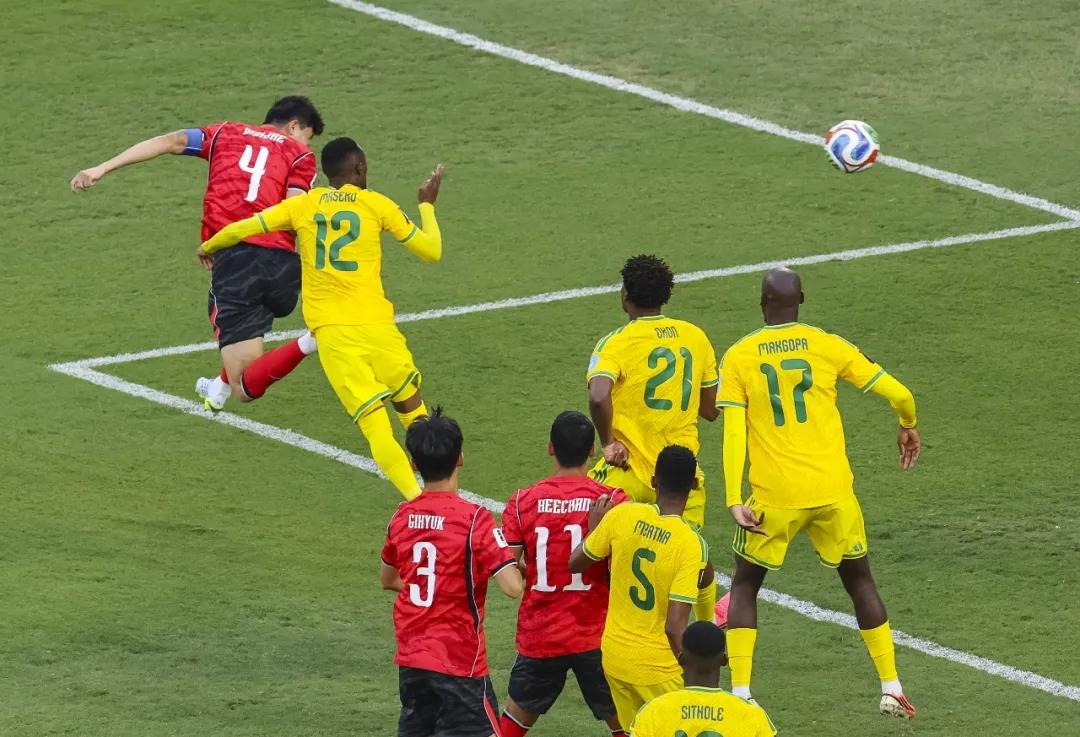

If the first half exposed tactical errors by South Korea, the second half laid bare Hong Myung-bo's rigid in-game management and the players' mental slackness: Son Heung-min came on for Hwang Hee-chan, Kim Jin-gyu replaced Baek Seung-ho, and Castro substituted left wing-back Lee Tae-seok—all direct positional swaps. The Koreans dominated possession for long periods but lacked the technical foundation and creativity to pose a threat, while the pragmatic South Africans delivered the decisive blow. Castro, who had just come on, lost his man in the box, allowing Maseko to receive the ball and blast it into the net.
After conceding, South Korea's players appeared anxious and lost, while Hong Myung-bo on the bench failed to provide effective solutions. He mechanically sent on tall striker Cho Gue-sung and replaced the calf-injured Kim Min-jae with Park Jin-seop, while keeping the 3-4-3 formation. He then sat motionless on the bench without giving any tactical instructions.
South Africa had anticipated Cho Gue-sung's introduction. With the lead, they simply dropped back their defense to easily neutralize South Korea's rather dull attacks. Lacking runs through the middle and clear passing lanes, South Korea's possession from the back could never advance centrally, instead circulating endlessly between the flanks and the backline—all ineffective passes.
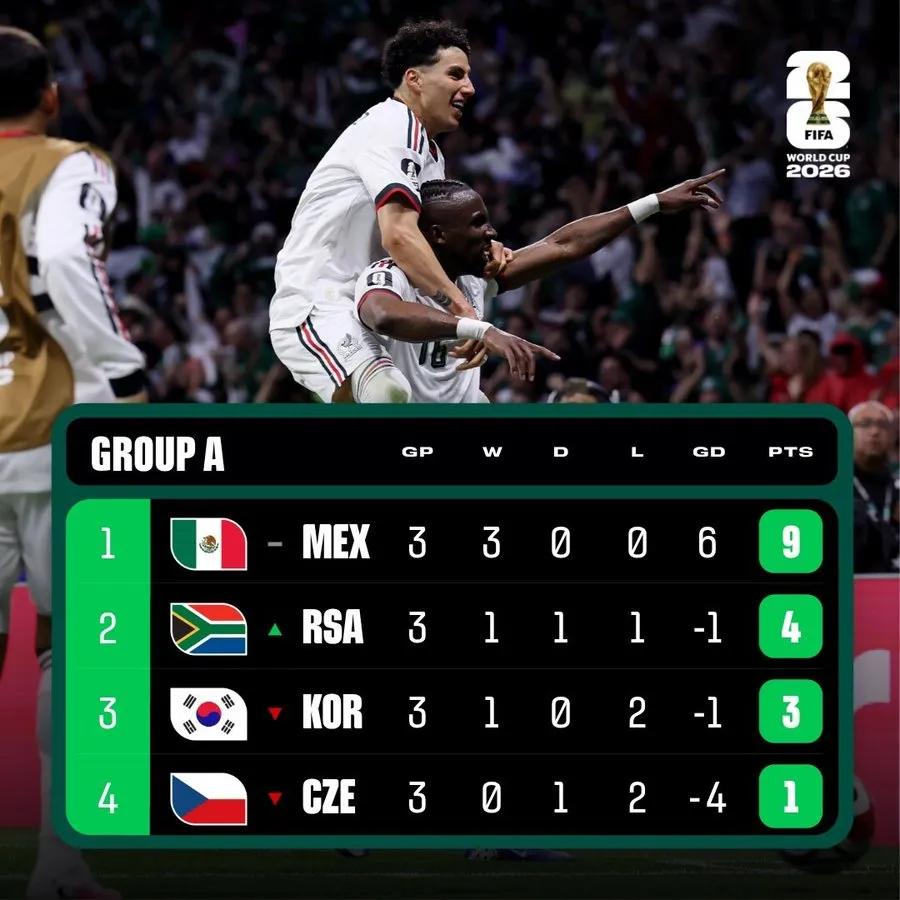
In the end, the score was 0-1. With pragmatic tactics and consistent performance, South Africa advanced to the World Cup knockout stage for the first time in their history. Having started the tournament with a loss, they showed the strength that saw them top their qualifying group ahead of Nigeria, fully deserving the victory. Meanwhile, the South Korean team, which had been in a favorable position, could only wait for results from other groups.

After the match, two former legends, Lee Young-pyo and Park Ji-sung, expressed great disappointment in South Korea's performance. Lee Young-pyo believed the players' movements and agility looked labored, suspecting that Hong Myung-bo's fitness training was problematic. Park Ji-sung, on the other hand, was frustrated by the rigid tactical changes and lack of determination to win. "The team lacked clear coordination in creating space and making runs—that's the biggest factor hindering smooth attacking play. There are too many players in the back. We need goals; there's no need to keep so many players deep. Only by increasing the number of attackers can we dominate in the offensive end, but the tactics never changed at all," he said.
Monotonous and dull offensive organization, along with poor finishing, are problems that have repeatedly plagued South Korean football in the past.
At the post-match press conference, Hong Myung-bo admitted that this match was the team's worst performance among the three group games, acknowledging his responsibility for lineup adjustments and tactical arrangements. "In the end, everything is the coach's fault. I made wrong judgments and decisions. The players know how they should play, but after conceding, they seemed a bit flustered. However, this process is the consequence of my choices," he said.
Although South Korea still have a decent chance of advancing with 3 points and a goal difference of -1, this loss clearly deserves reflection from the entire Korean football community. Despite having world-class players like Lee Kang-in, Son Heung-min, and Kim Min-jae, their tactical awareness and overall organization are far from that of a top team. Against stronger opponents, they rarely suffer heavy defeats and have even produced miracles on occasion. But when facing teams of similar strength or even weaker on paper, how to choose the right tactics and maintain a calm mindset is a challenge South Korea must overcome. As Park Ji-sung said, "We need to reflect: Do we really want to win? In all three group matches, we never saw what kind of football this team truly wants to play."


Wonderfulshortvideo
Leeds United demolish Newcastle at elland road


Throwback to this League Cup game between Liverpool and Spurs ⚽️⚽️
Lamine genius 🪄
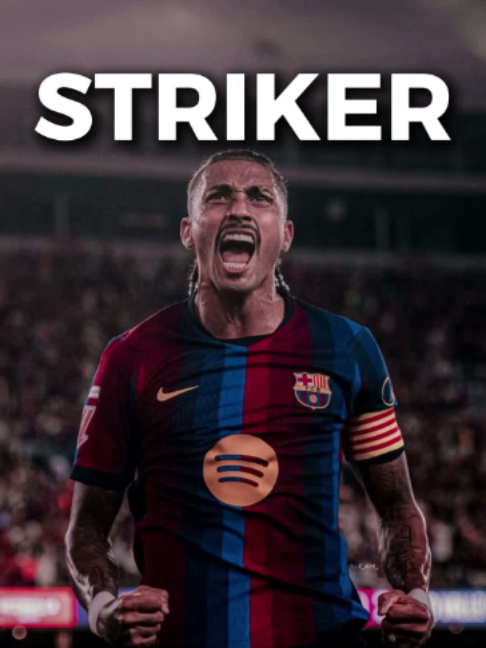
raphinha assist today lamine yamal goal today brace today vs levante
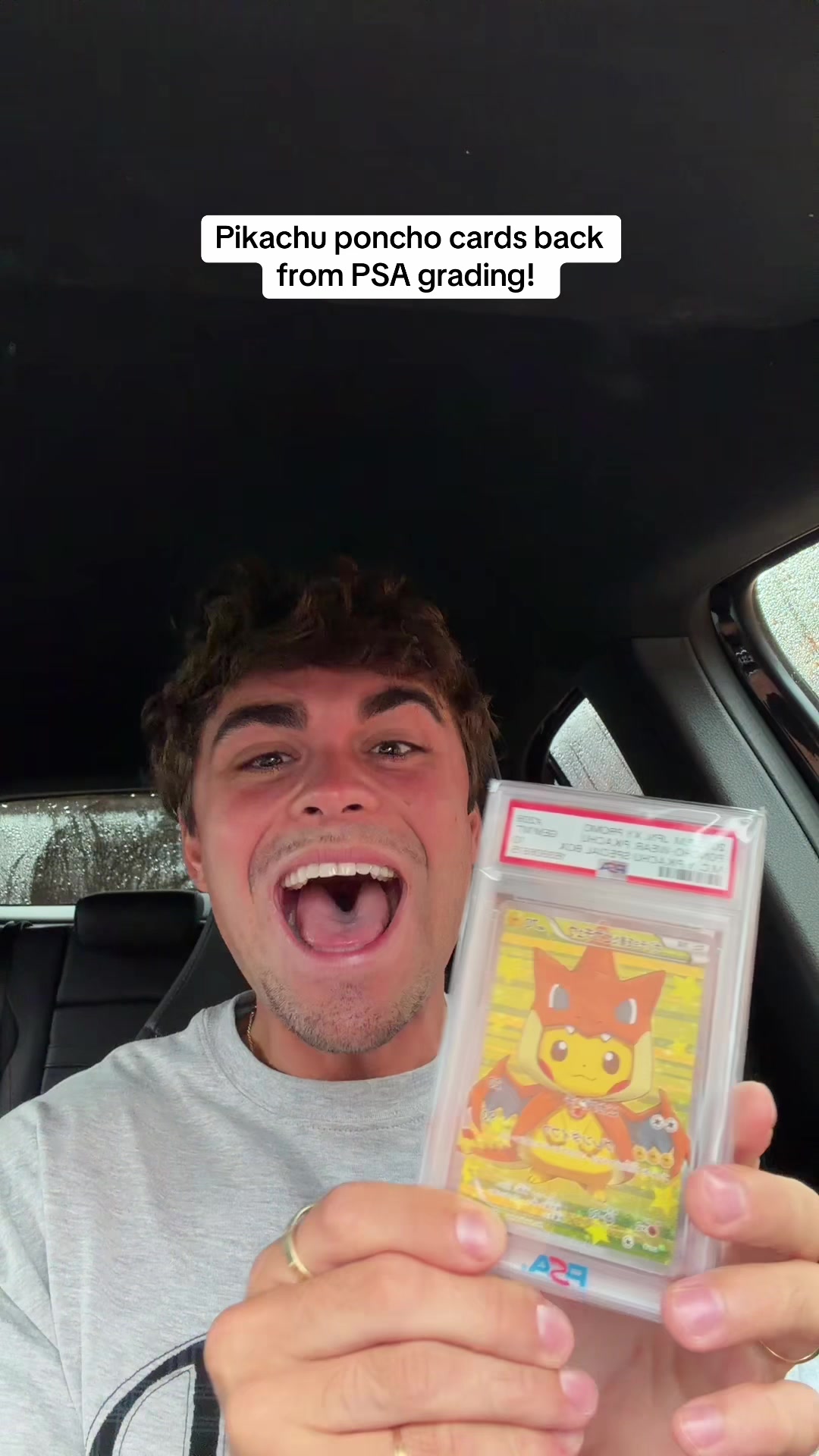
Follow for more pokemon content! So what do I do with them now?…
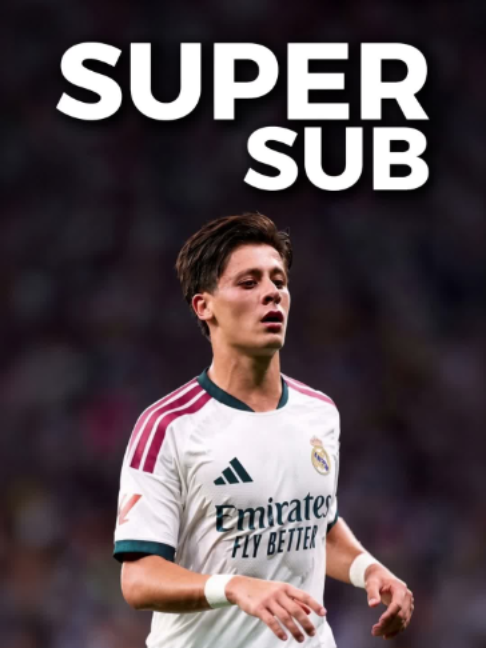
arda guler assist today guler vs rayo vallecano mbappe goal today jude bellingham goal today
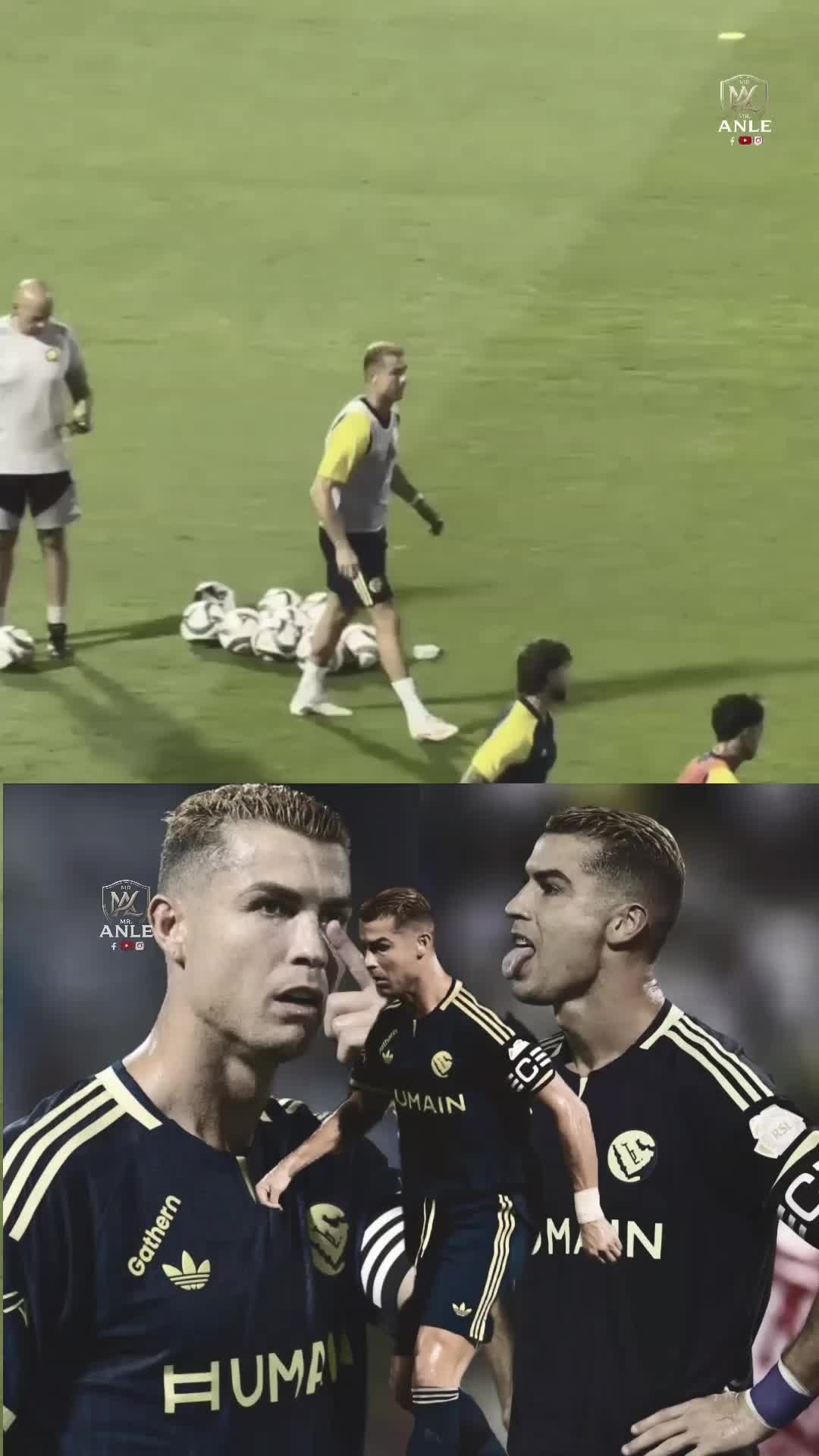
Cristiano Ronaldo and Al Nassr vs Al Khaleej
 Links
Links
 Contact
 App
App


