



First Asian team to advance! Japan qualifies for knockout stage for the 5th time and 3rd consecutive World Cup, setting a record; faces Brazil aiming to break the round-of-16 curse.



In the final Group F match of the World Cup, which ended on June 26 Beijing time, Japan drew 1-1 with Sweden, going undefeated in three group games with one win and two draws for five points, advancing to the knockout stage as the group runner-up.
Japan also became the first Asian nation to advance from the group stage in this World Cup. This marks the fifth time Japan has reached the knockout stage in its history, maintaining its lead over other Asian teams.
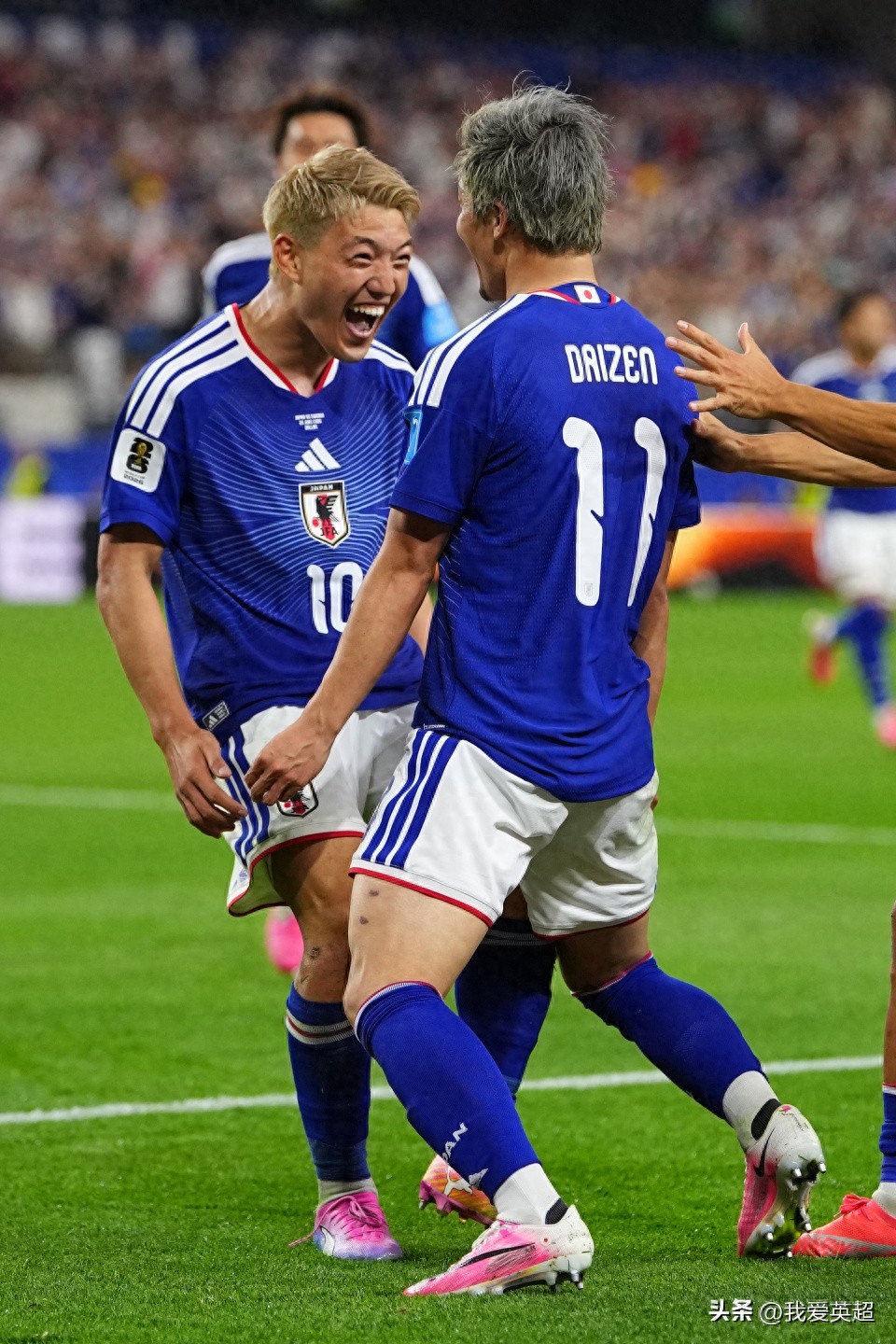
In this World Cup, the Japanese men's team was drawn into a "group of death." However, as Asia's top-ranked side, Japan demonstrated impressive strength. In their opening match, Japan came from behind twice to earn a hard-fought 2-2 draw against European powerhouse Netherlands.
In the second group match, Japan unleashed a powerful offensive, routing North African stronghold Tunisia 4-0 to claim their first victory and lay a solid foundation for advancing from the group.
In the decisive final group match against Sweden, Japan initially took the lead through a goal by Daizen Maeda, only to have it canceled out by a long-range strike from Anthony Elanga. However, the draw earned Japan one crucial point, allowing them to edge out Sweden and secure second place in the group.
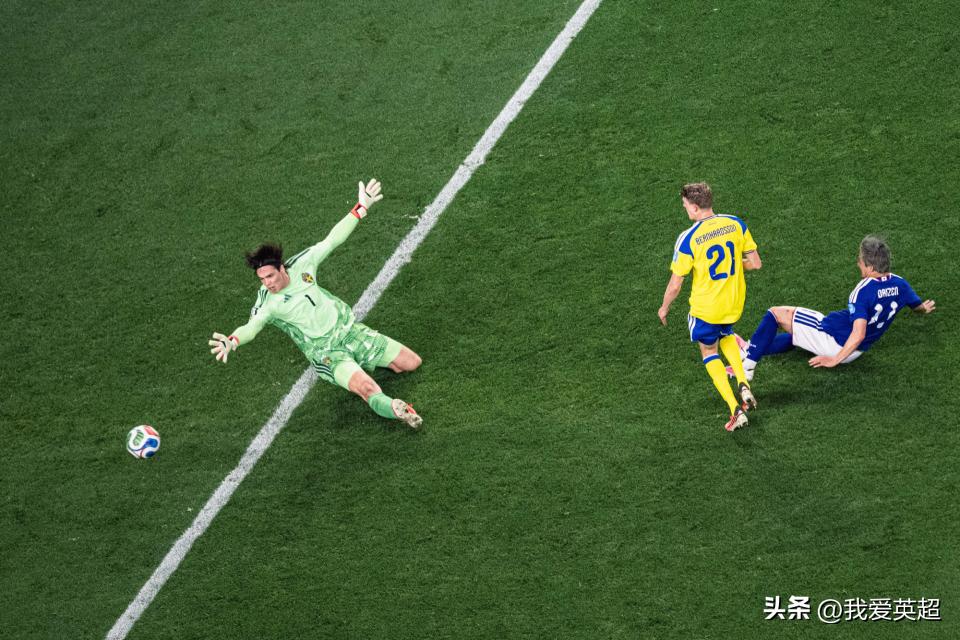
This is the fifth time Japan has advanced from the World Cup group stage. Since making their World Cup debut in 1998, Japan has qualified for the knockout rounds in 2002, 2010, 2018, 2022, and 2026 across eight appearances.
Japan has now advanced from the group stage in three consecutive World Cups, setting a record among Asian teams. With five knockout-stage appearances, Japan continues to surpass South Korea as the Asian nation with the most such achievements.
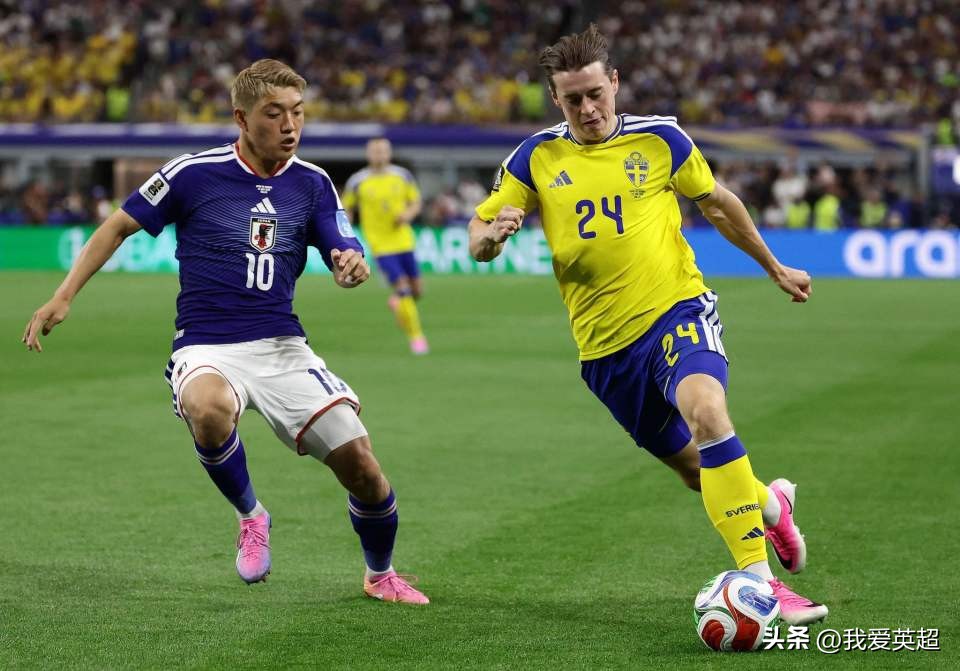
In the round of 16, Japan faces an unfavorable draw, taking on Brazil, the Group C winners. Whether Japan can finally break its streak of four consecutive World Cup exits in the round of 16 remains a compelling question.


Wonderfulshortvideo

Leeds United demolish Newcastle at elland road


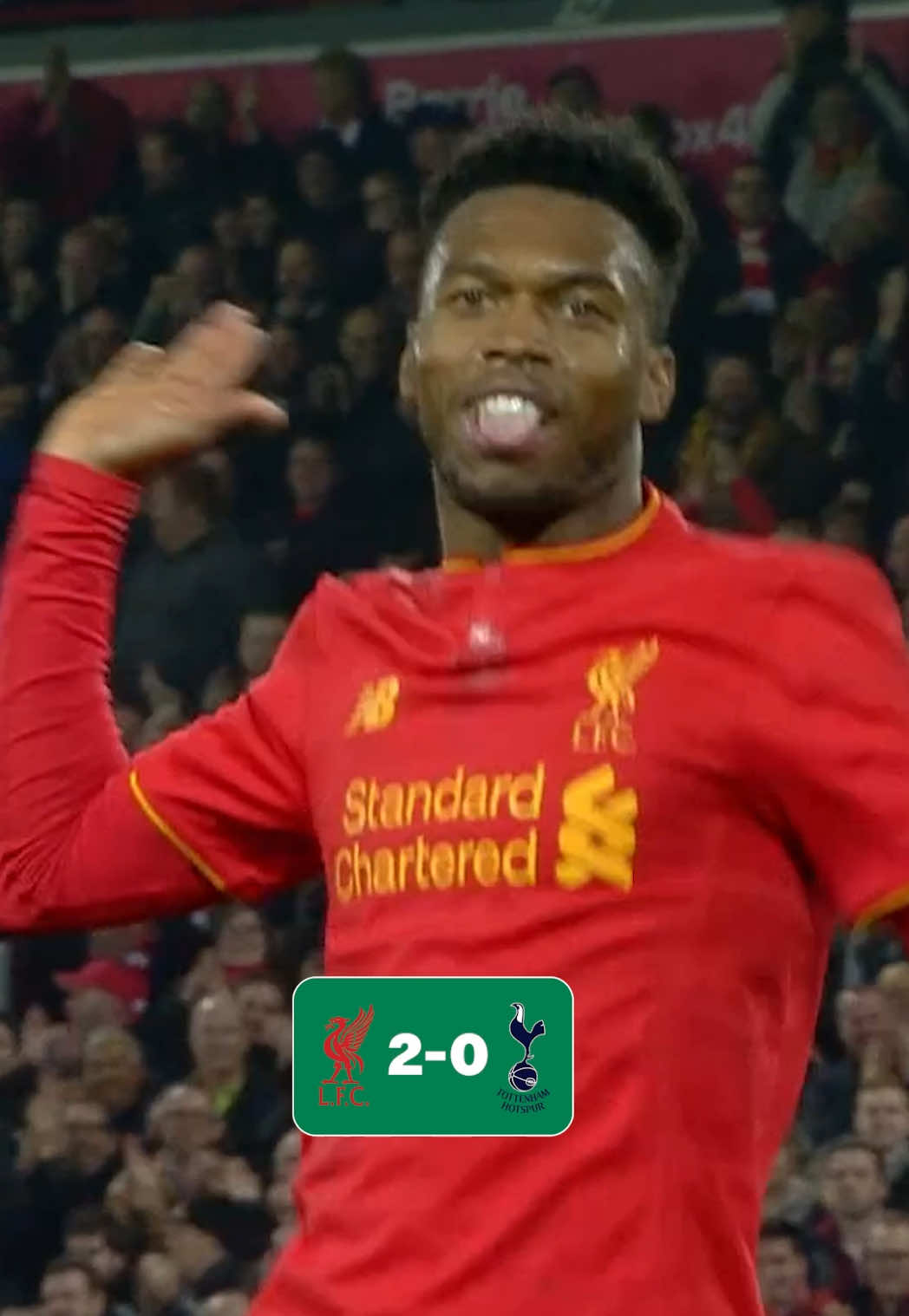
Throwback to this League Cup game between Liverpool and Spurs ⚽️⚽️
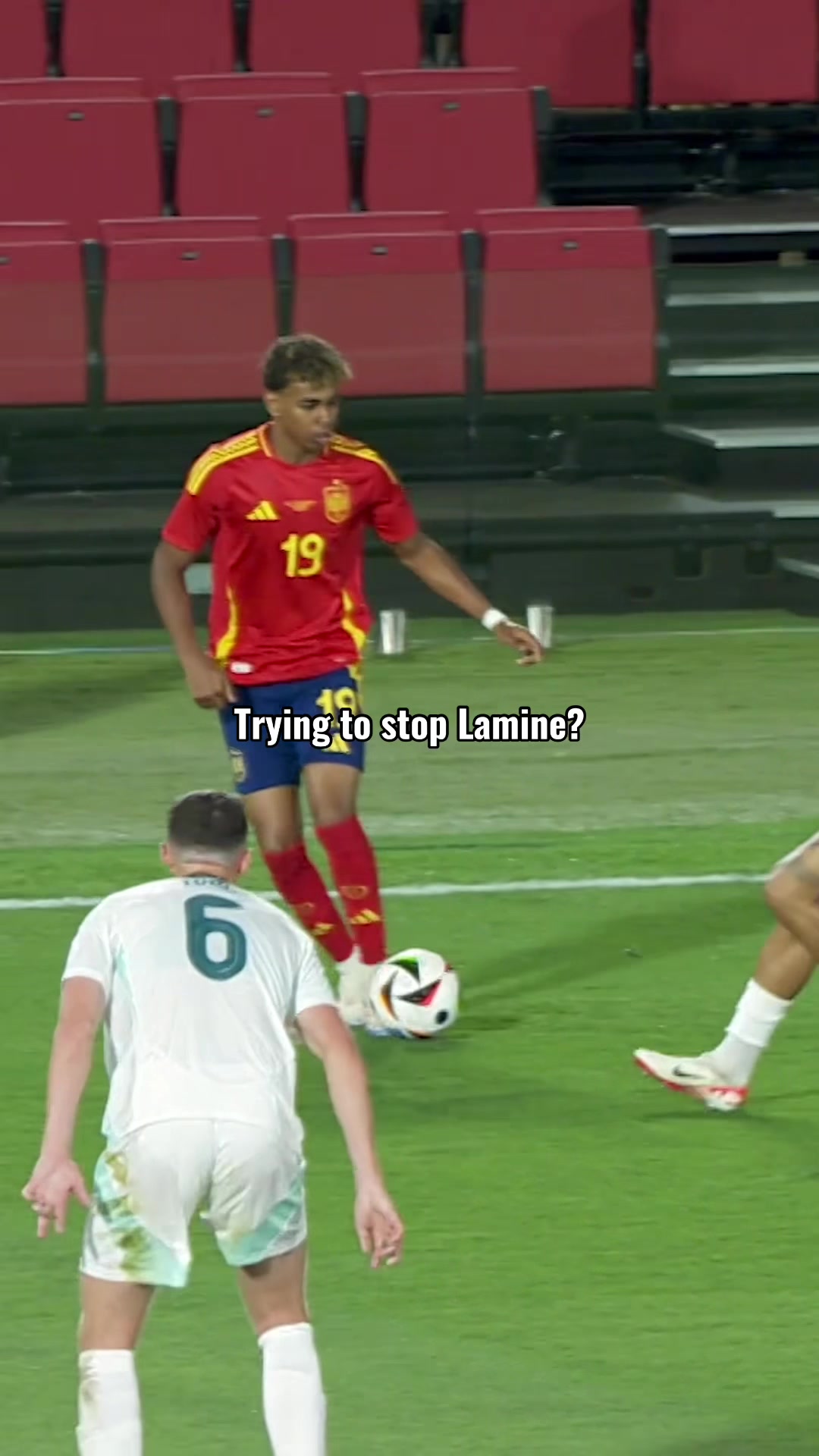
Lamine genius 🪄

raphinha assist today lamine yamal goal today brace today vs levante
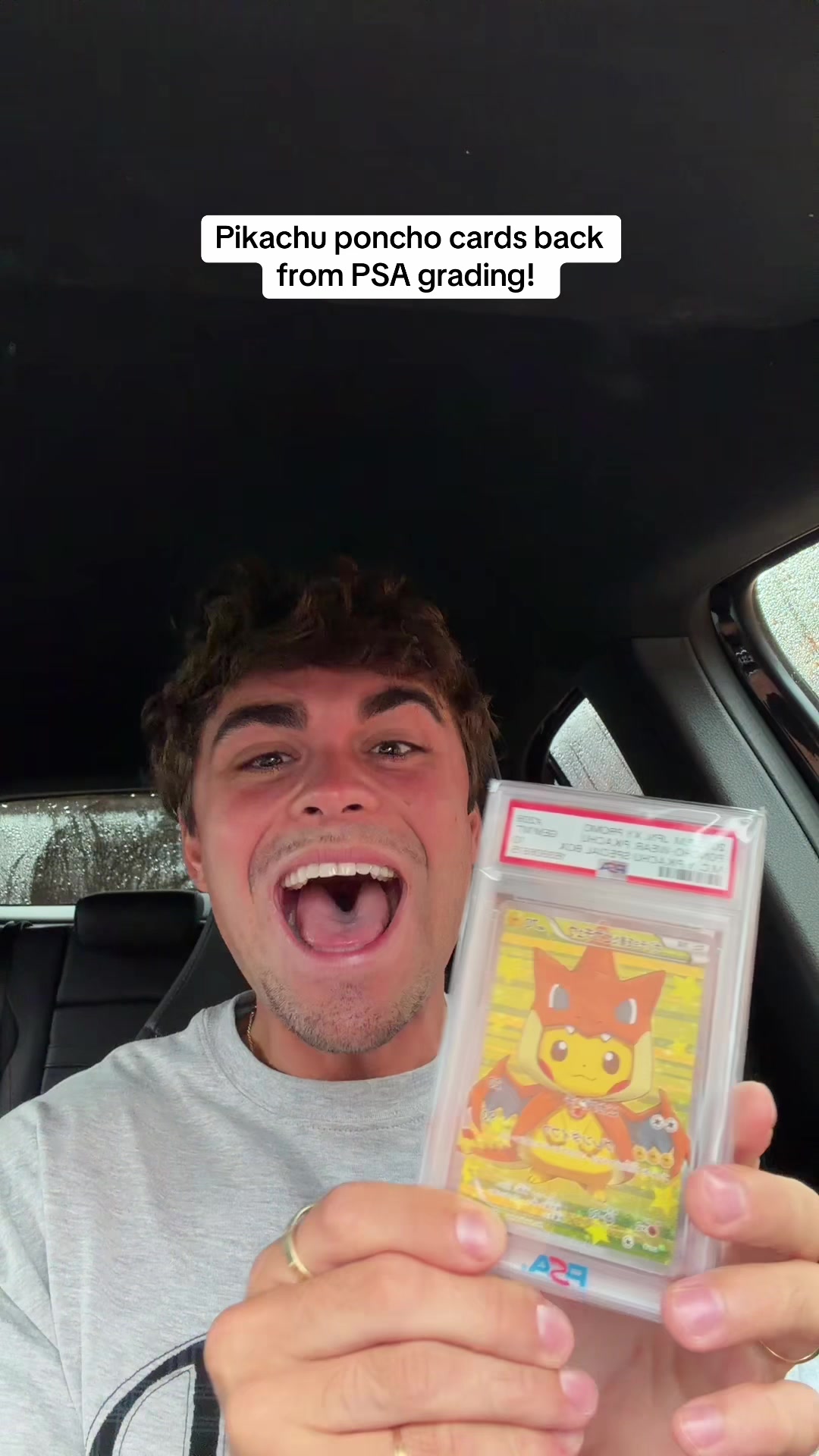
Follow for more pokemon content! So what do I do with them now?…

arda guler assist today guler vs rayo vallecano mbappe goal today jude bellingham goal today

Cristiano Ronaldo and Al Nassr vs Al Khaleej
 Links
Links
 Contact
 App
App


