



Japanese coach Hajime Moriyasu: Memories of Hiroshima and the dream of winning the World Cup



When the Japanese national anthem played before the match between Japan and the Netherlands at the 2026 World Cup, Coach Hajime Moriyasu unexpectedly burst into tears.
He kept a stern expression while singing "Kimigayo," but tears streamed down his face. After the game, the 1968-born manager simply explained: "Leading the national team always brings me a lot of emotion. Many things flashed through my mind."
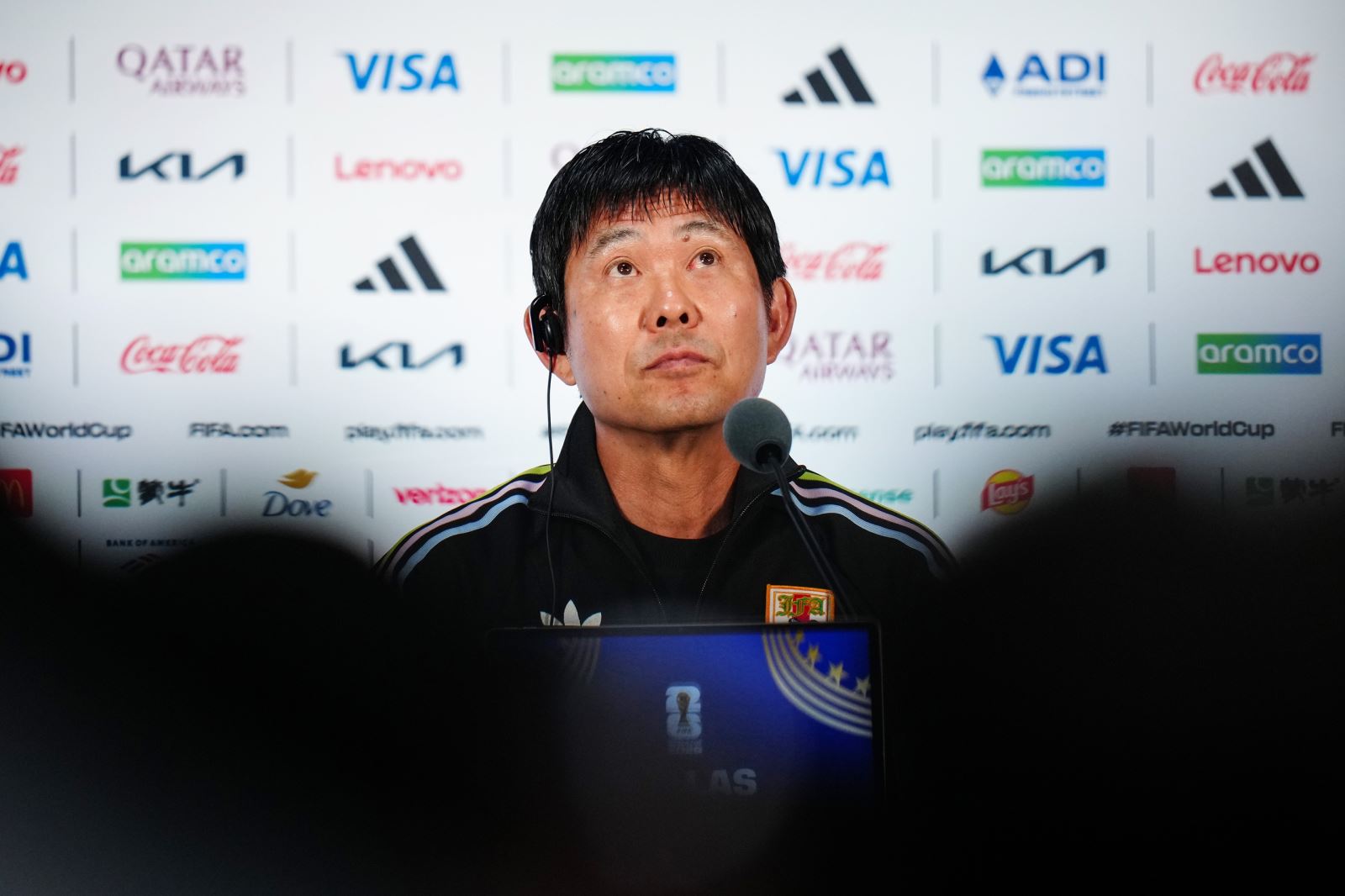
Japanese media believe that the World Cup being held in the United States rekindled special memories in his life, closely tied to two cities that once suffered atomic bombings. Moriyasu was born in Nagasaki and grew up in Hiroshima.
His father was one of the survivors of the Hiroshima disaster as a child, but lost many relatives in the devastating 1945 explosion. His work in the maritime industry caused the family to frequently move between port cities. Moriyasu was born in Nagasaki before returning to Hiroshima—his family's hometown. It was in Hiroshima that Moriyasu was discovered and mentored by Kazuo Imanishi, a "hibakusha"—the Japanese term for survivors of the atomic bombings.
Imanishi was not only the discoverer of Moriyasu's football talent but also an active activist against nuclear weapons and nuclear power plants. The stories from that special teacher left a deep impression on the current coach's childhood.
"Sensei" of Japanese football
When the J-League was founded in 1992 and professional football began to develop, Japan continuously invited foreign experts to build its foundation. Wenger was one of them. Others included Paulo Roberto Falcao, Philippe Troussier, Zico, Ivica Osim, and Alberto Zaccheroni.
For many years, the Japan Football Association (JFA) believed that players competing at the highest level in Europe should be led by coaches who had experienced that environment. That is why JFA always prioritized foreign coaches. However, Moriyasu's recent success is changing that perception. Before Moriyasu, coach Akira Nishino led Japan to the Round of 16 at the 2018 World Cup. Now, Moriyasu continues to help the team maintain its competitive status against the world's football powers.
In a country that values "sensei"—the teachers—Moriyasu himself has now become a new "sensei" of Japanese football.
One of Moriyasu's standout traits is his emphasis on collectivism. He once dropped outstanding midfielder Hidemasa Morita after the latter publicly criticized his tactical decisions in the media. "Moriyasu values group harmony above all else," Sugawara said.
The message that Coach Moriyasu and his players repeatedly stressed before the tournament was that Japan came to the World Cup aiming for the championship. This surprised many fans, as Japan had never advanced past the Round of 16.
Before the 2026 World Cup, Japan defeated Brazil for the first time in a friendly. Then, they beat England at Wembley. In this year's World Cup, a 4-0 victory over Tunisia further demonstrated the strength of the "Blue Samurai." This was also the first time an Asian representative won a World Cup match by a four-goal margin. The road is still long, but the "Blue Samurai" are on the right track to turn what was once considered impossible into reality.


Wonderfulshortvideo

Leeds United demolish Newcastle at elland road



Throwback to this League Cup game between Liverpool and Spurs ⚽️⚽️

Lamine genius 🪄

raphinha assist today lamine yamal goal today brace today vs levante
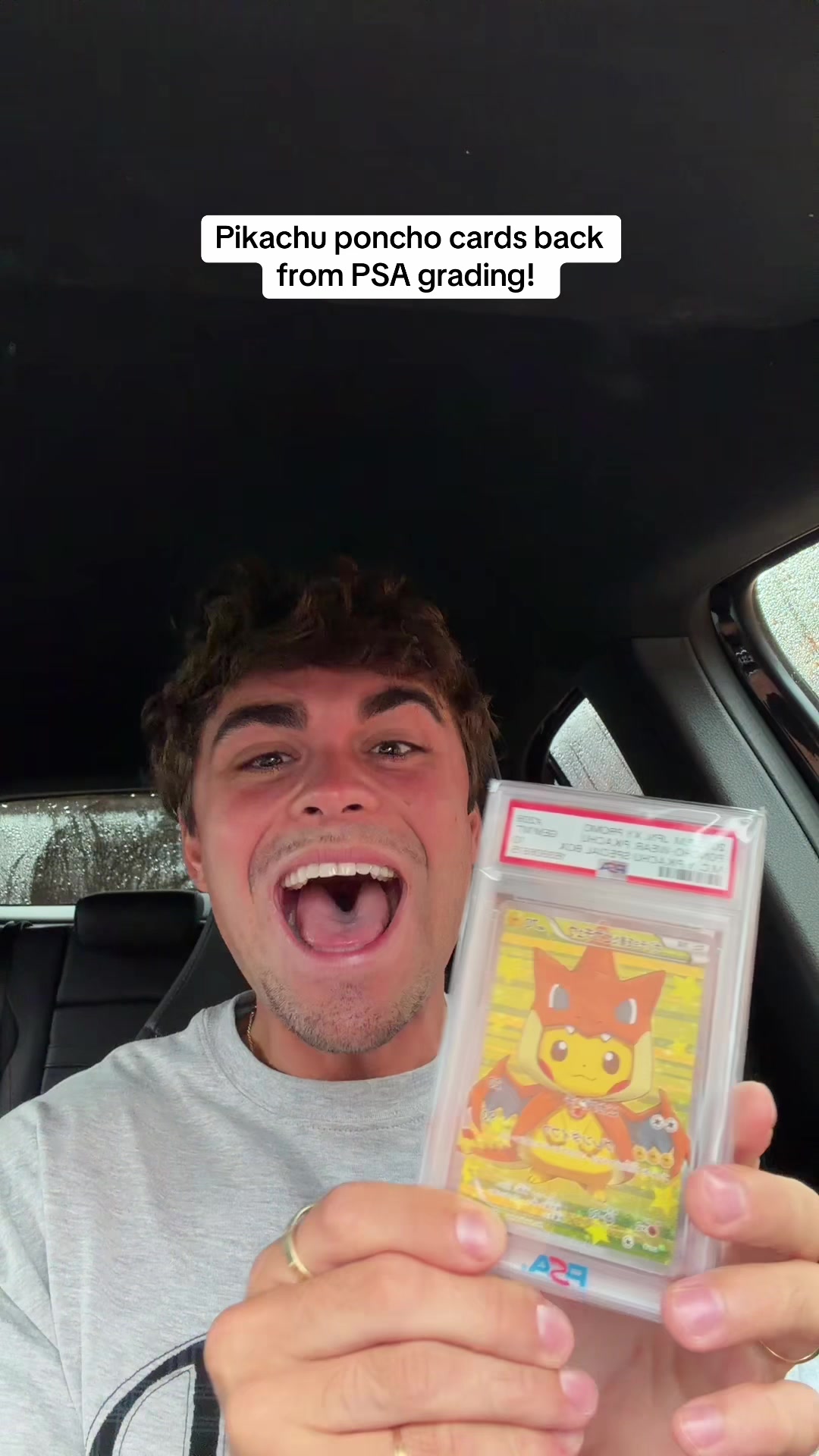
Follow for more pokemon content! So what do I do with them now?…

arda guler assist today guler vs rayo vallecano mbappe goal today jude bellingham goal today

Cristiano Ronaldo and Al Nassr vs Al Khaleej
 Links
Links
 Contact
 App
App


