



Brazil faces Japan in the knockout round of the 2026 World Cup, and the Samba press issues a warning



Brazilian media analyzes the Japanese team at the 2026 World Cup
Although Brazil holds a significant advantage in head-to-head history, O Globo believes that the current generation of Japanese football has matured tremendously and is no longer an easy opponent to defeat. According to the schedule, Brazil will face Japan in Houston on June 29 in the opening match of the knockout stage. Japan secured their spot in the next round as runners-up in Group F after a 1-1 draw with Sweden, while Brazil topped Group C after a 3-0 victory.
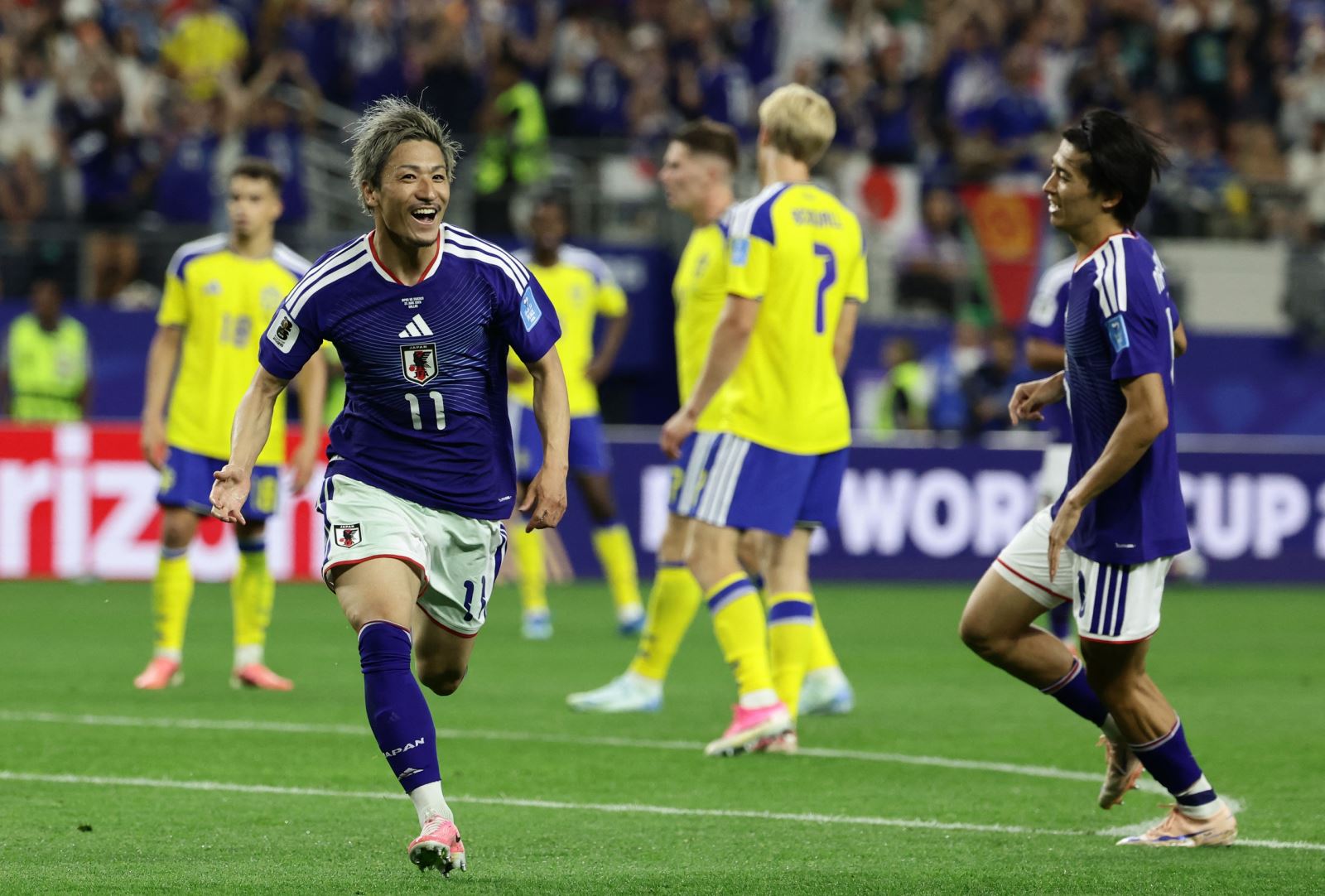
Looking at the past, Brazil clearly dominates Japan. In 14 meetings, the five-time world champions have won 11, drawn 2, and lost only once. One of the most notable victories was Brazil's 4-1 win over Japan in the group stage of the 2006 World Cup.
However, Brazil's only loss came in their most recent encounter. In a friendly match in Tokyo in October 2025, Brazil led Japan 2-0 with goals from Paulo Henrique and Gabriel Martinelli, but then unexpectedly collapsed in the second half, allowing the opponent to come back and win 3-2.
O Globo assesses that match as a wake-up call for Brazil, while also showing that Japan possesses an ambitious generation of players who want to shed the image of merely playing the role of "underdogs" in major tournaments.
Under the guidance of coach Hajime Moriyasu since 2018, Japan has experienced disappointments at both continental and global levels, but has gradually formed a team with high intensity, intelligent movement, and extreme discipline.
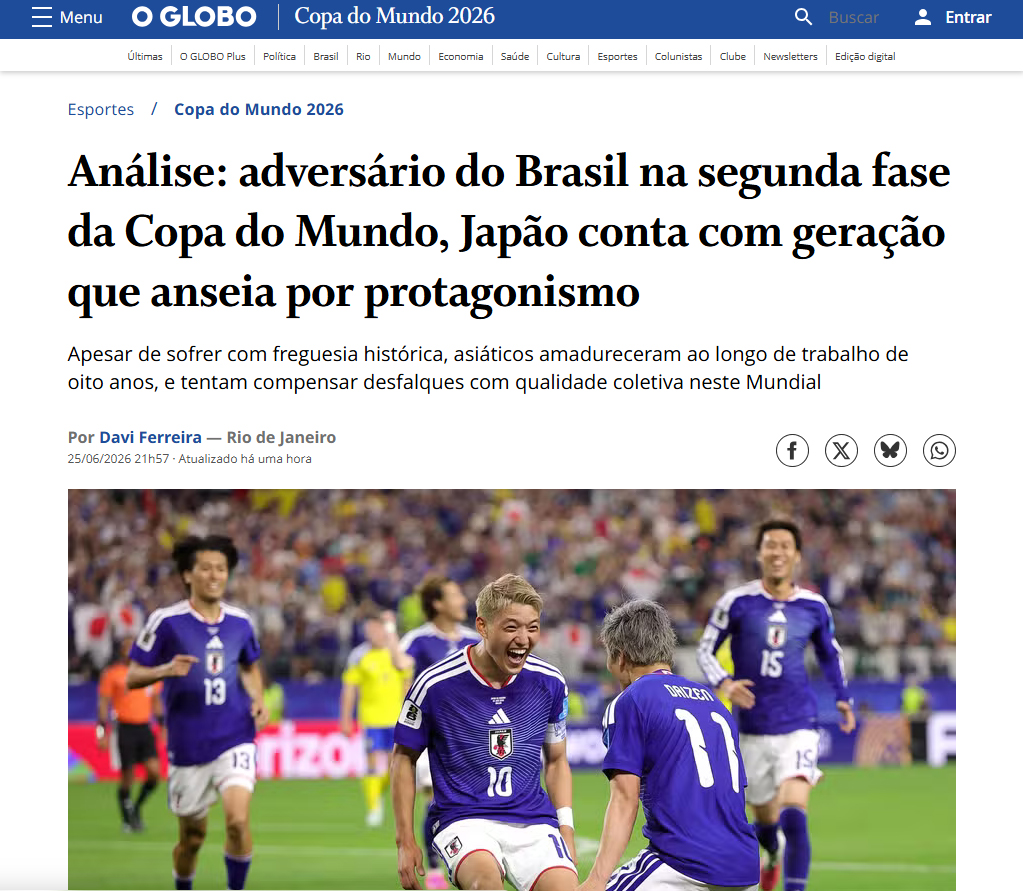
Japan's most notable playing style lies in their ability to press aggressively right from the opponent's half. The blue-shirted players often apply heavy pressure, win the ball quickly, and organize attacks at high speed. This is precisely what Brazil must be wary of, especially since the South American team has struggled against opponents who play intense pressing football.
Defensively, Japan often uses a three-center-back formation with two wing-backs playing crucial roles in balancing the system. The Netherlands had difficulty breaking through this defensive block in their 2-2 group stage draw. However, Japan's weakness lies in their ability to defend aerial balls, which Brazil could exploit.
What is admirable is that Japan maintains their strength despite missing several key players. Captain and midfielder Wataru Endo, forward Takumi Minamino, and winger Kaoru Mitoma are all absent due to fitness issues. Yet Moriyasu's squad still plays consistently, with Ayase Ueda emerging as a key figure after scoring a brace in a 4-0 victory over Tunisia.
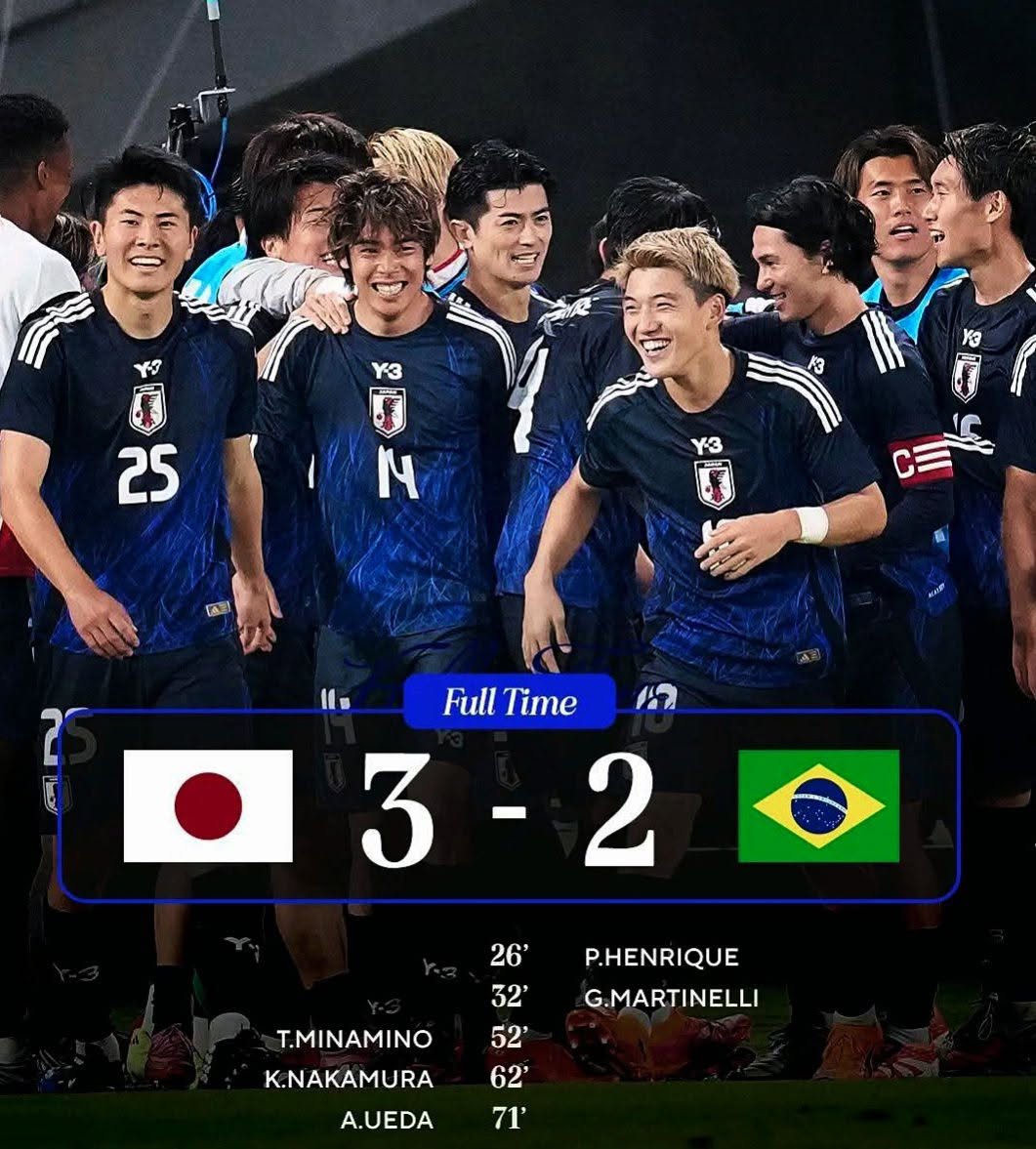
Japan's current form is also a reason for Brazil to be cautious. The "Blue Samurai" are on a 10-match unbeaten run, including 7 wins and 3 draws since their loss to the United States in September 2025. This streak includes notable victories over Brazil and England at Wembley Stadium.
At the 2026 World Cup, Japan continues to prove their capability by advancing through a tough group featuring the Netherlands, Sweden, and Tunisia. The 2-2 draw with the Netherlands and a solid performance against Sweden show that the Asian team is ready to take on the big names.
O Globo also recalls that Brazil has previously faced the risk of meeting Japan in recent World Cups. In 2018, Japan was eliminated by Belgium in the Round of 16, before Belgium went on to beat Brazil in the quarterfinals. In 2022, Japan topped a group containing Germany and Spain but lost to Croatia in the Round of 16, and Croatia subsequently eliminated Brazil.
With what they have shown, Japan is no longer seen as a "familiar prey" for Brazil. Against a generation of players reaching their peak, the Samba side must be especially vigilant if they do not want to become the next victim of Japan's football rise.


Wonderfulshortvideo
Leeds United demolish Newcastle at elland road


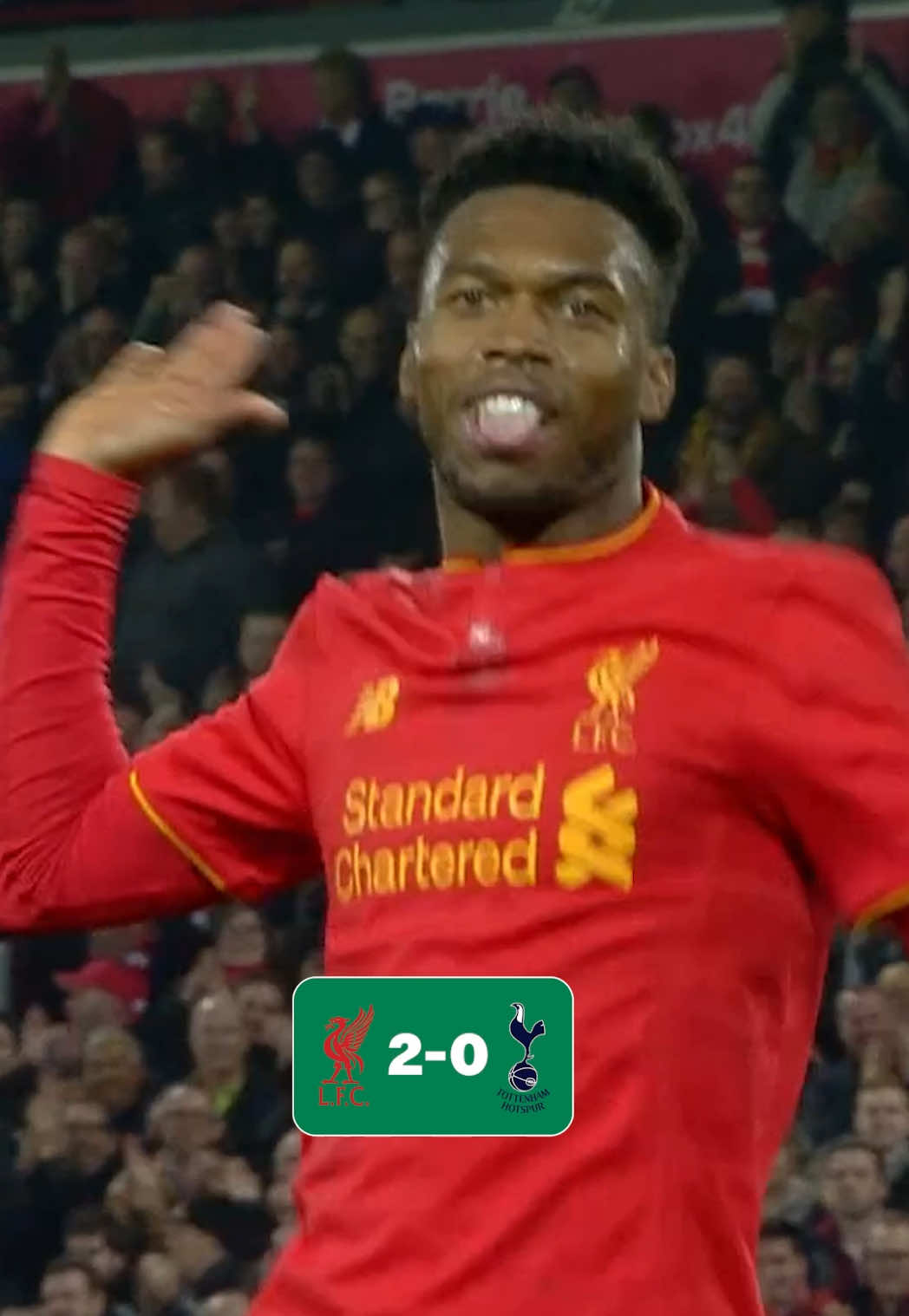
Throwback to this League Cup game between Liverpool and Spurs ⚽️⚽️
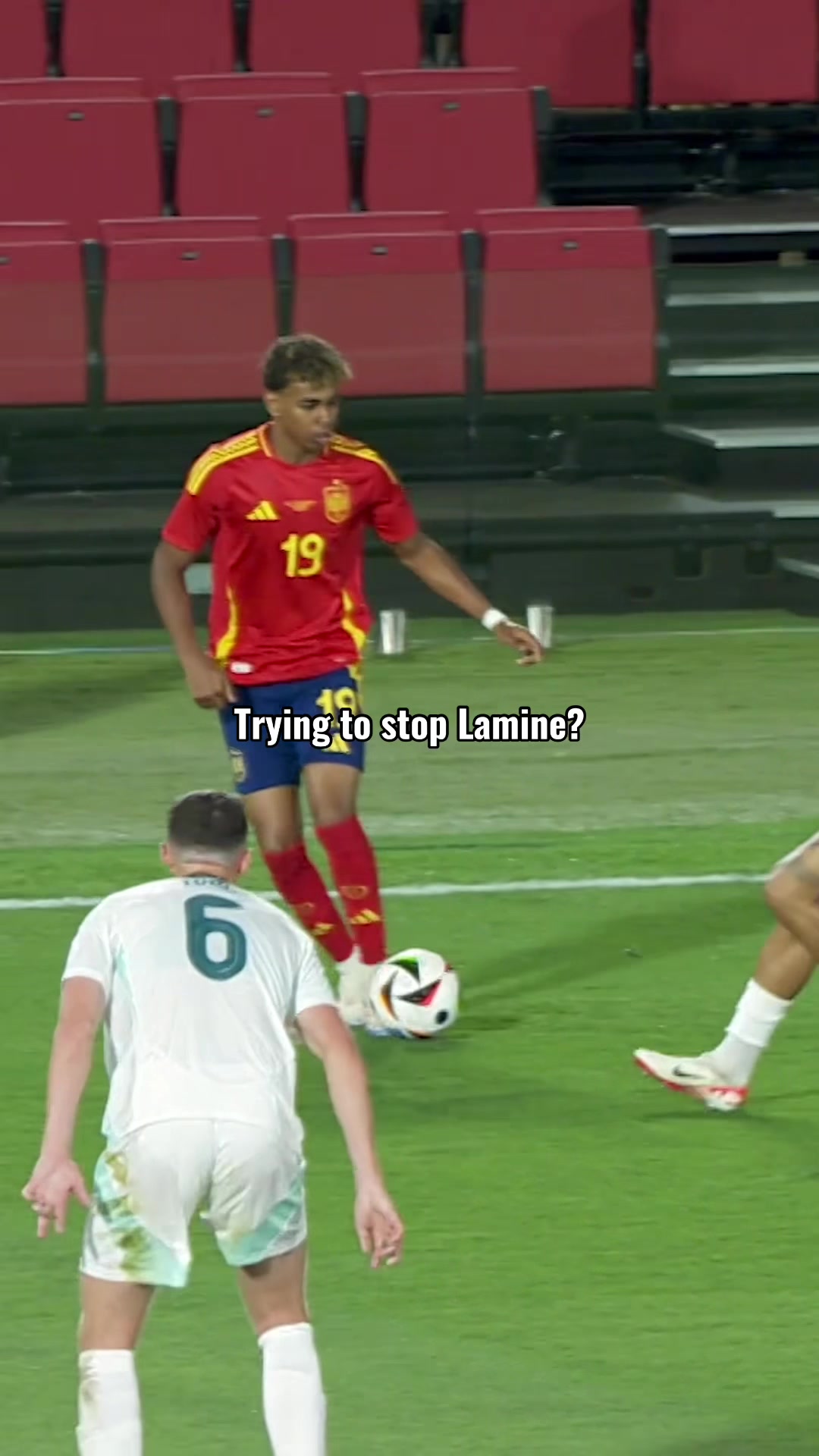
Lamine genius 🪄

raphinha assist today lamine yamal goal today brace today vs levante
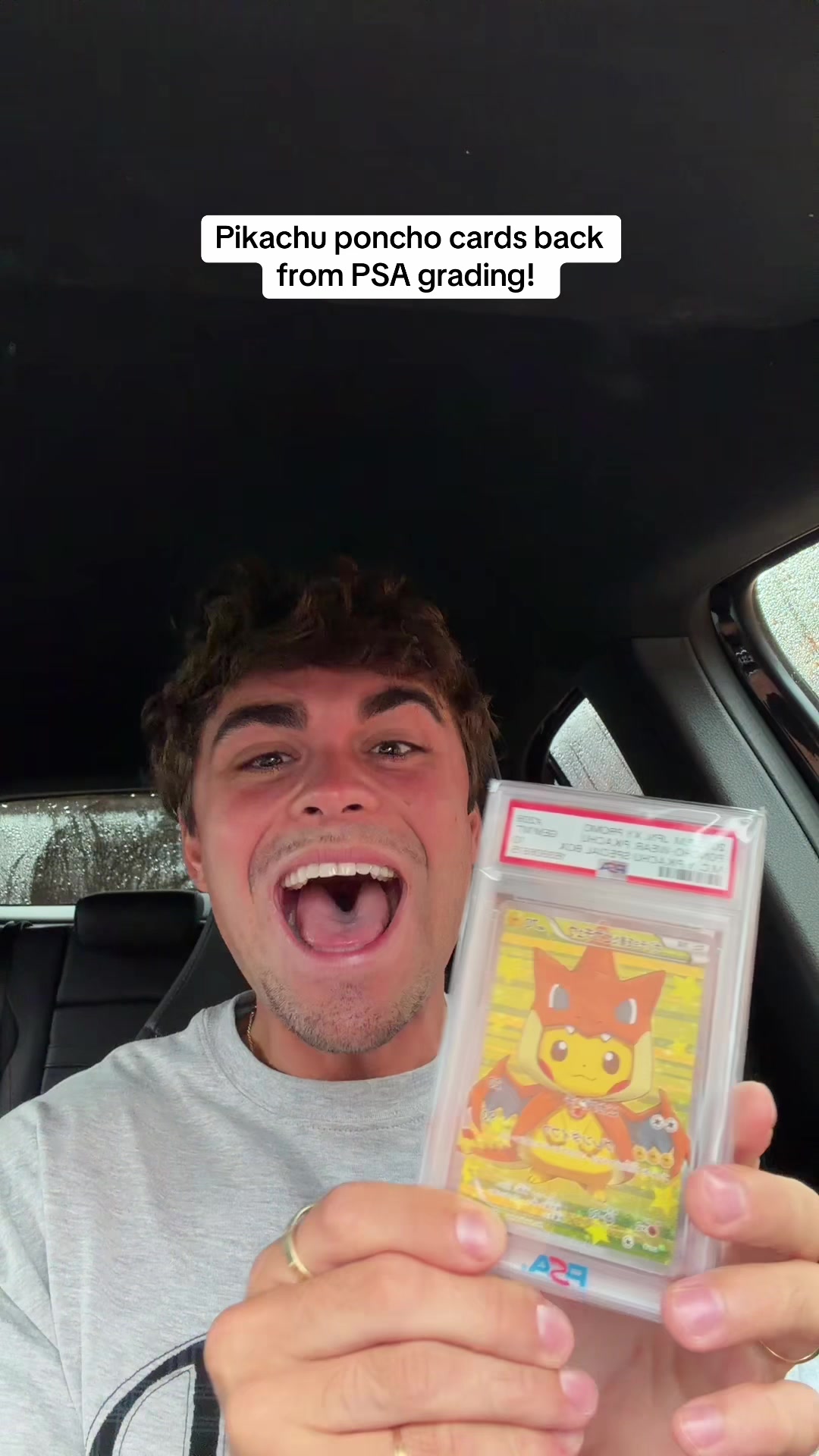
Follow for more pokemon content! So what do I do with them now?…

arda guler assist today guler vs rayo vallecano mbappe goal today jude bellingham goal today
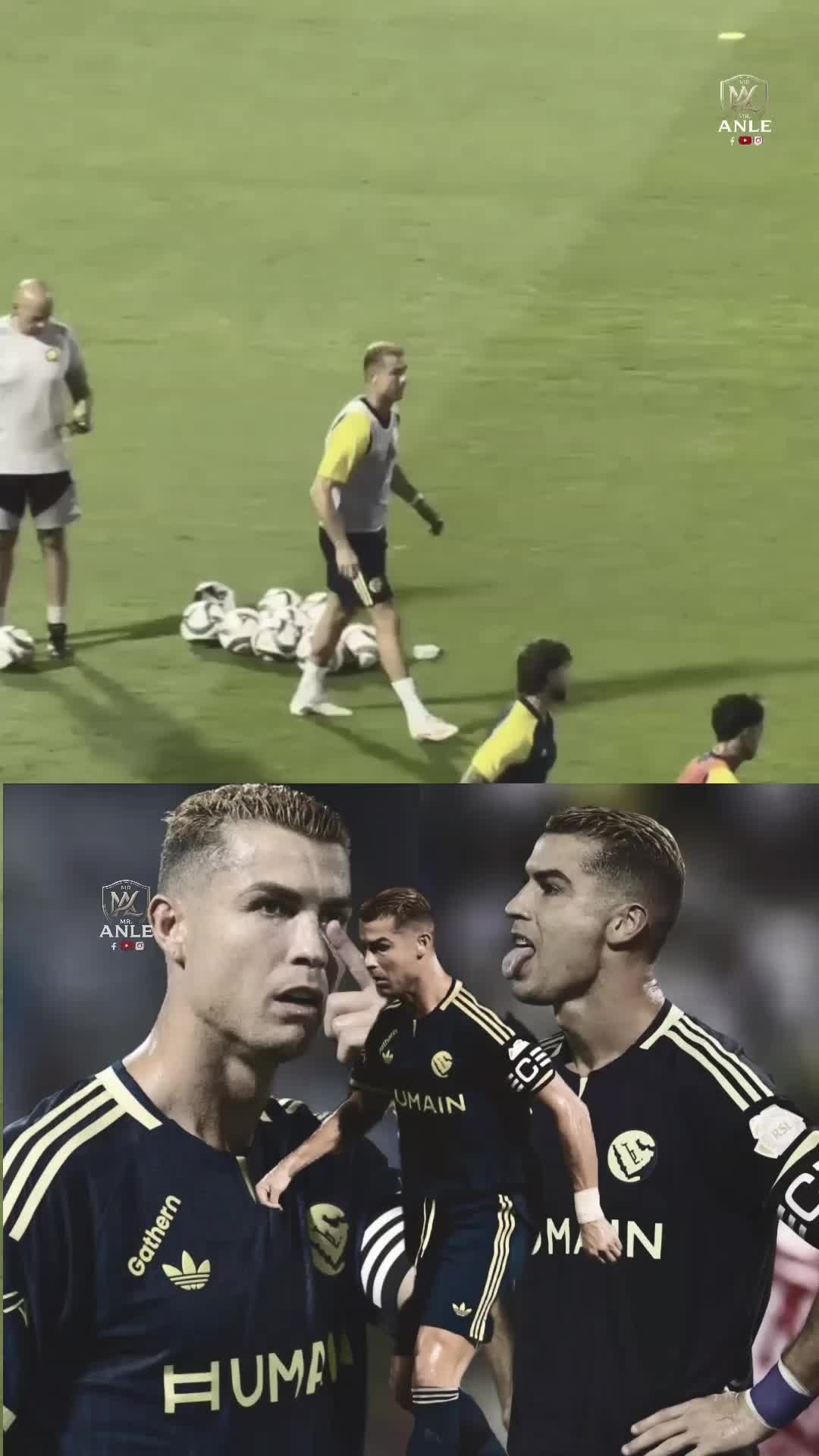
Cristiano Ronaldo and Al Nassr vs Al Khaleej
 Links
Links
 Contact
 App
App


