



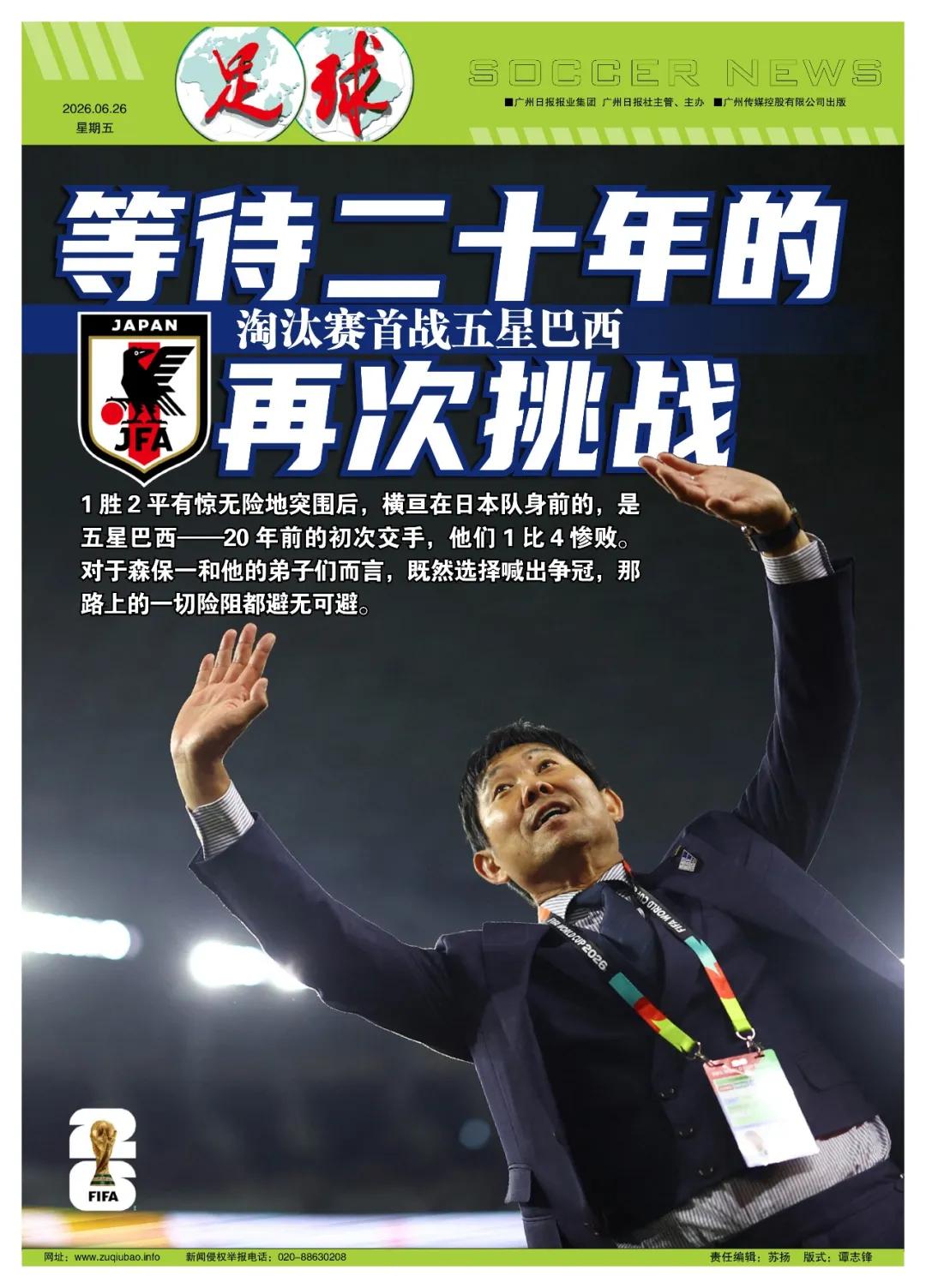
Japan meets Brazil after 20 years: the path to the highest scenery is the most difficult road.



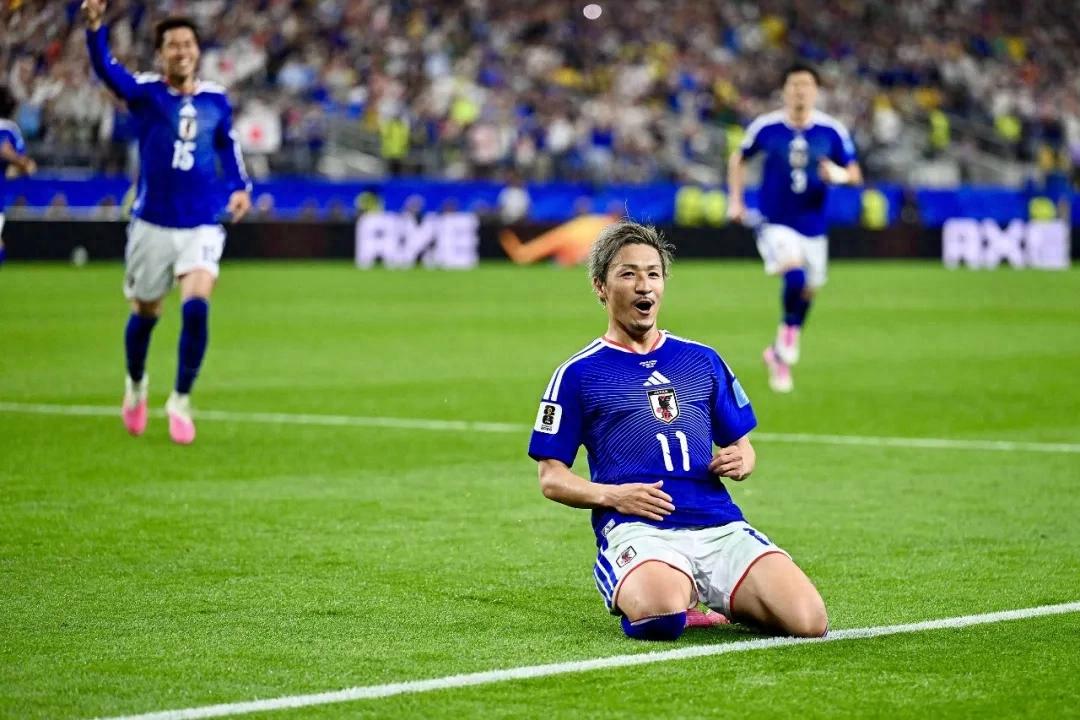
Special correspondent: Cai Zonglin No surprises, no excitement. In the final round of Group F, Japan and Sweden both held back, drawing 1-1 to advance together.
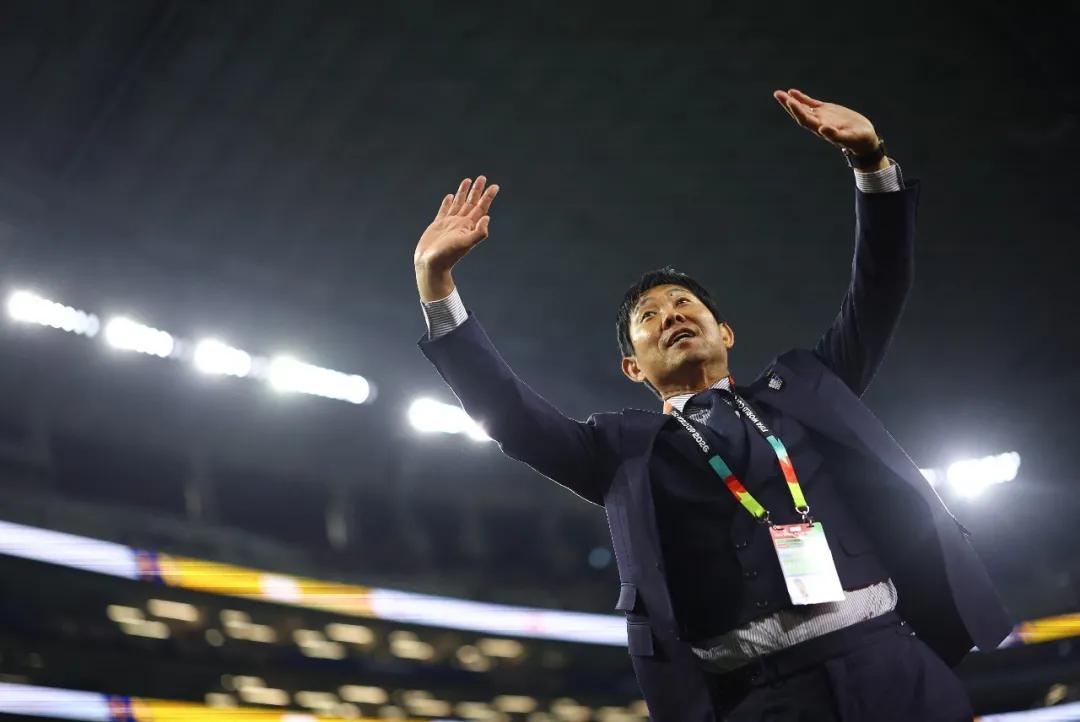
With 1 win and 2 draws, after a tense group stage exit, Brazil, the five-time world champions, now stands in Japan's way. "Our goal is to become the best team in the world. Advancing from the group stage again proves our growth. They (Brazil) are certainly the strongest opponent, and we respect them greatly, but anything can happen in the World Cup. We will be fully prepared," said coach Moriyasu.
Before the World Cup, Moriyasu declared that Japan would win the title, marking the first time Japan entered the tournament with a championship claim. After the expansion to 48 teams in 2026, five knockout matches are needed to lift the trophy. Even just to reach the quarterfinals, which would be Japan's best-ever result, they must overcome two major hurdles. Legends like Uchida and Honda both deemed it extremely difficult, as Japan has never played a fifth match in a World Cup.
Having chosen to aim for the championship, all obstacles on the road must be faced head-on. Moriyasu believes they are ready: "Always aiming to win and making the fullest preparations — that is the basic principle. The things we need to do are always the same, aren't they?"

Before the final round, the Group F qualification situation was clear. The Netherlands and Japan, with 4 points each from the first two games, held the initiative — a draw would secure their spots. Sweden, with 3 points, was close behind, while Tunisia, clearly outmatched, had already been eliminated. Since Group C had finished a day earlier, the opponents for the top two of Group F were already determined: the group winner would face Morocco, and the runner-up would face Brazil.
For Moriyasu's Japan, this presented a dilemma. They knew that Tunisia could not stop the Dutch, so to finish first and avoid Brazil, they would need to fight Sweden hard and secure a larger goal difference. However, with a tight schedule of matches every three days, the stamina of key players would be compromised. If they rotated the squad against Sweden, who had two Premier League strikers, the starters could rest, but then finishing third in the group would also mean facing a world-class opponent.
Regarding the lineup for the final group match, Japanese media with front-line reporters were sharply divided. Soccer King and Goal.com Japan predicted that Moriyasu would field his strongest XI, as he said in the pre-match press conference: "We will never calculate for a draw. From the first minute, Japan's goal is to take all three points." Meanwhile, Soccer Digest and Qoly believed the team would make nine changes, giving key players like Kamada and Ueda a rest.
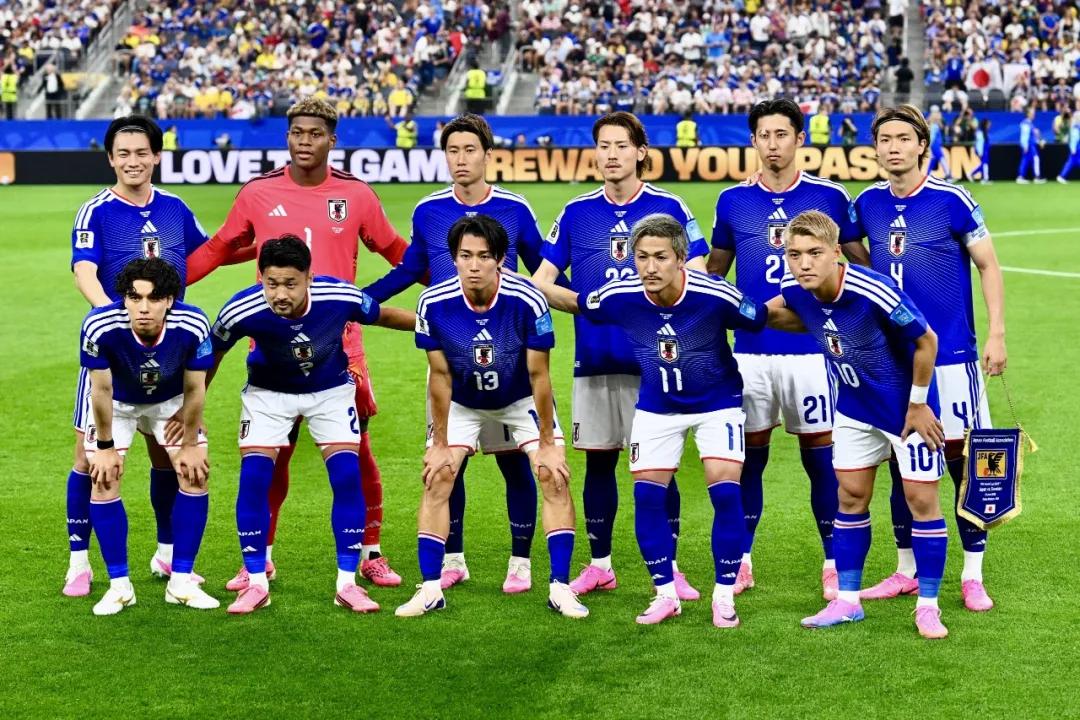
When the starting lineup was announced, Moriyasu chose a middle path — aiming to advance while also resting some players. Compared to the match against Tunisia, Moriyasu made only three changes. Key players like defensive midfielder Sano, wingback Ito, and center-back Tomiyasu were rested, while newcomers like Sekiguchi, Sugawara, and Maeda started.
In the first half, Japan, retaining midfield core Kamada and Tanaka, continued with delicate ground passing to counter the physical impact of the Nordic giants. At the 56th minute, Japan produced a fine combination in the front line: Doan and Ueda exchanged passes to break through the defense down the middle, and Maeda made a run to receive Doan's through ball and scored. A few minutes later, Anthony Elanga received the ball on the right flank, cut inside, and fired a powerful left-footed shot from outside the box to equalize.
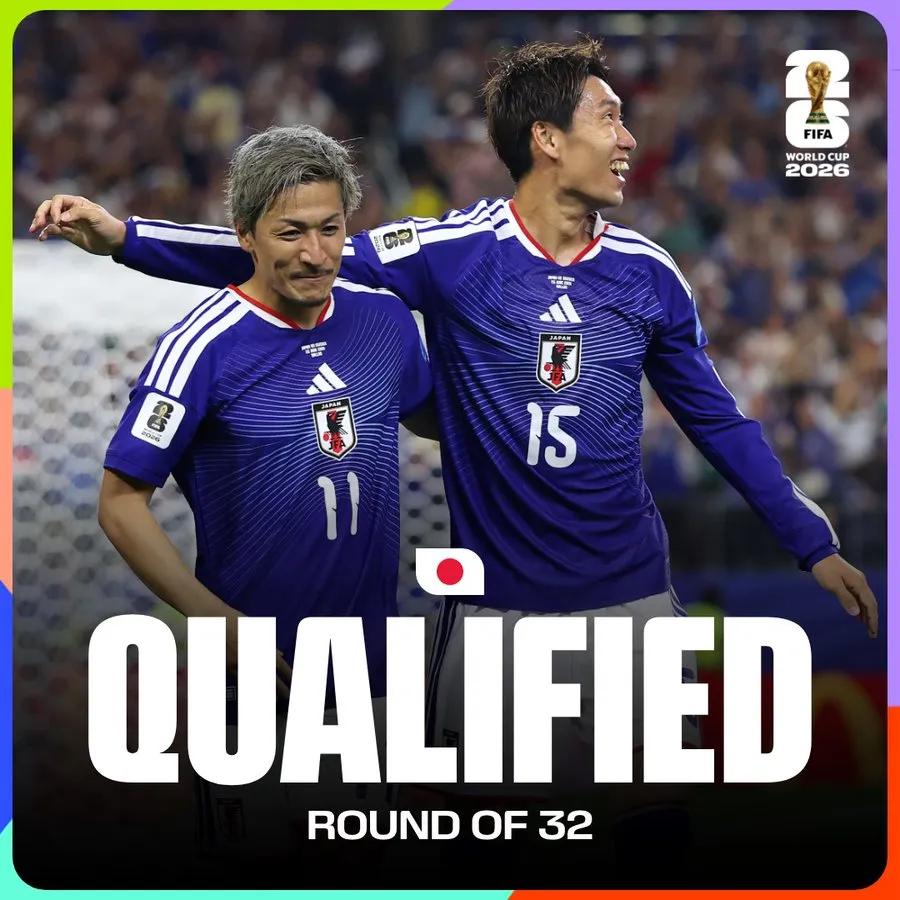
After both sides traded blows and realized they could not defeat each other without full effort, they decided to withdraw and prepare for their respective upcoming matches. Thus, Japan advanced to the knockout stage as the group runner-up, becoming the only Asian team to reach the knockout stage in three consecutive World Cups.

Japan and Brazil, located on opposite sides of the globe, share many connections. From the Meiji Restoration to around World War I, many Japanese traveled to South America seeking a living, and São Paulo now has the largest Japanese diaspora community overseas. In football, Brazilians of Japanese descent, such as Yoshimura and Yonashiro, became pioneers of Japanese football after World War II, bringing pure Brazilian ball control and dribbling techniques to the still-amateur Japanese league.
As the spiritual totem of Japanese football, the "Samba Army" was once the only holy grail for Japanese youngsters. In 1982, at just 15 years old, Kazuyoshi Miura flew alone to Brazil to learn the purest football. He endured hardships in São Paulo's youth academy but eventually earned professional contracts with Brazilian giants like Santos through perseverance, before returning to Japan to become one of the monuments of Japanese football's professionalization.
Of course, the Brazilian with the greatest impact on Japanese football is undoubtedly Zico. In 1991, Zico joined Sumitomo Metals, then an amateur club, which later became Kashima Antlers, at the tail end of his career. He not only brought exquisite skills but also a near-strict winning culture and professional attitude. To this day, the "Zico Spirit" (dedication, respect, honesty) is engraved at the entrance of Kashima Antlers' clubhouse, and he remains a technical advisor for the club. After the 2002 World Cup, Zico naturally took over as head coach of the Japanese national team, leading them to win the 2004 Asian Cup and compete in the 2006 World Cup in Germany.
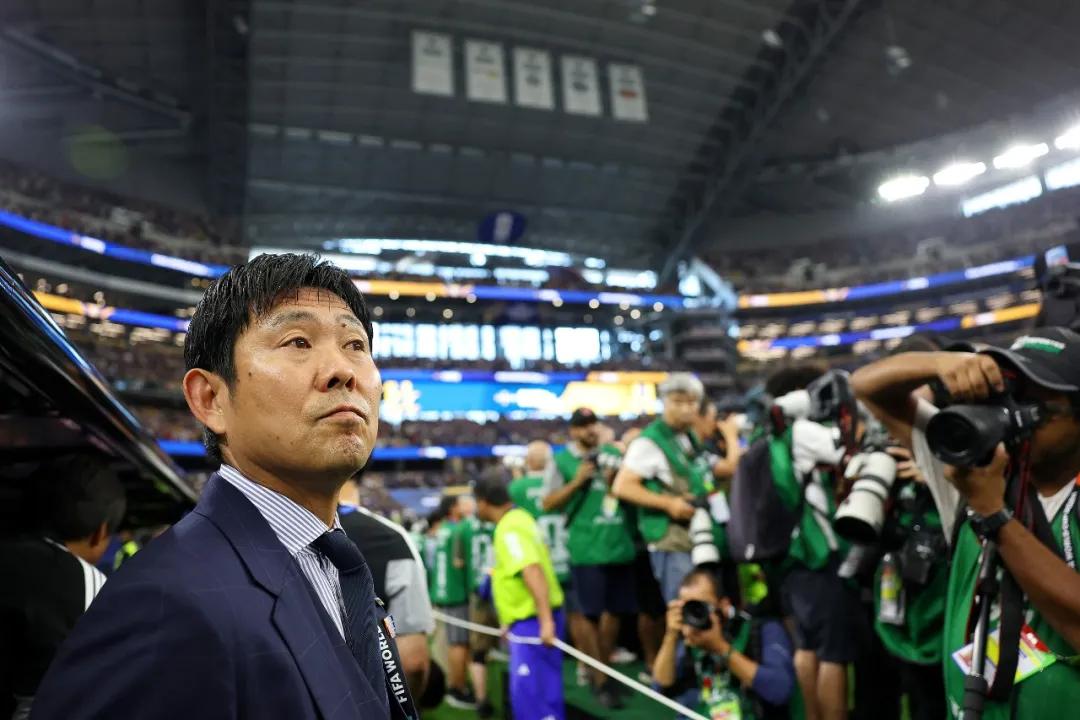
It is safe to say that the emphasis on technical footwork in Japanese football is inherited from Brazil. Japan has never stopped learning from this master. Japan has played Brazil 14 times previously, with a record of 1 win, 2 draws, and 11 losses. The Samba Army is Japan's most frequently faced opponent outside of AFC teams.
The last time the two teams met in the World Cup was twenty years ago in Germany. Facing the five-time champion Brazil with stars like Ronaldo, Ronaldinho, Kaká, and Adriano, Japan, even with Hidetoshi Nakata and Shunsuke Nakamura, was completely outclassed, losing 4-1. Japan's only victory against Brazil came in their most recent encounter, a friendly in October last year at Ajinomoto Stadium in Tokyo, where Japan came from behind to win 3-2 thanks to goals from Minamino, Nakamura, and Ueda.
But how can a friendly compare to the World Cup? Meeting again in the World Cup after twenty years, and in a knockout match where it's win-or-go-home, the Samba Army still holds the upper hand on paper. Honda, commenting on NHK's broadcast, said: "Well, our opponent is Brazil. Since we have no choice, we have to accept it. For me, this is too harsh, but we have no other option but to find a way to win this match." Facing a Brazil side that may lack the star power of the past, can Moriyasu create a miracle?


Wonderfulshortvideo
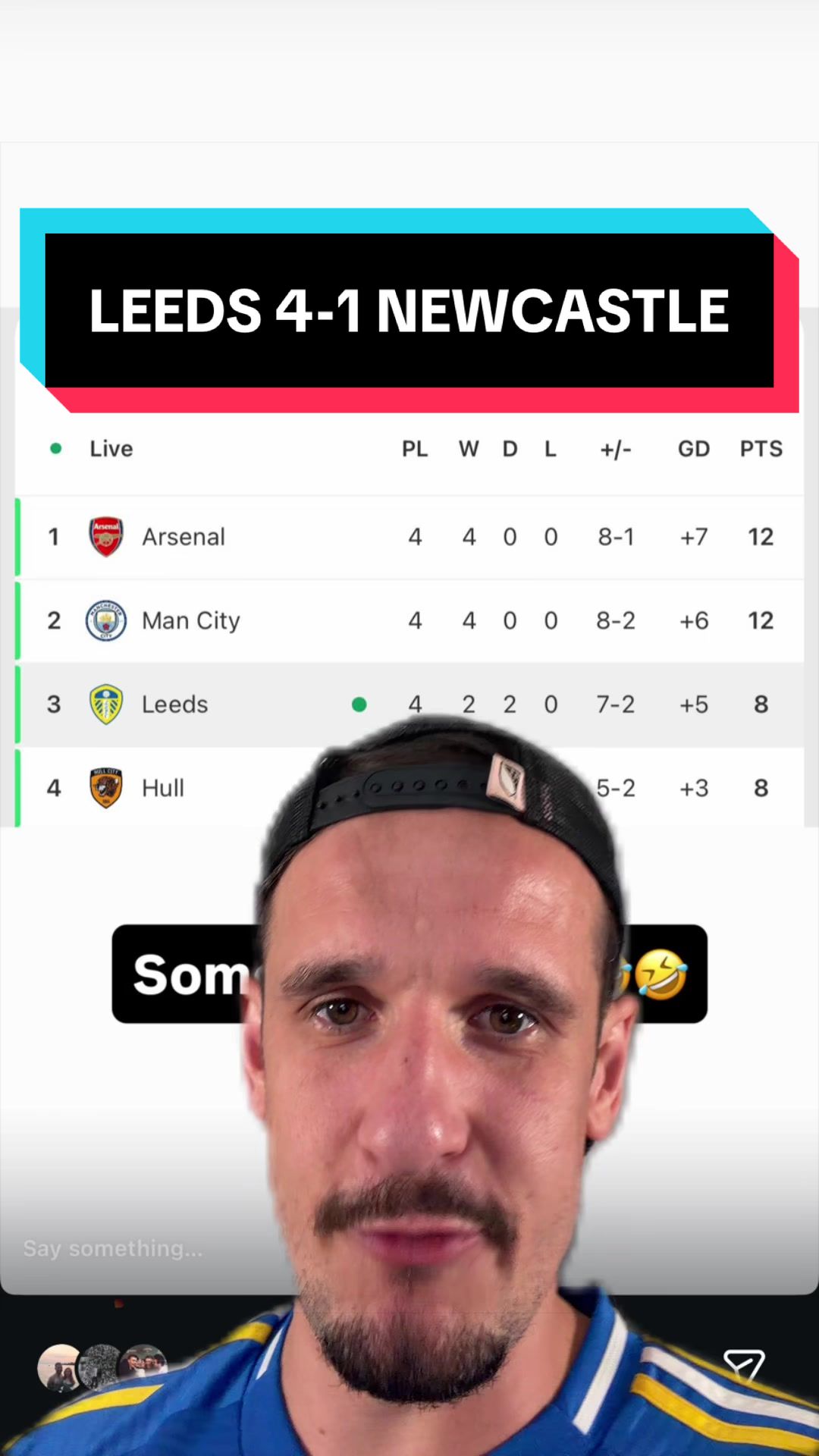
Leeds United demolish Newcastle at elland road


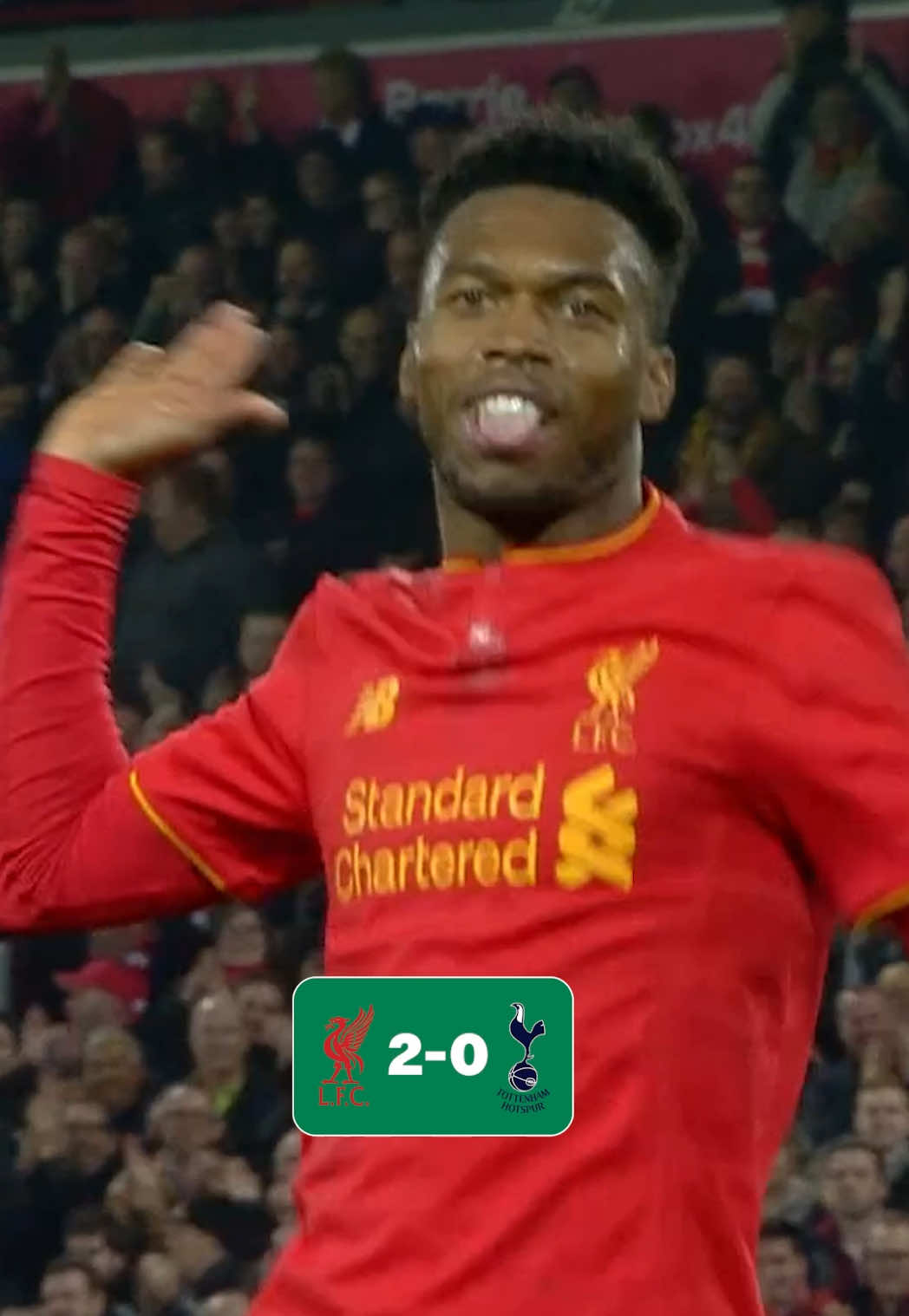
Throwback to this League Cup game between Liverpool and Spurs ⚽️⚽️
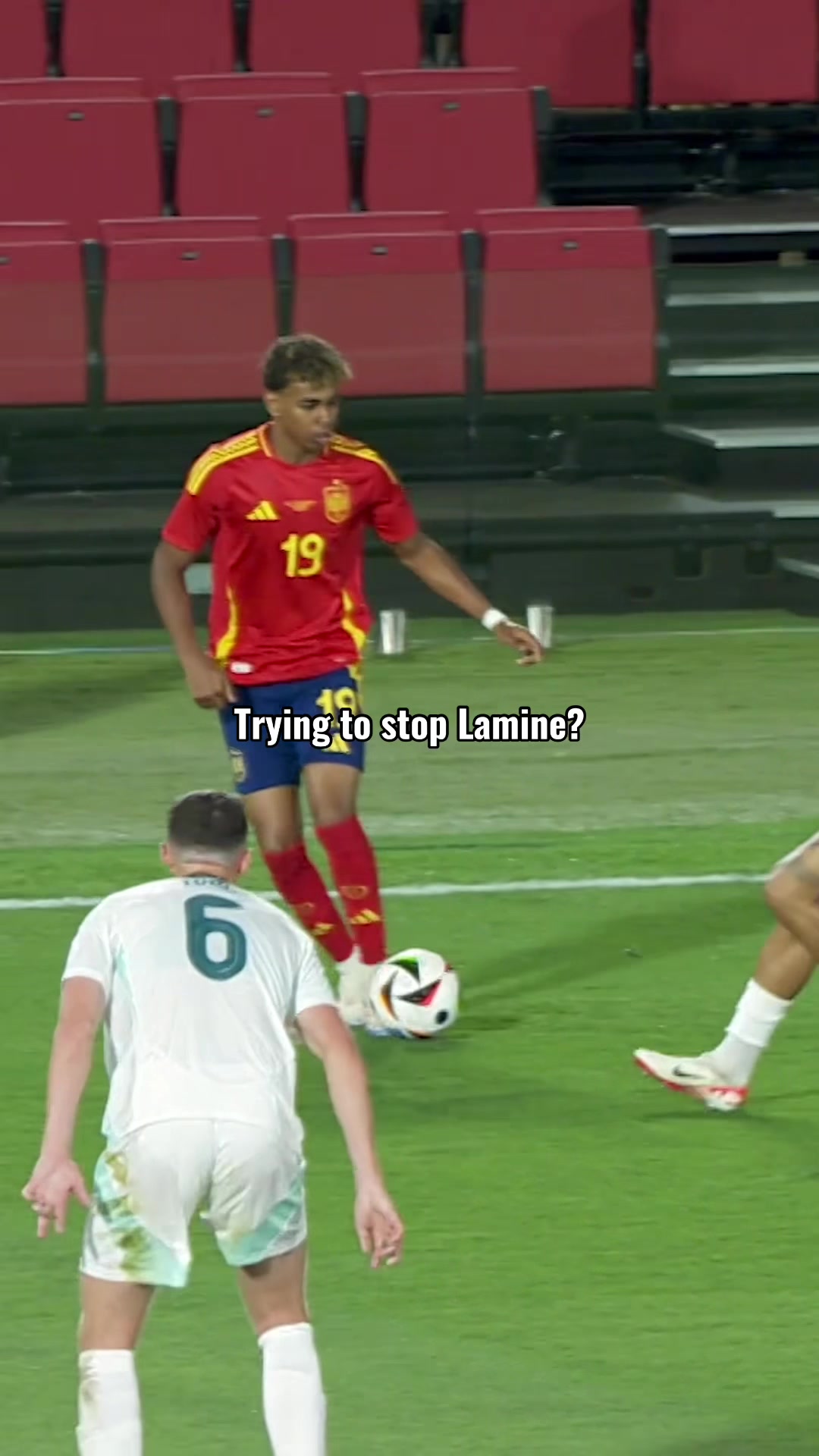
Lamine genius 🪄

raphinha assist today lamine yamal goal today brace today vs levante
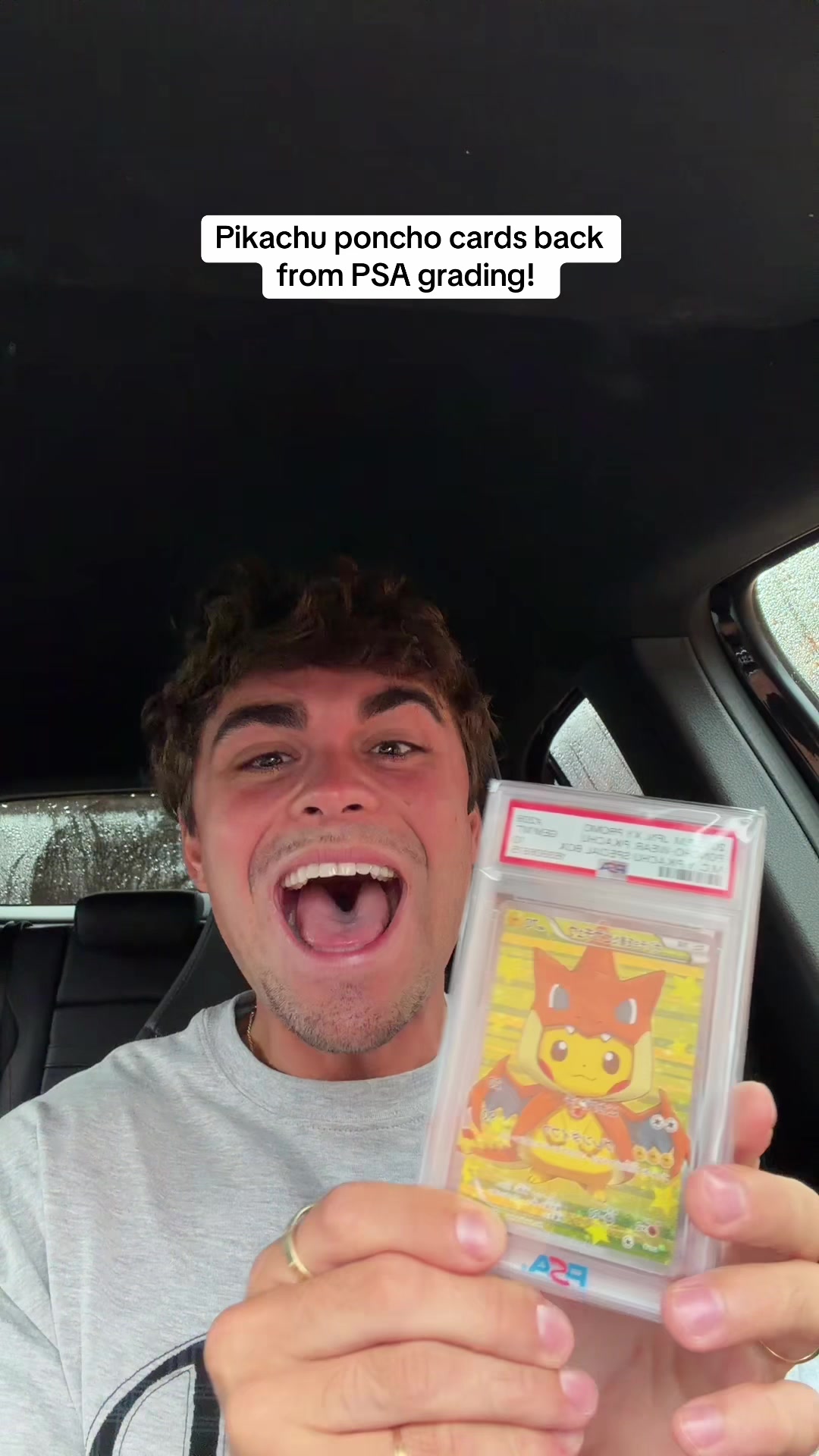
Follow for more pokemon content! So what do I do with them now?…

arda guler assist today guler vs rayo vallecano mbappe goal today jude bellingham goal today
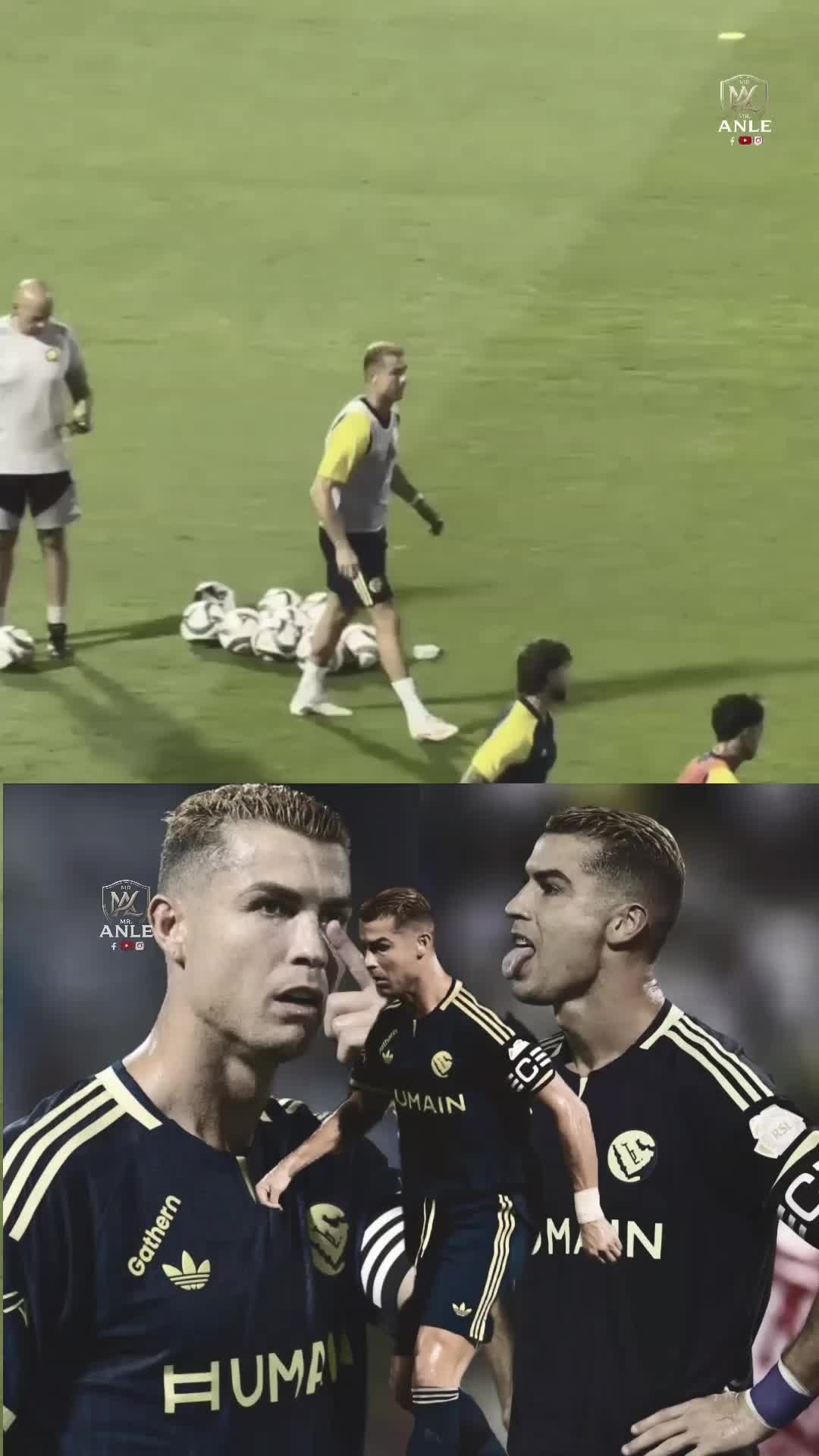
Cristiano Ronaldo and Al Nassr vs Al Khaleej
 Links
Links
 Contact
 App
App


