



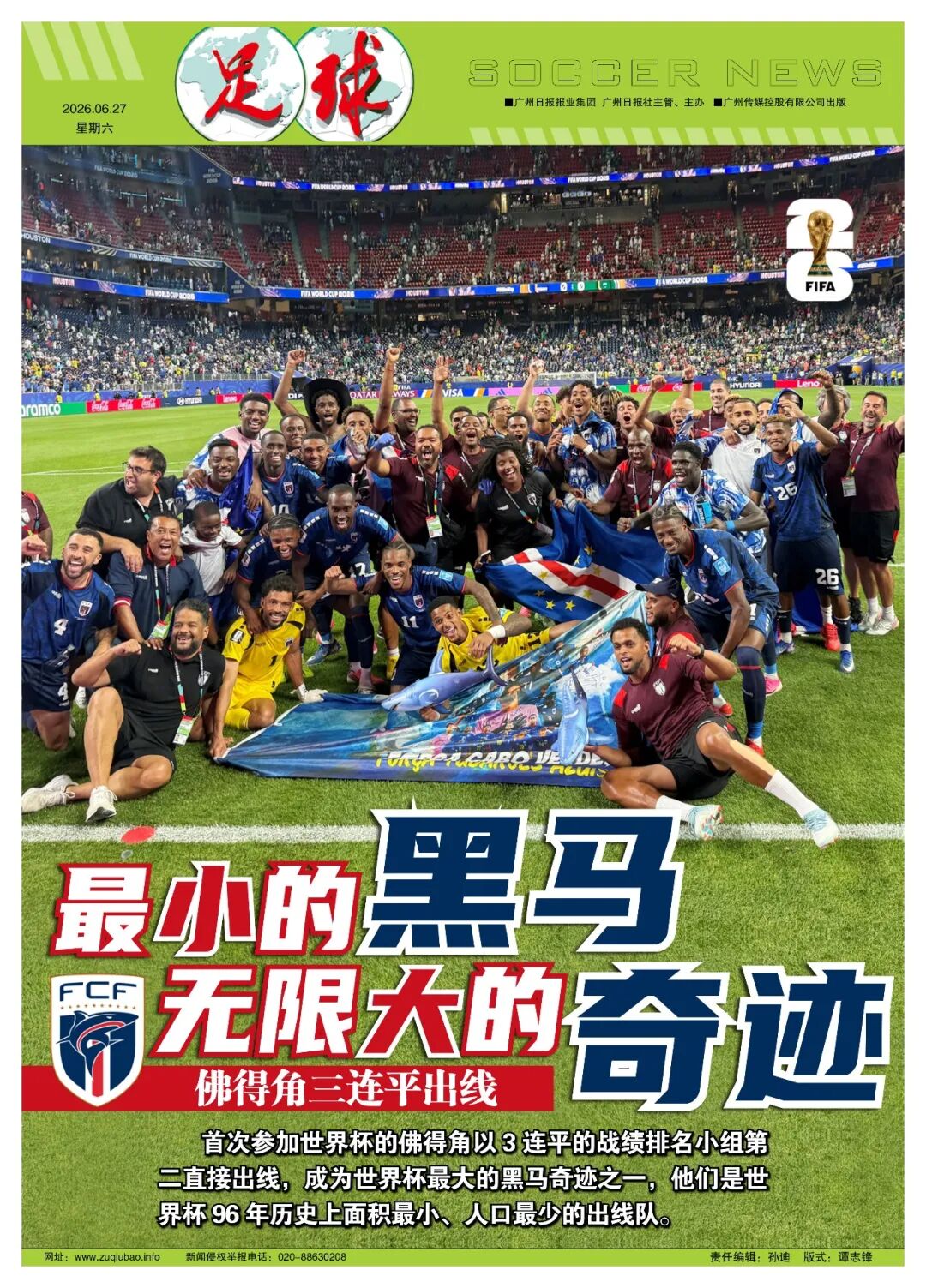
Cape Verde advanced with three draws: the "smallest" dark horse, an infinite miracle



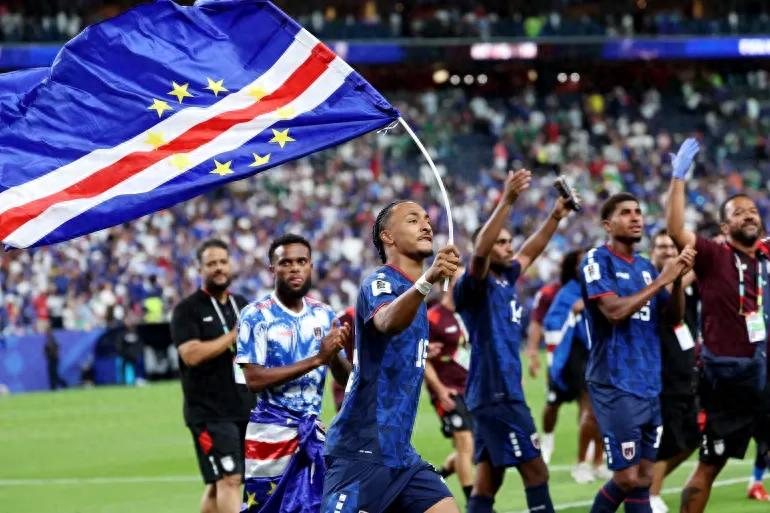
Written by Han Bing At the 1982 World Cup in Spain, Italy, spearheaded by Paolo Rossi, secured three straight draws in the group stage, qualified as runners-up, and went on to win the trophy; similarly, Portugal at Euro 2016 drew all three group matches, advanced as the third-place team, and captured the European title. But Cape Verde, a small island nation making its World Cup debut in 2026, matched that feat by drawing all three group games, finishing second in the group to advance directly, becoming one of the tournament's biggest Cinderella stories.
Unlike traditional powerhouses like Italy and Portugal, or other teams that advanced without winning, Cape Verde is the second-smallest country by area and the third-least populous to ever play in a World Cup. More importantly, they are the smallest both in area and population among all teams that have progressed from the group stage in the tournament's 96-year history. They are also the third-lowest-ranked team (67th) to advance since FIFA's world ranking system began in 1992, following Nigeria (74th) in 1998 and Ghana (73rd) in this same World Cup.
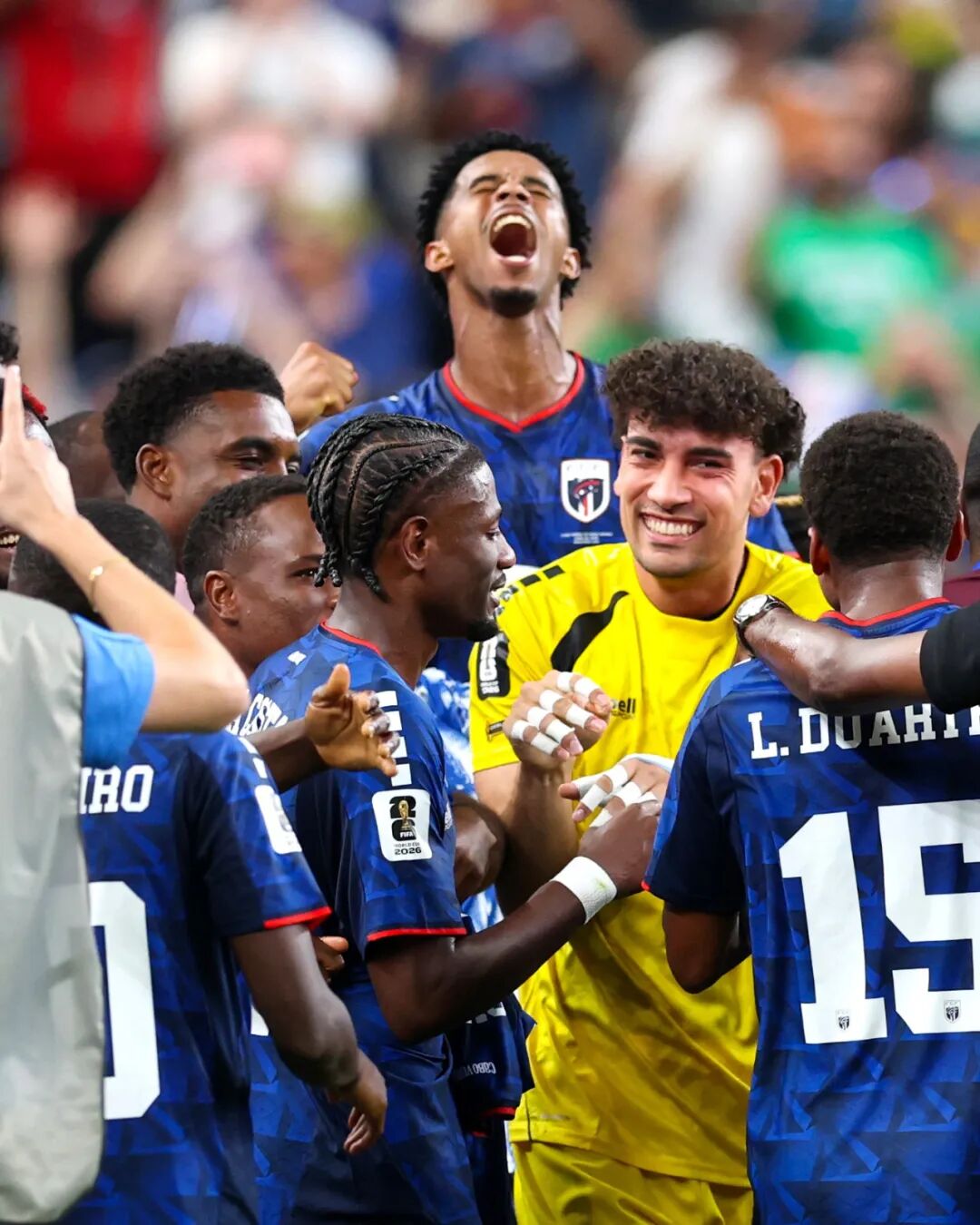
In 2013, Cape Verde—outpacing South Africa and Morocco—reached the knockout stage of the Africa Cup of Nations in its debut appearance. Thirteen years later, the island nation replicated that "debut qualification" magic on an even bigger stage: the World Cup. This might be the true significance of the expanded tournament: Cape Verde showed the world a football miracle previously unseen. A small Atlantic island nation with only half a million people managed to finish ahead of former world champions Uruguay in the group stage.
Cape Verde is the sixth team since the 1982 World Cup to advance from the group stage without winning a match—the previous five being Italy (1982), Bulgaria and Uruguay (1986), Ireland and the Netherlands (1990), and Chile (1998). They are also the third team to advance directly as group runners-up with three draws, after Ireland (1990) and Chile (1998). Furthermore, Cape Verde is the third team in World Cup history to draw all three of its first three matches, following Wales in 1958 and Cameroon in 1982.
Notably, in 1958, both Wales and England had three draws in the group stage, tying on points with Hungary and the Soviet Union respectively. However, Wales won a playoff 2-1 against Hungary to advance, while England lost to the Soviet Union and failed to qualify. At the 1982 World Cup, Cameroon also drew all three group matches, just like Italy, but were eliminated in third place due to an inferior goal difference.

Cape Verde's advancement with three draws and three points, directly as group runners-up, was partly due to luck and partly thanks to the format allowing the top eight third-place teams to advance, which lowered the threshold for qualification. Among the six winless teams that have advanced in World Cup history, five benefited from either a 24- or 48-team format. After the 1998 expansion to 32 teams, only Chile in 1998 managed the feat of three draws and a second-place finish in a 32-team group stage (56 groups over seven editions). New Zealand in 2010 also drew all three matches but finished third and were eliminated.
Looking across major continental tournaments, many teams have advanced without winning. At the European Championship, Portugal did so in 2016, while Denmark and Slovenia did in 2024—Denmark even progressed as group runners-up. In the Copa America, Mexico (1993) and Paraguay (2011 and 2019) advanced as third-place teams without a win; Mexico in 1993 and Paraguay in 2011 even reached the final. The most remarkable example remains Portugal in 2016, who drew all three group matches, advanced as a third-place team, and ultimately won the European title.
As early as the 2013 Africa Cup of Nations, Cape Verde became the smallest nation by area and population ever to progress from the group stage in that tournament's history—also finishing second in their group. At that time, they won at least one match; this time, they advanced with three draws and a bit of luck. The hero of their draw against Saudi Arabia was 40-year-old goalkeeper Vozinha, who made three crucial saves. When the starting lineups were announced before the match, Vozinha—who has over 16 million followers on social media—received the loudest cheers at Houston's stadium. Having been unemployed before the tournament, his role in creating this Cinderella story has already attracted contract offers from clubs in Brazil and other countries, marking a personal turnaround.
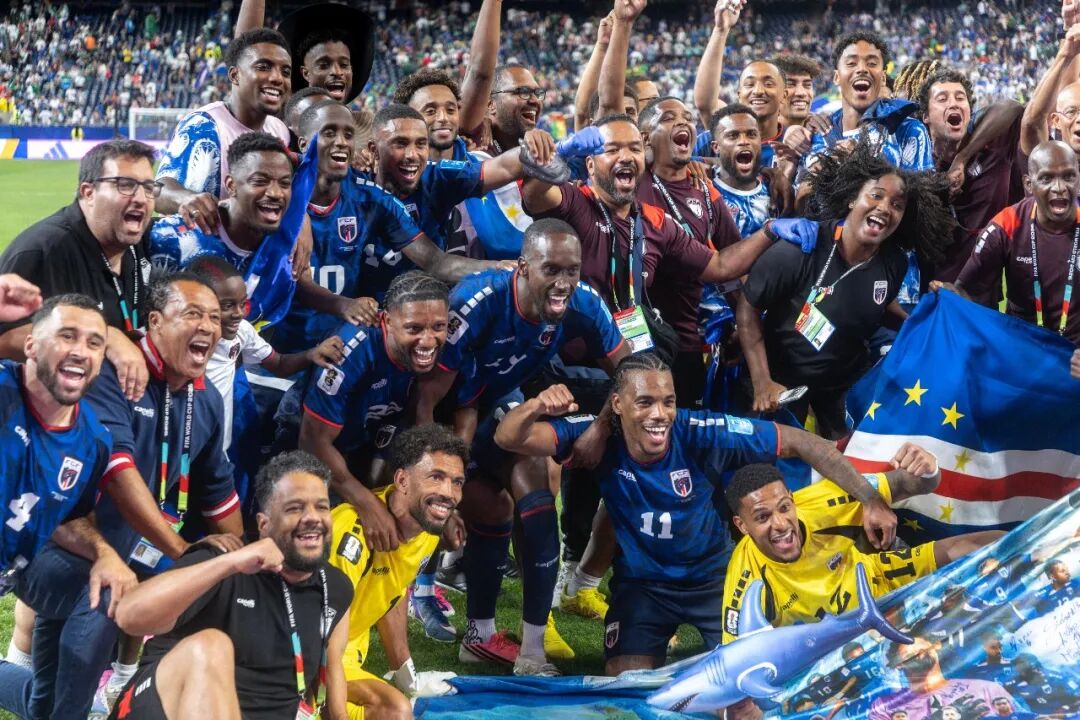
After the final whistle of their own match, Cape Verde's entire team gathered around their coach, nervously watching the live broadcast of Spain vs. Uruguay. When the final whistle blew, the whole country erupted in celebration. Head coach Bubista emphasized that Cape Verde's mission goes beyond results—they aim to showcase the nation's culture, music, history, and national pride. Before each match, he presents a gift representing Cape Verdean culture to the opposing coach. Now, the team's nickname, the "Blue Sharks," has become widely recognized. This small African island nation has gained true global exposure through the successive miracles performed at the World Cup.
After advancing, Cape Verde's Round of 16 opponent is defending champion Argentina. Perhaps the Cinderella story ends here, but for this Atlantic island nation of ten islands, the joy of the World Cup is already more than enough. Spanish legend Juan Mata noted that Cape Verde delivered three excellent performances, with incredible pressing and defense. In Cape Verde's match against Spain, the average number of passes allowed per defensive action was 51.2 for Cape Verde, compared to just 5.9 for Spain. Advanced pressing tactics can help smaller nations close the gap and play their own style. The "biggest stage" aura of the World Cup can inspire players to reach levels they may never have realized they had.


Wonderfulshortvideo

Leeds United demolish Newcastle at elland road


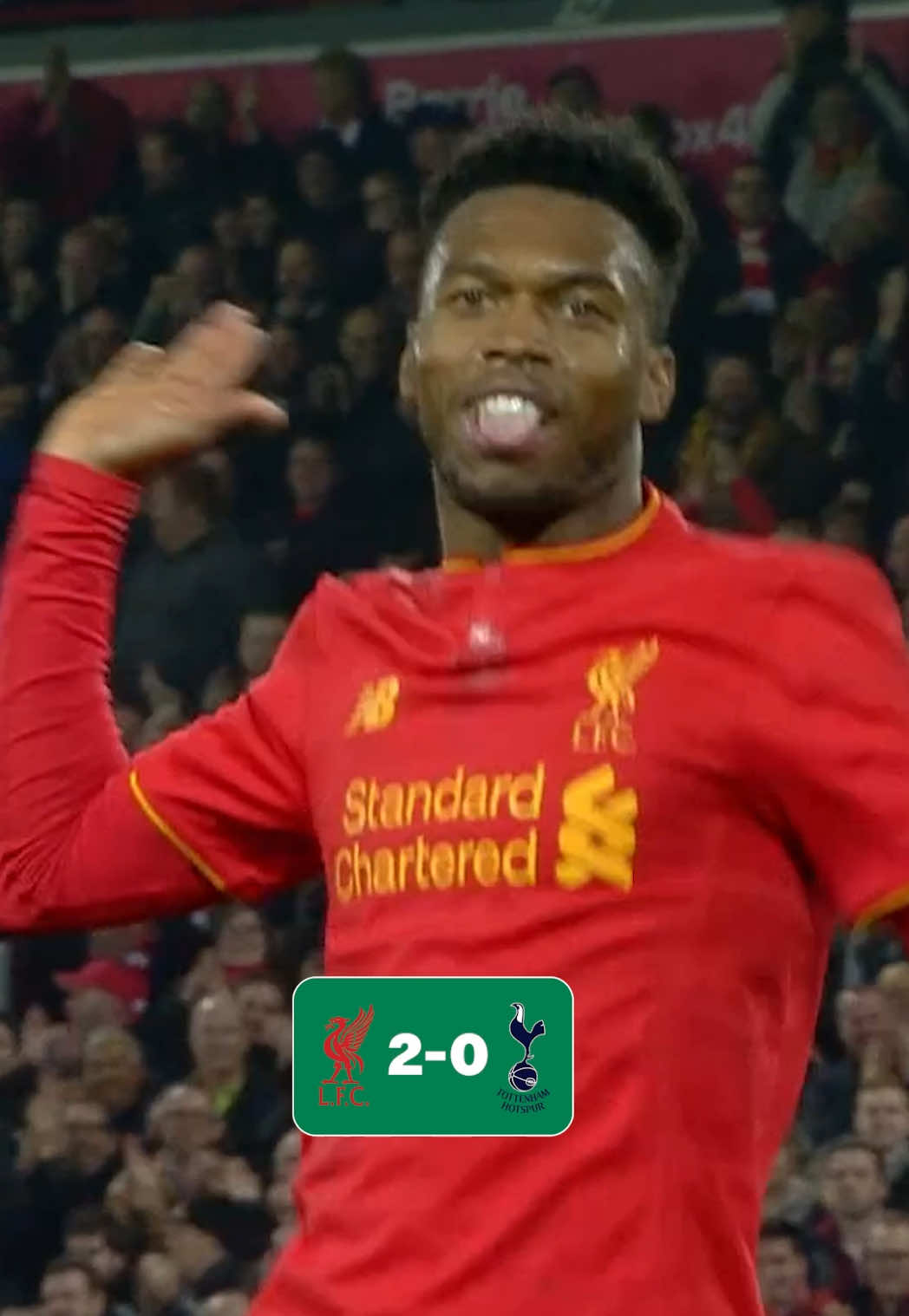
Throwback to this League Cup game between Liverpool and Spurs ⚽️⚽️
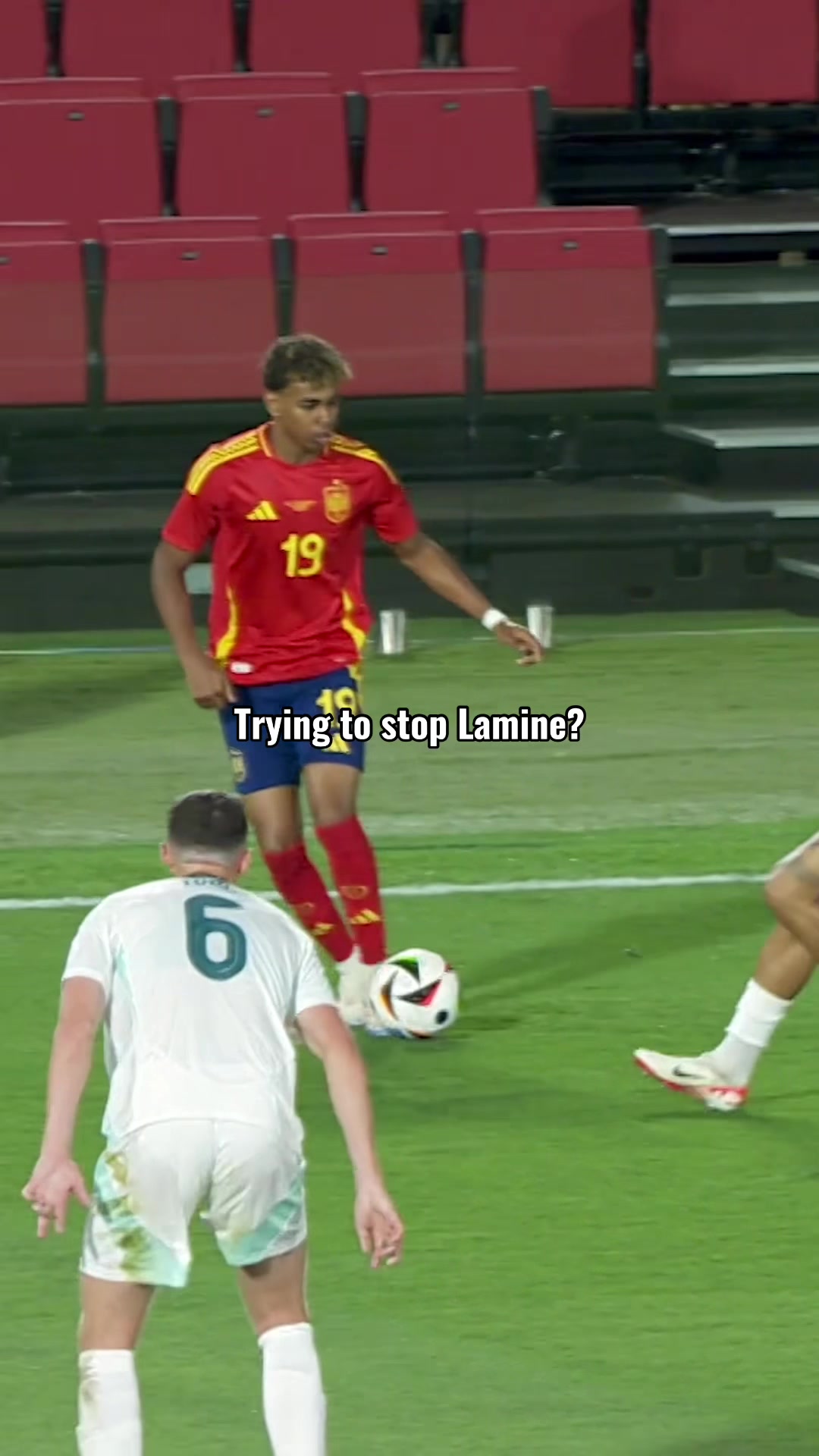
Lamine genius 🪄

raphinha assist today lamine yamal goal today brace today vs levante
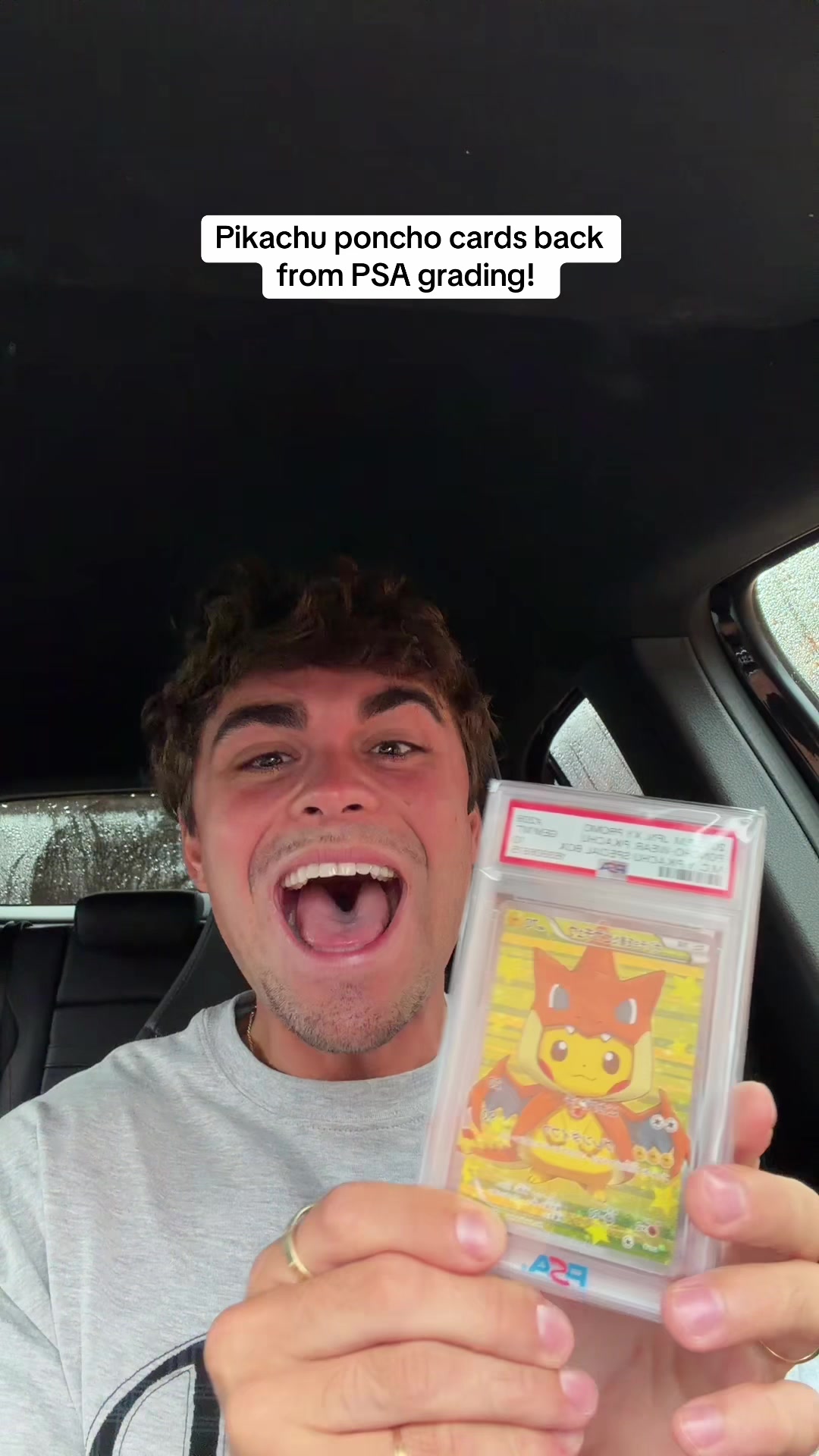
Follow for more pokemon content! So what do I do with them now?…

arda guler assist today guler vs rayo vallecano mbappe goal today jude bellingham goal today
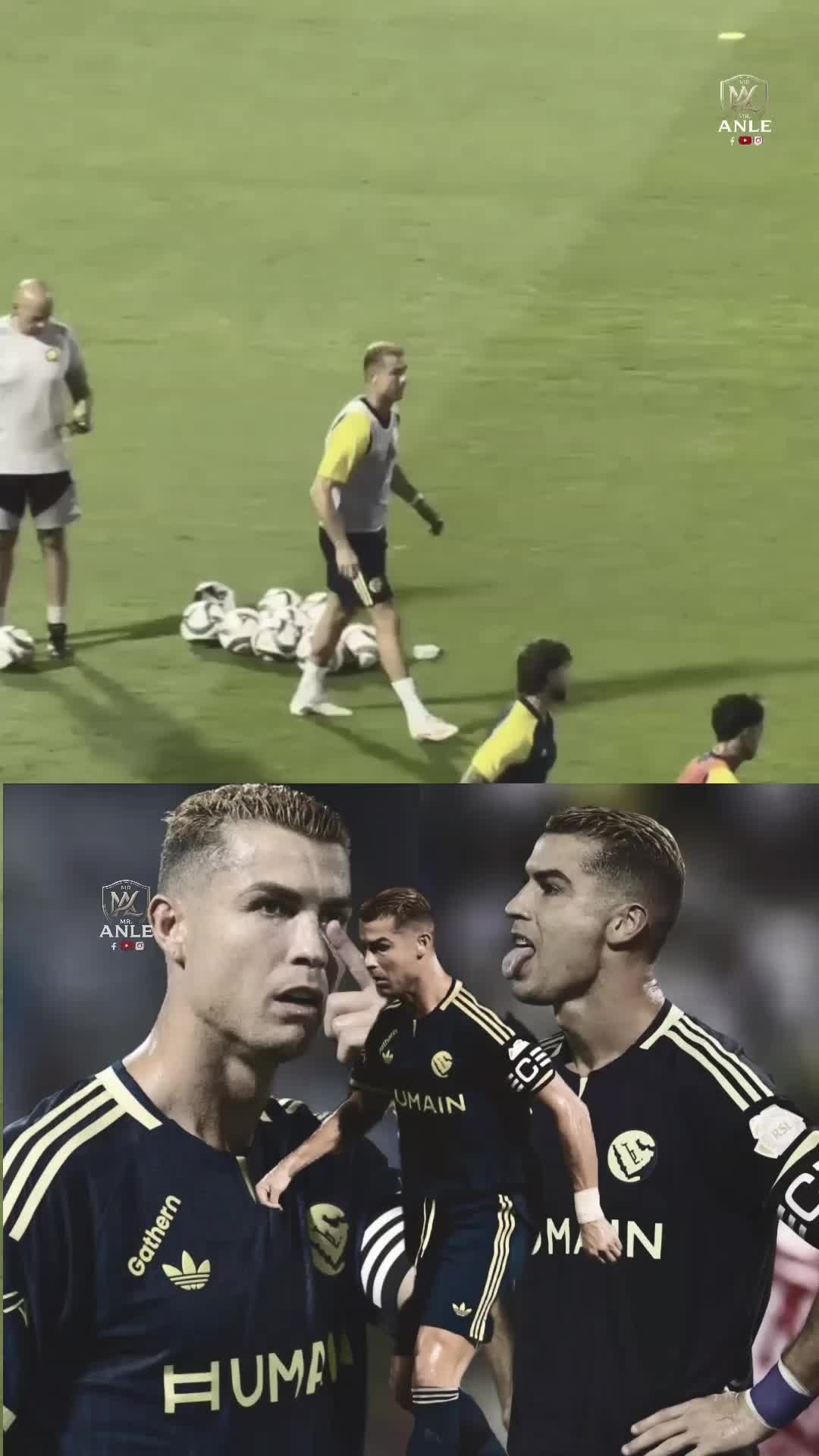
Cristiano Ronaldo and Al Nassr vs Al Khaleej
 Links
Links
 Contact
 App
App


