



Uruguay's shameful exit—Is Bielsa the biggest culprit?


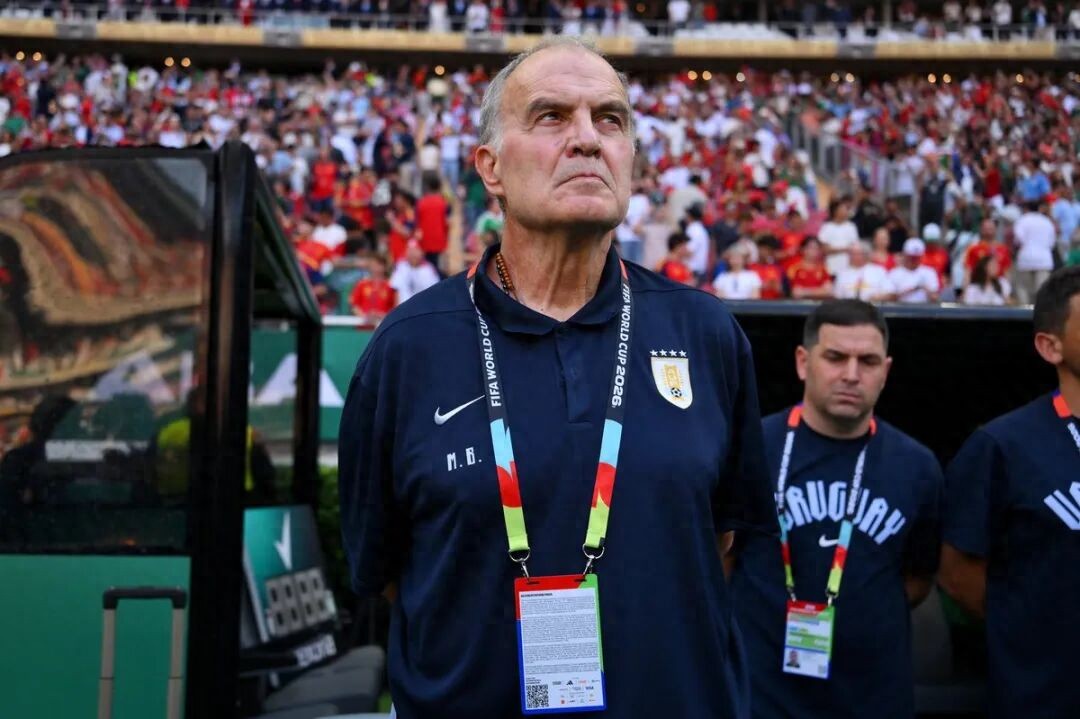
Written by Shen Mo Before the World Cup, the Uruguayan Football Association filmed a highly creative official squad announcement video. Coach Bielsa cycled through urban and rural roads, showcasing the names of all 26 players. The video was full of warmth, but unfortunately, Uruguay's World Cup campaign was a letdown. The first-ever all-overseas-based player lineup in the team's history produced only the third group-stage exit without a win—a poor result.
Uruguayan fans relived the nightmare of 2002 after 24 years, and this time it was even worse: the "Celeste" scored one fewer goal, and their World Cup ranking plummeted from 20th that year to at least 35th. Back then, Uruguay drew with defending champion France and narrowly lost to quarterfinal dark horse Senegal. This time, they couldn't even beat weak teams like Saudi Arabia and Cape Verde. This exit is only slightly better than 1974 and 2002. In 1986, Uruguay also had two draws and one loss in the group stage but managed to advance as the third-placed team by luck. But this time, fortune didn't smile on them. Compared to other traditional powerhouses, Uruguay is undoubtedly the most disappointing team in this World Cup—bar none.
Before the World Cup, Uruguay's Argentine veteran coach Bielsa announced he would leave after the tournament, casting a shadow over the team's prospects. Historically, coaches who announce their departure before a World Cup rarely achieve success with their teams. Signs of Uruguay's collapse were already evident during pre-tournament preparations. Bielsa recalled veteran goalkeeper Muslera, who had retired from international duty two years earlier, only to see him become the first goalkeeper in the team's history to commit three fatal errors leading to goals in a single World Cup. The previously starting goalkeeper Rochet, who was benched, kept three consecutive clean sheets recently—making the last-minute goalkeeper change illogical. Bielsa also left out versatile and experienced player Nández, weakening the midfield.
Uruguay was the only team among the 48 World Cup participants that did not schedule any official warm-up matches. Bielsa recruited 12 sparring players for high-intensity training. Midfield core De Arrascaeta was injured as a result and missed all three group-stage games. Barcelona center-back Araújo and Atlético Madrid defender and captain Giménez also got injured, forcing Valverde to take over the captaincy. To make matters worse, before the opening match against Saudi Arabia, FIFA's omission of entry documents prevented Uruguay's flight from entering U.S. airspace. The team had to switch to another Mexican airline plane to avoid a delayed arrival that would have affected their preparation.
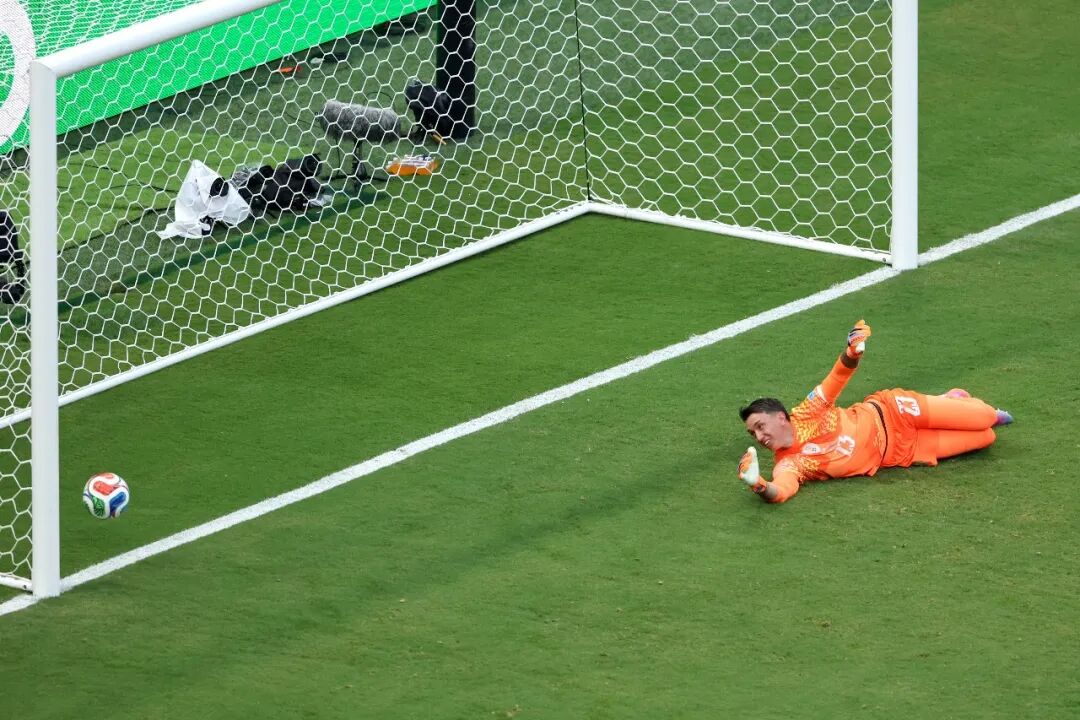
Bielsa also changed the formation on the fly, trying a 4-4-2 with Valverde on the right wing and two forwards. But the experiment didn't work well. At halftime of the first match against Saudi Arabia, he switched back to the 4-3-3 that players were more familiar with. In the second game against Cape Verde, goalkeeper Muslera's disastrous mistake cost the team three points. In the final group match against Spain, where Uruguay only needed a draw to advance, Muslera's error again led to a 1-0 defeat and elimination. During halftime, Muslera asked to be substituted, revealing the team's morale. In the second half, Uruguay fell into chaos and hardly looked capable of scoring.
Before the final group match, Uruguay's El Observador reported that Valverde, Bentancur, Ugarte, and goalkeeper Rochet collectively staged a "mutiny" against Bielsa, stating that the players disliked the current tactics and wanted to use a low-block defense and counterattack strategy against Spain. Bielsa flatly refused and immediately called a team meeting, delivering a 48-minute speech. Despite captain Giménez's attempts to intervene, several players stormed out in anger. Barcelona defender Araújo, who missed the game due to injury, lamented afterward: "I hope we can advance, but this situation really cannot continue."
Uruguay's internal discord was already evident two years ago at the Copa América, when Suárez, who had retired from the national team, criticized Bielsa for being overly harsh with players and creating a tense atmosphere through long-term closed training camps. Notably, no player at the time contradicted his remarks. Canobbio, who was sent off against Spain, had also had a heated argument with Bielsa earlier. He explained that the conflict started because the coach criticized his sitting posture.
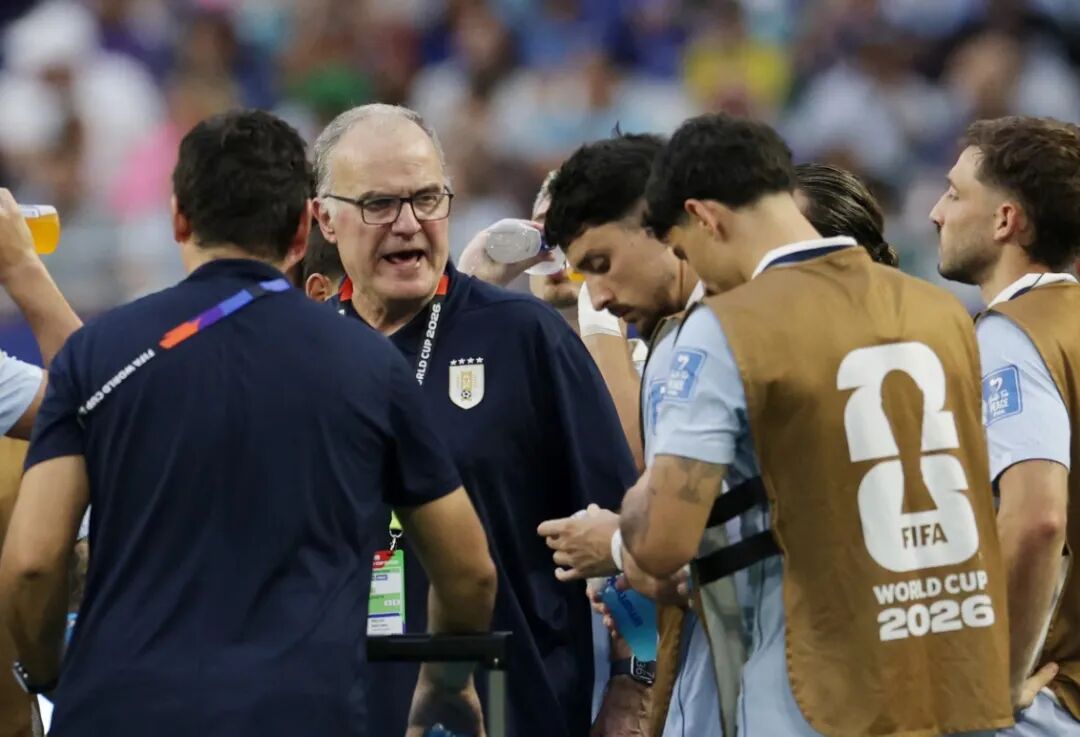
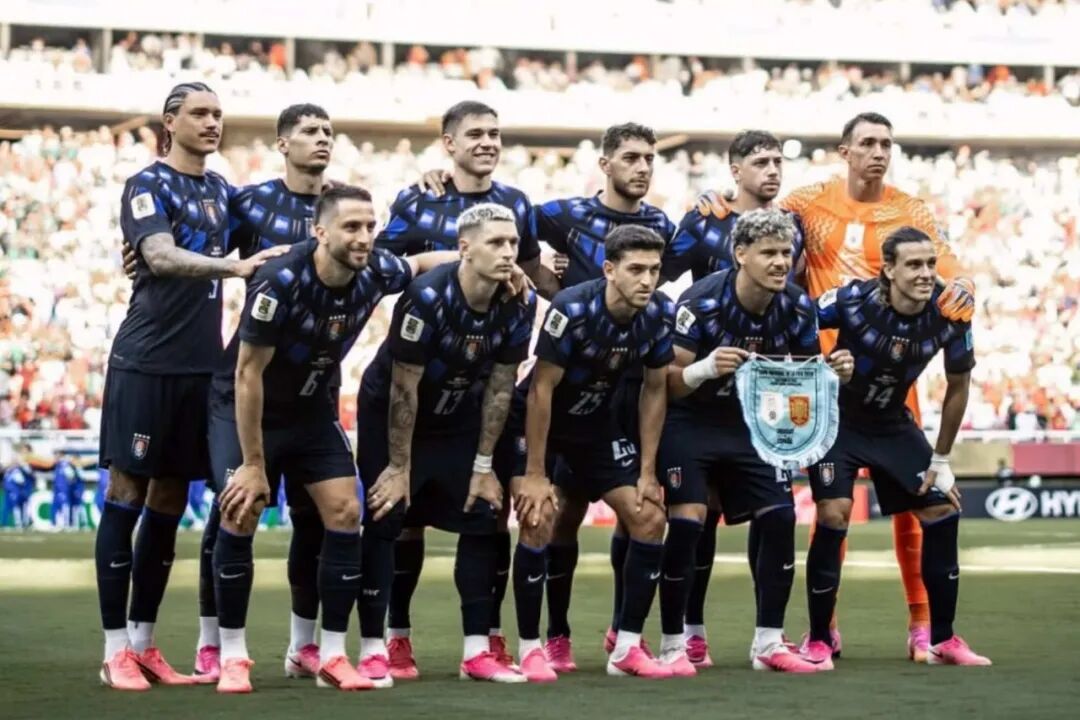
The stubborn Bielsa had previously admitted to the media that he was a "toxic perfectionist," and his cold, harsh attitude failed to inspire the players. He not only publicly criticized the water-break rule but even refused to participate in FIFA's official team photo before the World Cup, saying, "I'm not a model." Though he eventually took the photo, the result was disheartening.
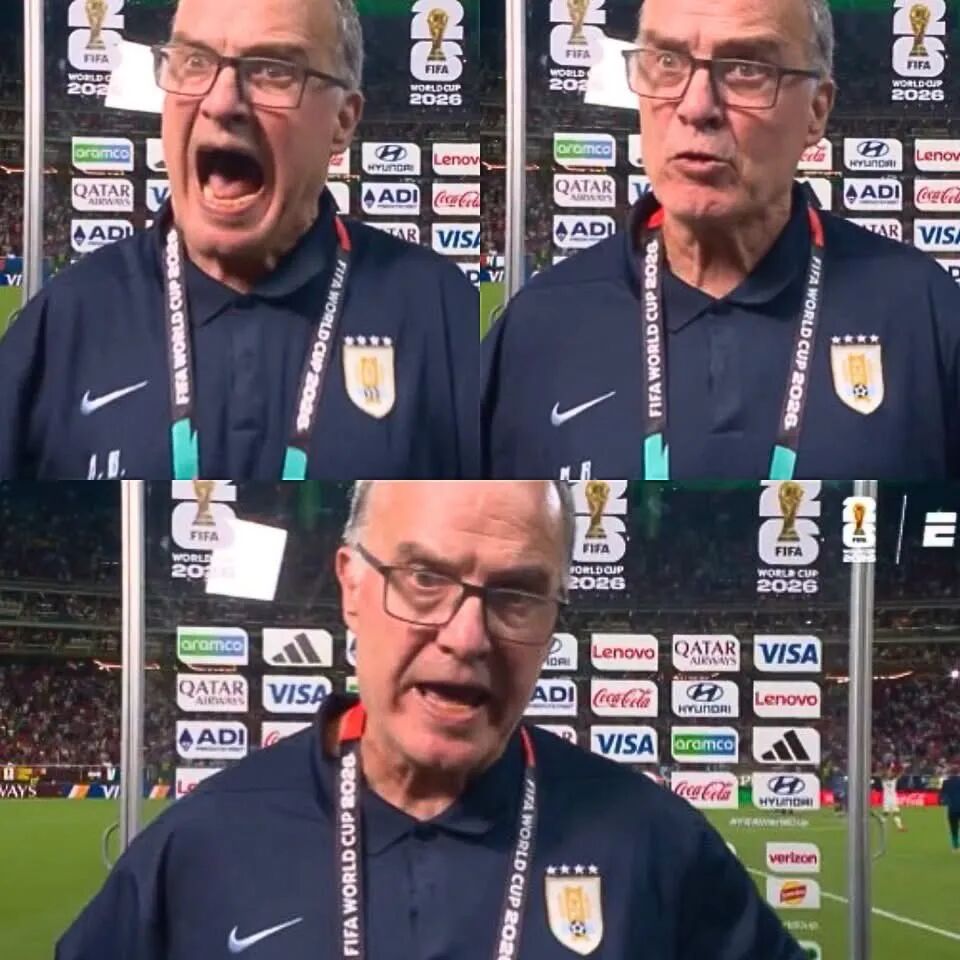
After the Spain match, the veteran coach's mentality also collapsed. He shouted at reporters, "Just ask already!" causing an uproar. Bielsa acknowledged helplessly that Uruguay left nothing in this World Cup and that he failed to bring out the true potential of his players. When asked what he said to veteran goalkeeper Muslera at halftime, Bielsa refused to answer.
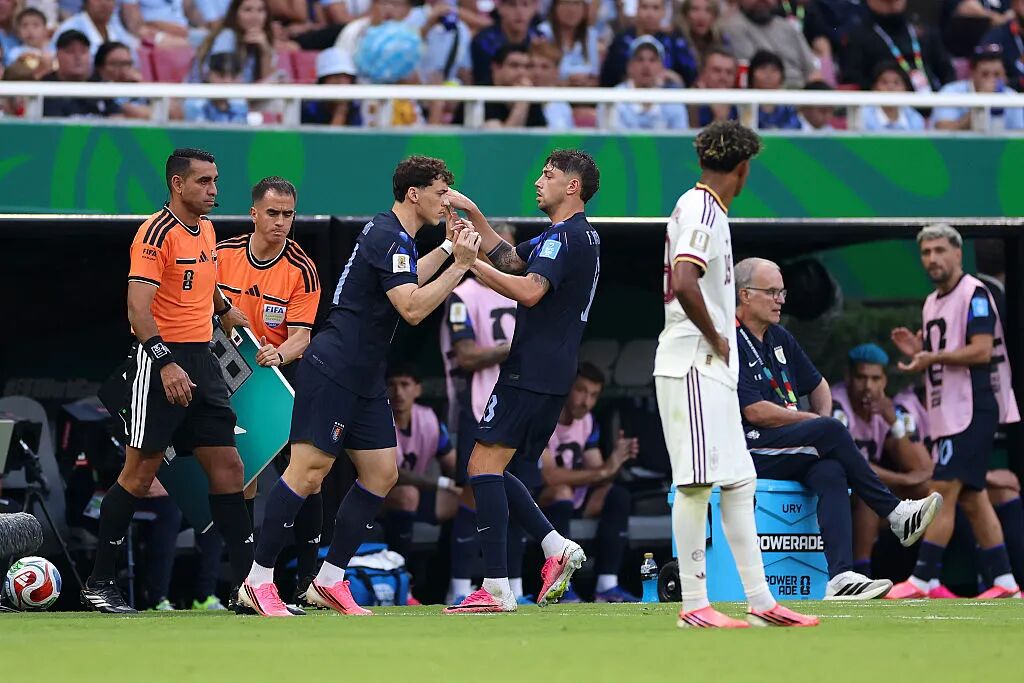
After substituting the legendary goalkeeper Muslera at halftime and delivering a brutally honest self-reflection after the match, the 70-year-old Bielsa turned and walked away, leaving behind a ruined mess for Uruguayan football.
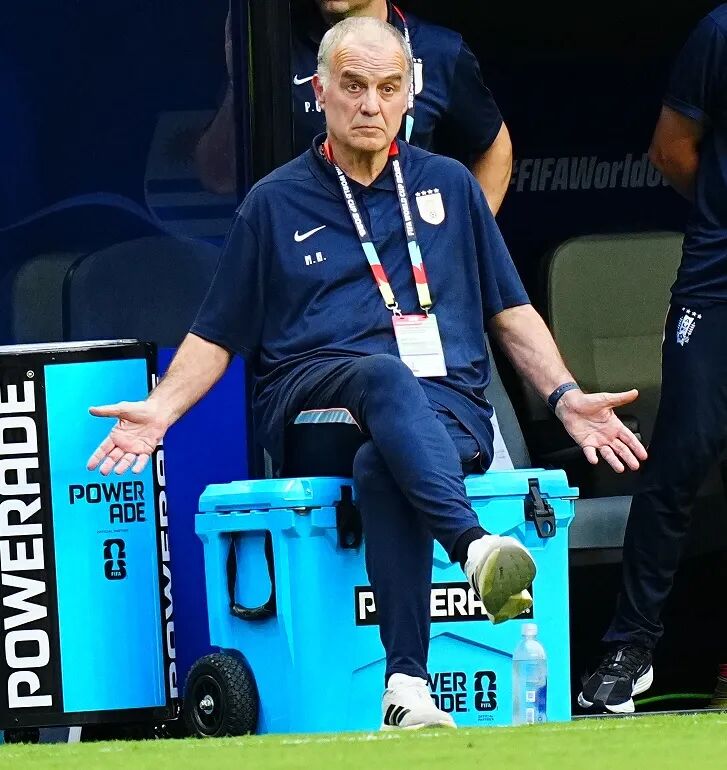


Wonderfulshortvideo

Leeds United demolish Newcastle at elland road


Throwback to this League Cup game between Liverpool and Spurs ⚽️⚽️
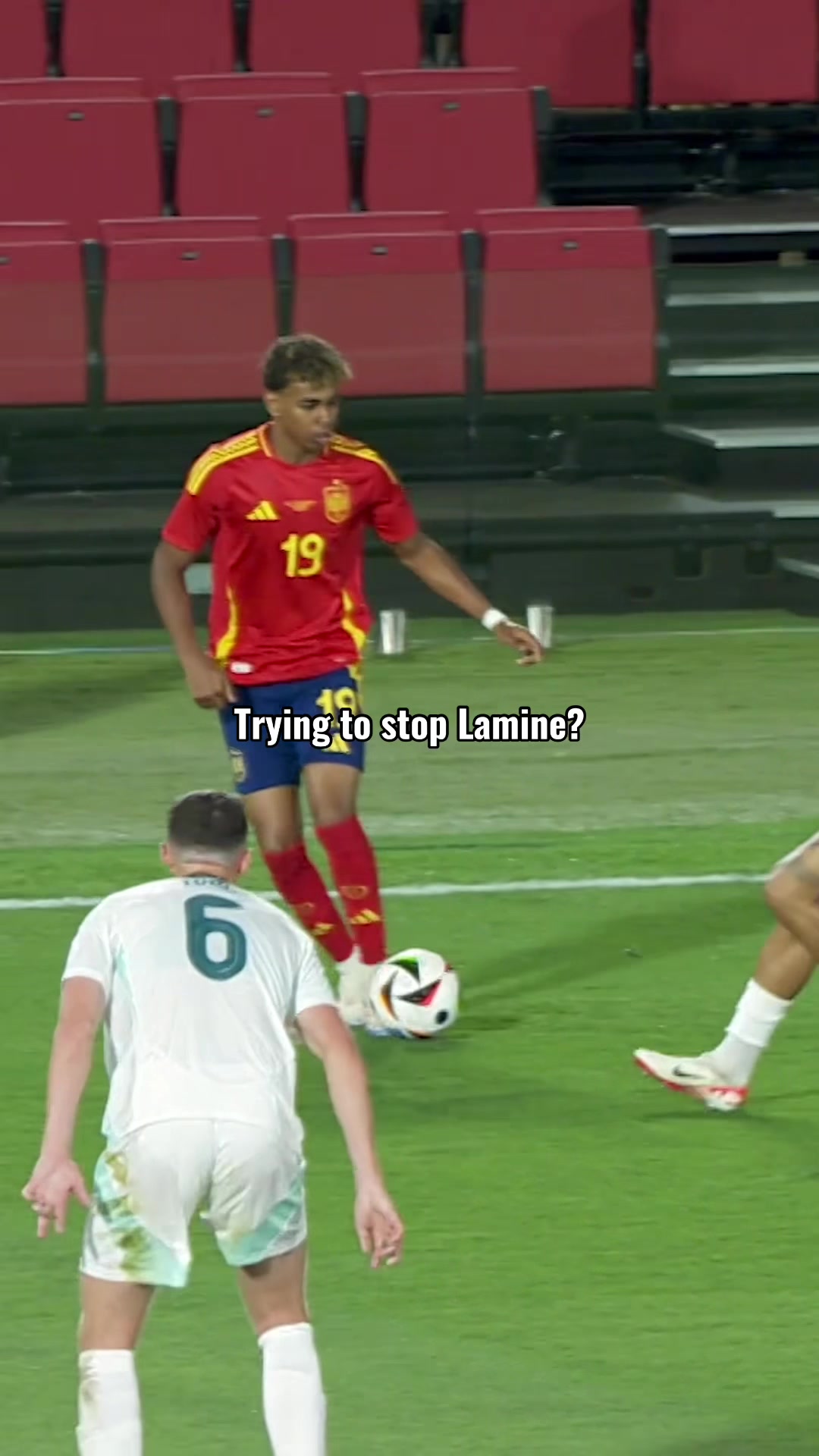
Lamine genius 🪄
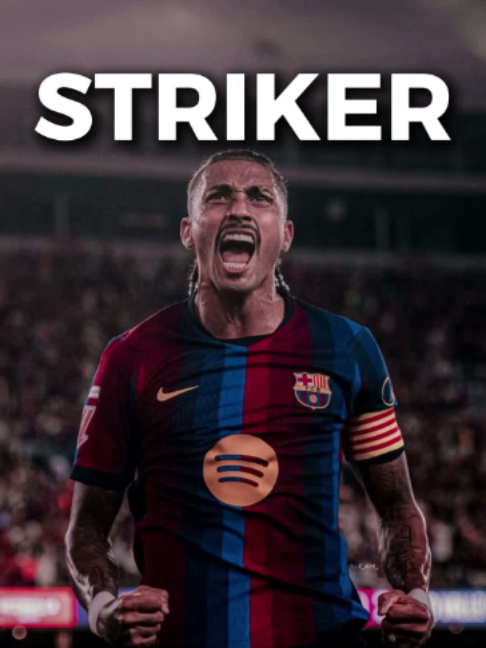
raphinha assist today lamine yamal goal today brace today vs levante
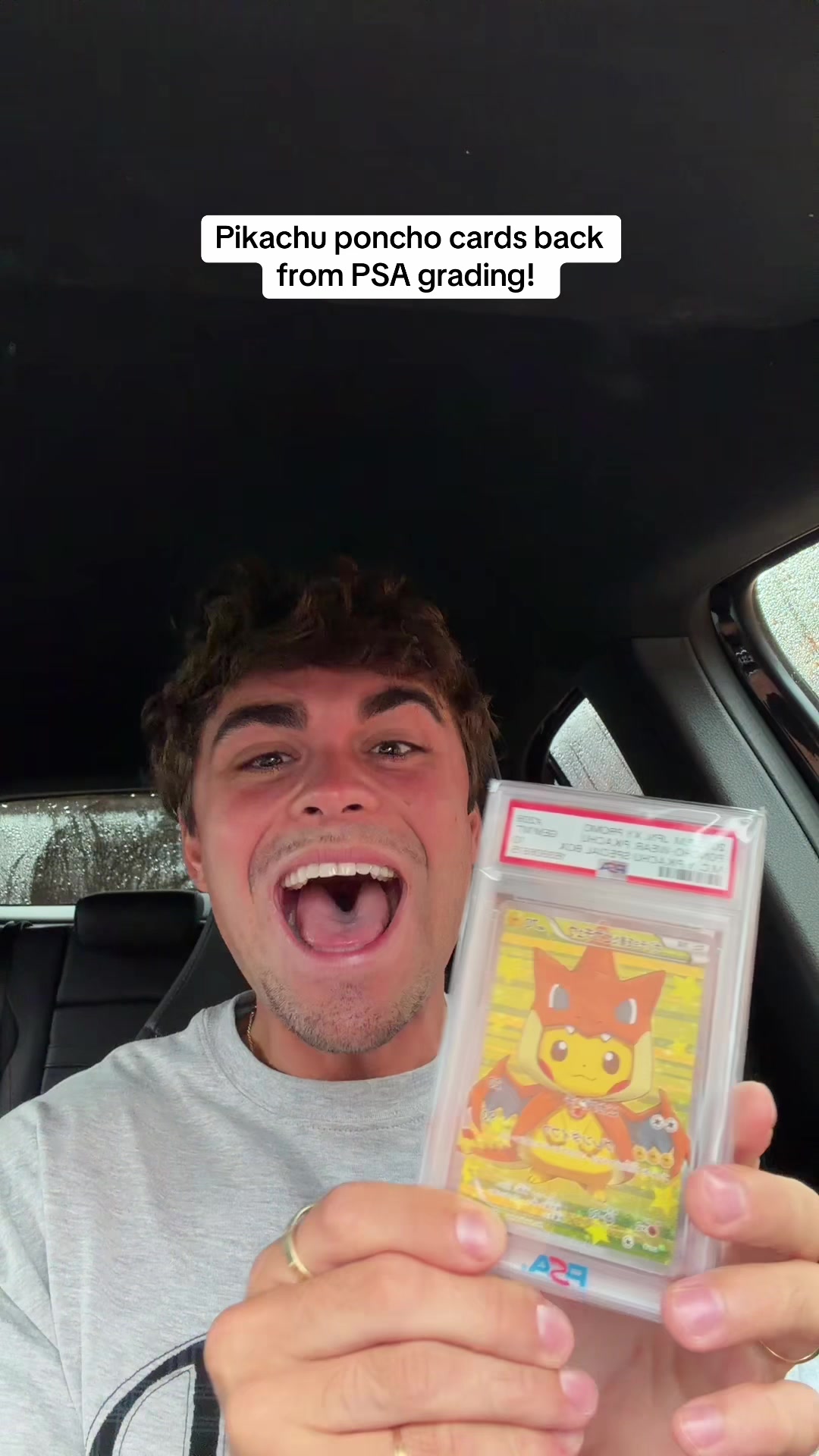
Follow for more pokemon content! So what do I do with them now?…
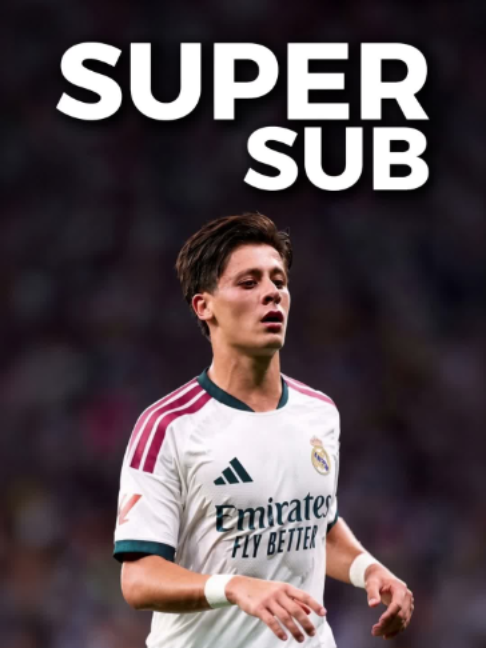
arda guler assist today guler vs rayo vallecano mbappe goal today jude bellingham goal today
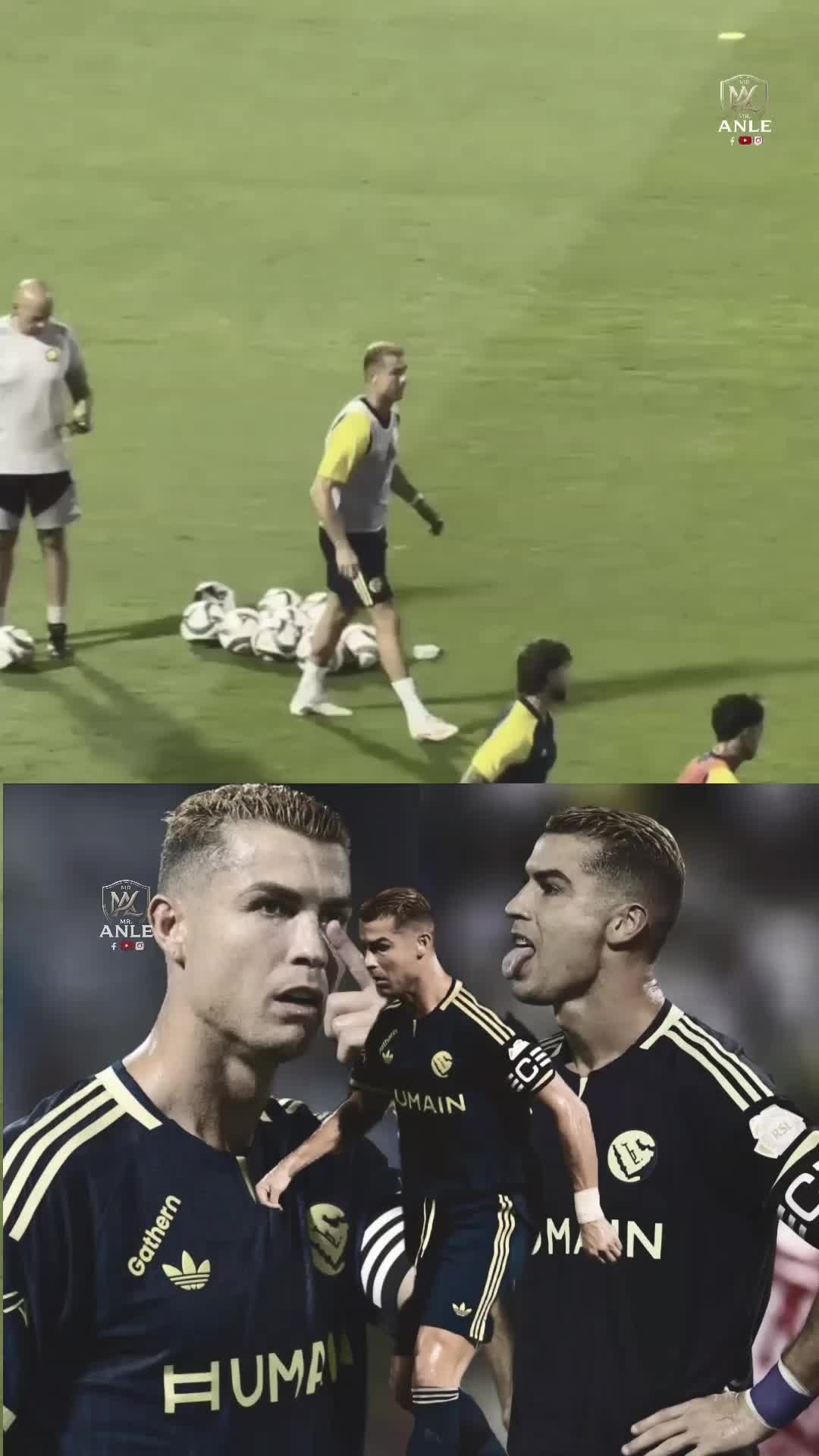
Cristiano Ronaldo and Al Nassr vs Al Khaleej
 Links
Links
 Contact
 App
App


