



The latest ranking of Chinese men’s singles is disheartening, prompting netizens to ask painfully: How far is Zheng Qinwen from the top ten?


Year after year the flowers look alike, but people change; this saying has been used by fans and netizens to depict the present state of Chinese men’s singles in the latest ATP rankings!
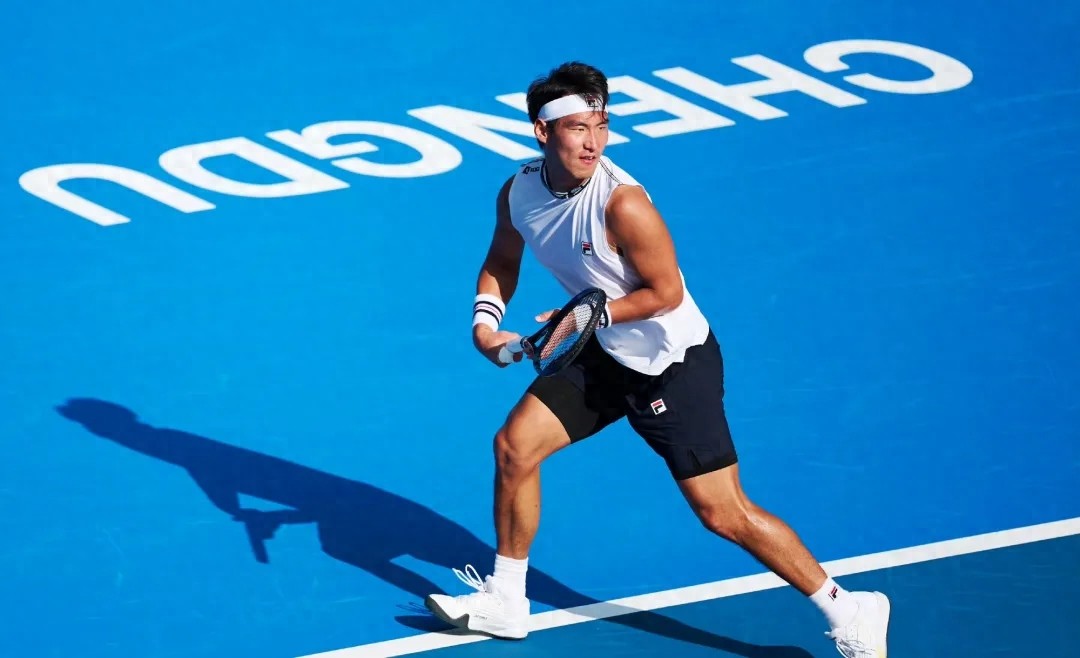
After the latest ATP rankings came out, noticing the absence of any Chinese male players in the top 100, some expressed concern, unsure if this is a short-lived slump or a buildup before a breakthrough.
Such sentiments arise because at the same time last year, there were still three Chinese male players in the top 100. When the names Zhang Zhizhen, Shang Juncheng, and Bu Yunchaokete appeared, many regarded it as a sign of the imminent strong rise of Chinese men’s tennis.
However, fate played a trick; in just one short year, everything changed, and the presence of Chinese male players in the top 100 vanished completely.
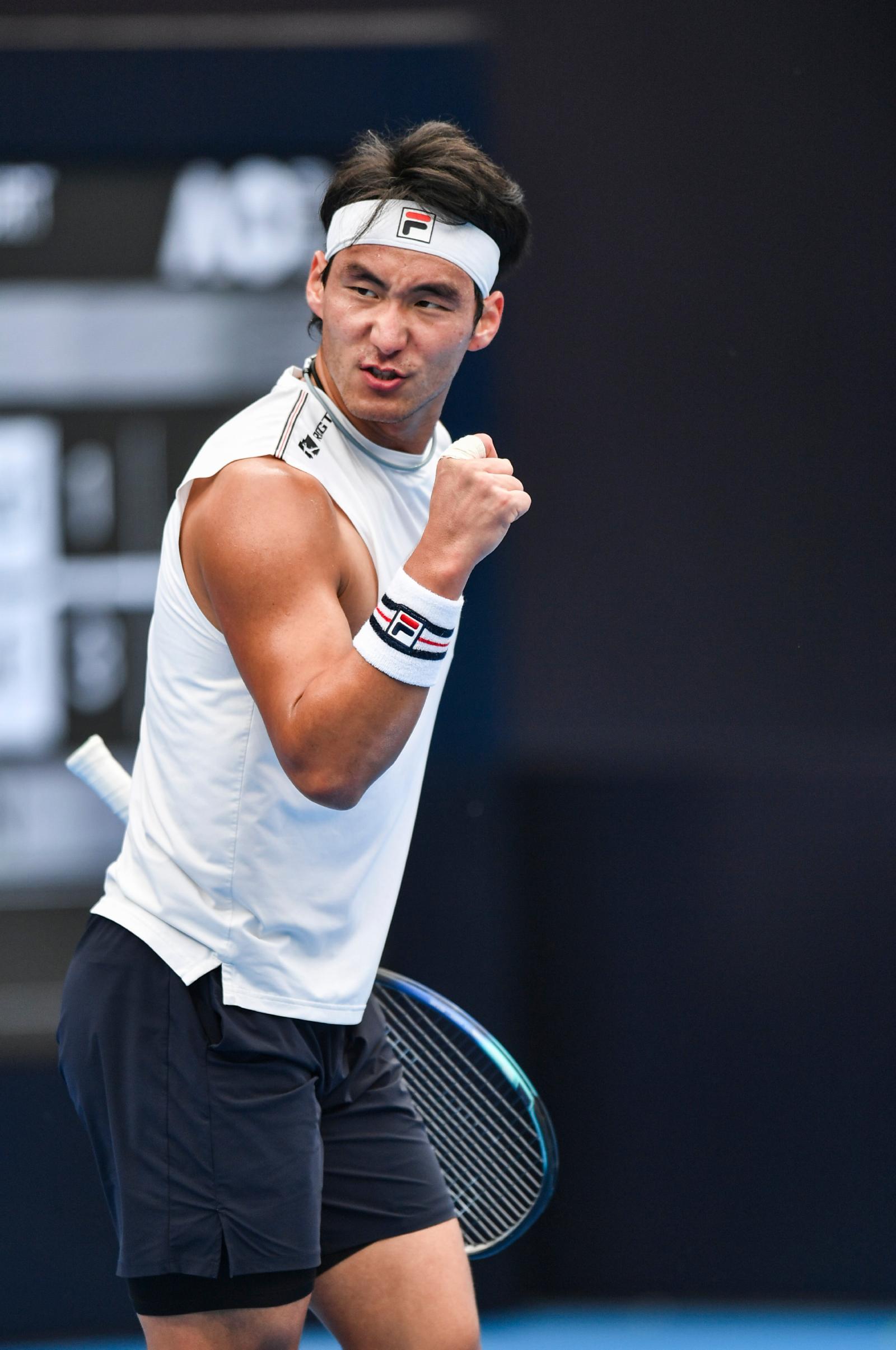
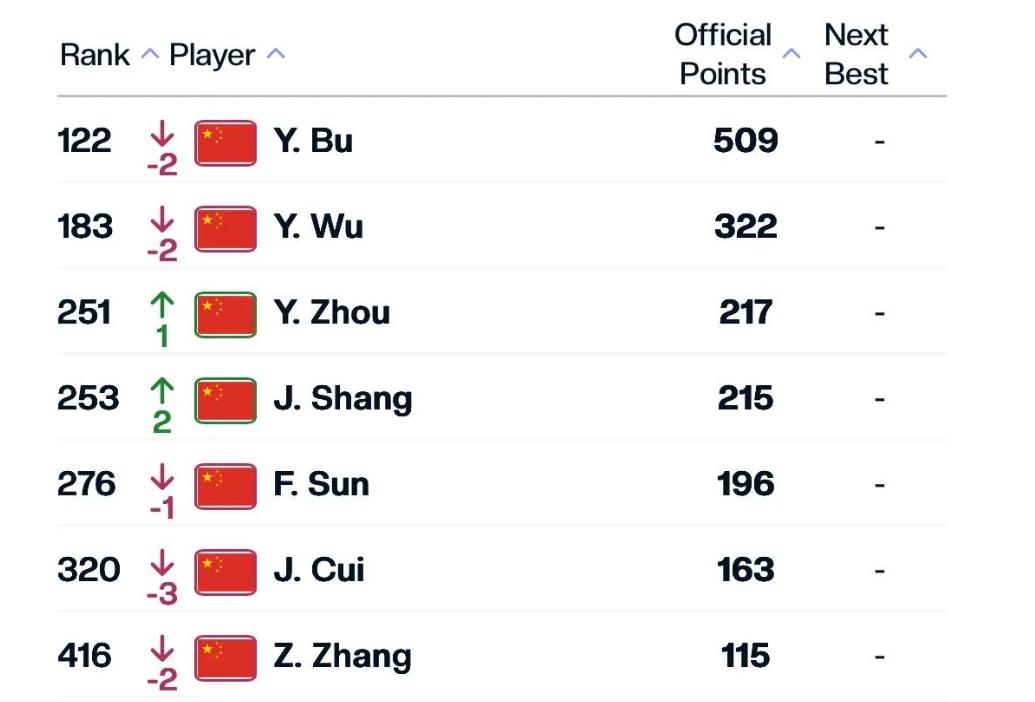
According to this week’s latest singles rankings, although Bu Yunchaokete’s ranking has dropped to 122nd, he remains China’s number one male player.
The fastest riser in ranking is Wu Yibing; at this time last year, his ranking was cause for serious concern, but now he has climbed to 183rd, firmly holding the position of China’s second-best male player.
Zhou Yi currently ranks 251st, becoming China’s third-ranked player. Former number one Shang Juncheng has slipped to 253rd, just behind Zhou. If this fourth-ranked Chinese player avoids injuries in the new season next year, reclaiming the second spot should be achievable. Many fans and netizens believe that during winter training, Bu Yunchaokete should seriously consider how to maintain his top spot in 2026.
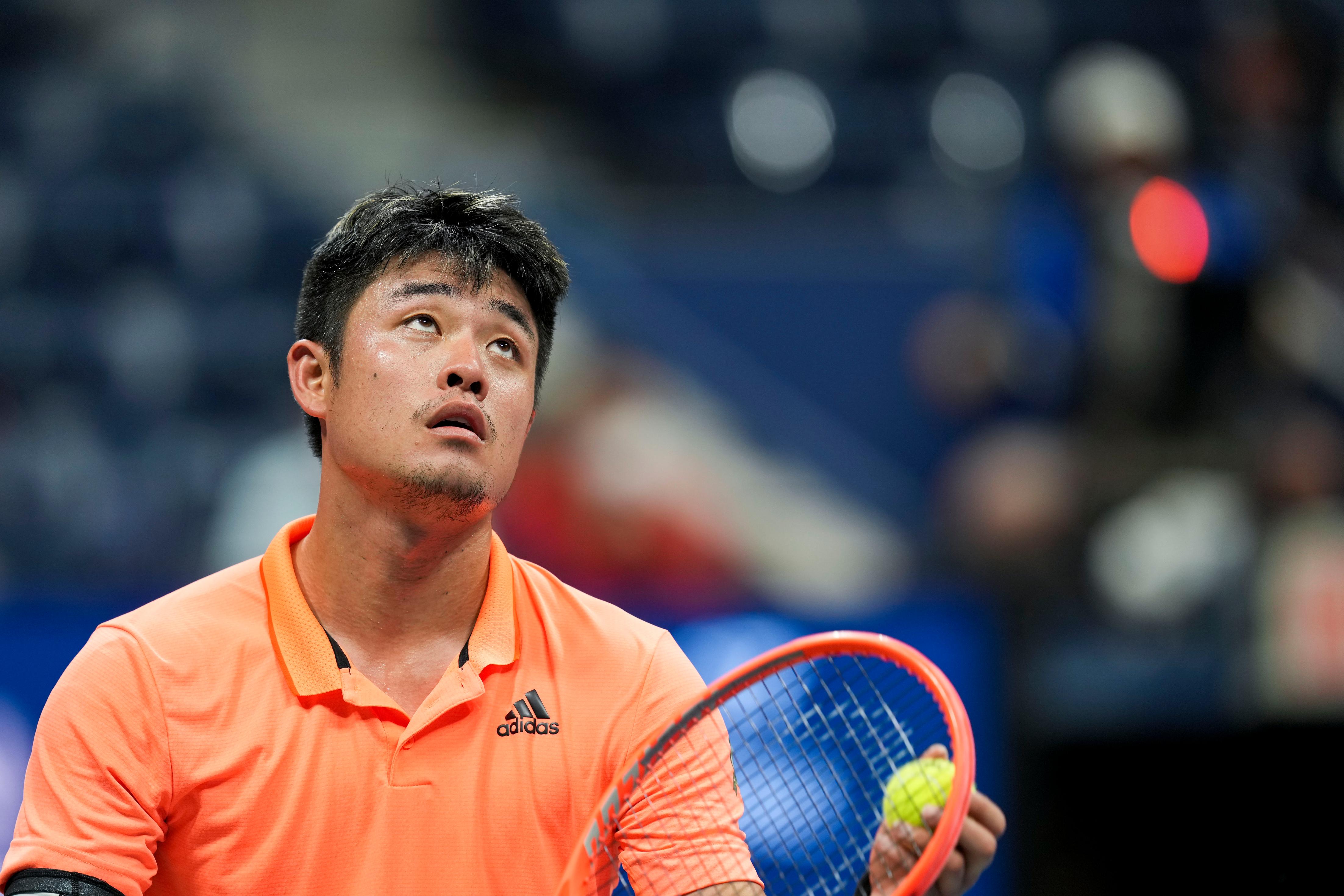
Another former Chinese number one, Zhang Zhizhen, has fallen to 416th, ranking seventh among Chinese men’s players, affectionately called “Seventh Brother” by some netizens. Compared to Shang Juncheng, who is expected to make a big leap next year, 29-year-old Zhang Zhizhen faces a different situation.
Many doubt Zhang Zhizhen can strongly rebound in rankings, mainly because he failed to reach the semifinals even in the relatively less competitive National Games, making the skepticism about him understandable.
Although the top 100 includes three female Chinese players—Zheng Qinwen, Wang Xinyu, and Zhang Shuai—who are clearly in a better situation than the men, there is little confidence among some that these women will make major breakthroughs or rapidly climb rankings in big tournaments next year.
The extent of Zheng Qinwen’s recovery from injury remains unclear. Some netizens point out that even when healthy, she did not produce major surprises in big events, so hoping for astonishing performances from China’s top female player, especially in Grand Slams or WTA 1000 tournaments, seems even harder under the current uncertain injury status.
As for Wang Xinyu and Zhang Shuai, the former is criticized for being too laid-back at crucial moments, often inexplicably faltering; the latter still fights hard but is older, so expectations are naturally tempered.
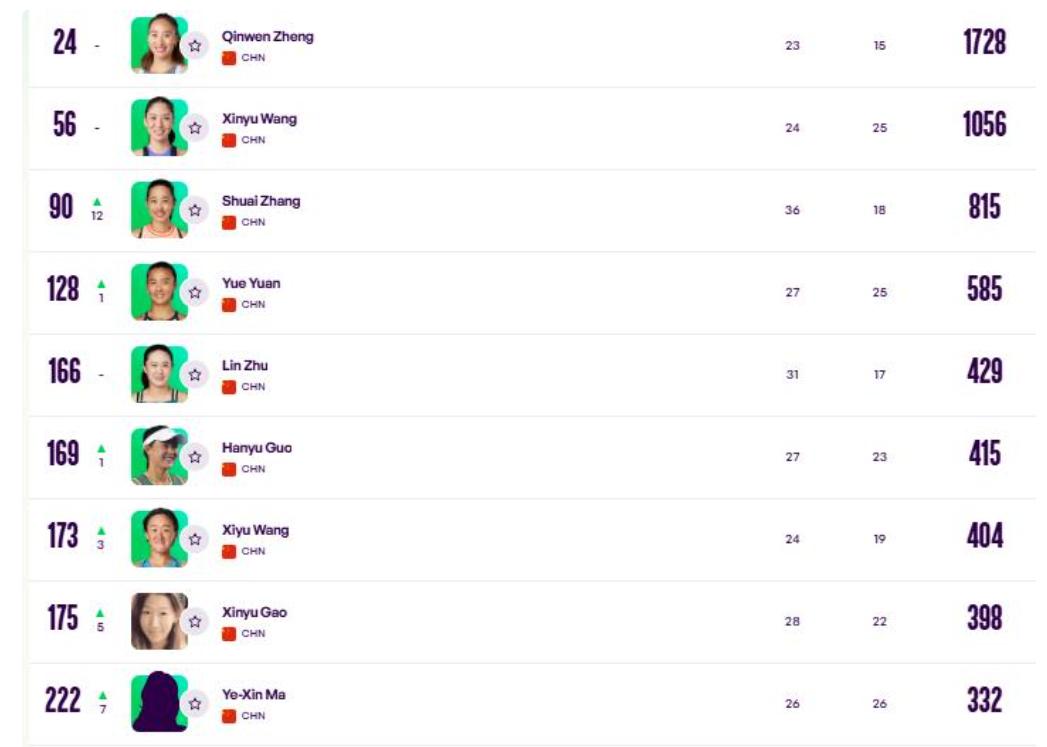
Of course, although Zheng Qinwen ended her 2025 season early after withdrawing against Noskova at the China Open, she still holds the 24th spot in this week’s latest WTA rankings, securing a seeded position for next year’s Australian Open.
However, someone raised a painfully direct question: How far is China’s top female player from the world’s top ten currently, and does she have a chance to return to that elite group next year?
Currently ranked tenth is the Russian star Aleksandrova. Using her as the minimum benchmark, a netizen calculated that Zheng Qinwen trails by about 1650 points. If Aleksandrova and others ahead of Zheng maintain steady performance in the first half of the new season, it means it will be quite difficult for Zheng to break back into the top ten early in the year. Missing many tournaments in the second half, however, could be a great opportunity for China’s top female player to accumulate points. If she seizes that chance, returning to the top ten by the end of next year is still possible.
Judging from Zheng Qinwen’s return to Spain without immediately switching to vacation mode like other players, it is clear she is determined to reclaim a top ten spot. If she can have a breakthrough like reaching the final at last year’s Australian Open, her return to the top ten could come faster than expected.
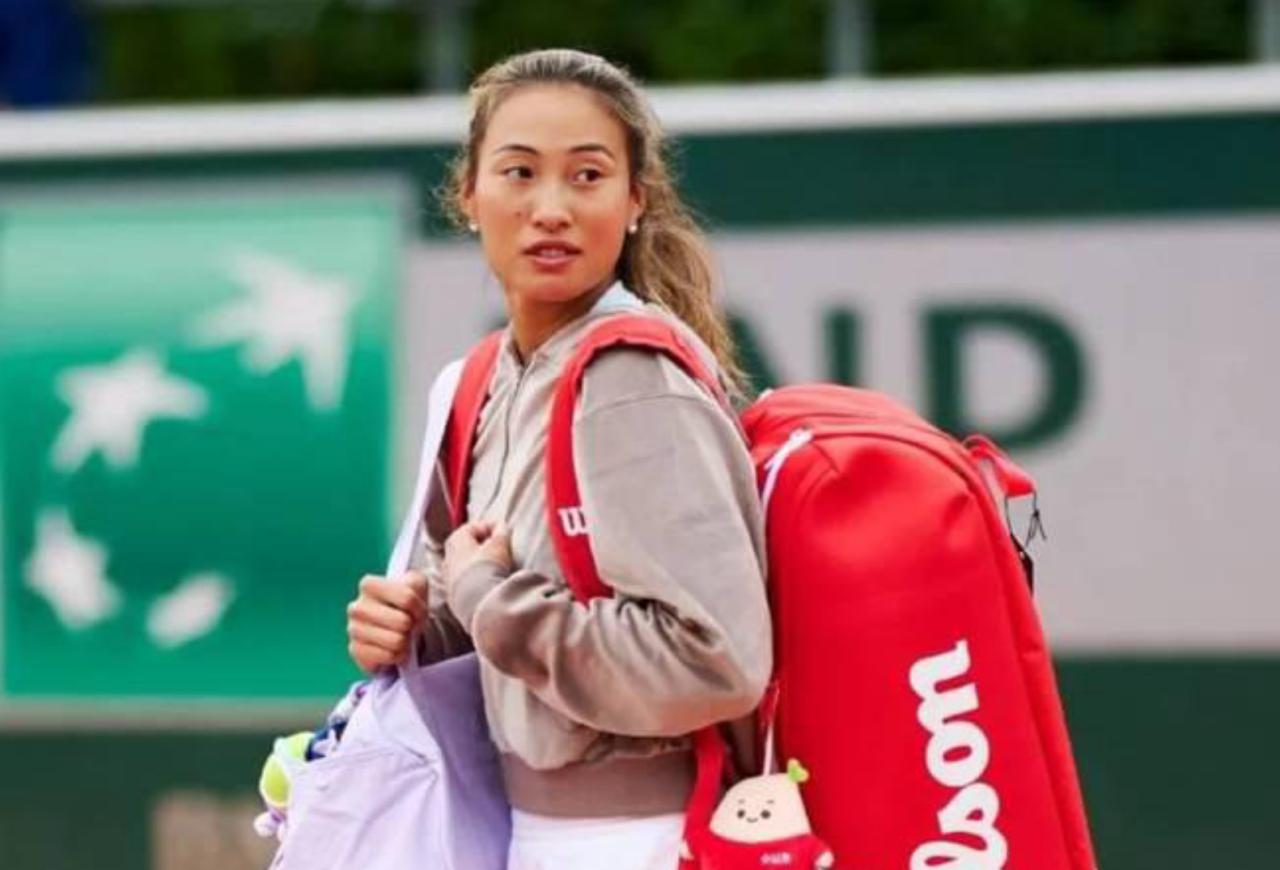
Additionally, insiders revealed that since Zheng Qinwen will most likely skip next year’s United Cup, expectations for her focused preparation for the Australian Open have increased. Without the protection of a top-ten seed, Zheng will need to rely purely on her skill to earn a large number of points and significantly improve her ranking at the Australian Open next year!(Source: Tennis Home, Author: Moonlit River’s Starry Sky)

 Links
Links
 Contact
Address:UNIT 1804 SOUTH BANK TOWER, 55 UPPER GROUND,LONDON ENGLAND SE1 9E
Number:+85259695367
E-mali:[email protected]
 App
App


