



Bublik: The transformation from contemplating retirement to breaking into the top ten



“Sometimes life only offers one chance, and I seized it.” After reaching the quarterfinals of the 2025 French Open, Kazakhstani tennis player Bublik tearfully expressed this, a moment few could have predicted was just the beginning of his incredible season.
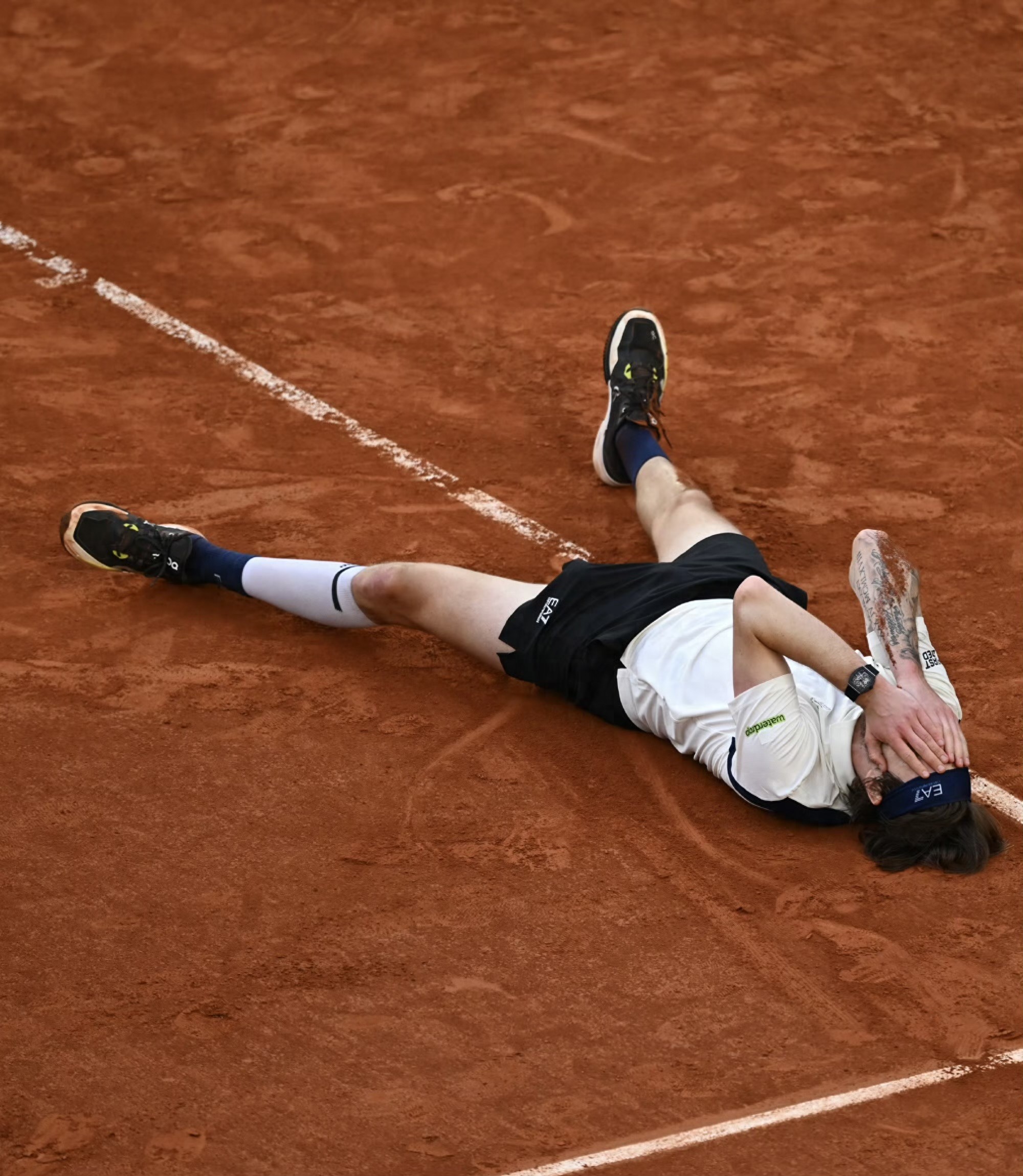
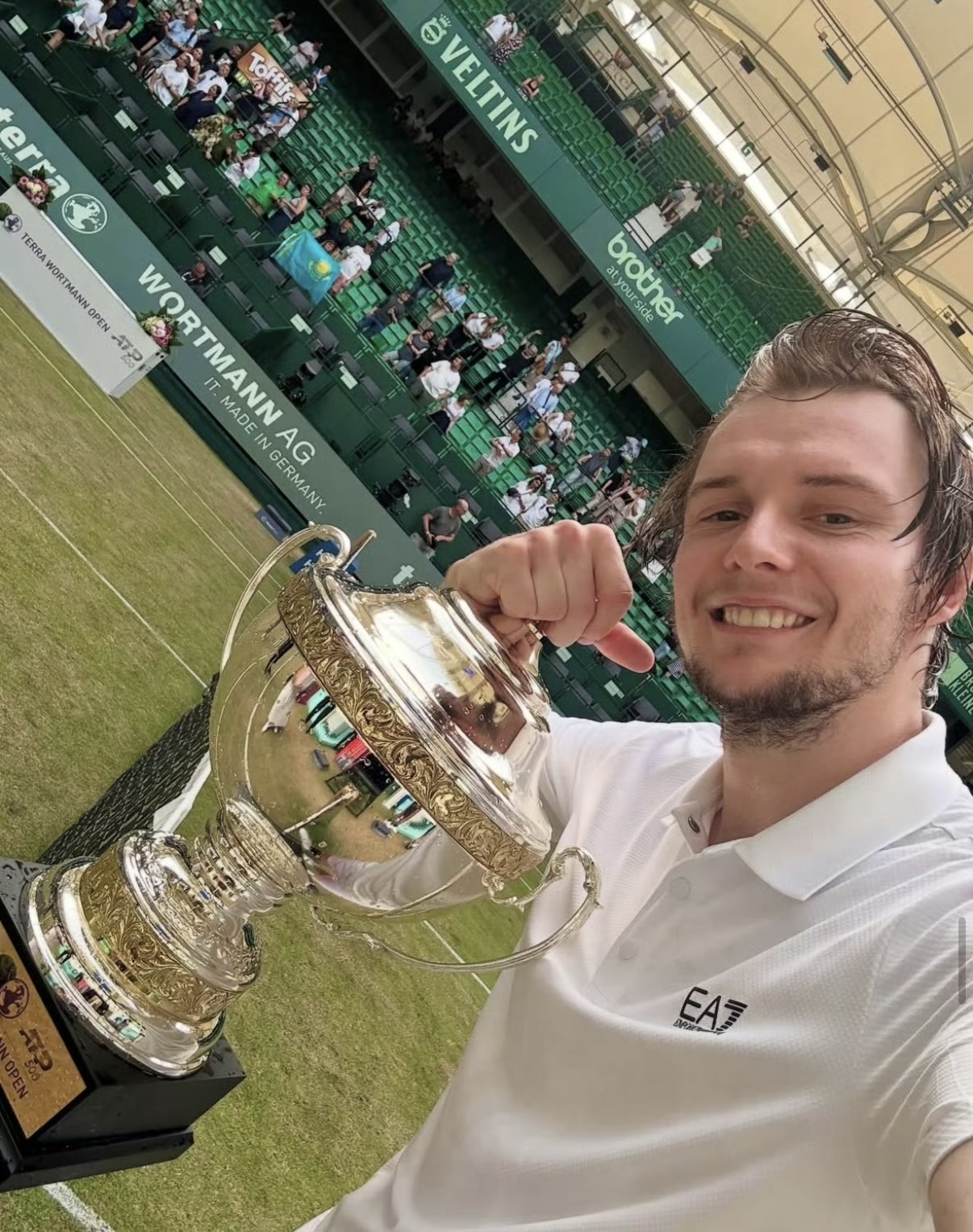
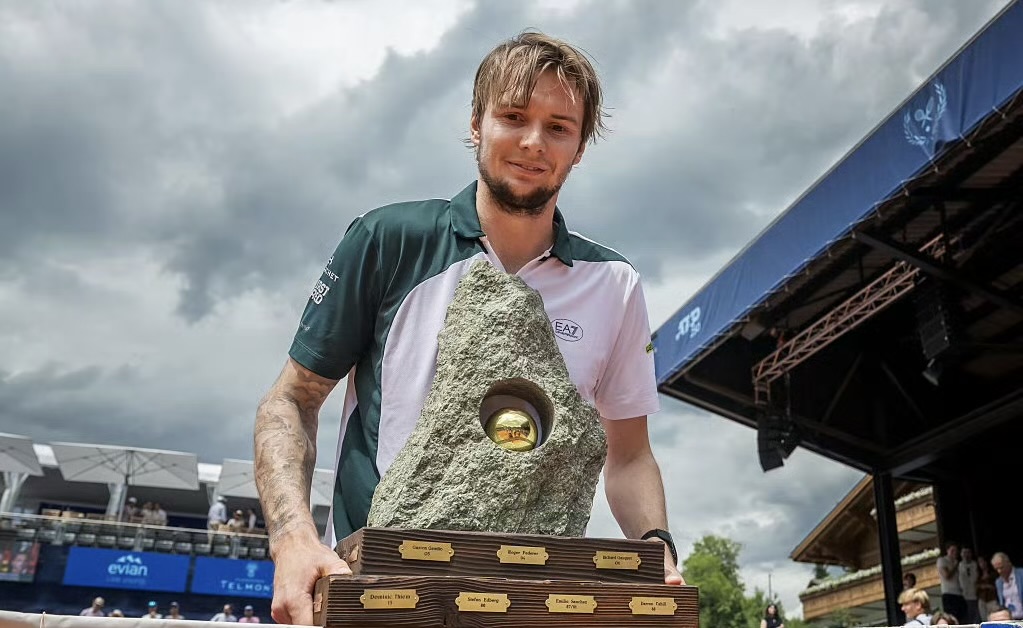
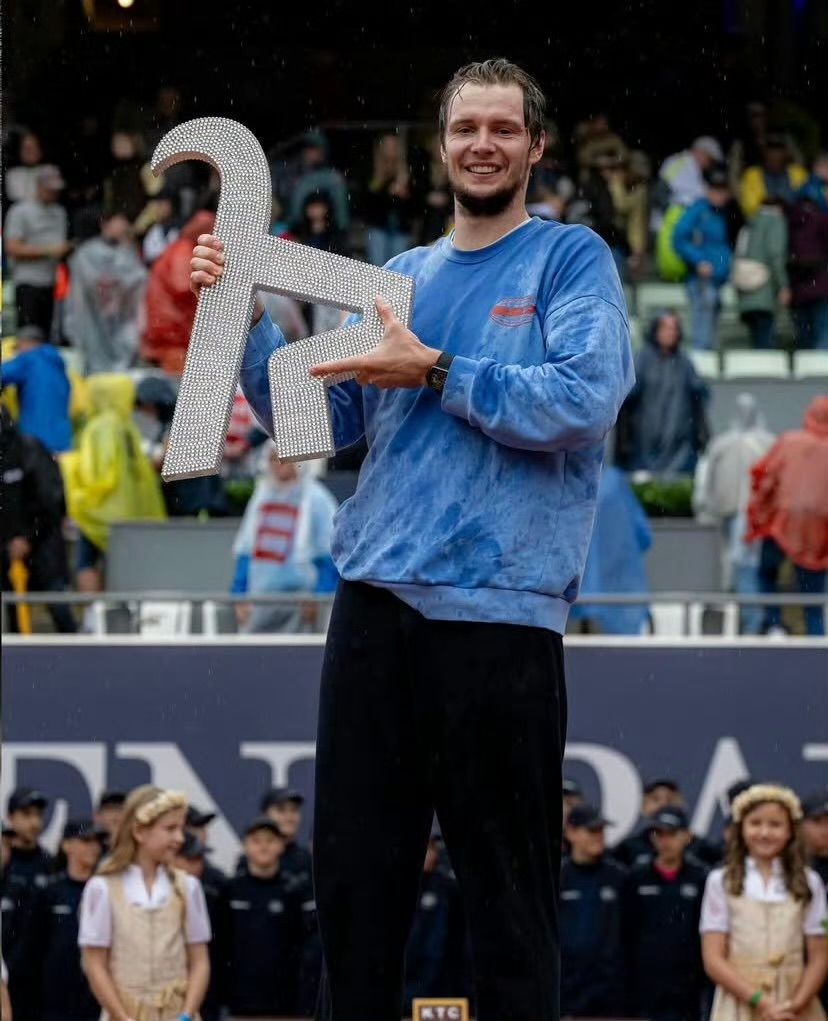
Entering the French Open quarterfinals ranked 62nd was already a surprise, but even more astonishing was his capture of four titles in the six tournaments that followed—Halley, Gstaad, Kitzbühel, and Hangzhou—across grass, clay, and hard courts, making him the first player that year to achieve such a feat. His victories at Halle over world No.1 Sinner and long-time rival Medvedev, ending a seven-match losing streak, stand out as career highlights. Starting 2025 fighting to stay in the top 100, by year’s end he had climbed to world No.11, just one spot shy of the top ten.
Reflecting on that turning point, Bublik speaks calmly but with conviction: “My current goal is to break into the top ten. If I can achieve that one day, it will be my dream. Now I feel that if I fully unleash my potential and maintain this focus, I truly can make it.”
Yet less than a year ago, this powerful server with inconsistent form was considering quitting the pro circuit. “At the end of 2024, I was very disappointed with my performance. I even thought about retiring because I feared falling out of the top 100,” he admitted, recalling that difficult period.
The turning point came after the 2025 Indian Wells tournament. “I spent three days in Las Vegas trying to completely relax.” That trip involved no training or tactical analysis, just deep reflection on his career. When he returned to competition, everything had changed: “It felt like I was starting a new mission.”
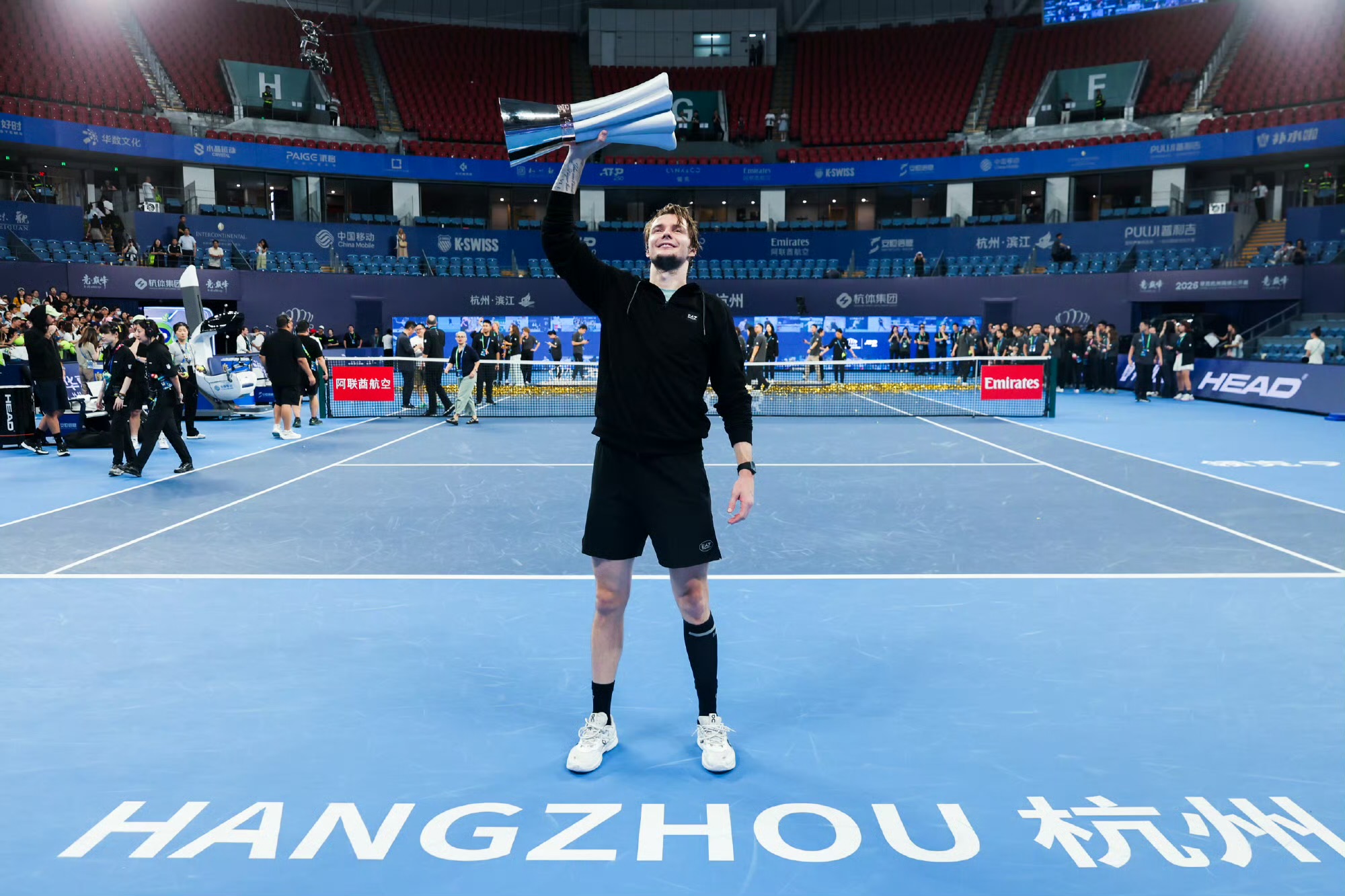
Bublik’s transformation was not only technical improvement but also a mental reset. Known for his signature powerful serve and aggressive net play, his emotional struggles often caused him to lose composure at crucial moments. In 2025, fans witnessed a calmer, more focused Bublik who remained composed like an outsider even during his four-title run after the French Open breakthrough.

“In Las Vegas, I realized I had to either give my all or stop,” Bublik explained. “I chose to turn all my fears into motivation. No more worrying about rankings or fearing failure, just focusing on every single point.”
This change paid off on court. In the Halle final against Medvedev, he delivered the most controlled performance of his career during a critical tiebreak; winning the Hangzhou hard court title proved he had shed the label of being “only good on grass.” His coaching team revealed that Bublik now emphasizes tactical variety in training while maintaining consistent physical condition, something he had struggled to balance earlier in his career.
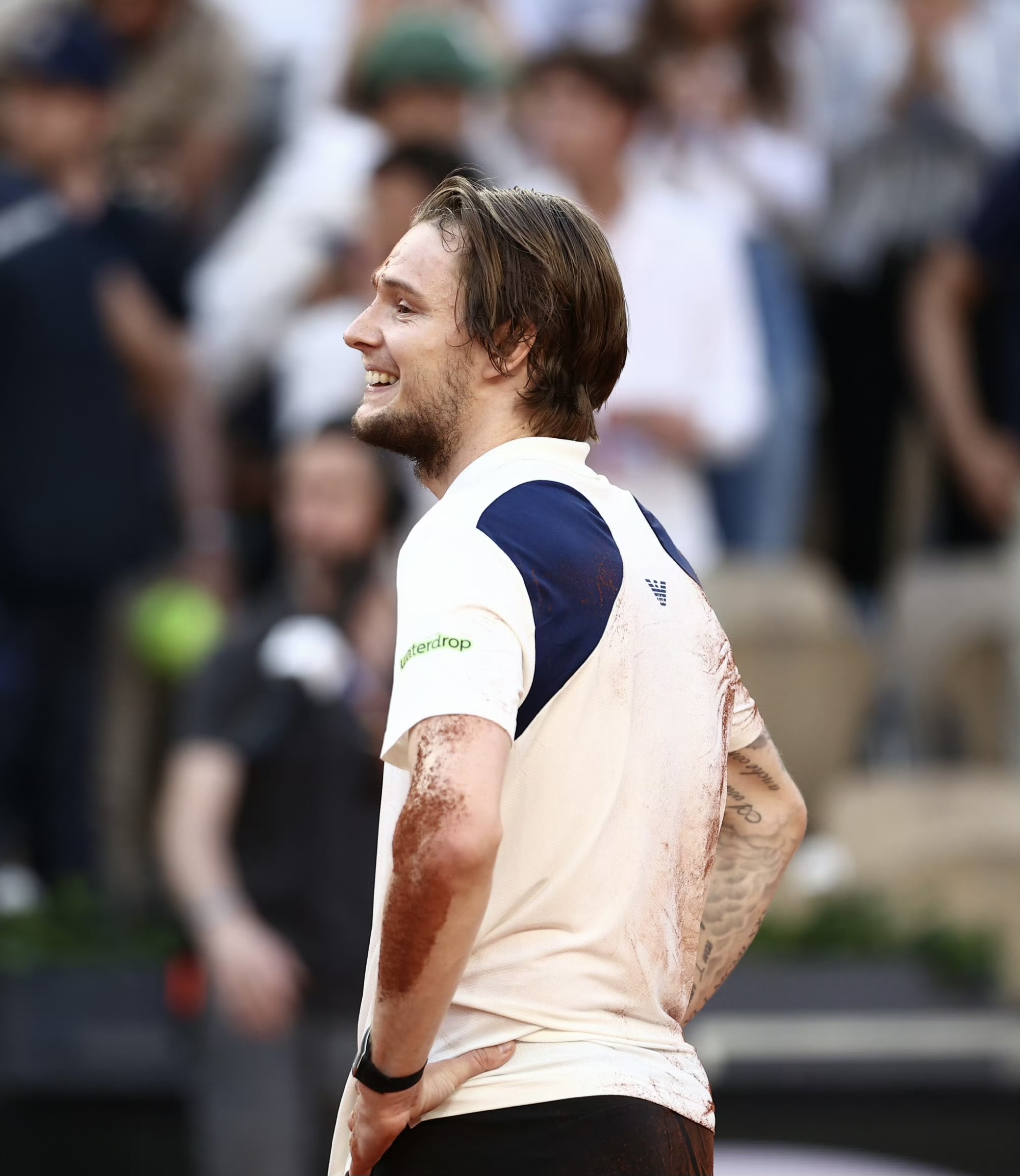
The tennis world reacted differently to Bublik’s sudden rise. Some commentators saw it as a classic late breakthrough, while others noted he always possessed top-level weapons but had finally learned to master them. Former Djokovic coach Ivanisevic remarked, “Bublik has always had talent, but now he has the mindset to match it. When you stop fearing loss, you can win everything.”
Bublik himself prefers to credit his success to simplifying his goals: “I no longer think about ‘must win,’ but rather ‘must play every point well.’ When countless ‘next points’ are played right, victory naturally follows.”
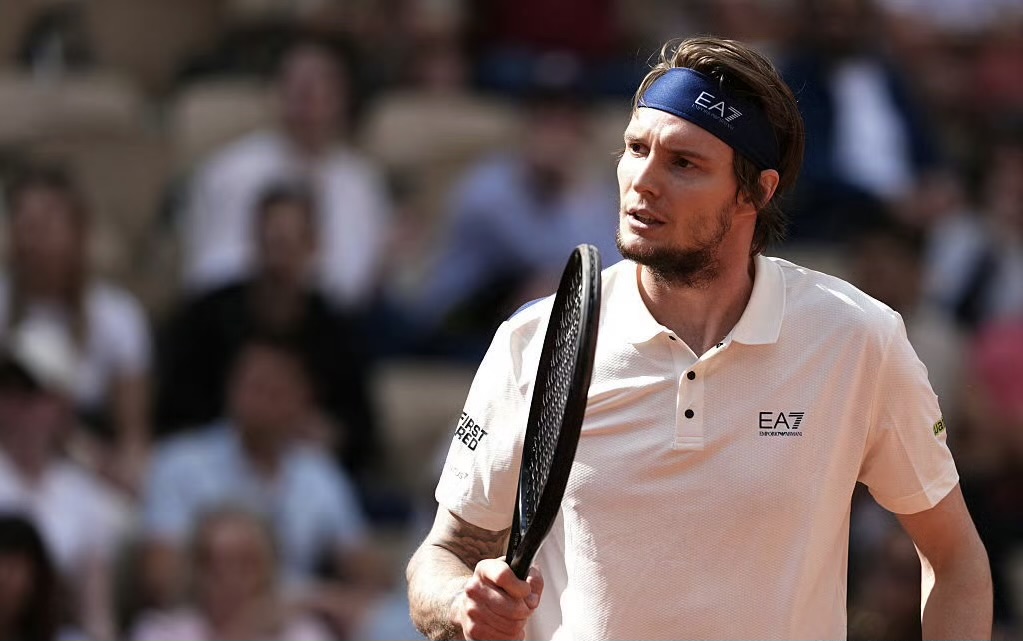
For the 28-year-old player, breaking into the top ten is no longer out of reach. He trails No.10 Draper by only 120 points, and considering his momentum and ability to compete on multiple surfaces, a breakthrough early in the 2026 season seems very likely.
However, Bublik’s concerns go beyond rankings. “What tennis has given me is the priceless lesson of never giving up,” he reflected. “When I cried on the French Open quarterfinal court, it wasn’t just for a win, but for those days when I almost gave up but kept going.”
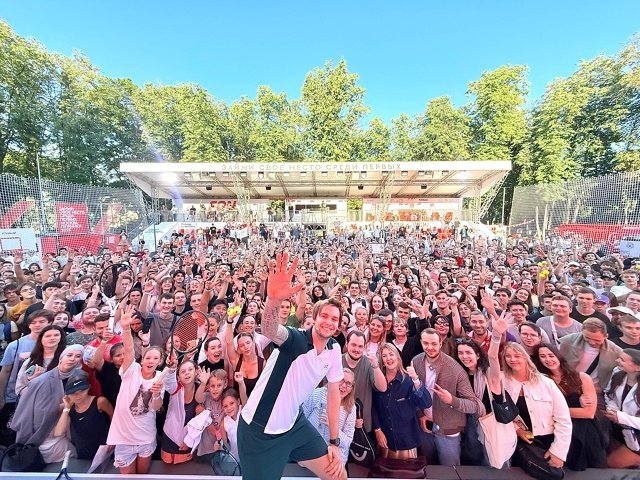
From confusion in Las Vegas to tears in Paris, and then confidence holding four trophies, Bublik’s story is a parable about second chances; sometimes life’s most important breakthroughs begin the moment you decide to give yourself one last shot.
Now, carrying this awareness forward, he moves on with a clear aim: the top ten is just the next starting point, and this new mission has only just begun.(Source: Tennis Home Author: Mei )

 Links
Links
 Contact
Address:UNIT 1804 SOUTH BANK TOWER, 55 UPPER GROUND,LONDON ENGLAND SE1 9E
Number:+85259695367
E-mali:[email protected]
 App
App


