



Italian tennis legend criticizes men’s tennis landscape, noting too many top ten players without Grand Slam titles and lack of aggressive players



Recently, Italian legend Panatta discussed the shifts in men’s tennis during a media interview, openly criticizing the lack of variety in today’s game and expressing his longing for the competitive structure of the 1970s.
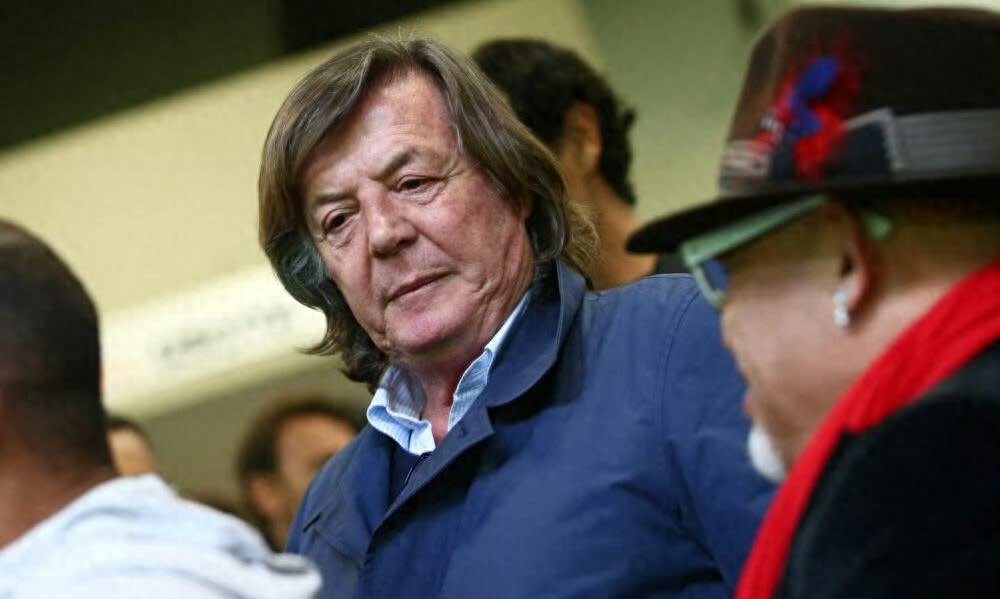
Panatta said in the interview: “In the 70s, if you examined the world rankings, you’d find that all top ten players had secured at least one Grand Slam championship. The competition was more evenly matched. Nowadays, everyone plays the same style, and there are no longer any attacking players.”
This statement directly addresses the core issue in men’s tennis today — the serious homogenization among top players, lacking those with distinctive personal styles and offensive ambition.
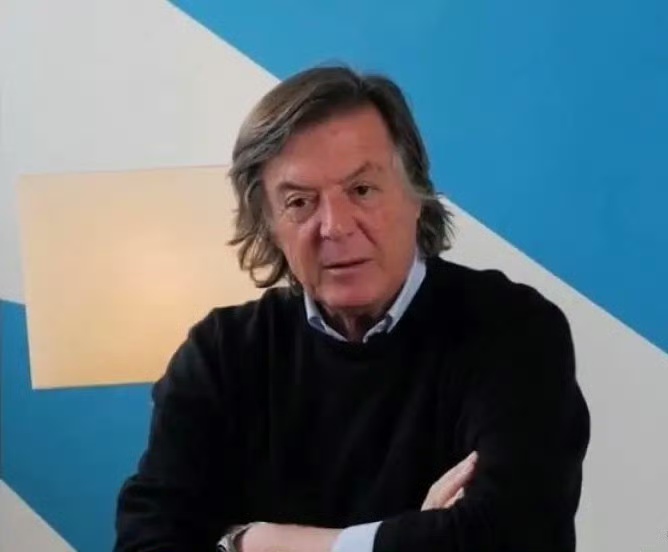
Panatta’s criticism focuses mainly on two aspects: the value of players’ achievements and the diversity of playing styles.
He used the 1970s as an example, highlighting that in that era, every top player held a Grand Slam title, proving their absolute competitiveness in major tournaments. In contrast, many of today’s top ten players have yet to break through to win a Grand Slam.
What worries him more is the convergence of tactical styles. Panatta believes modern tennis training and technical evolution have led players to adopt similar baseline defensive styles, lacking the serve-and-volley players and risk-taking attackers common in his time.
However, some online commentators argue that changes in men’s tennis are due to multiple factors and that this trend is unstoppable. On one hand, advancements in racket technology, slower court speeds, and refined sports science have pushed players to develop more well-rounded skills, reducing the viability of extreme styles.
On the other hand, the high costs of training and the need for stability in professional tournaments encourage players and their teams to favor lower-risk, more predictable tactics. This homogenization ensures ranking stability but comes at the expense of match excitement and stylistic variety.
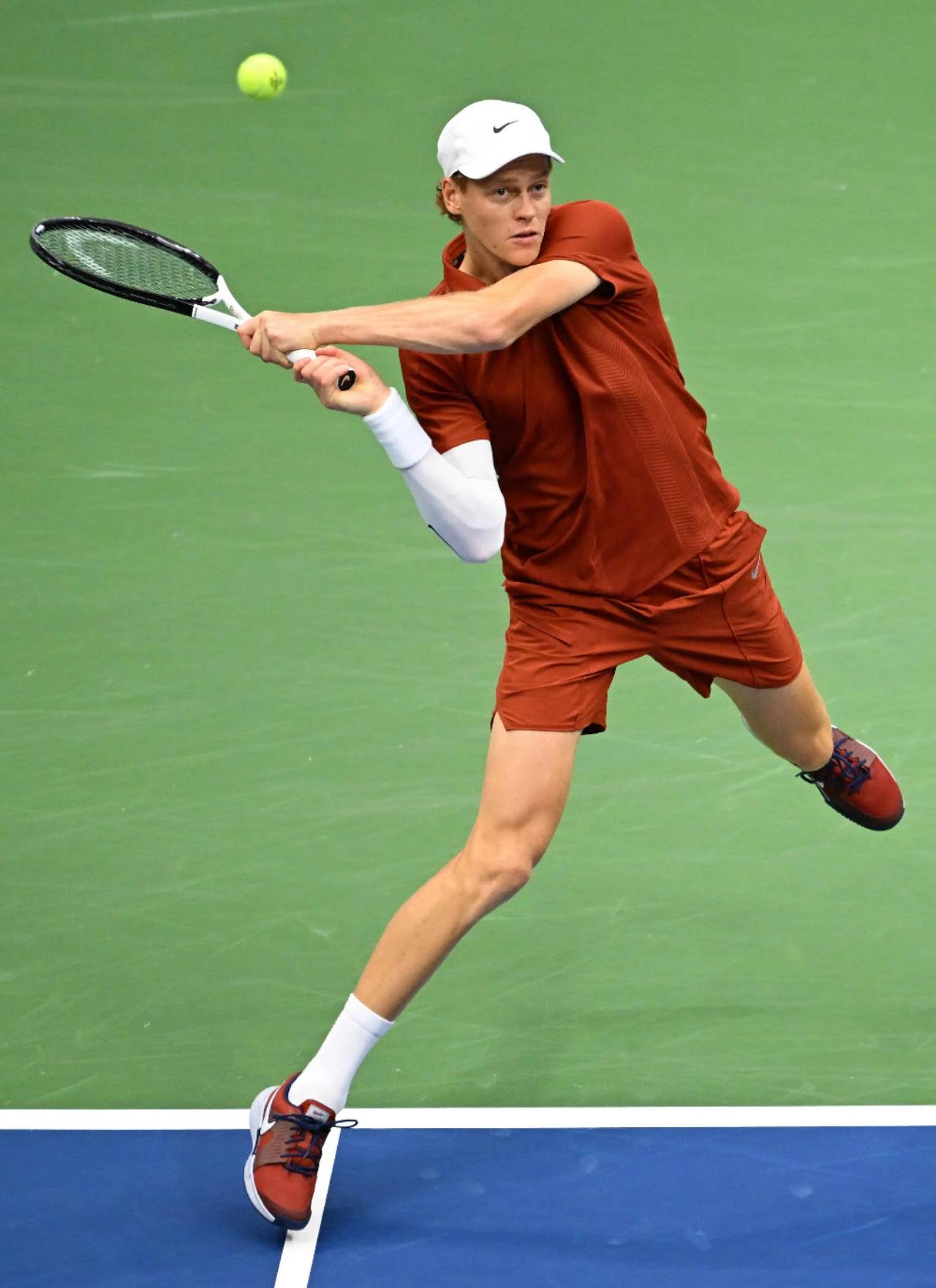
Today, players like Sinner, praised by coaches for having top-level “serve +1” and “return +1” skills, are becoming new benchmarks. Yet, whether this all-around ability means losing individuality is exactly what Panatta questions.
In response to Panatta’s critique, a commentator from Gazzetta dello Sport offered a different perspective. He argued, “The reason modern tennis is misunderstood this way is that players’ skills have become more comprehensive, and their mobility and physical fitness have greatly improved. Thus, even with increased power, it’s still difficult to dominate rallies with just one or two shots, which is a significant reason for the changes in modern tennis.”
Regarding playing styles, some analysts believe the so-called “homogenization” of modern tennis is overemphasized. Although baseline play dominates, players like Alcaraz with varied tactics and Sinner with efficient offense still showcase personal style and innovation.
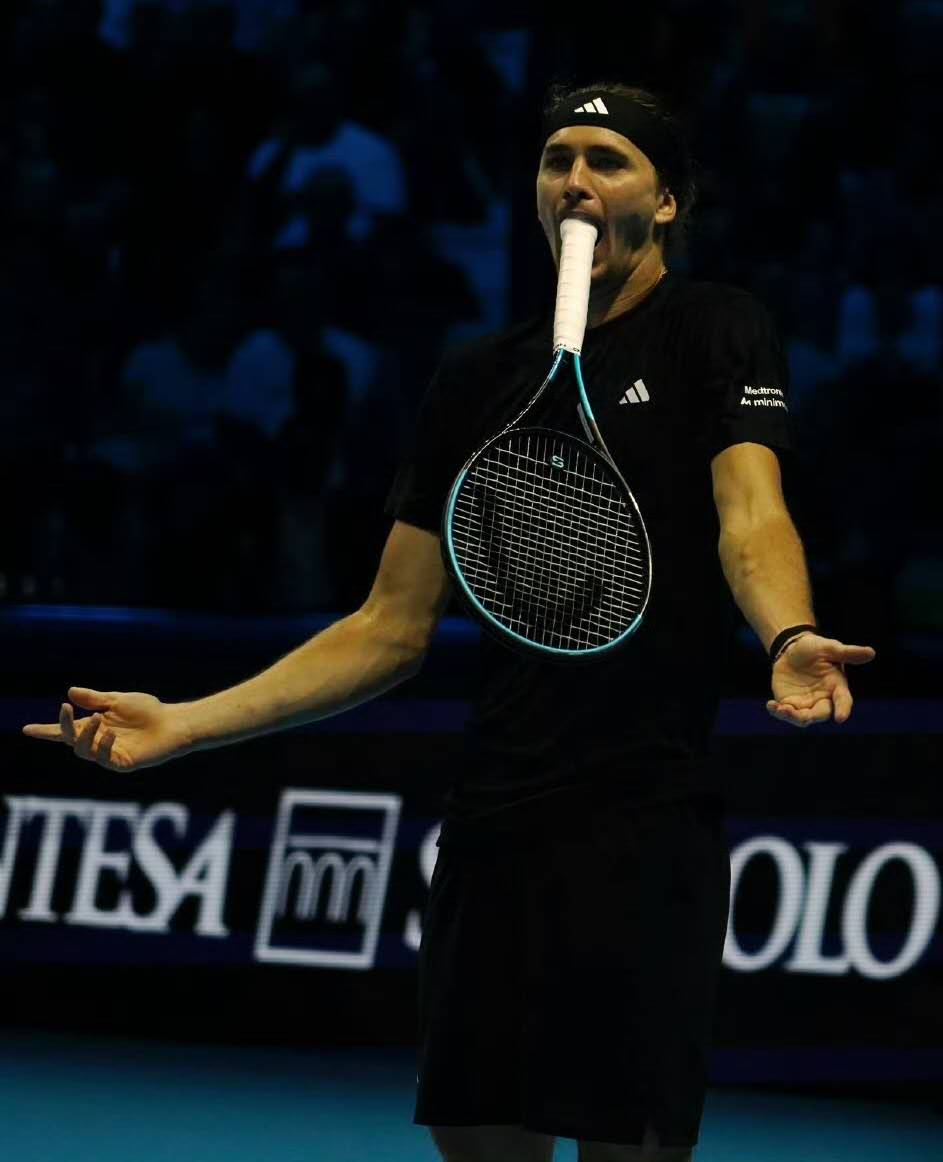
Panatta’s remarks have sparked widespread debate among fans and netizens: supporters of Panatta say, “Today’s matches really lack the thrilling serve-and-volley style of Sampras and Becker. Except for a few, most matches are baseline rallies with little tactical variation.”
However, many opponents argue, “Every era has its own characteristics; we shouldn’t judge new things by old standards. Modern tennis demands greater physical and technical all-around ability from players, and the quality of matches has actually improved.”
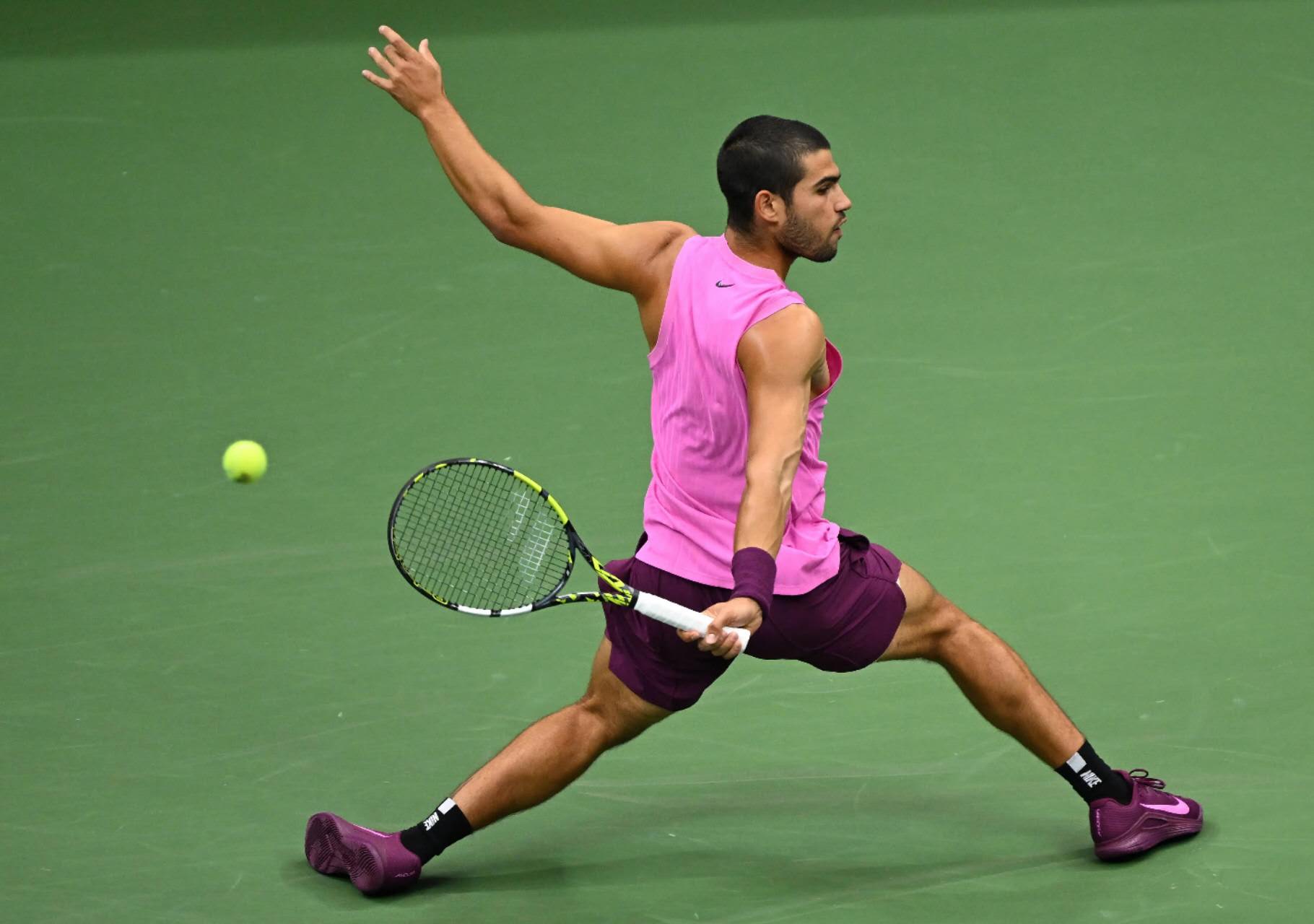
Panatta’s criticism essentially reflects a key contradiction in contemporary tennis development: balancing professionalism with diversity. Tennis stands at a crossroads, needing to find ways to maintain rising competitive levels while preserving the sport’s most appealing variety and unpredictability. What do you think? Feel free to share your views in the comments below.(Source: Tennis Home, Author: Lu Xiaotian)

 Links
Links
 Contact
Address:UNIT 1804 SOUTH BANK TOWER, 55 UPPER GROUND,LONDON ENGLAND SE1 9E
Number:+85259695367
E-mali:[email protected]
 App
App


