



Murray: Clear about his ranking among the Big Four, Nadal was invited upon retirement, understands the doubts



In a recent interview, Murray addressed the persistent disputes regarding his identity as one of the "Big Four." He openly admitted that Federer, Nadal, and Djokovic's accomplishments "far surpass" his own and said he "fully understands" the doubts about his status among the elite.
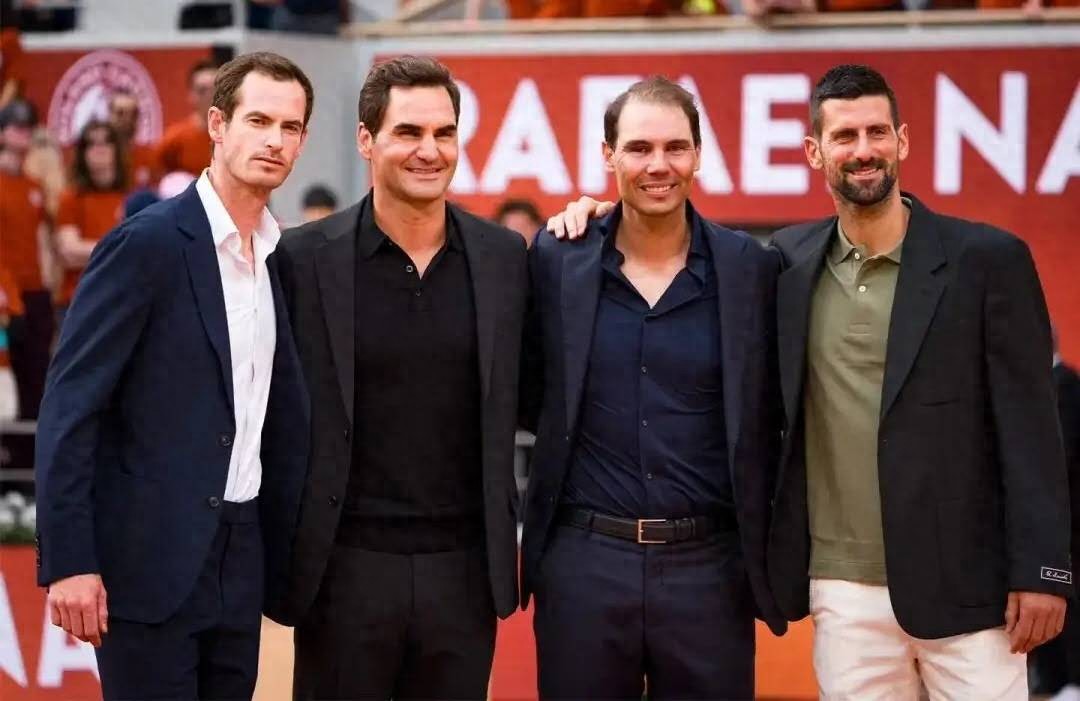
During the golden age of men's tennis, the label "Big Four" has been accompanied by delicate discussions about Murray's role. Compared to the other three, Murray only won his first Grand Slam at the 2012 US Open, and throughout his career, he secured just three Grand Slam titles, which is noticeably fewer than the others. Therefore, even though he reached world number one and successfully defended the Olympic singles gold medal, his position within the Big Four remains somewhat awkward.
As time passed and Federer, Nadal, and Djokovic continued to accumulate achievements, debates intensified over whether the tennis world should recognize a "Big Three" or a "Big Four." Some even compared Murray to Wawrinka, who also has three Grand Slam titles, discussing who truly deserves the "fourth giant" title.
Regarding these controversies, Murray showed a rare level of clarity. In a recent interview, he admitted: "I am very aware of my ranking within the Big Four, and I know those guys went on to achieve far more than anything I did on the court. ... Of course, most of the time they were the ones winning, but not always."
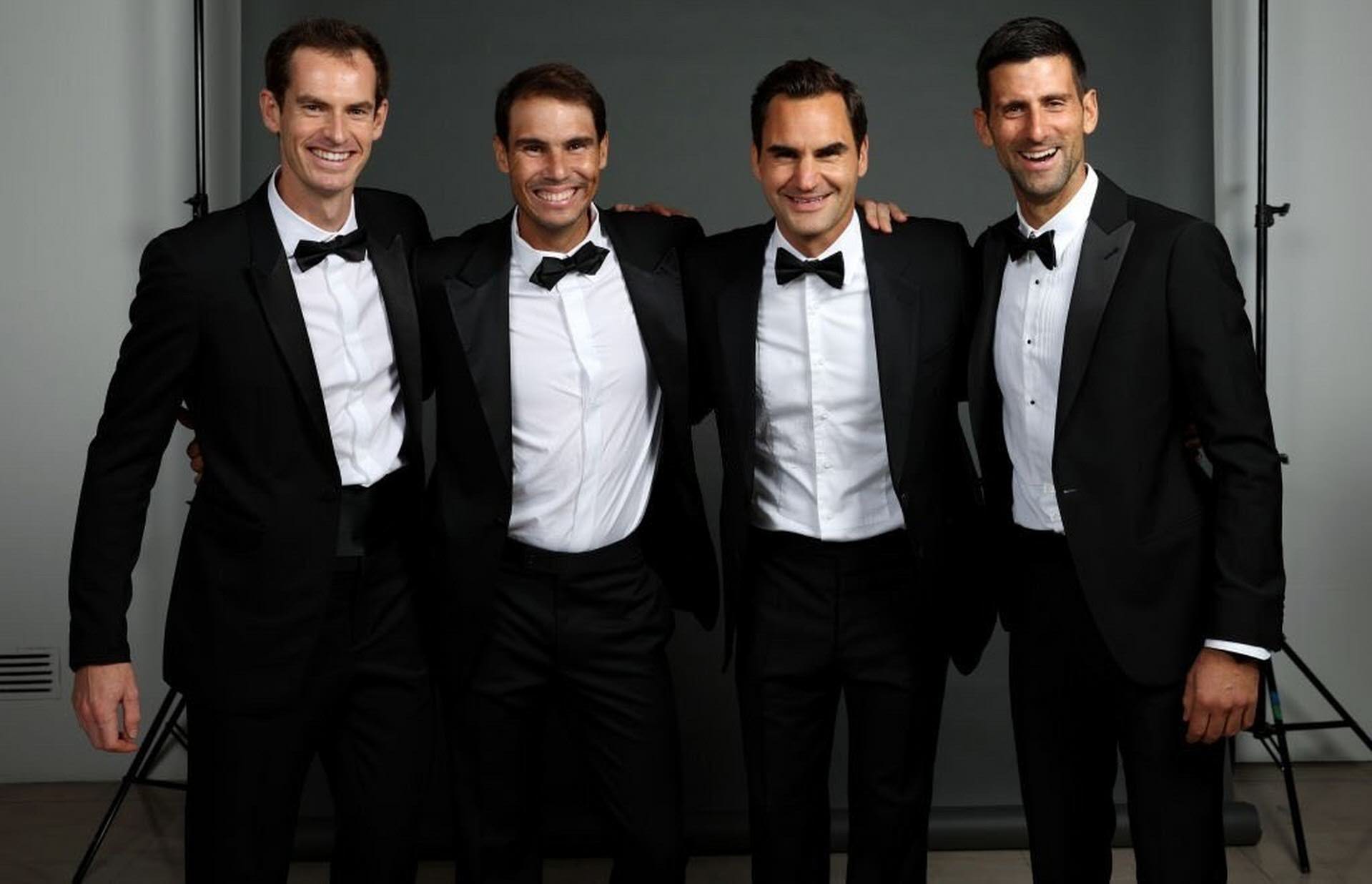
This clear self-awareness stems from his countless direct encounters with the three giants throughout his career. As a player who stayed at the top for a long time, Murray understands better than anyone the gap between himself and Federer, Nadal, and Djokovic.
Looking back to last year, Nadal held a grand retirement ceremony at Roland Garros, attended by Federer, Djokovic, and Murray, bringing the Big Four together once more. However, this reunion also sparked some doubts about Murray. Some spectators and commentators questioned, "Why is Murray there? What is he doing?"
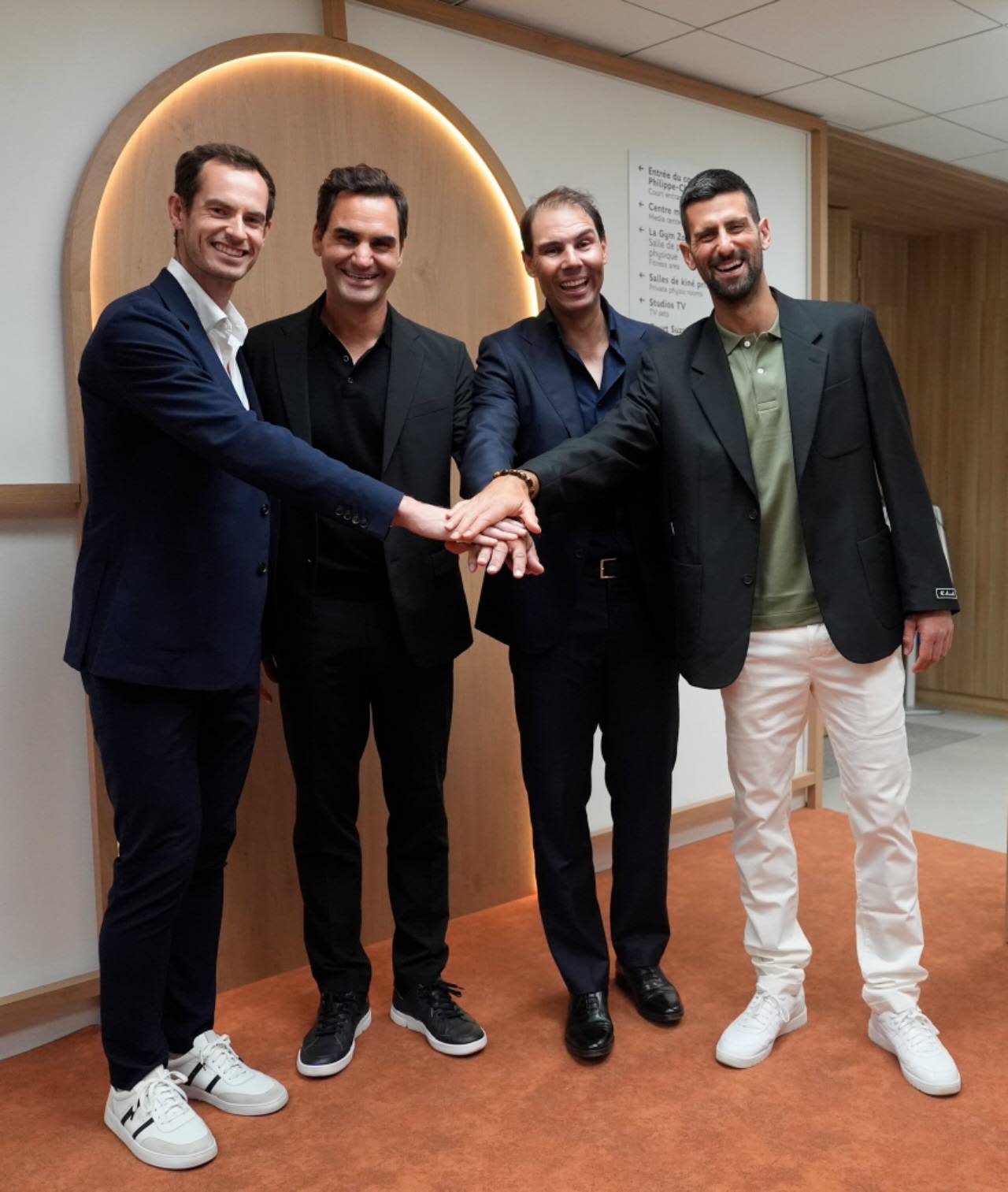
In response to these voices, Murray made a clear statement in the interview. He emphasized that he did not attend uninvited: "I never asked to be at Rafa’s ceremony; he invited me. I went because he asked me to. So when people question, 'Hey, what’s he doing there? Why is he there?' I want to say, I wasn’t there forcing myself in; I was invited. It felt good, and if that was what he wanted, I would definitely attend. If he said no, or when Novak retires and doesn’t want me there, that’s fine too, but I would never push myself into a place where I’m not wanted."
In fact, Nadal himself expressed special gratitude to the three old rivals at his retirement event, saying: "For me, it means a lot that you all came here today." This directly confirms Murray was a guest by invitation.
Despite the differences in achievements, there is indeed a unique competitive and symbiotic relationship between Murray and the other three giants. He defines his place in tennis by a specific period of time.
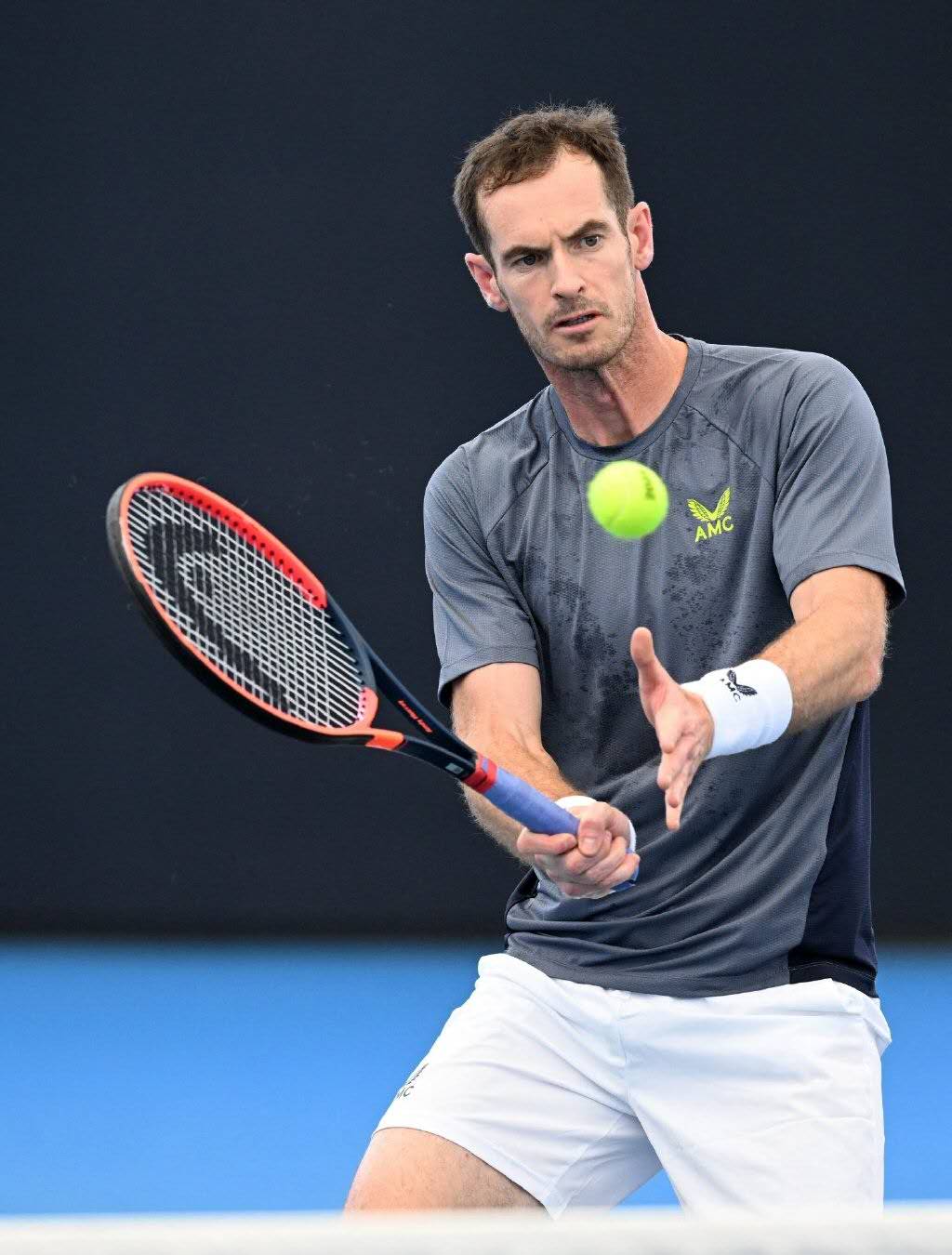
"Between the ages of 22 and 29, I was indeed appearing alongside them in most Grand Slams," Murray recalled. "There were always two, three, or even four of us reaching the final stages."
This long-term dominance at the top of tennis is precisely the origin of the "Big Four" name. Murray emphasized: "The reason people call us the Big Four is because in every major tournament, two, three, or even all four of us were always there in the last stages."
Opinions among tennis fans about Murray’s position in the Big Four vary significantly, but most recognize his unique contributions.
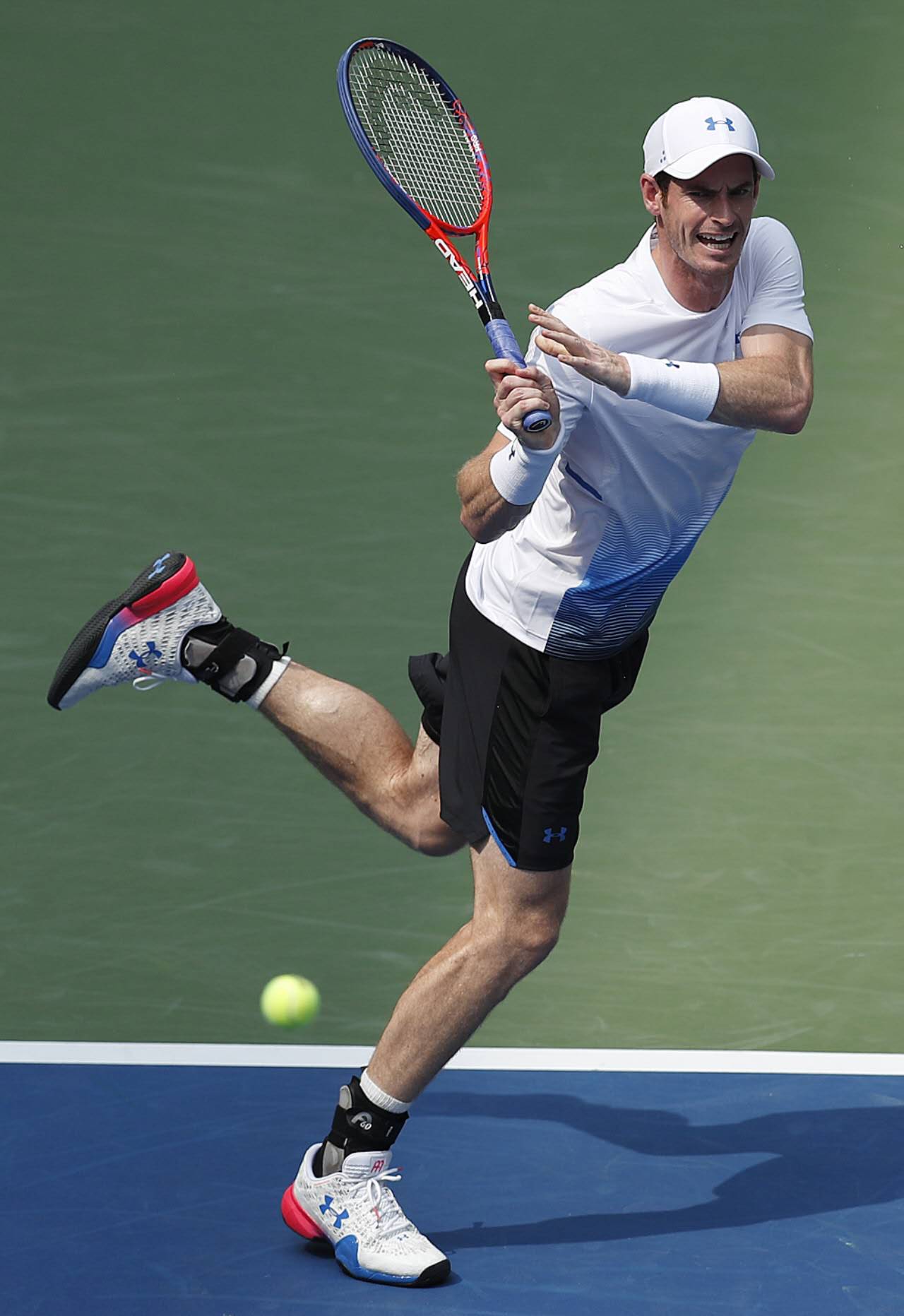
In related discussions, one commenter wrote: "Murray was somewhat unlucky; in other eras, he could have won several more Grand Slams, but he happened to face the Big Three plus his injury problems." This comment received many likes.
Another fan analyzed from an achievement perspective: "Murray has three Grand Slams and many Masters titles, defended his Olympic gold, and reached world number one — these are enough to place him among the Big Four. Apart from Federer, Nadal, and Djokovic, no one else reached that level."
These views reflect the dual nature of public opinion on Murray: on one hand, acknowledging the gap between him and the Big Three, while on the other hand, affirming his dominance and unique achievements during a certain period.
Even Wawrinka, often compared to Murray, humbly stated he should not be mentioned in the same breath: "When people start talking about a Big Five or similar topics, or because Murray has three Grand Slams and I have three, they put me and him together, which makes me uncomfortable."
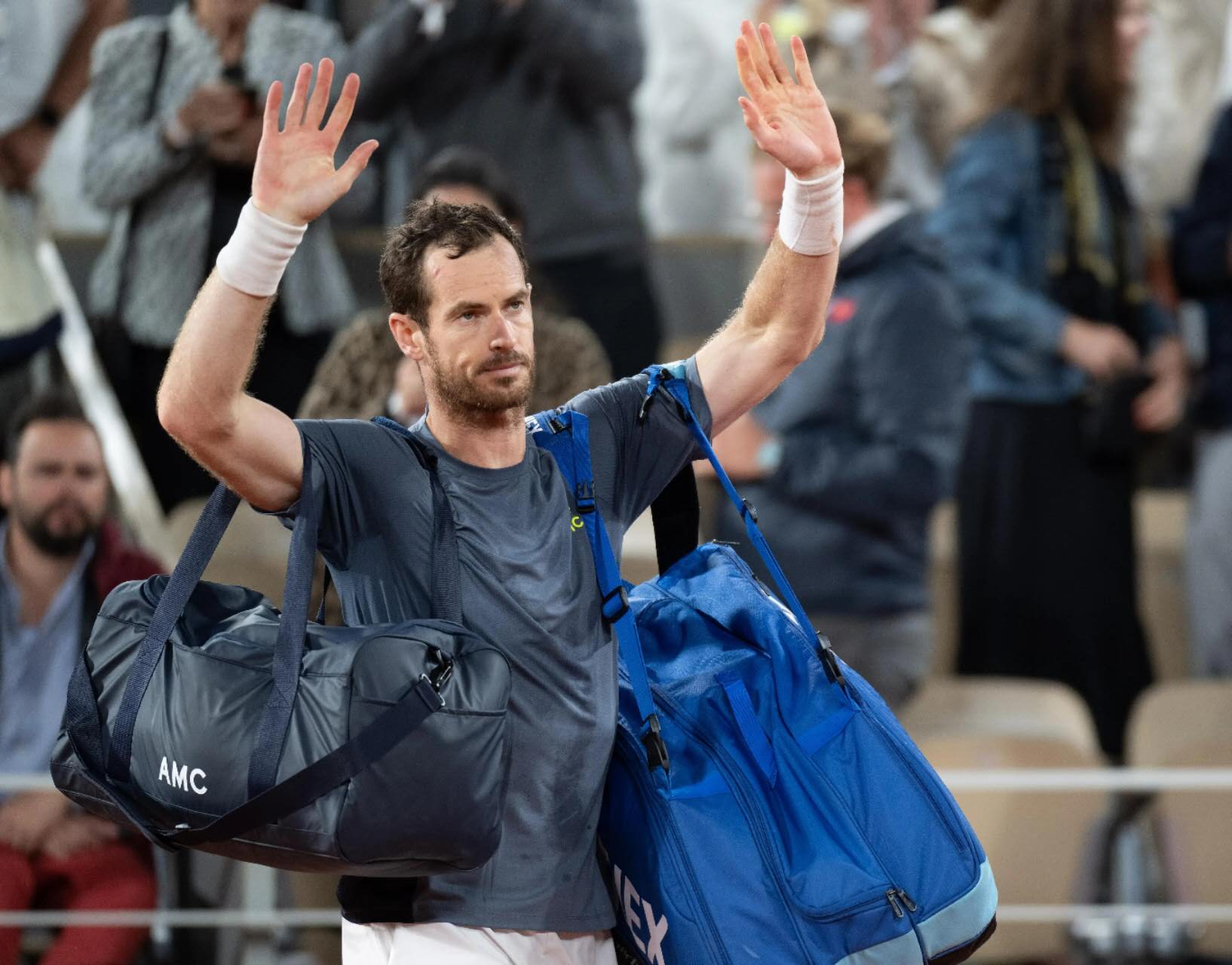
Tennis commentators and experts provide a more detailed and in-depth analysis of Murray’s "Big Four" status. They believe the term "giant" not only relates to Grand Slam counts but also includes long-term dominance and consistent competitiveness in major tournaments. From this perspective, Murray indeed meets the "giant" criteria. He is one of the few players in the Open Era to reach world number one and sustain competitiveness in Grand Slams over a long period.
Some media have pointed out that the past decade should be called the "era of giants" because these players not only won titles but also consistently controlled quarterfinals and semifinals across all events. By this standard, Murray unquestionably qualifies as a giant.
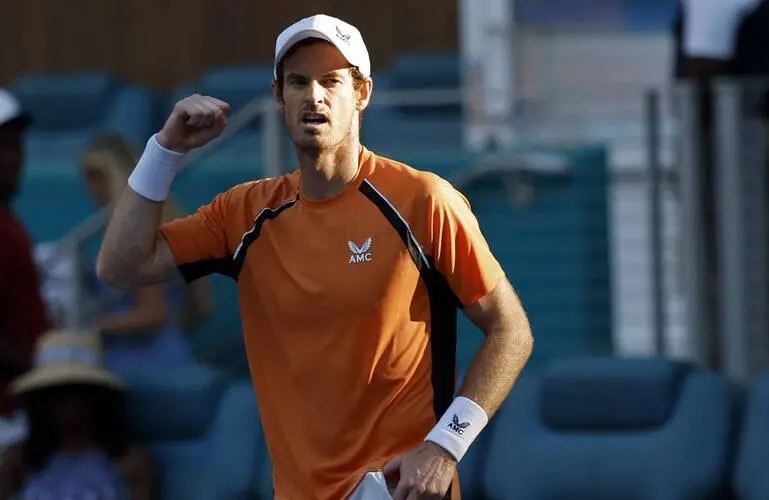
Djokovic recently commented on today’s tennis "duopoly" phenomenon, indirectly affirming the diverse competition of the Big Four era. He noted that when Federer and Nadal dominated, he was "unwilling to accept it and stepped up to challenge," and now the sport needs new warriors to break the deadlock. This multi-strong rivalry was a hallmark of the Big Four era.
With Nadal’s retirement, the Big Four era has officially come to an end. Among these four players who defined an era, only Djokovic remains active on the professional tour.
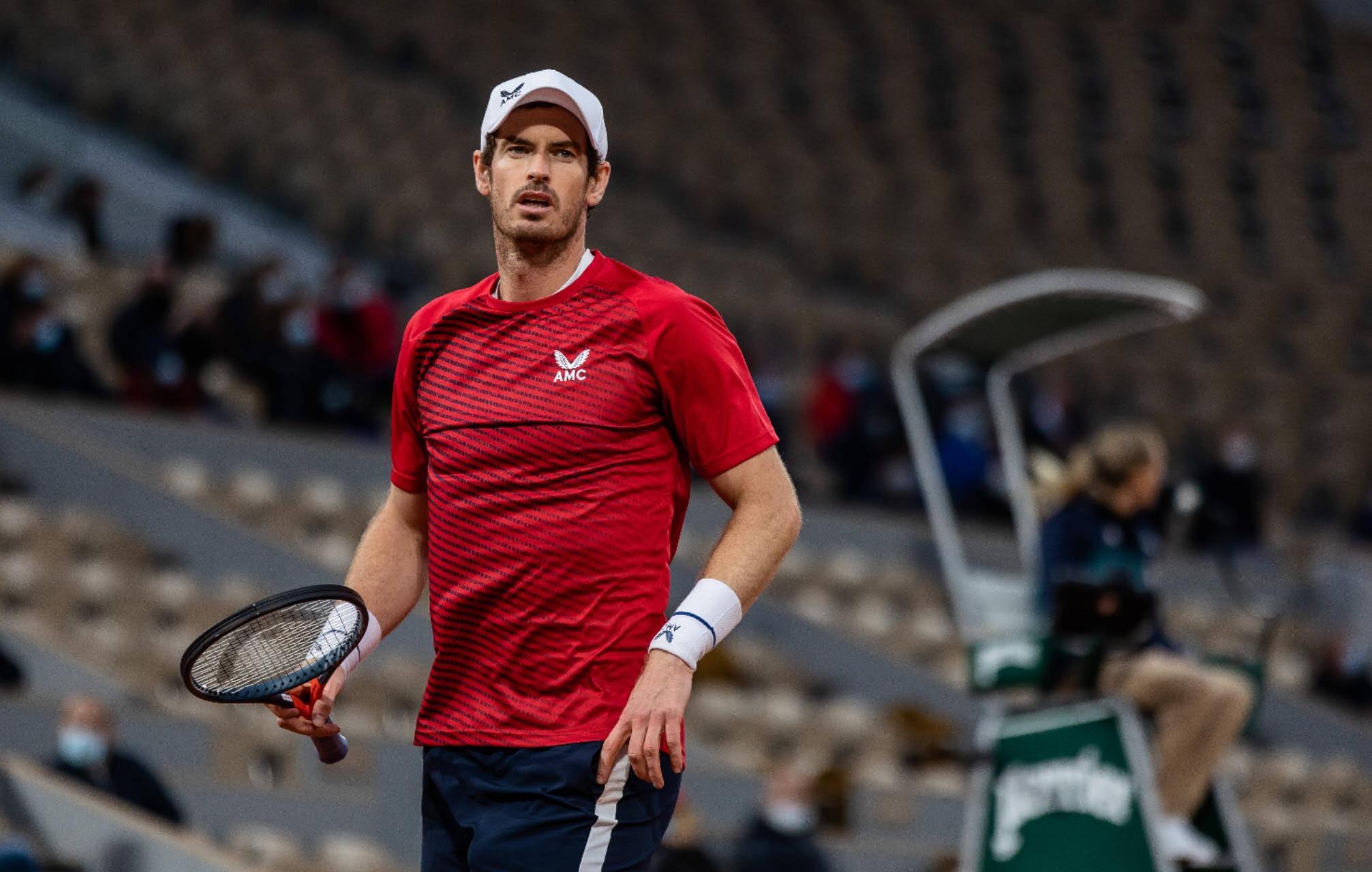
Now, with the rise of new-generation players like Sinner and Alcaraz, men's tennis seems to be forming a new "duopoly." This situation makes people even more nostalgic for the diverse and multi-strong competitive environment of the Big Four period.
"I’m proud to have been part of that era," Murray’s words reveal his final stance. As tennis enters a new phase of dominance, the competitive diversity of the Big Four era becomes even more precious. Those years, four names defined tennis, and Murray was always one of them.(Source: Tennis Home, Author: Lu Xiaotian)

 Links
Links
 Contact
Address:UNIT 1804 SOUTH BANK TOWER, 55 UPPER GROUND,LONDON ENGLAND SE1 9E
Number:+85259695367
E-mali:[email protected]
 App
App


