



Djokovic: A conviction money cannot buy, the rarest authenticity in tennis



Tennis coach Moratoglou hit the core issue of contemporary sports culture in an interview: “Most wealthy tennis players won’t refuse commercial deals purely based on personal beliefs.” Yet, in this renowned coach’s eyes, Djokovic stands out as “the most genuine player in tennis,” setting a completely different example: an exception who money cannot sway from his convictions.
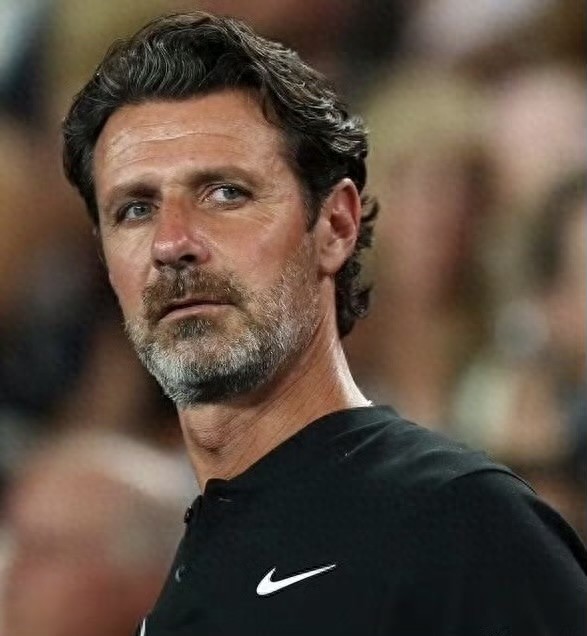
When we examine the modern tennis ecosystem, we understand how precious and rare such “genuineness” is. The tour resembles a lavish commercial gala where athletes are integrated from a young age into a finely tuned system: equipment sponsors, apparel contracts, endorsements, social media promotions... Each aspect shapes a brand rather than just developing an athlete. In this environment, compromise becomes the norm, and personal beliefs are often packaged into market-friendly images. How many players would say no to potentially lucrative contracts? Moratoglou’s assertion exposes a harsh reality: very few.
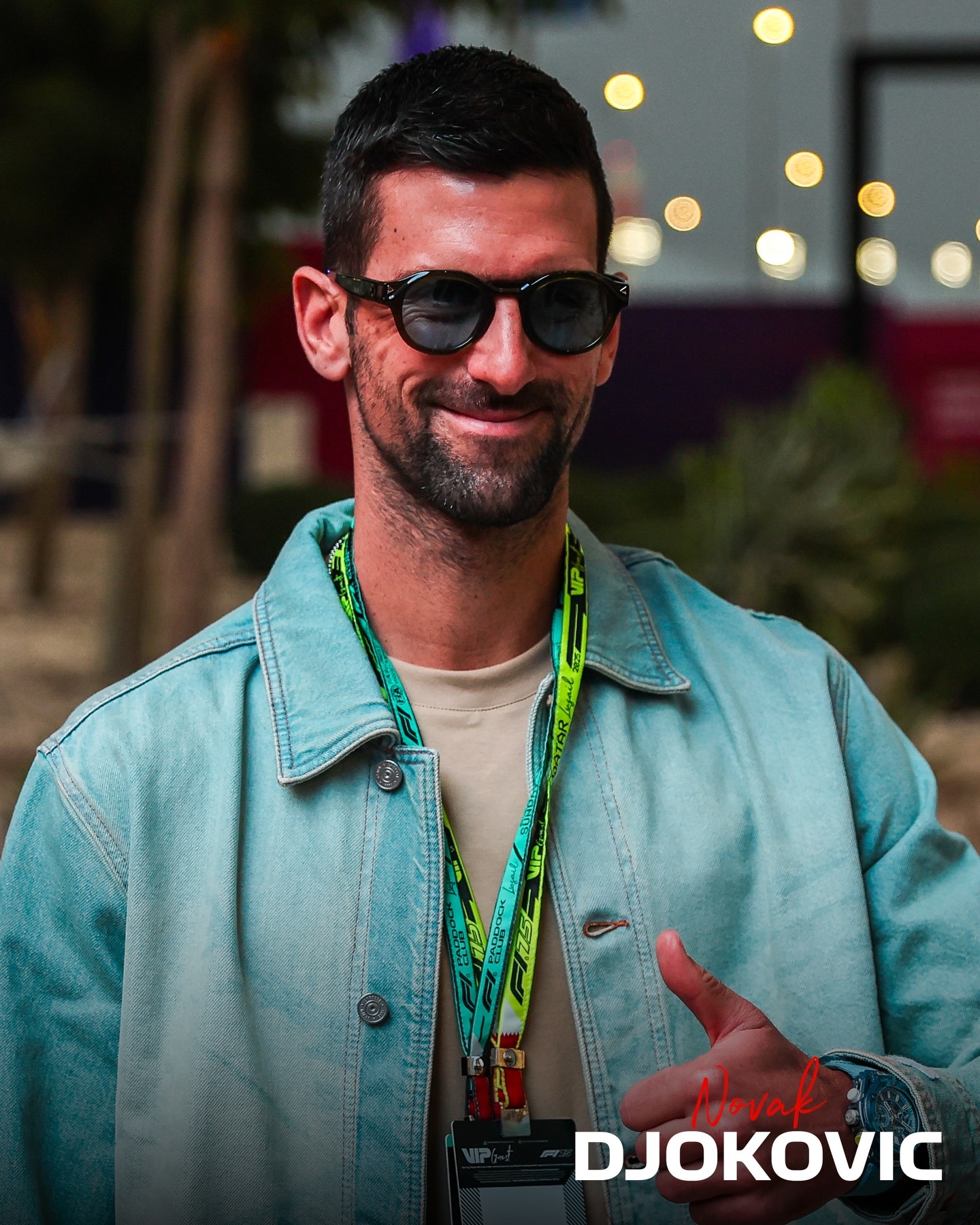
Djokovic, however, has taken a different path on this assembly line. His authenticity is not a mere personality trait but the result of a series of conscious choices. From early adherence to a gluten-free diet that was questioned, to openly discussing energy healing and spiritual practices, and his stance on vaccination during the pandemic, he repeatedly chose paths that risked his commercial interests but stayed true to his inner beliefs. Especially his vaccine stance, which caused him to miss major tournaments like the 2022 Australian Open and US Open—this was not just a loss of prize money but potentially a blow to his historical legacy. While most athletes find a comfortable balance between commerce and conviction, Djokovic repeatedly places himself in the eye of the storm.
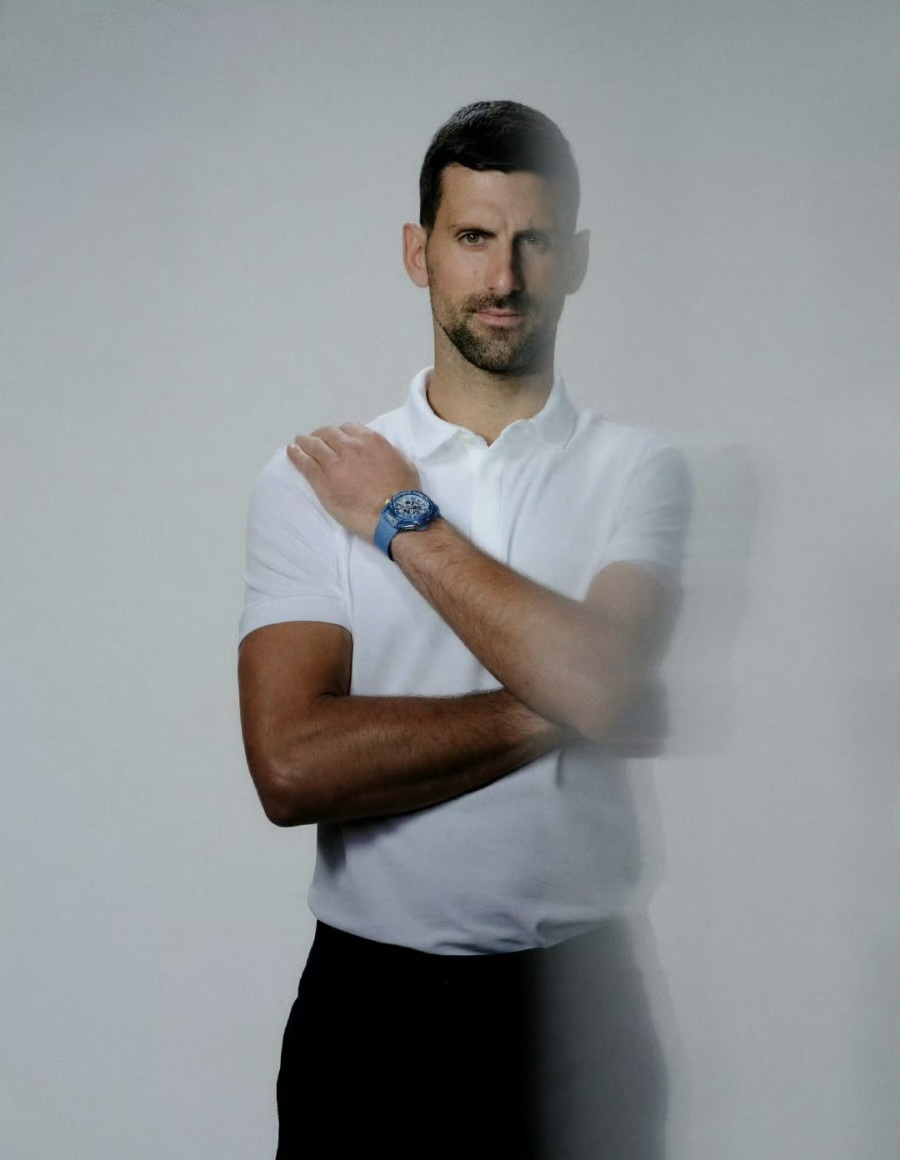
The psychological mechanism behind this persistence deserves closer examination. In an era that values political correctness and PR safety, Djokovic exhibits a near-classical athlete’s character: prioritizing inner consistency over external approval. His controversy lies here—in a world accustomed to carefully calculated statements, his authenticity is striking and jarring. People may disagree with his views, but it’s hard to deny the frankness with which he expresses them. This genuineness is not recklessness but a deliberate self-loyalty, a personalized redefinition of success: victory is not just trophies and endorsements, but maintaining an intact self.
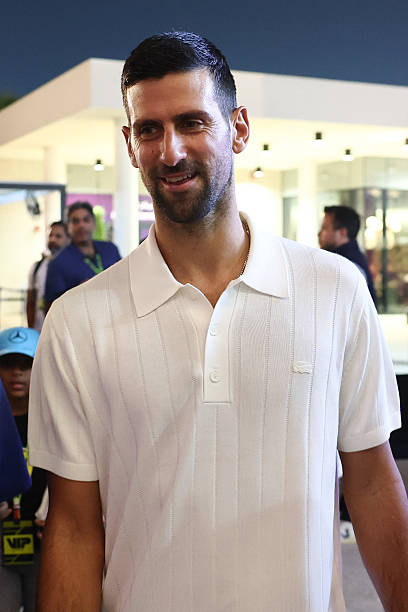
Djokovic’s authenticity reflects a certain alienation within tennis and professional sports. As commercial logic infiltrates every capillary of sport, athletes often unconsciously become prisoners of their own brand. The angle of a smile, interview phrasing, social media posts—all may be meticulously planned by a team. Against this backdrop, Djokovic acts like a mirror reflecting many peers’ self-censorship under commercial pressure. “He is steadfast in his beliefs; money will never force him to act against his faith. Most people don’t realize how rare that is.” The rarity Moratoglou refers to is precisely this scarce ability to maintain independent thought and action amid systemic pressure.
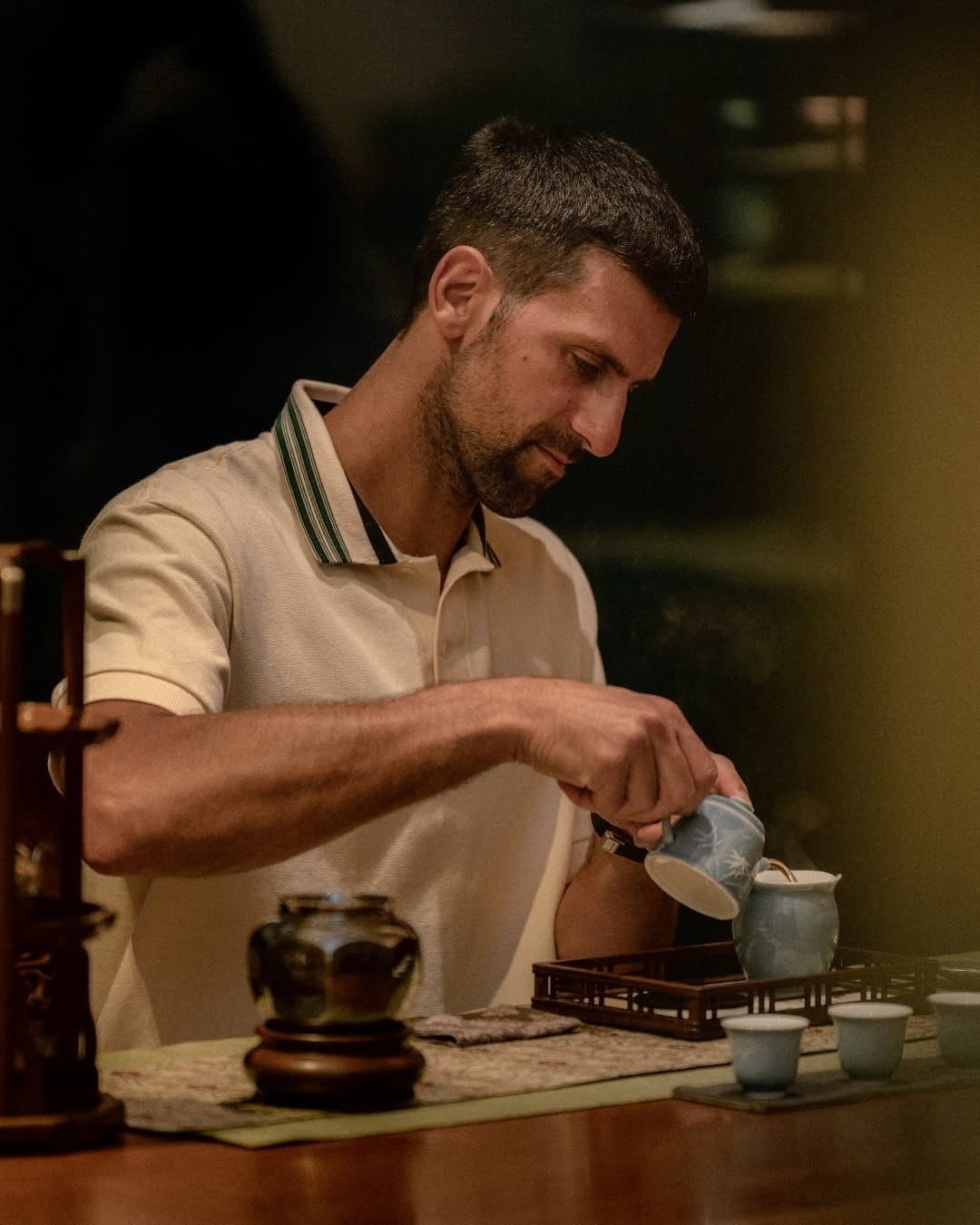
Yet Djokovic’s path comes with a price. His public image has become polarized, and his commercial value may be affected. But this cost actually confirms the authenticity of his convictions; if a stance requires no sacrifice, it is likely just part of a constructed persona. In this sense, Djokovic redefines the courage of tennis players: not only daring to strike at match point but also daring to say no in the face of commercial temptation.

Moratoglou’s evaluation ultimately points to a question beyond tennis: in an era of material abundance, can people still be driven by beliefs rather than interests? Djokovic offers his answer. His story shows us that the highest professionalism may not lie in maximizing income and honors but in minimizing self-betrayal.
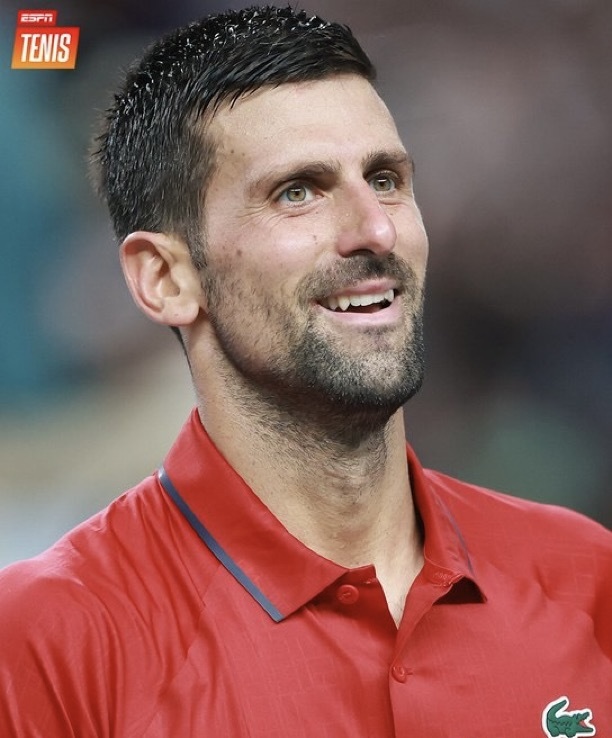
When the applause from the final match fades and sponsorship contracts expire and renew, what remains in history will not only be Djokovic’s record of 24 Grand Slam titles but also a unique figure who stayed true to himself amid the commercial tide. In this sense, his “genuineness” has become a deeper legacy than any championship, reminding every successor that the highest realm of sports might be the freedom of the soul.(Source: Tennis Home, Author: Mei)

 Links
Links
 Contact
Address:UNIT 1804 SOUTH BANK TOWER, 55 UPPER GROUND,LONDON ENGLAND SE1 9E
Number:+85259695367
E-mali:[email protected]
 App
App


