



Muguruza: Even when I was world No.1, I might not have been able to beat a teenage male player.



“Even at my peak, when I was ranked No.1 in the world, I might still lose to a teenage boy.” Spoken with calm candor by Muguruza, a two-time Grand Slam winner and former WTA world No.1, this statement unintentionally exposes a seldom-addressed divide in professional athletics. Her frankness not only relates to the physiological realities of gender differences but also touches on the fundamental competitive philosophy in sports.

Muguruza’s observation is not unique. Tennis star Sharapova once admitted the significant gap she felt training with male players; Serena Williams—often hailed as the greatest female tennis player ever—has humorously and honestly said she believed she wouldn’t rank within the top 700 male players. Even more thought-provoking, in 1998, Venus Williams confidently challenged male player Blake, ranked 203rd, but lost by a wide margin. These experiences from top female athletes point to an objective physiological gap in sports performance.
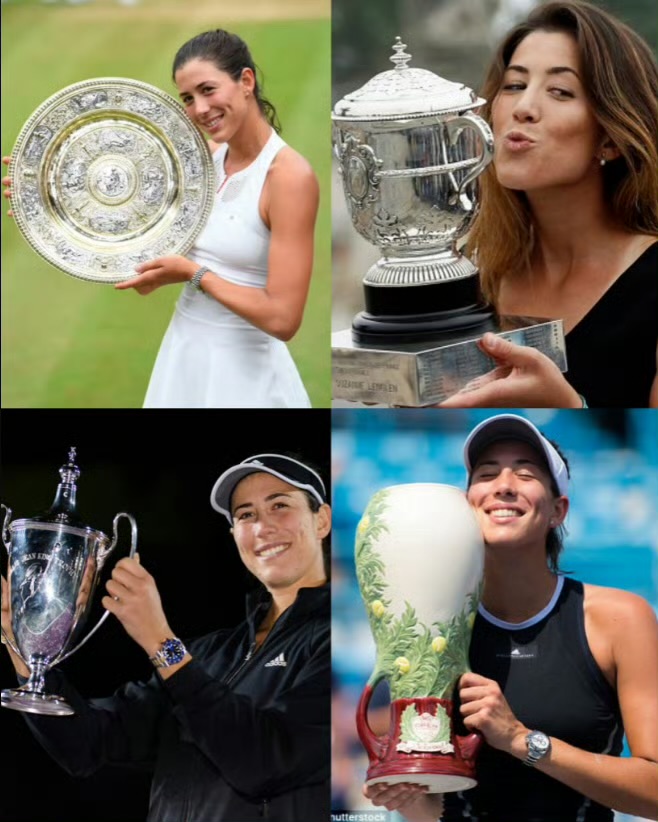
The root of this difference lies deeply in human biological structure. Scientific studies show that adult males generally possess higher muscle mass, greater explosive power, and faster recovery abilities than females. For example, men tend to have a higher proportion of fast-twitch muscle fibers, which are crucial for the explosive movements required in tennis; men’s hemoglobin levels are typically about 10-15% higher, meaning better oxygen-carrying capacity and endurance. This is not a simple judgment of strength but an objective fact of evolutionary functional differentiation. For this reason, most professional sports separate competitors by gender—not to limit women, but to create a fairer competitive environment where athletes of different genders can showcase excellence under relatively equal conditions.

Interestingly, societal perceptions of this issue are quietly shifting. In the past, openly discussing physiological differences between male and female athletes was often seen as politically incorrect or even disrespectful to female athletes. Today, more top athletes like Muguruza are openly acknowledging and discussing this reality. This change reflects the rising status and confidence of women in sports; they no longer need to obscure differences to prove their worth but can openly recognize them while emphasizing the extraordinary significance of their achievements. When Muguruza calmly states that “male players ranked around 1000 or even unranked might be stronger than the top ten female players on the WTA tour,” she expresses no self-deprecation but rather a deep understanding of the essence of competitive sports.
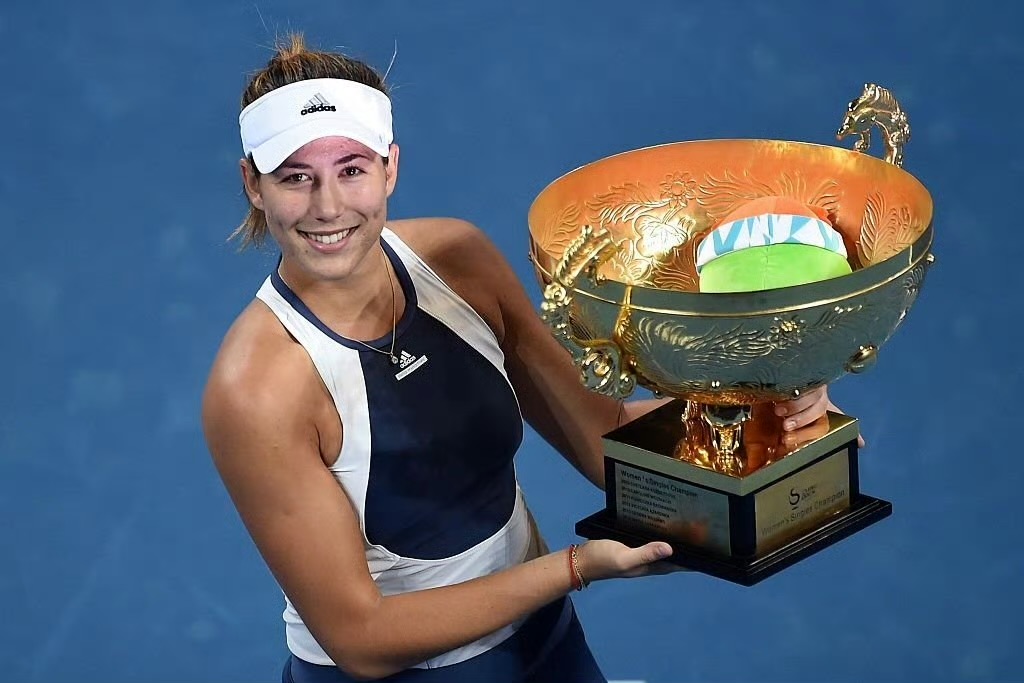
This honesty ultimately leads us to the core of sportsmanship. The appeal of competitive sports has never been about abstract comparisons of who can beat whom, but about how humans continuously push their own limits. The history of women’s tennis itself is a story of breakthroughs—from being regarded as a garden party pastime to becoming a globally recognized professional sport; from limited participation opportunities to Grand Slam events offering equal prize money to men. The value of athletes like Muguruza lies not in whether they can defeat teenage male players but in the heights they reach within women’s tennis, demonstrating exquisite skill, resilient willpower, and outstanding tactical intelligence.

Muguruza’s frankness acts like a mirror, reflecting both the undeniable physiological differences between genders and the purest brilliance of the sporting world. It is not a simple comparison of strength but the ultimate pursuit within each athlete’s own arena. When we shift focus away from who is stronger, we see a broader sports landscape: an athlete’s greatness is not measured by defeating every opponent but by how they continuously surpass themselves, reaching astonishing heights within their own capabilities.

Perhaps this is the deepest insight behind Muguruza’s honesty: acknowledging differences is not admitting weakness, understanding limits is not setting restrictions, but rather, based on recognizing objective realities, it is about cherishing every person’s attempt and glory in surpassing themselves. In the world of sports, true greatness is always a contest with oneself, the fullest exploration of inner potential, and a legacy equally worthy of respect whether male or female, written within their respective fields.(Source: Tennis Home Author: Mei)

 Links
Links
 Contact
Address:UNIT 1804 SOUTH BANK TOWER, 55 UPPER GROUND,LONDON ENGLAND SE1 9E
Number:+85259695367
E-mali:[email protected]
 App
App


