



Alcaraz Faces Criticism from American Journalist for Frequent Exhibition Matches During Off-Season



By late November, with the 2025 season wrapped up, most players took a short rest before engaging in rigorous winter training ahead of the Australian Open. In contrast, the top-ranked Alcaraz chose to embark on long journeys, frequently playing in exhibition events. In December, he competed first in New Jersey, then Miami, and even planned to skip warm-up tournaments before the Australian Open to play an exhibition in Seoul, South Korea on January 10. Regarding this,Veteran American tennis journalist Steve Flink commented sharply on Alcaraz’s commercial decisions to participate so often in exhibitions during the off-season, suggesting it might impact the young prodigy’s performance at the Australian Open.

“He absolutely has the right to do this, but he has his whole life to earn money. He has so much time to build his bank account, and I think it would be wiser to avoid this,” Flink remarked with a pointed tone. In his view, the 22-year-old Spanish rising star has a long career ahead to accumulate wealth, and traveling for exhibitions during the off-season may not be the smartest choice.
This is not the first time Alcaraz has faced such criticism. Previously, he was reproached for his packed exhibition schedule, to which the young Grand Slam champion firmly defended himself: “Exhibition matches last only one day. You just need to stay focused, warm up, and practice a bit, all for a single match.”
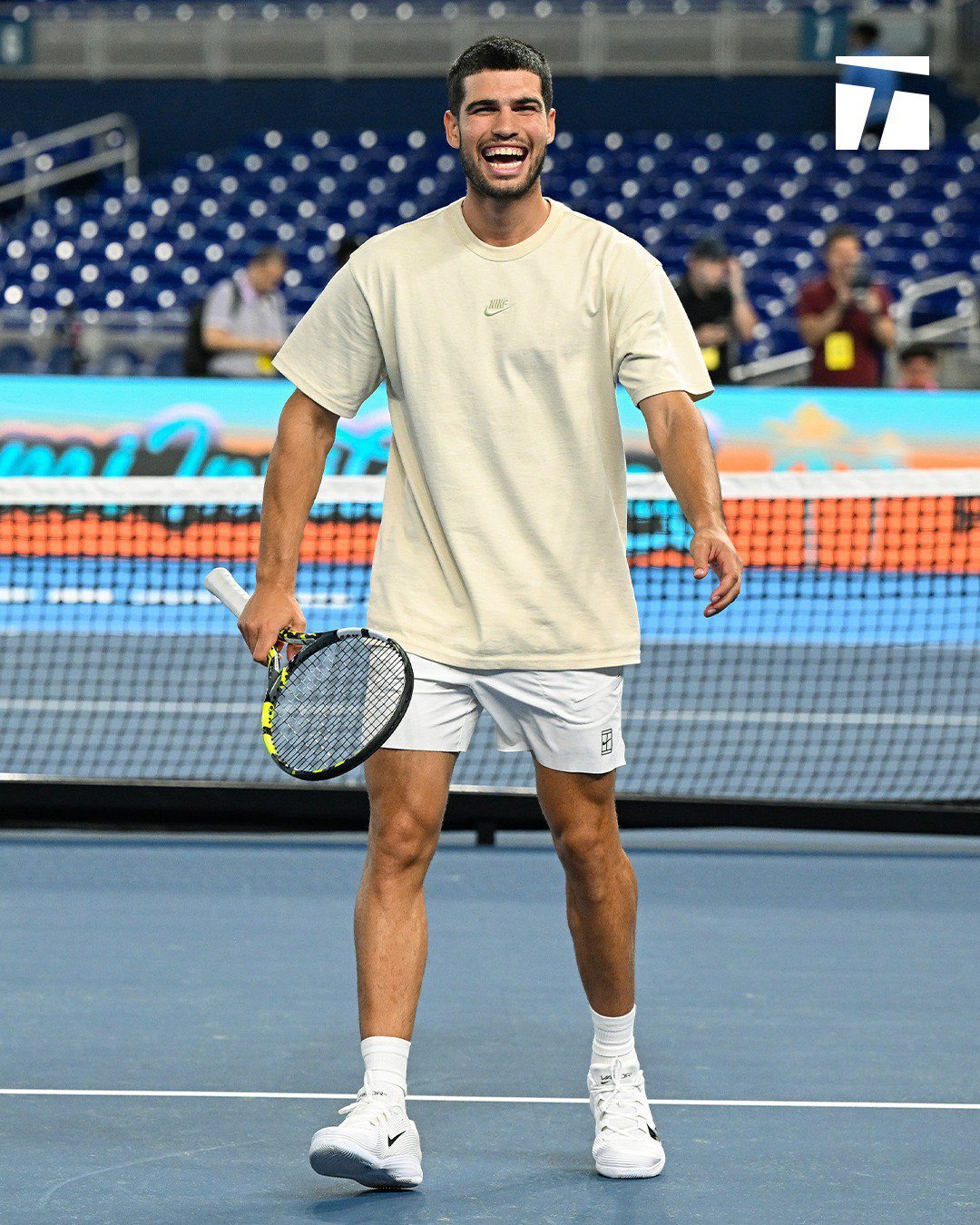
He clearly distinguished exhibition matches from official competitions: “In official matches, you must stay focused, which is physically and mentally demanding. Exhibitions can be interpreted in many ways — they can be played purely for fun, showcasing beautiful tennis, impressive shots, and enjoyment. Or they can be taken seriously, using tactics and strategies to prepare for official matches.”
This stance of “being serious yet enjoying the fun” reflects the new generation of players’ understanding of tennis’s multifaceted value. For them, tennis is not only a competitive battle but also an opportunity to engage with fans, display personal charisma, and even relax and recharge.
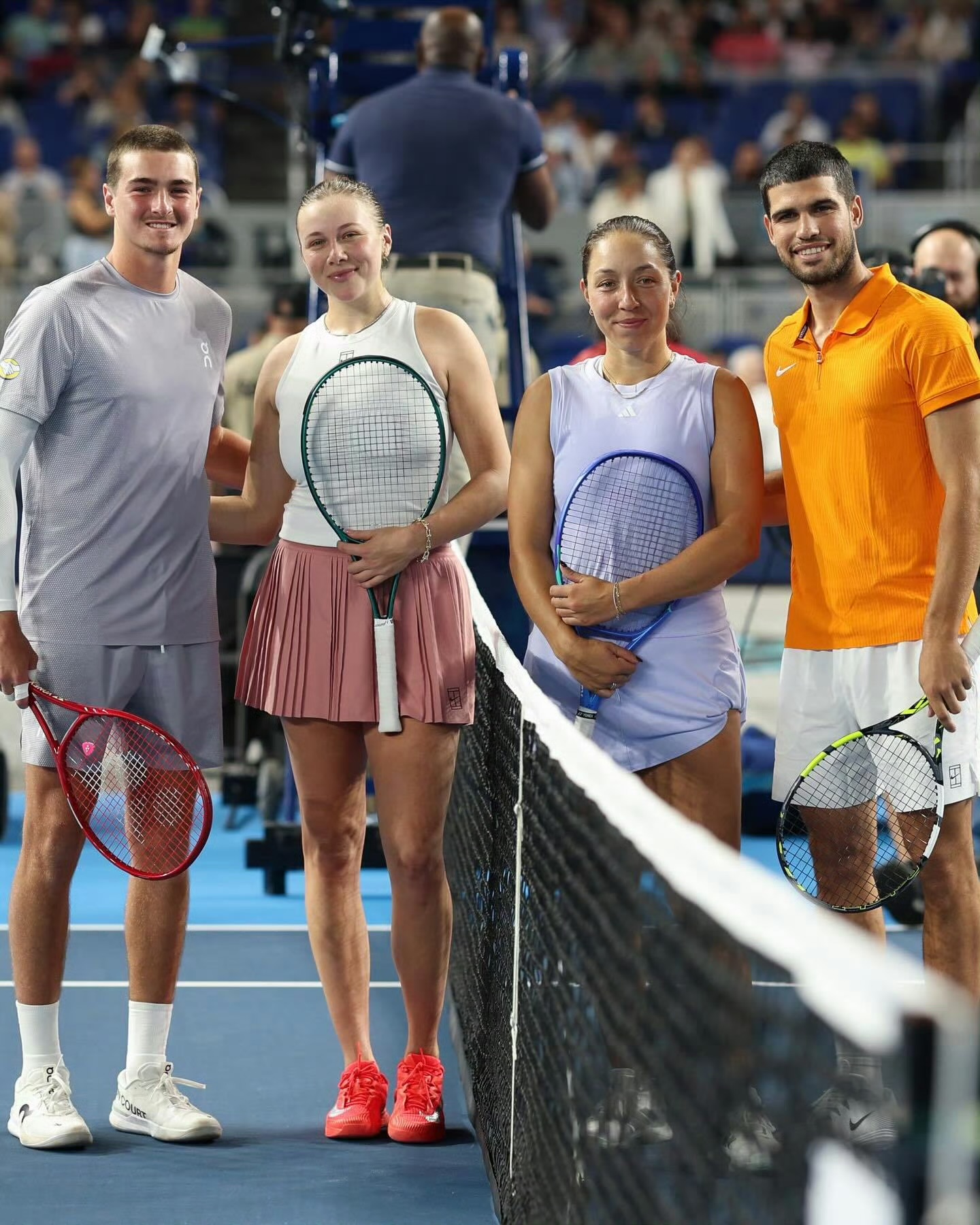
Tennis stars playing exhibition matches is nothing new. In fact, from Rod Laver to Roger Federer, generations of tennis legends have sought a delicate balance between commercial activities and competitive form. Exhibitions often offer substantial appearance fees, forming a significant part of players’ income, especially for emerging stars like Alcaraz who are rapidly building their wealth.
However, the harsh reality of professional tennis is that history only remembers the number of Grand Slam titles, not the number of exhibition appearances. Flink’s criticism essentially points to this core conflict: balancing short-term commercial gains with maintaining long-term competitive condition.
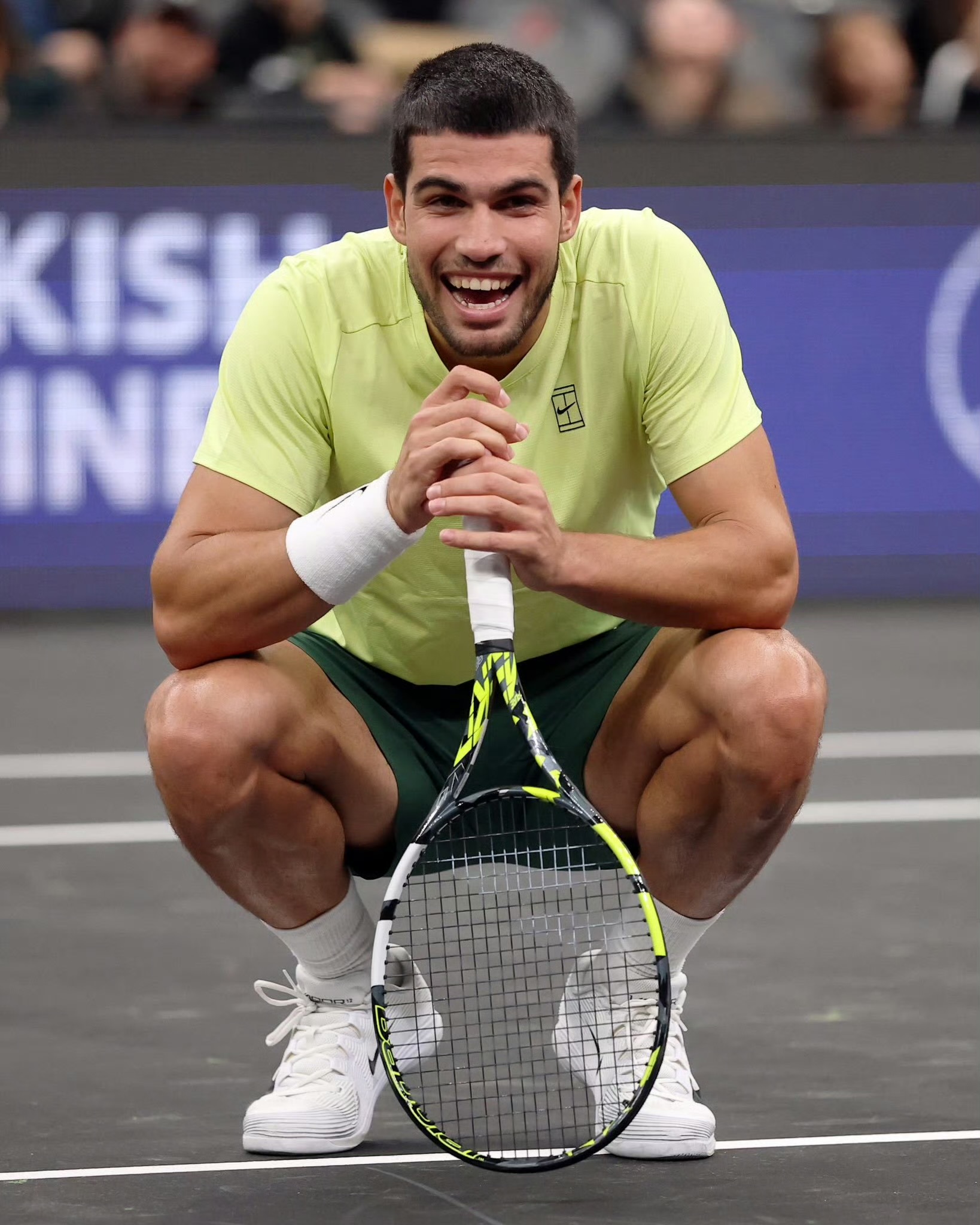
Flink also maintained journalistic caution in his critique: “We will never know if this was a factor in his loss to Novak at last year’s Australian Open.” This uncertainty highlights the difficulty of such debates.
Fitness experts note that even relatively relaxed exhibition matches, combined with long flights and jet lag, drain an athlete’s energy reserves. For top players chasing Grand Slam titles, even a one percent difference in form can determine the outcome of a match.
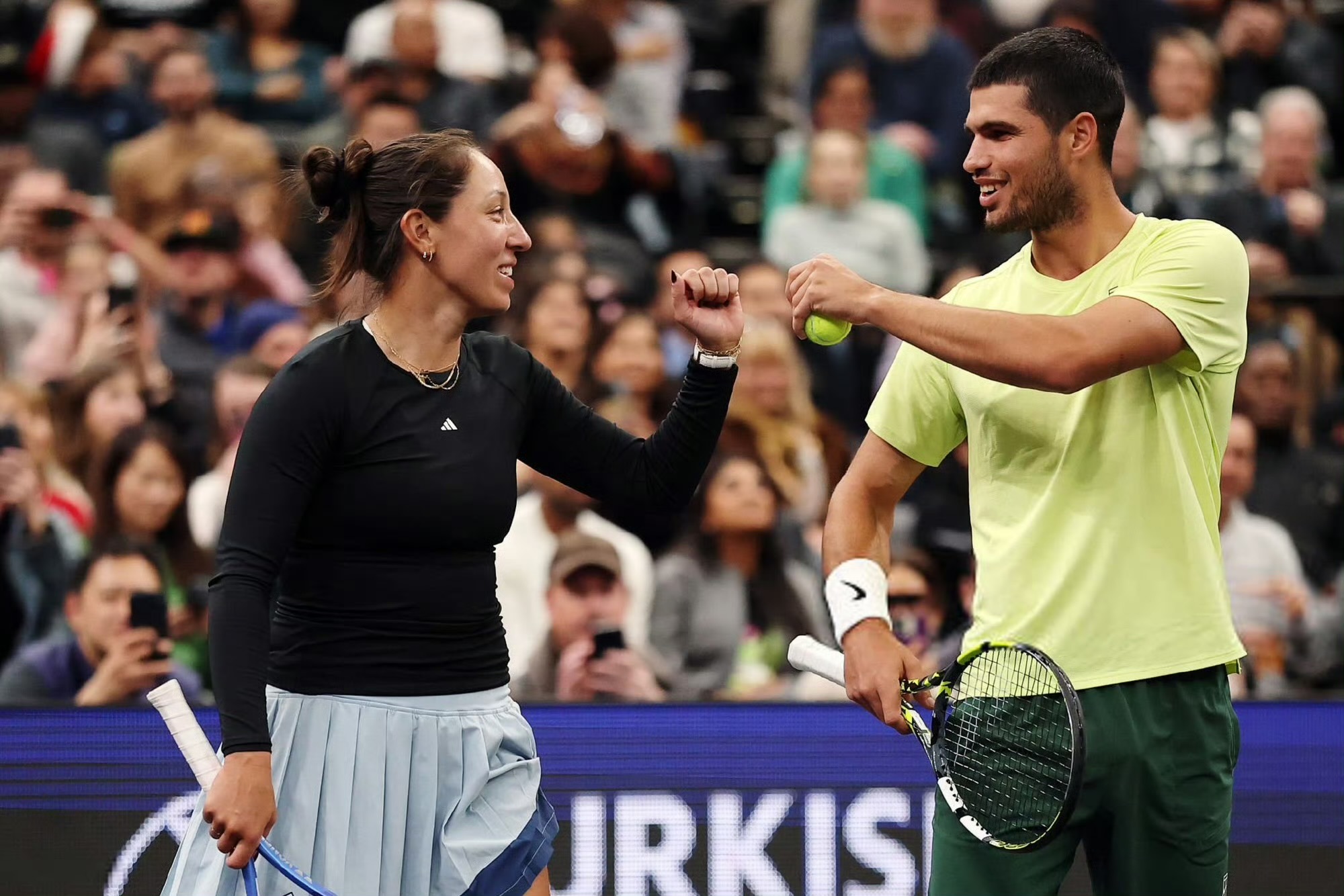
Alcaraz’s coach Ferrero and his team’s attitude is also intriguing. Flink speculated, “I don’t think Ferrero and his team are very keen on Carlos playing exhibitions during the off-season.” This suggests possible tension between the player’s personal choices and the coaching staff’s planning.
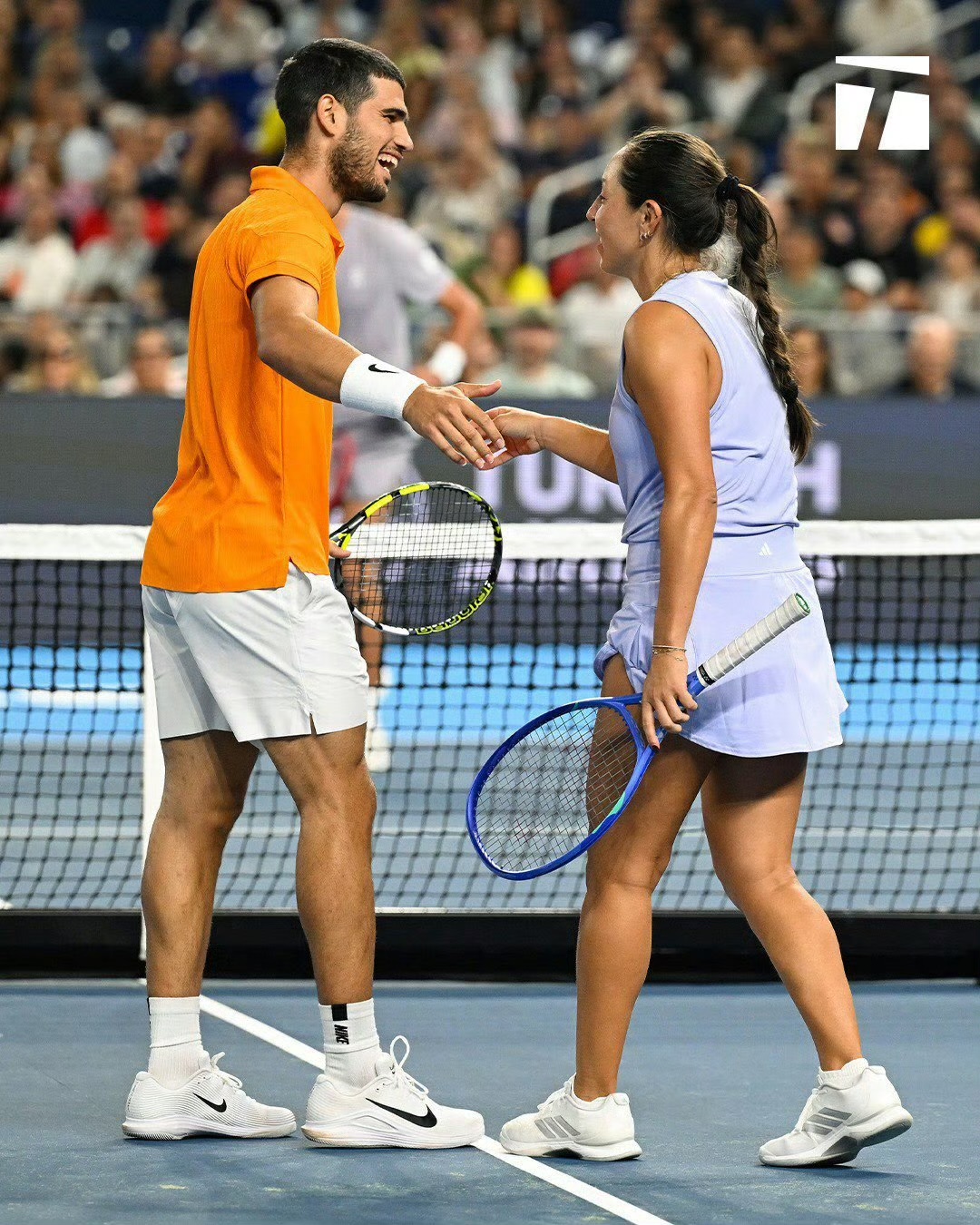
Alcaraz’s approach may represent a unique balancing act of the new generation: treating exhibitions as simulated official matches, experimenting with tactics and adjusting form in a relatively relaxed setting, while fulfilling commercial contract obligations. If managed well, this twofold strategy could theoretically balance commercial interests without compromising major tournament preparation.
However, the art of balance is always delicate and fragile. Excessive commercial engagements inevitably encroach on training and recovery time, and the competitive intensity of exhibitions differs from official matches, making it hard to fully replicate the high-pressure Grand Slam environment.
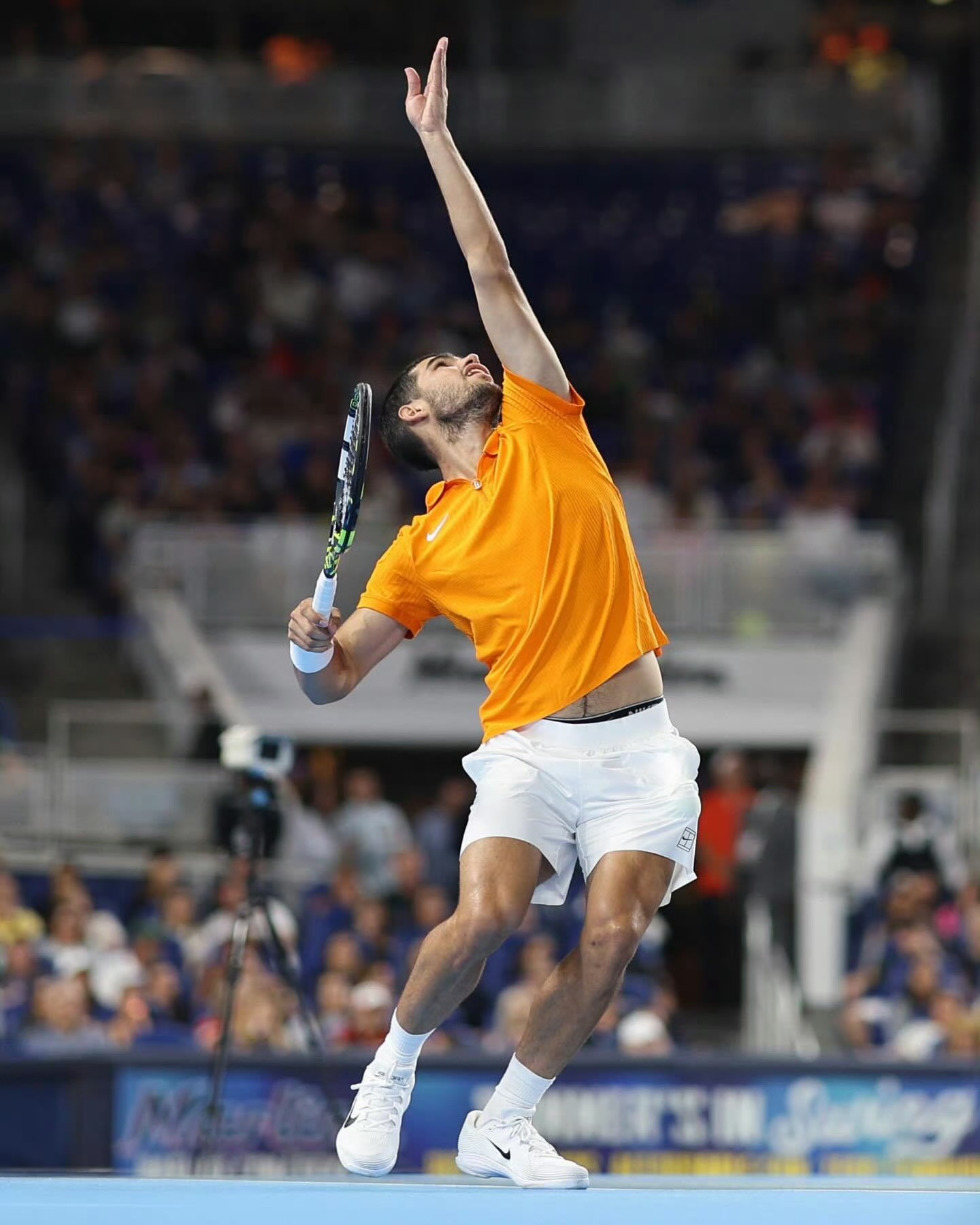
The divide between Alcaraz and his critics fundamentally reflects a dilemma in modern professional tennis: how to preserve the purity of competitive sport amid increasing commercialization? Perhaps the answer lies not in choosing either commerce or competition, but in more refined time management and prioritization.
Some commentators suggest that young players schedule exhibitions early in the season, while focusing on dedicated training during critical pre-Grand Slam periods; or arrange some exhibitions near their training bases to reduce long-distance travel impact.
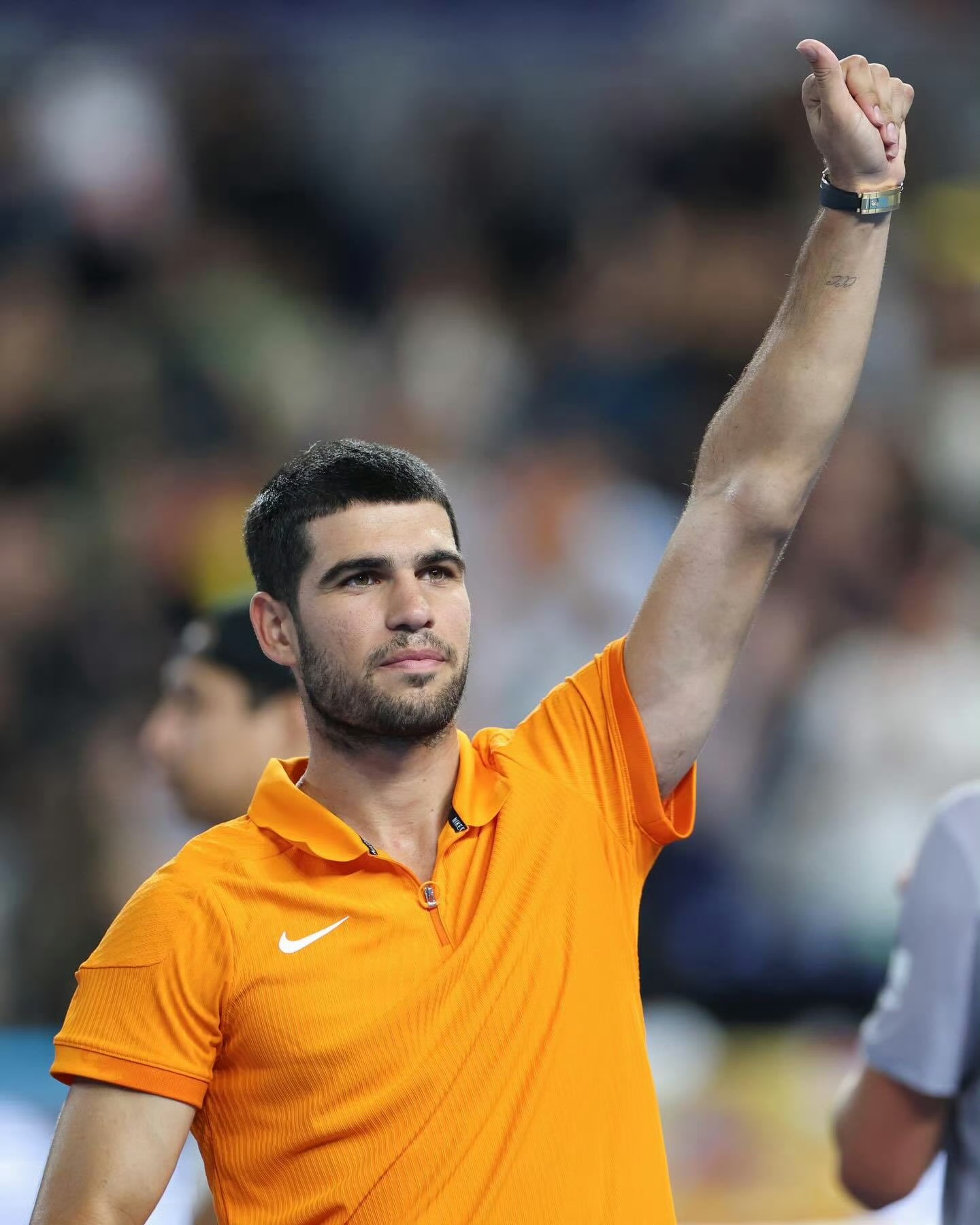
Whatever path he chooses, Alcaraz’s journey is just beginning. He faces not only opponents across the net but also the challenge of balancing commercial temptations with competitive ambitions. How he navigates this tightrope will test his wisdom and greatly influence whether he fulfills the high expectations to become the true leader of the next generation of tennis.
Between the spotlight and the baseline, Alcaraz is crafting his own rules of balance. Tennis fans eagerly await this prodigy’s on-court performances to provide the strongest answer yet to the debate between commerce and competition.(Source: Tennis Home Author: Mei)

 Links
Links
 Contact
Address:UNIT 1804 SOUTH BANK TOWER, 55 UPPER GROUND,LONDON ENGLAND SE1 9E
Number:+85259695367
E-mali:[email protected]
 App
App


