



Analysis of the Reasons Behind Alcaraz and Ferrero's Split


A piece of news has shaken the tennis world: Alcaraz officially announced his split with his esteemed coach Ferrero!
Unlike Medvedev, who ended his partnership with coach Sevala after a long two-year downturn, Alcaraz decided to part ways with Ferrero while their cooperation was at its best.
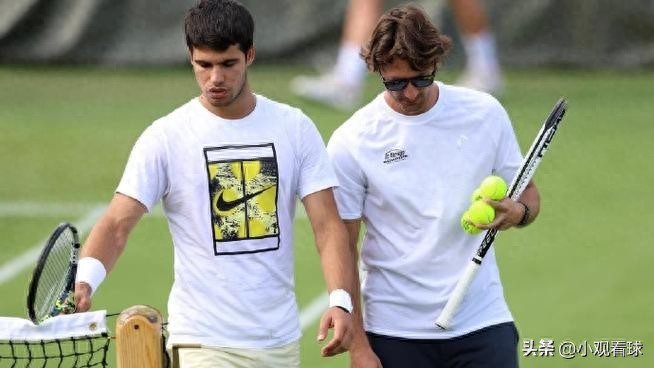
Key Conclusion:The main reason for the split is that Alcaraz has entered a phase of technical and tactical "bottleneck breakthrough," seeking new dimensions of improvement, combined with changes in the team structure and differing future plans between both parties. It is not due to conflicts or performance issues. The following is a detailed analysis and evidence:
Breakdown of the Core Reasons for the Split
1. Need for Technical and Tactical Advancement (Primary)
Alcaraz has already won 6 Grand Slam titles and has consistently held the world No. 1 spot, but facing competition from Sinner, especially after Sinner improved technically post-US Open, Alcaraz needs breakthroughs in rhythm control, defensive stability, and handling pressure in major tournaments. Ferrero spent 7 years laying the foundation for Alcaraz's rise from a rising star to a legend, but Alcaraz now requires fresh perspectives to address weaknesses and counter more detailed opponent analysis—this is a common "coach change logic" during a champion's prime.
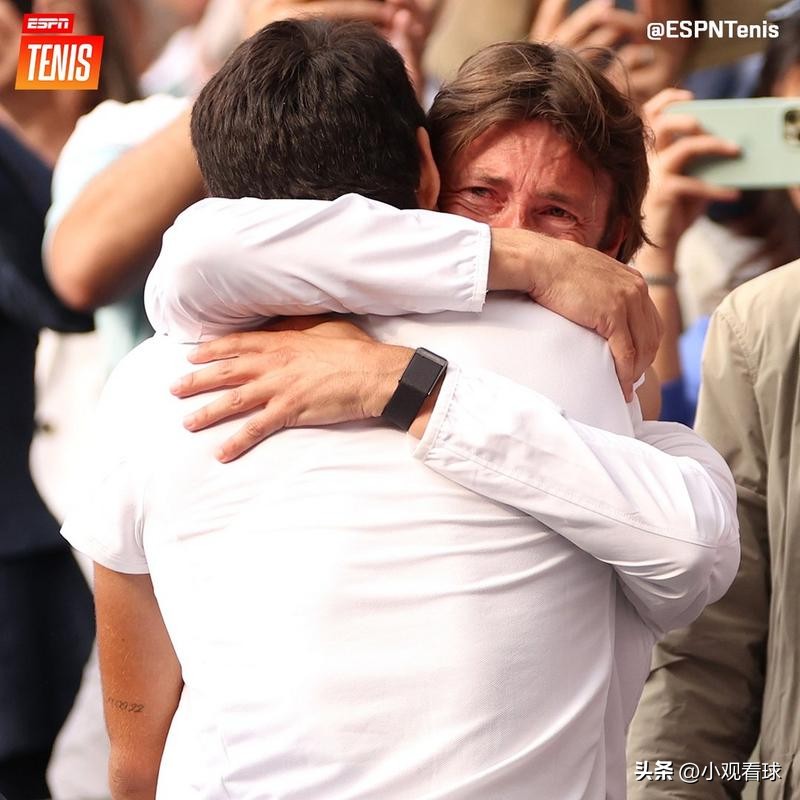
2. Changes in Team Structure and Role Dilution
In the 2025 season, Samuel Lopez joined as an assistant coach, taking on the role of "acting head coach" in some tournaments, leading on-site decisions and training, which reduced Ferrero's core decision-making influence. Although Ferrero’s return helped secure the French Open and US Open titles, the team division of labor has become irreversible. Alcaraz’s choice to retain Lopez’s team also reflects his recognition and desire to continue the current operational system.
3. Differences in Future Planning(Ferrero’s willingness to stay is evident)
Ferrero publicly stated, "I originally hoped to continue working together," implying the split was initiated by Alcaraz and that there were differences in their visions for future cooperation. Alcaraz emphasized in his statement that the parting occurs "at the peak," indicating his wish to proactively seek change at his career height rather than passively adjust during decline, contrasting with Ferrero’s idea of "maintaining the current model."
4. Natural Transition in Personal Growth Stage
Alcaraz has matured from a teenager into a 22-year-old star with enhanced decision-making and career planning autonomy. The mentor-mentee relationship shifts from "comprehensive guidance" to "equal collaboration." When the player’s self-awareness no longer fully aligns with the coach’s role, an amicable split becomes an acceptable outcome for both, a common conclusion to long-term partnerships.
5. No Conflicts or Performance Issues
Both statements are filled with gratitude and reluctance, with no negative remarks; the 2025 season was Alcaraz’s best career year (winning both the French Open and US Open, finishing the year ranked No. 1). The split was certainly not due to performance pressure but rather confirms a strategic choice for proactive change.
Key Evidence and Supplementary Points
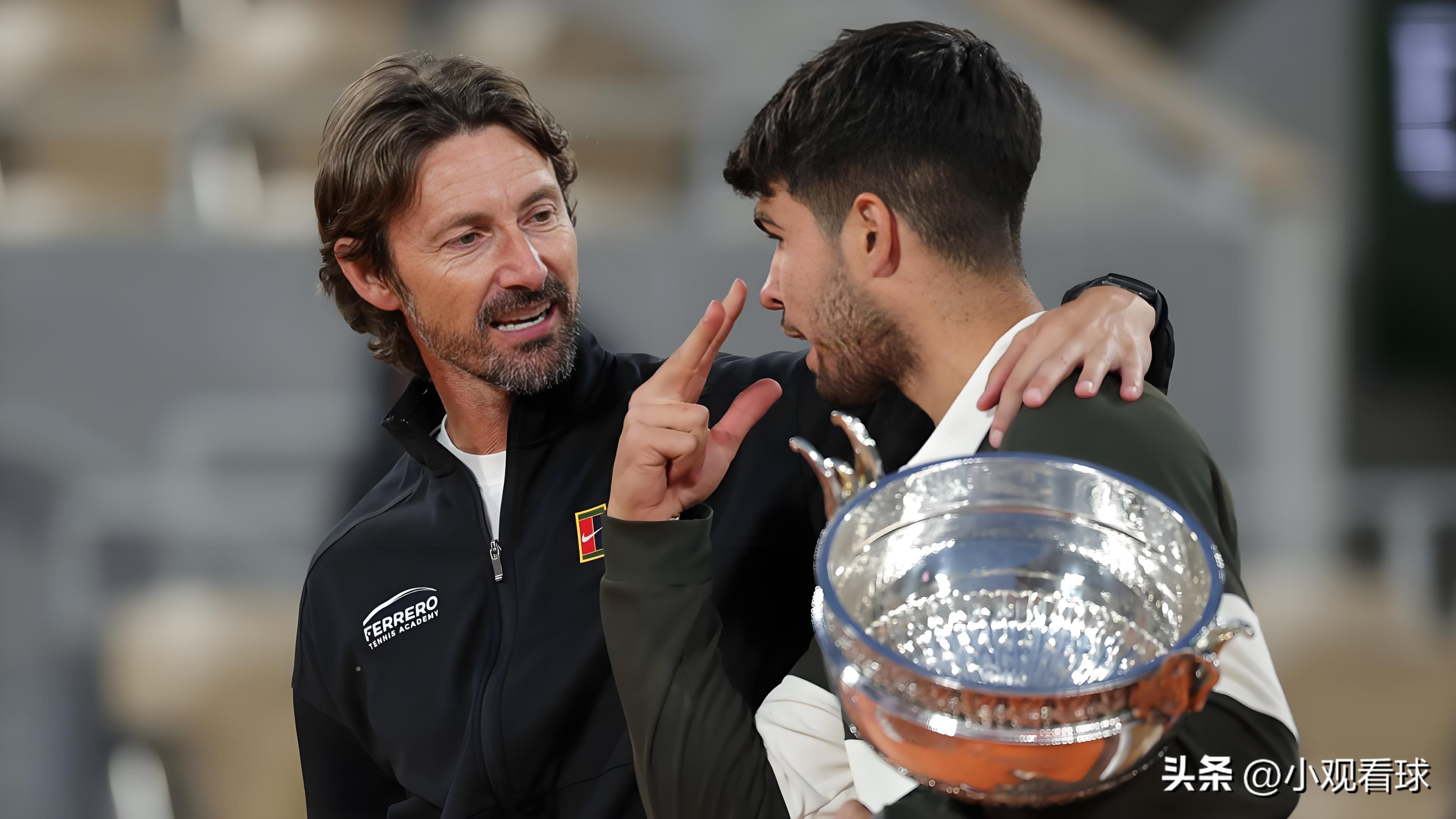
Alcaraz’s statement: "If the path of an athletic career must diverge, it should start from the peak" — clearly indicating the split was a planned, proactive decision, not a passive one.
Ferrero’s statement: "I originally hoped to continue working together" — confirming the split was not a fully mutual agreement and that planning differences existed.
Team dynamics: Lopez’s increased role in the 2025 season provided feasibility and continuity at the team level for the split.
Brief Summary
The split represents Alcaraz’s proactive strategic adjustment at his peak to overcome technical bottlenecks and optimize team structure. It is a rational choice for a top player aiming for higher achievements, unrelated to conflicts or results, with both parties maintaining dignity and mutual respect.

 Links
Links
 Contact
Address:UNIT 1804 SOUTH BANK TOWER, 55 UPPER GROUND,LONDON ENGLAND SE1 9E
Number:+85259695367
E-mali:[email protected]
 App
App


