



Comprehensive Analysis of Coaching Changes Among the Tennis Big Three: Logic, Key Moments, and Outcome Review



The split between Alcaraz and Ferrero shocked the tennis world. The surprising factor was the timing of the separation—just one month before the Australian Open, effectively a "last-minute coaching change."
Let’s revisit how Federer, Nadal, and Djokovic handled their coaching changes.
The Big Three mostly adhered to the principles of "strengthening weaknesses, managing rhythm, and maintaining core stability," emphasizing incremental adjustments and seldom making radical team changes at their peak. Below are key cases and insights to benchmark against the Alcaraz-Ferrero split.
Federer: Phased Weakness Improvement, Coaching Changes Without System Overhaul
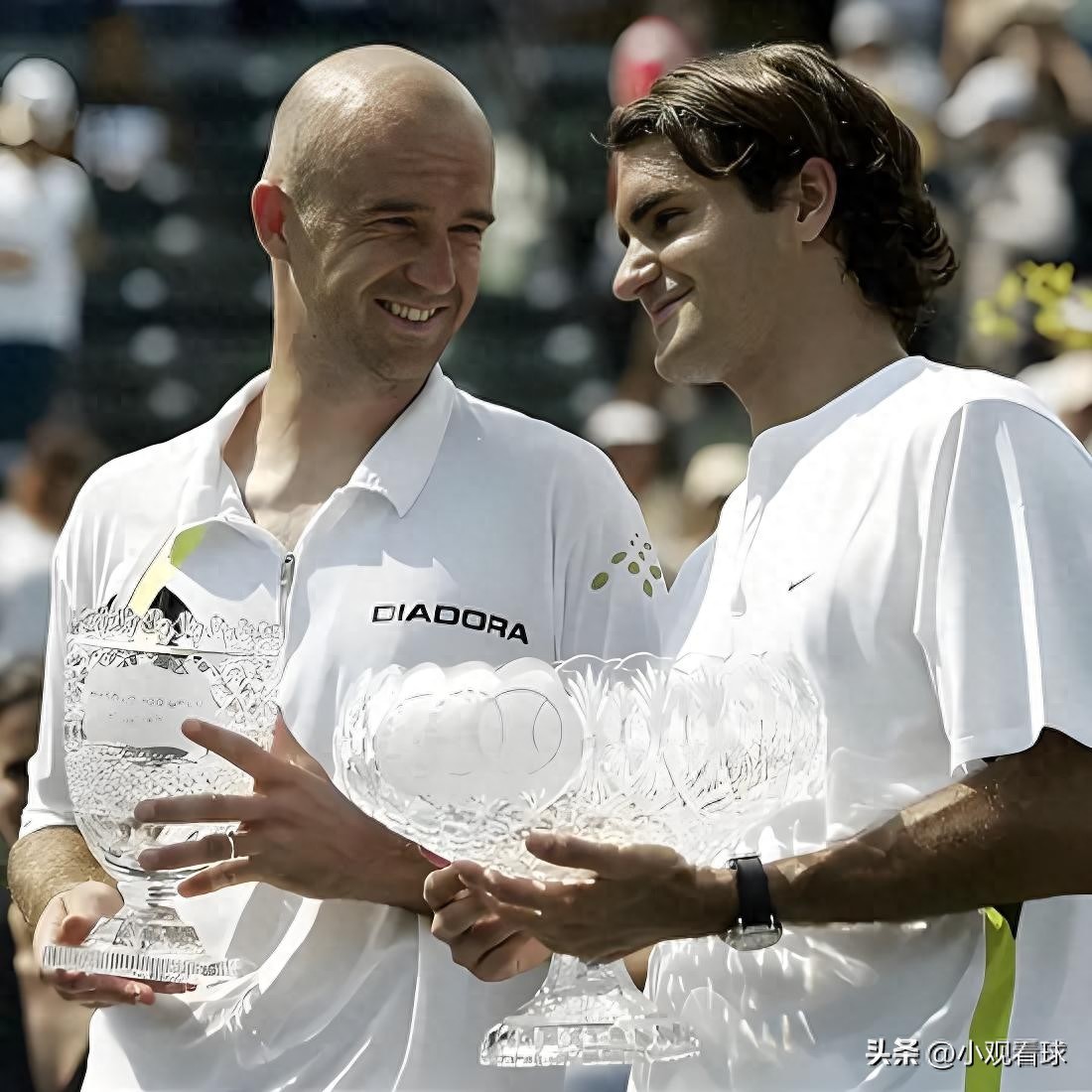
Key Stages and Critical Coaching Changes
1. Early Independent Phase (2003-2004): After dismissing Lundgren, Federer briefly coached himself, relying on his dominance to win 3 Grand Slams and establish his foundational system.
2. Peak Enhancement (2005-2007): Invited Tony Roche to focus on defense and crucial points, winning 6 Grand Slams in 2 years with a 93.7% win rate during their collaboration.
3. Breaking Through Plateaus (2013-2015): During a decline, hired Edberg to optimize rhythm and net play; late 2015 switched to Ljubicic to strengthen the backhand and ease Nadal-related pressure, extending his peak.
4. Career End Phase (post-2018): Short-term cooperation with Cahill and others, focusing on fitness and tournament planning for a smooth transition to retirement.
Core Logic:Layered coaching changes that do not reject previous work but specifically address technical or physical shortcomings; preference for legendary mentors to maintain team stability.
II. Nadal: Family Core Plus External Upgrades, Emphasizing Long-Termism

Key Stages and Critical Coaching Changes
1. Family Foundation Period (1990-2017): Uncle Toni Nadal coached from age 3 until 2017, building clay court dominance and a tough style, winning 16 Grand Slams; Roig joined in 2005 to improve grass court skills, witnessing 22 Grand Slams.
2. Tactical Transformation (2016-2022): End of 2016 brought in Moya as Toni stepped back to advisory role; Moya refined hard and grass court tactics, boosting offensive efficiency, helping Nadal win 6 more Grand Slams; Roig left in 2022, team added Lopez and others to maintain stability.
Core Logic:Progressive team expansion anchored by family and long-term core; external coaches focus on tactical upgrades without altering foundations; coaching changes mostly occur post-season, avoiding key tournament periods.
Djokovic: Returning to Core Amid Fluctuations, Dual-Coach Model as Standard
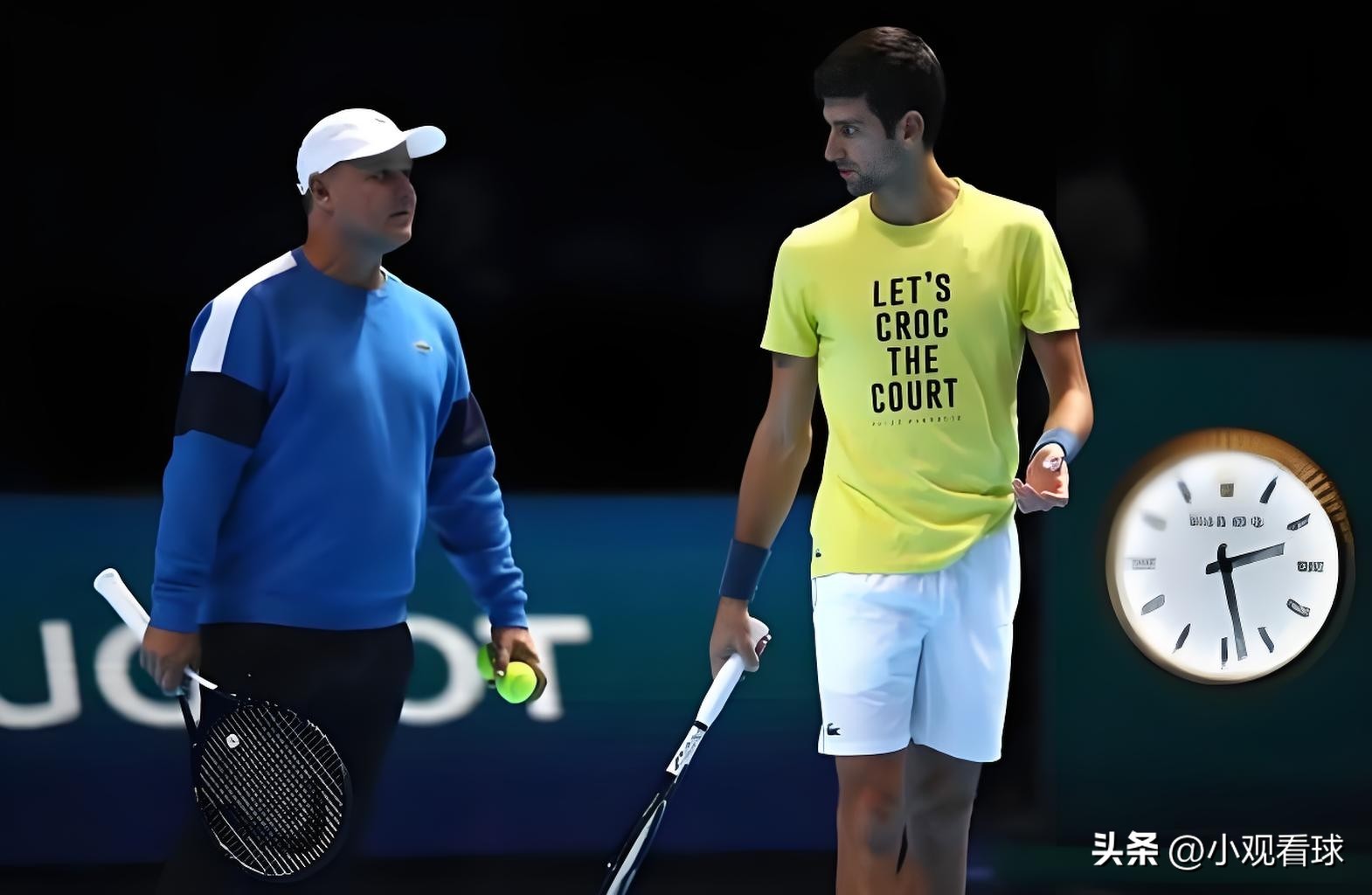
Key Stages and Critical Coaching Changes
1. Foundation Period (2006-2013): Vajda served as head coach, building the technical framework and securing 3 Grand Slams.
2. Golden Era (2013-2016): Dual coaching with Becker and Vajda; Becker enhanced serve and mental strength, helping Djokovic achieve the Career Grand Slam and win 6 Grand Slams.
3. Slump Adjustment (2017-2018): After Becker’s departure, results declined; brief, unsuccessful cooperation with Agassi; dissolved team in May 2017 (retaining Vajda), later rehired Vajda.
4. Stability Period (2019-2025): Dual coaching with Vajda and Ivanisevic; Ivanisevic improved serve; together won 10+ Grand Slams; short-term collaboration with Murray in 2025 preparing for Australian Open.
Core Logic:Vajda remains the absolute core; coaching changes during slumps are often “shock adjustments,” ultimately returning to familiar systems; clear division of labor between coaches covering technical and psychological/specialized areas.
Commonalities and Differences in Coaching Changes Among the Big Three
Commonalities
1. Timing: Mostly at season end or off-season to avoid mid-tournament changes and minimize impact on performance.
2. Goals: Focus on addressing weaknesses (technical, mental, physical) rather than complete overhaul.
3. Team: Core members remain stable long-term; coaching changes are additive rather than subtractive.
4. Outcomes: Successful coaching changes bring noticeable improvements; failures often result from short-term cooperation or philosophical conflicts (e.g., Djokovic and Agassi).
Differences
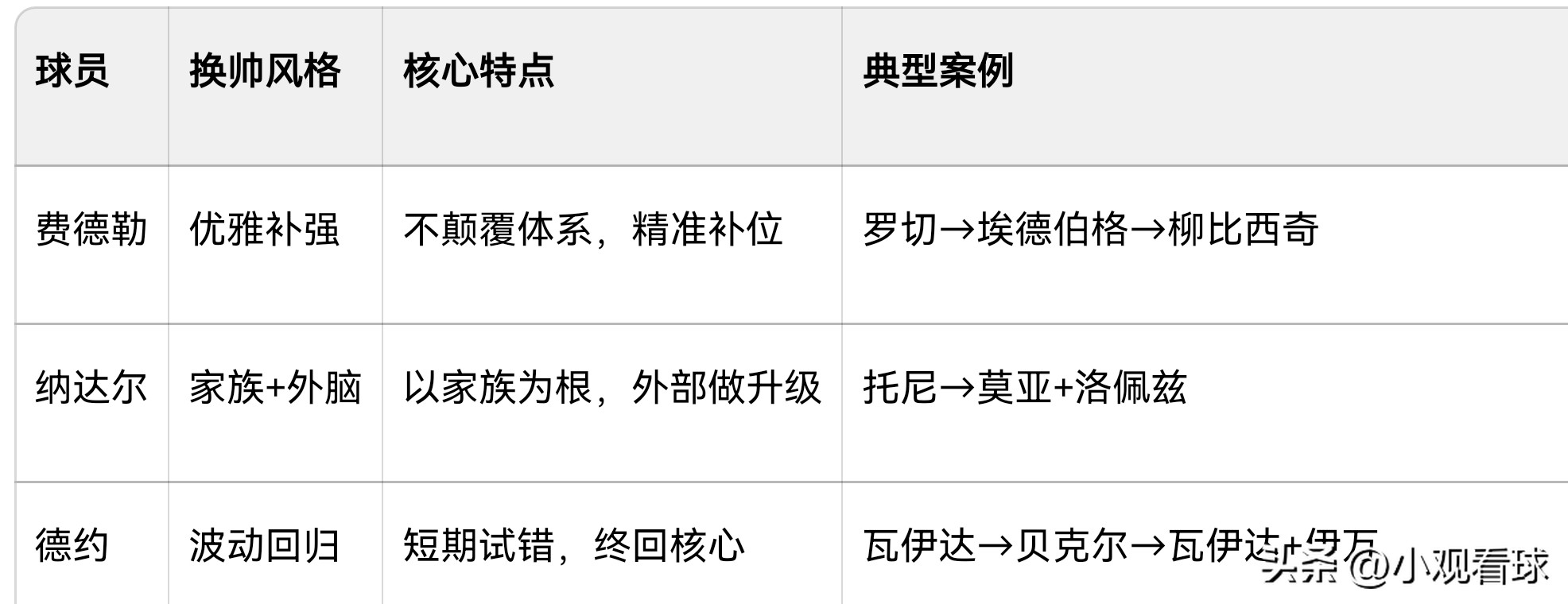
Key Lessons for Alcaraz

1. Timing Risks: Splitting weeks before the Australian Open contradicts the Big Three’s “off-season coaching change” principle and may disrupt preparation rhythm.
2. Team Structure Remains: Although Ferrero left, Samuel Lopez remains. Since 2022, he has occasionally coached Alcaraz in certain tournaments and officially joined Alcaraz’s team in 2024.
3. Coaching Selection Direction: Prioritize coaches compatible with the existing technical system rather than a complete rebuild; refer to Djokovic’s dual-coach model balancing technical and tournament planning.
4. Rhythm Control: The new team should establish a 3-6 month transition period to avoid short-term pressure causing further adjustments.
Therefore, it is unlikely that Alcaraz will bring in a new coach before the Australian Open. The clay court season ahead is probably a better time for introducing a new coach.
#TennisCoach##BigThreeInTennis##Alcaraz##Ferrero’sDilemma#

 Links
Links
 Contact
Address:UNIT 1804 SOUTH BANK TOWER, 55 UPPER GROUND,LONDON ENGLAND SE1 9E
Number:+85259695367
E-mali:[email protected]
 App
App


