



Sabalenka's view on the era of many stars, the Australian Open filled with suspense


Tomorrow, the 2026 Australian Open will officially commence, with all preparations underway in a tense yet orderly manner. Yesterday, during a routine press conference, world number one Sabalenka was asked about her rivalry with current world number two Swiatek. Her response surprisingly reflected a broader perspective: "This is not just about me and Iga. There’s also Coco (Gauff), Elena (Rybakina), Jessica (Pegula)... I don’t want to overlook anyone now.”
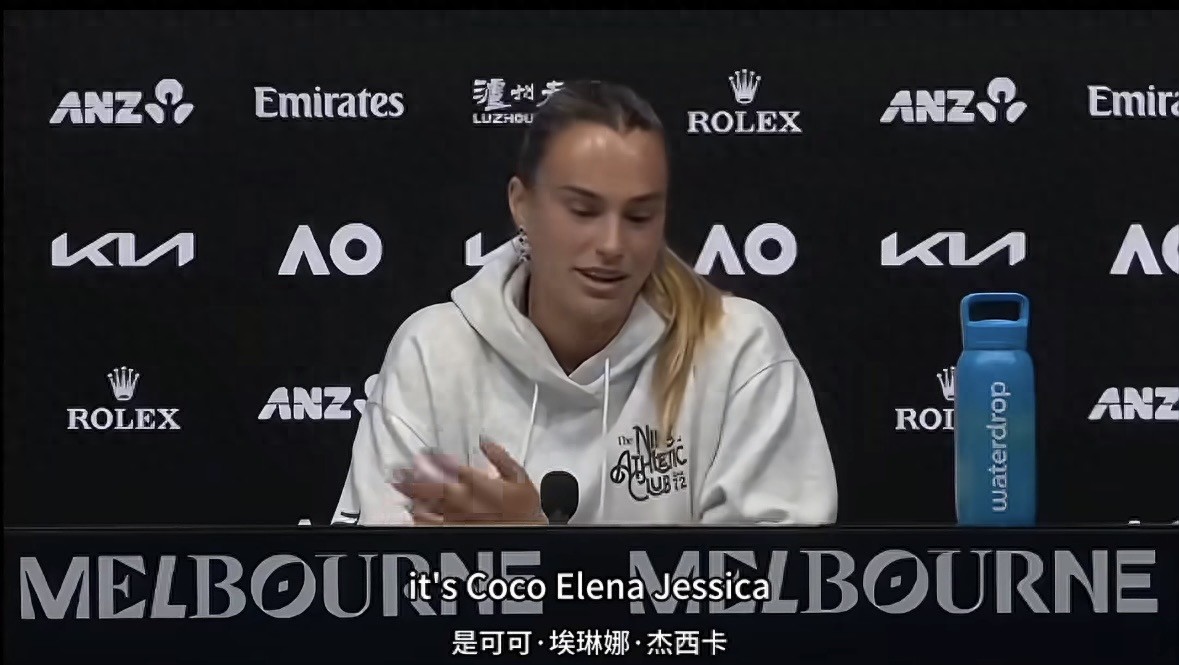
This statement is not only a humble remark from a top player but also an accurate reflection of the current competitive landscape in women’s tennis. Sabalenka specifically noted: “It’s incredible that last year we only played each other once. And this year, we haven’t faced off yet.” This brief fact highlights a distinctive feature of today’s women’s tennis: diverse competition has replaced the traditional two-player dominance.
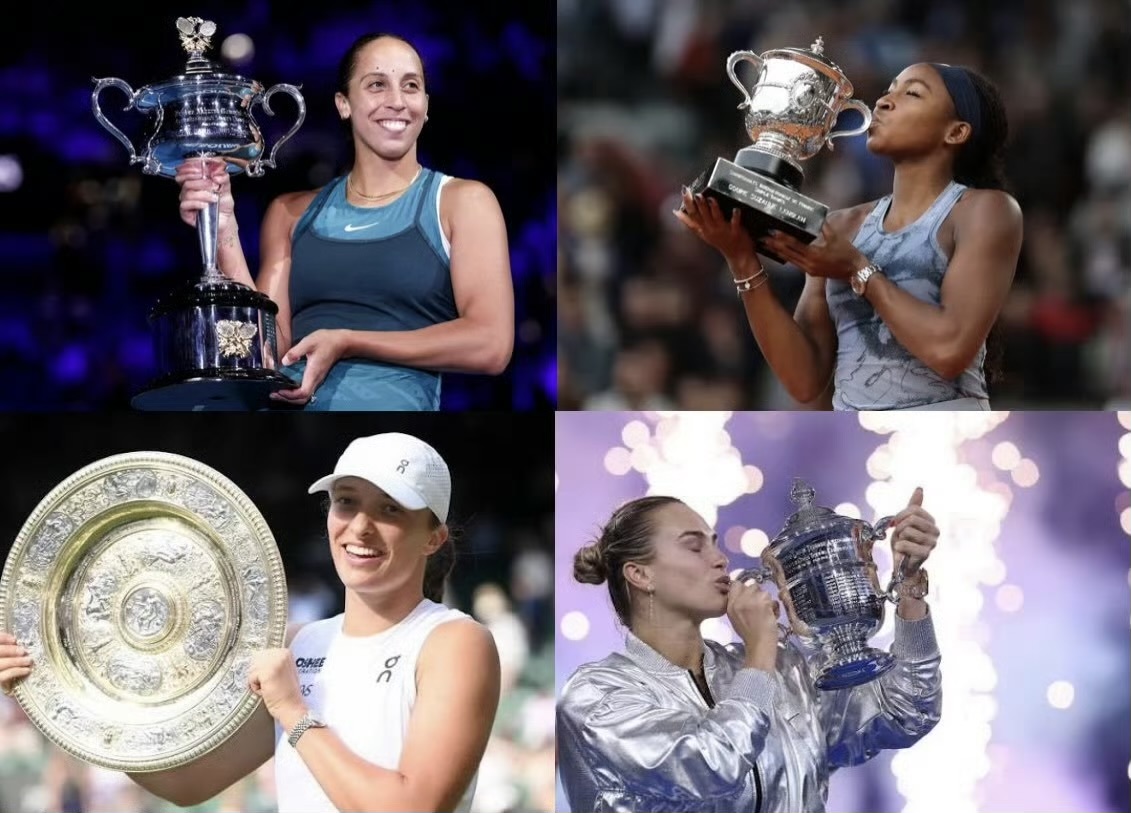
The women’s tennis scene today is experiencing a rare period without an absolute champion. Although Sabalenka held the world number one ranking throughout last year, she did not establish the kind of dominance seen by past legends like Serena Williams or Steffi Graf. Instead, a group of equally strong top players take turns leading at major Grand Slam events.Swiatek: Despite failing to defend her French Open title last year, she surprisingly claimed the Wimbledon championship;Sabalenka: Narrowly missed a three-peat at the Australian Open but reached three Grand Slam finals and successfully defended her US Open title;
Gauff: Last year’s dramatic comeback victory over Sabalenka in the French Open final remains vivid; Keys: The American defeated the world’s top two ranked players, Swiatek and Sabalenka, in the Australian Open semifinals and final to win her first Grand Slam title. Additionally, Rybakina, Pegula, Anisimova, Andreescu, and Barty are among several top contenders capable of winning a Grand Slam.
This dynamic ensures every Grand Slam tournament is full of uncertainty, with no player considered an outright favorite. Sabalenka’s words, “It’s not just about us,” clearly acknowledge this reality.
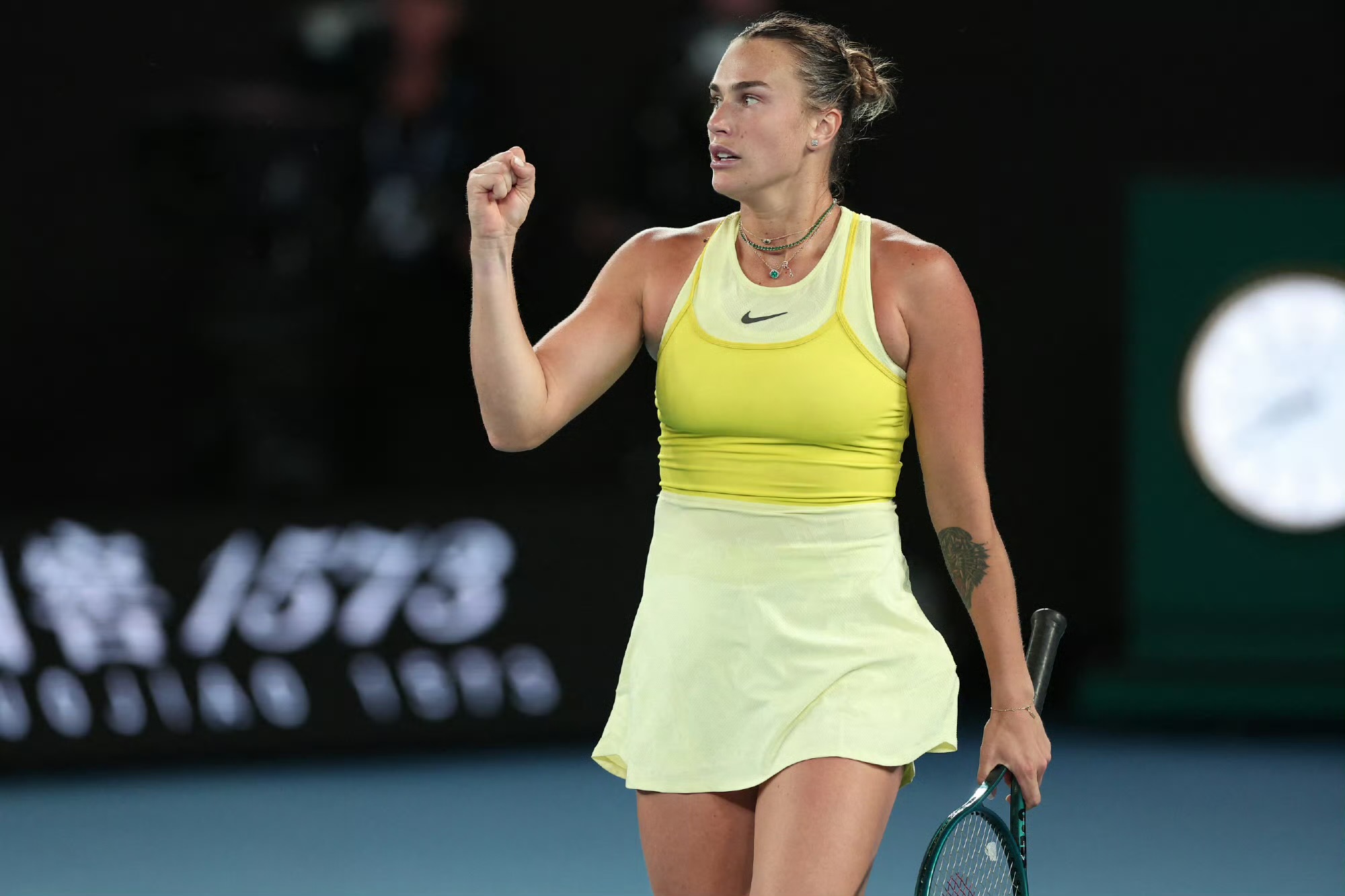
Several factors contribute to this open competitive environment in women’s tennis:
Technical versatility: The advancement of modern training systems in women’s tennis has minimized technical gaps among top players. Strength, speed, tactics, and mental toughness are relatively balanced across competitors, with no obvious “generation gap” in skills.
Psychological parity: With the widespread application of sports psychology in tennis, players are more evenly matched in handling critical points and high-pressure situations, making upsets a common occurrence.
Match intensity and physical management: The dense schedule and fierce competition make it difficult for players to sustain peak form long-term; injuries and fluctuations in condition are frequent, further increasing unpredictability.
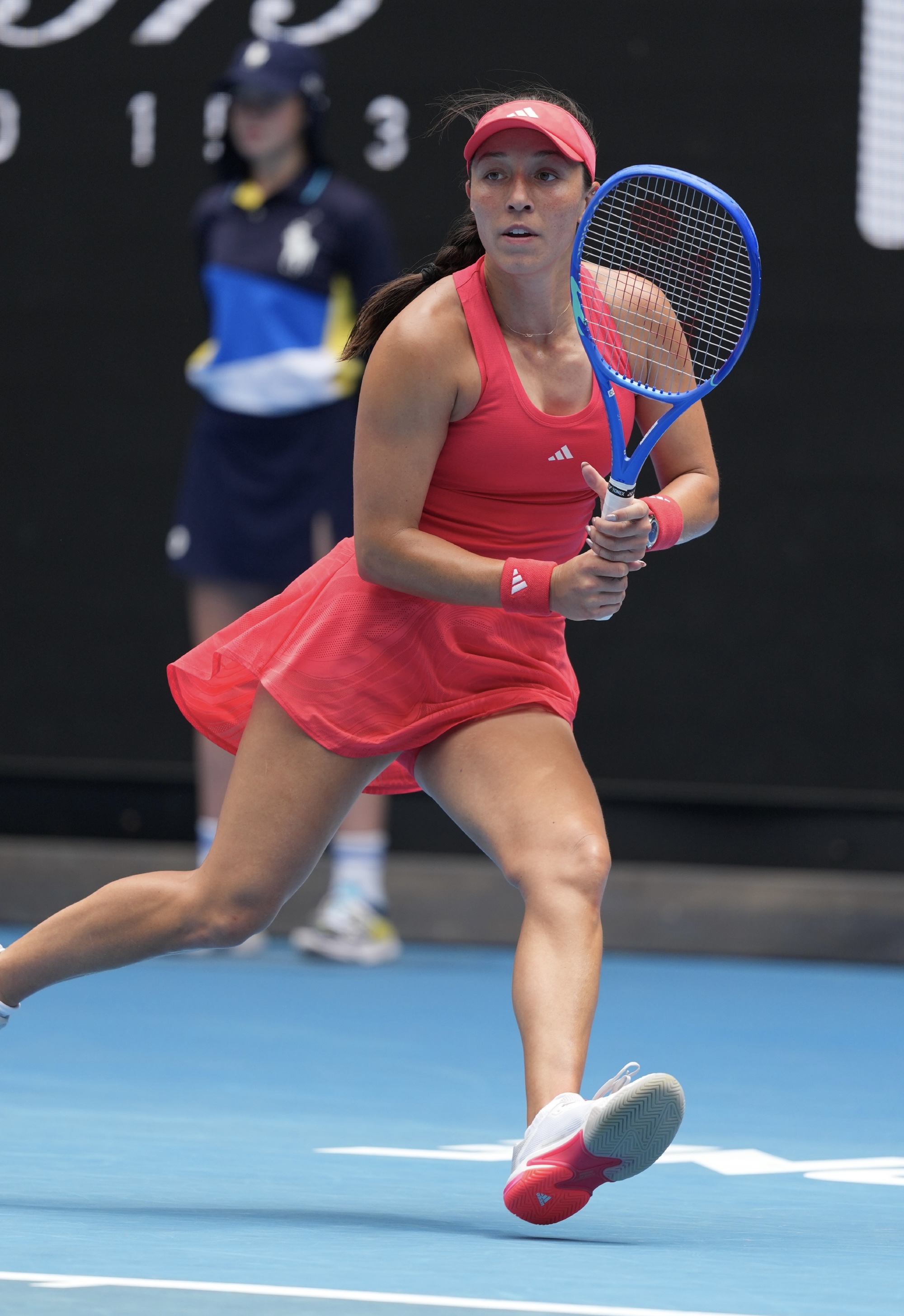
As the 2026 Australian Open unfolds, the women’s singles draw once again becomes the center of attention. Sabalenka’s remarks implicitly raise the question: will a new champion emerge this year?
Historically, the Australian Open has often been the stage for first-time Grand Slam winners. Over the past decade, seven women have lifted their maiden Grand Slam trophy at Melbourne Park.The surge of young players combined with the steady performance of the top ten seeds makes the outcome of this year’s Australian Open women’s singles title even more unpredictable.
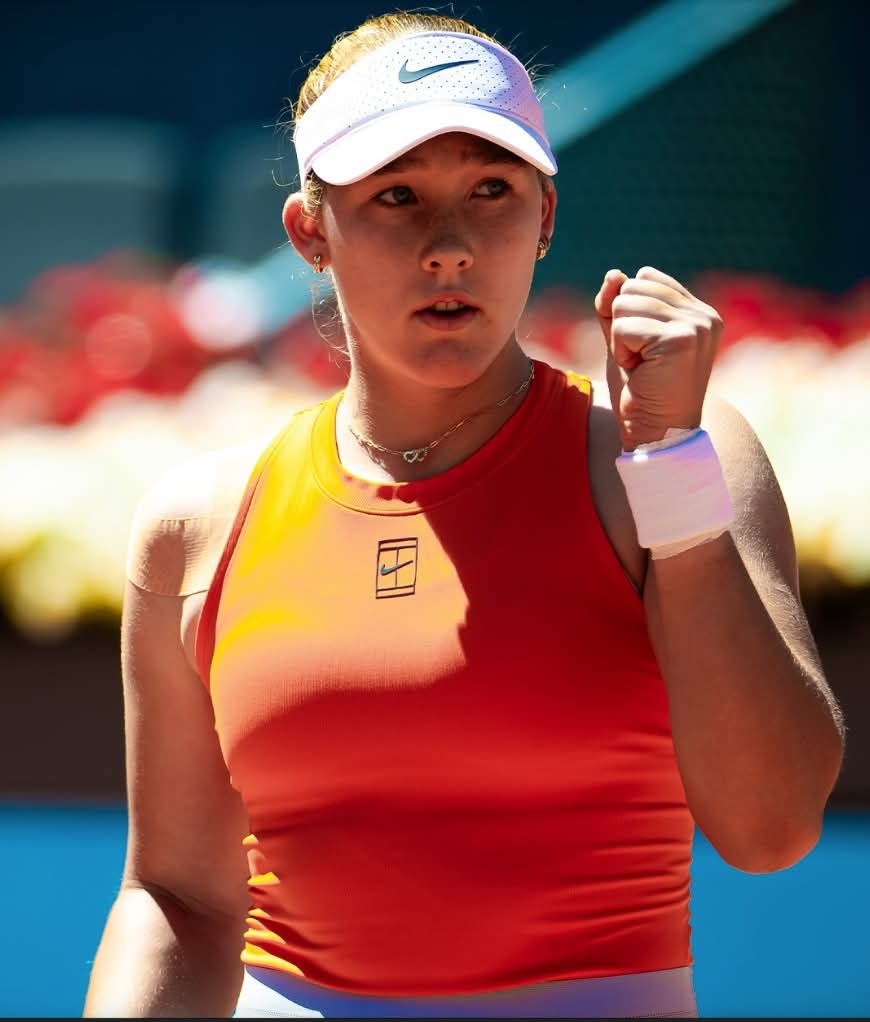
The open competition in women’s tennis has positive implications for the sport’s long-term growth:
Enhancing spectator appeal: Unpredictable results boost audience interest, with every match having the potential to produce memorable classic battles.
Promoting tennis globalization: The rise of players from various countries helps popularize and expand tennis worldwide.
Inspiring the younger generation: Seeing multiple players with a chance to reach the top motivates more youth to engage in tennis.
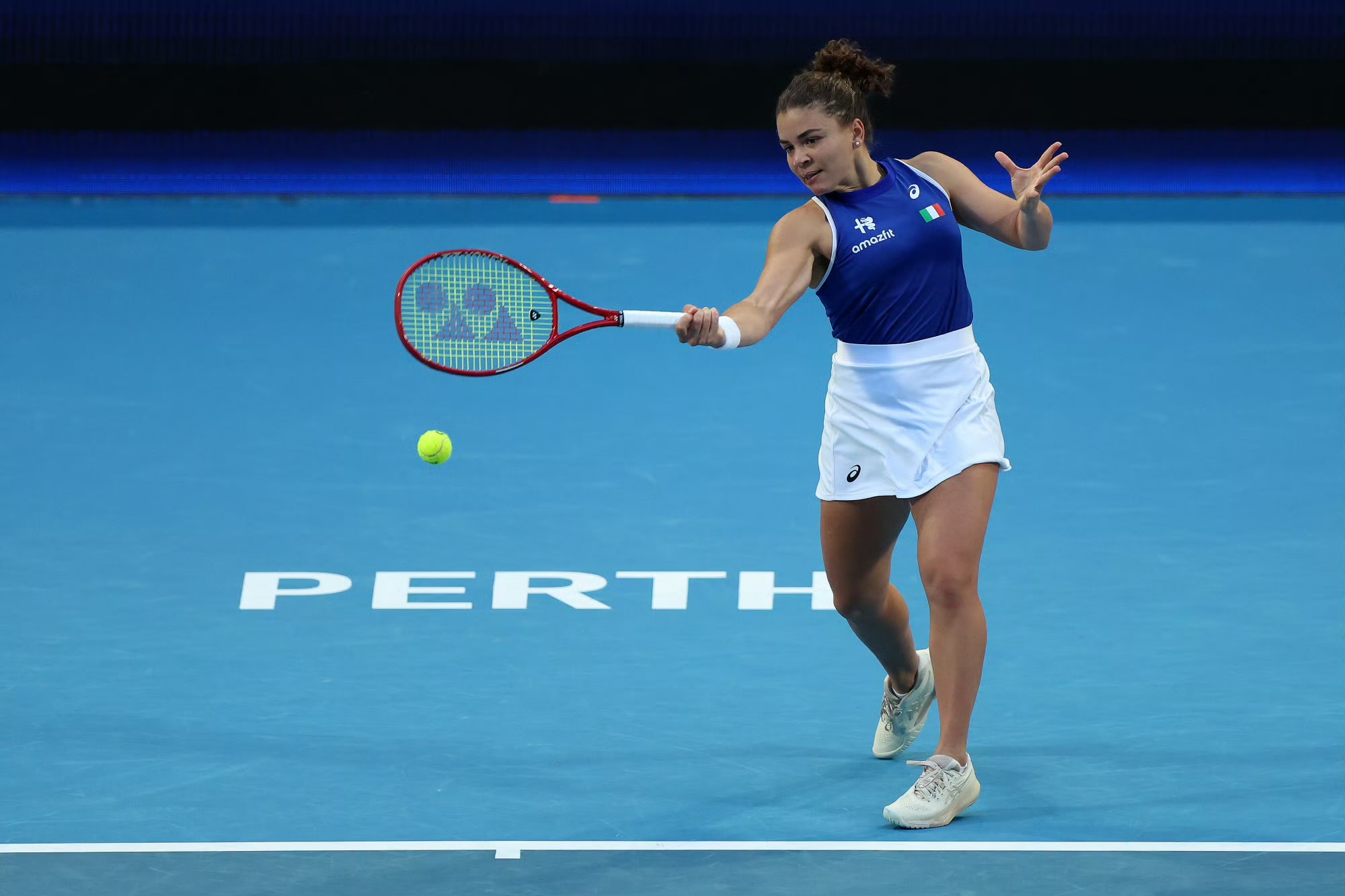
Sabalenka’s comments not only demonstrate her broad vision as a top athlete but also accurately depict the current reality of women’s tennis. In this era of many stars, there is no eternal champion, only relentless competitors. Regardless of who claims the 2026 Australian Open title, the tournament will continue to write a new chapter in the diverse competition of women’s tennis. Fans are fortunate to witness this thrilling and suspenseful tennis era.(Source: Tennis Home Author: Mei)

 Links
Links
 Contact
Address:UNIT 1804 SOUTH BANK TOWER, 55 UPPER GROUND,LONDON ENGLAND SE1 9E
Number:+85259695367
E-mali:[email protected]
 App
App


