



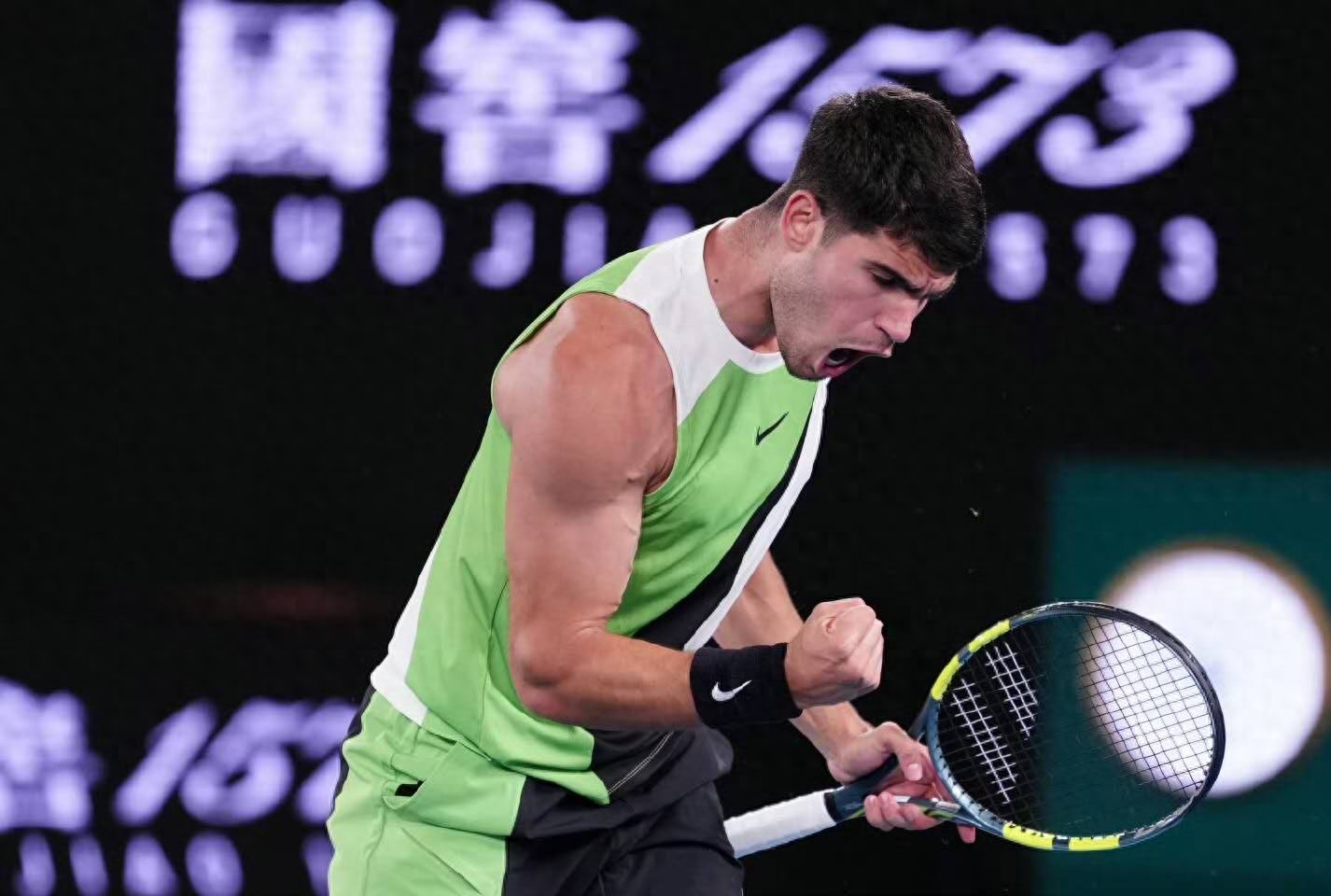
Alcaraz faced difficulties but advanced in three sets, while his outfit unexpectedly sparked debate: was it like a green onion or a tribute to Federer?



Today, the Australian Open officially commenced. In a night match spotlight, World No.1 Alcaraz unexpectedly faced hurdles in the second set but still triumphed over Australian native Walton with a score of 6-3, 7-6(2), 6-2 to advance.
Before the match started, Alcaraz was highly favored with winning odds at 1.02, and his odds of a 3-0 set win stood at 1.44. Fans generally predicted an easy victory for Alcaraz. However, seasoned tennis blogger “BreakPoint” warned before the match: “Walton’s home court advantage should not be underestimated. Alcaraz must be mentally prepared for this away pressure! But given the Spaniard’s skill, he is expected to overcome these challenges and secure a winning start.”
In the first set, Alcaraz quickly found his rhythm, while Walton, energized by the home crowd, played with strong momentum. The two traded points evenly through the first six games, tied at 3-3. The key turning point came in the eighth game: after holding serve, Alcaraz pressured Walton’s serve, who then double-faulted at a critical moment, giving Alcaraz three break points. The Spaniard converted with a winner, broke serve, then held again in the ninth game to take the set 6-3 decisively.
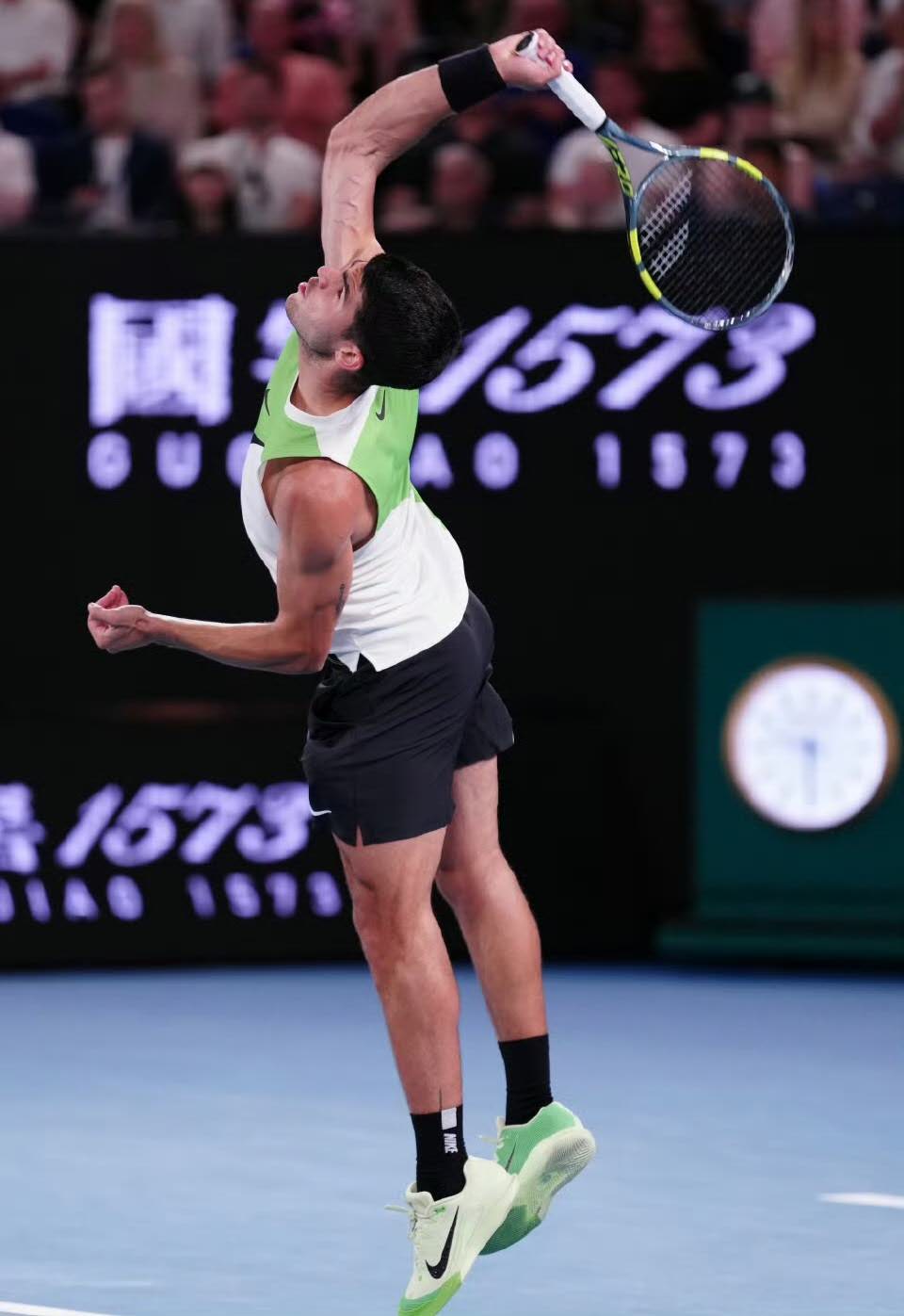
The second set saw some twists. Walton broke serve in the fourth game, marking his first break lead in the match, while Alcaraz appeared affected by some errors and emotional fluctuations. Fortunately, Alcaraz quickly broke back in the fifth game to even the score. Both players then held serve tightly, leading to a tiebreak, where Alcaraz dominated 7-2. The first two sets lasted over an hour, more intense than expected.
In the third set, Walton’s mental resilience completely collapsed, allowing Alcaraz to seize full control. He broke serve in the sixth game after winning four consecutive points, gaining a 4-2 lead. In the eighth game, he earned another break point and converted it, closing the match 6-2. The entire match lasted 2 hours and 8 minutes.
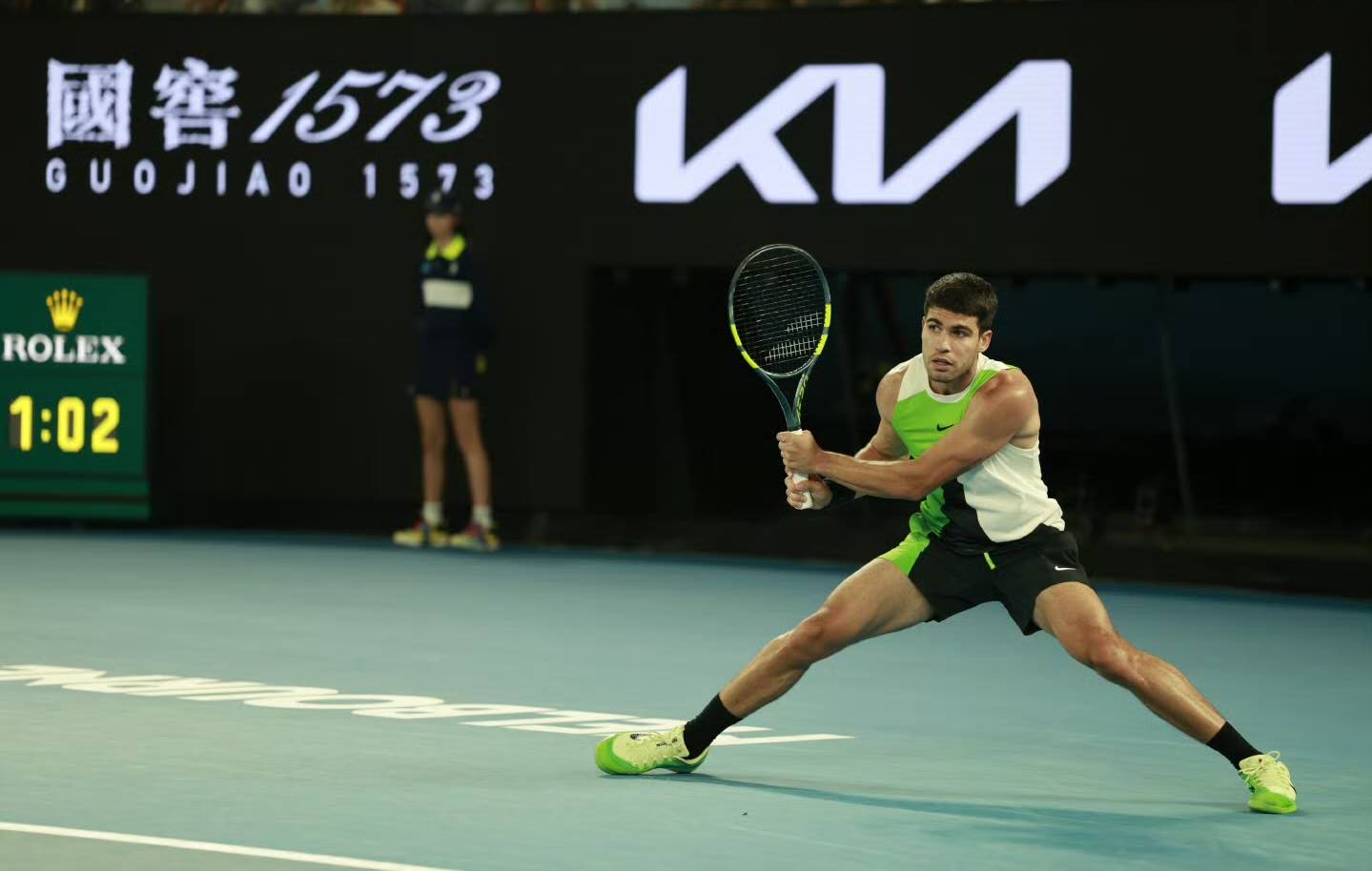
Post-match stats show Alcaraz held a clear advantage in key metrics but also revealed areas for improvement. Alcaraz served 10 aces with a first-serve win rate of 75%, while Walton had only 5 aces and 4 double faults, with a 62% first-serve win rate. Alcaraz hit 38 winners against 28 unforced errors, whereas Walton managed 22 winners but committed 35 unforced errors.
Beyond the match, Alcaraz’s jersey became a hot topic. One fan joked, “I just don’t get this patchwork color scheme. From one side of the court, the whole shirt looks exactly like a green onion. Nike’s designer genius here is really baffling.”
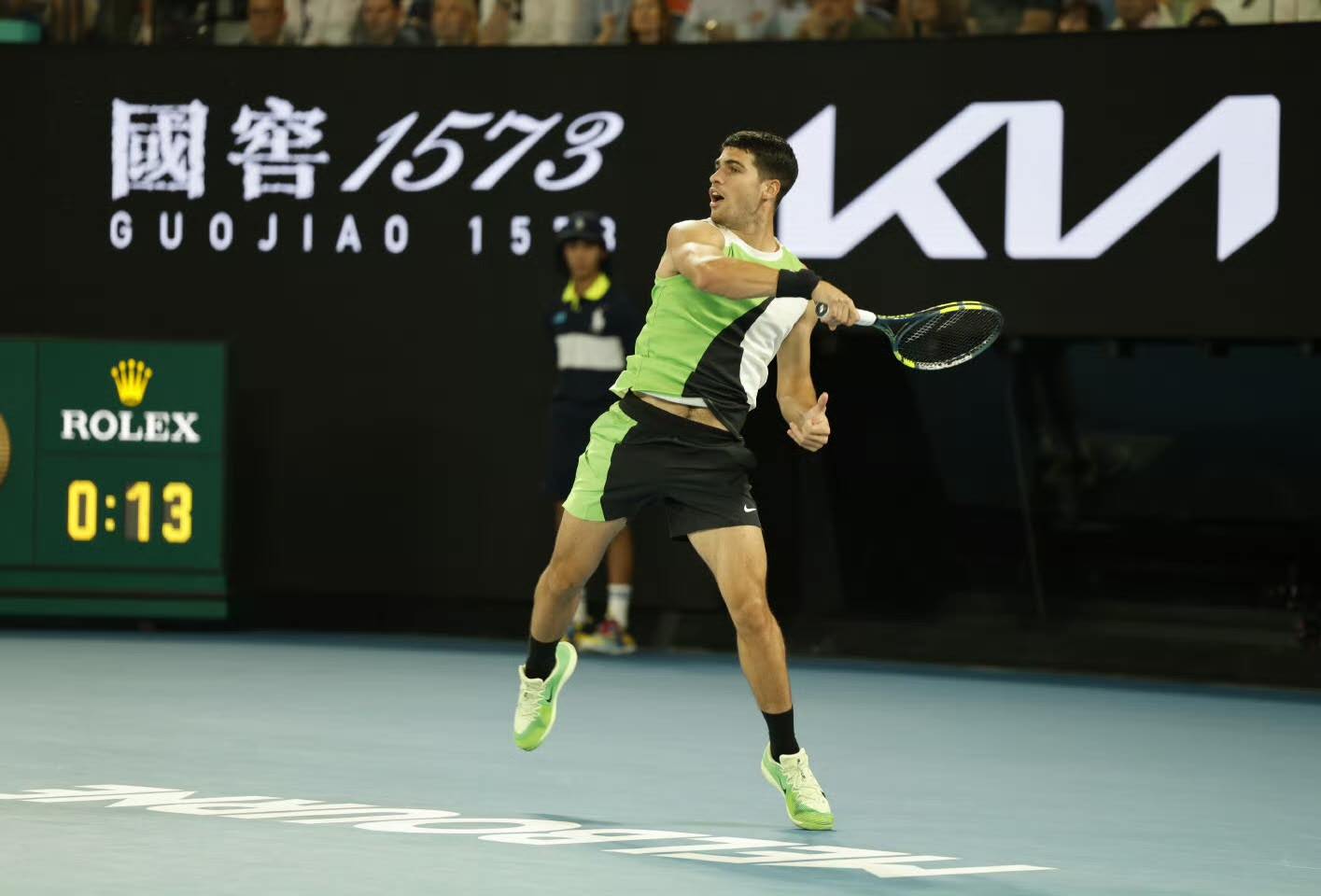
Fans kept debating, and the issue was even raised at the post-match press conference. When asked about the “green onion” nickname given by many fans to his jersey, Alcaraz responded with his usual humor: “I heard that, and honestly, I find it quite funny. Green is a vibrant color that energizes me. Also, if I remember correctly, Roger (Federer) wore green when he won the Australian Open in 2017, so maybe it’s a good omen.” He added, “Nike’s designers always try to bring freshness. This year’s design is definitely unique. The white, green, and black combination symbolizes a fresh start and vitality.”
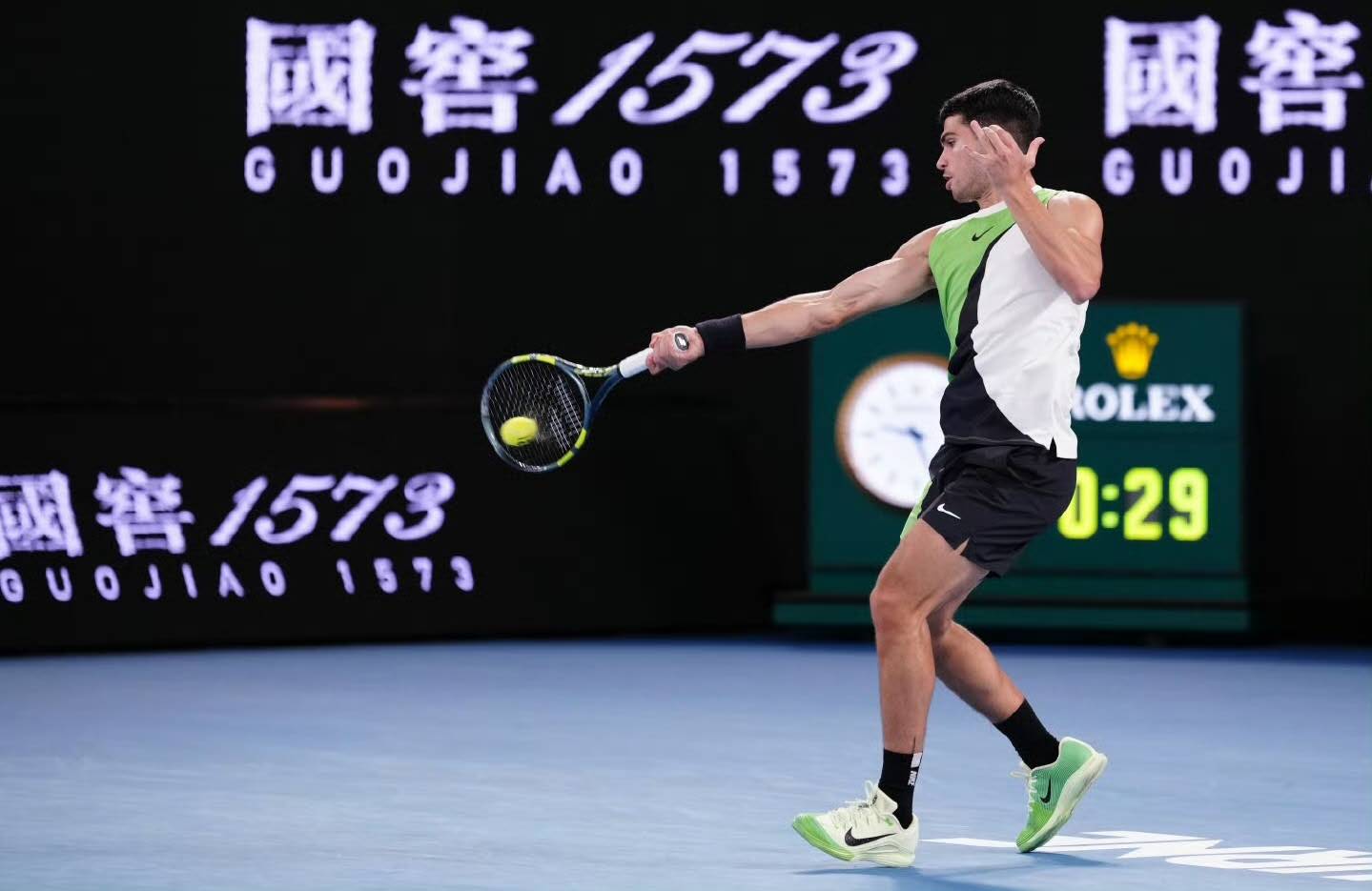
Regarding this year’s apparel design, international fashion experts note that green holds a special historical place in tennis courts. It is often considered a contrasting color against the court background that helps players maintain focus. Nike’s bold choice for Alcaraz reflects the brand’s positioning of him as an innovator and future icon of tennis. Additionally, the black and white patches pay homage to legends and signify recognition of Alcaraz as the torchbearer for a new era in tennis.
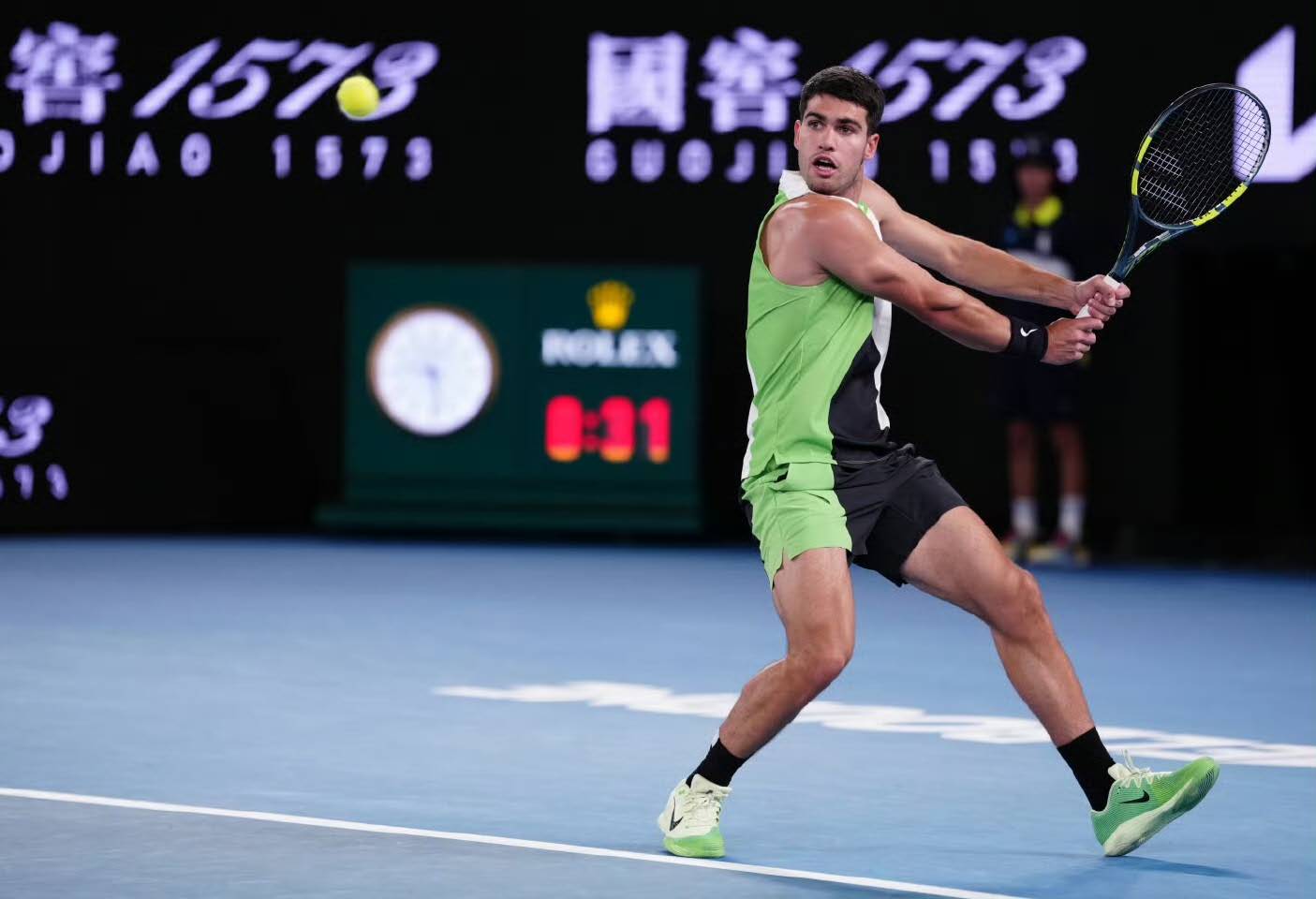
As the lights dimmed on Rod Laver Arena, Alcaraz’s Australian Open journey was just beginning. Carrying dreams of a Grand Slam and wearing a jersey destined to be remembered, he moved forward with determination.(Source: Tennis Home, Author: Lu Xiaotian)

 Links
Links
 Contact
Address:UNIT 1804 SOUTH BANK TOWER, 55 UPPER GROUND,LONDON ENGLAND SE1 9E
Number:+85259695367
E-mali:[email protected]
 App
App


