



"Vocal Outburst" Penalty Rekindles Old Wounds: Why Did Sabalenka Win Yet Struggle for Fairness?



On January 29, 2026, at the Australian Open semifinal, defending champion Sabalenka struck a strong return with an accompanying "Uh-Aya" shout. The umpire promptly stopped the match and awarded the point to her opponent, Svitolina, on grounds of "unusual vocal noise interfering with the opponent." The referee referred to the tennis regulation on "interference," which states that if a player's actions—including sounds—disturb the opponent, the umpire may penalize that player by awarding a point to the opponent. Sabalenka was stunned and challenged the call, but after review, the umpire upheld the original decision.
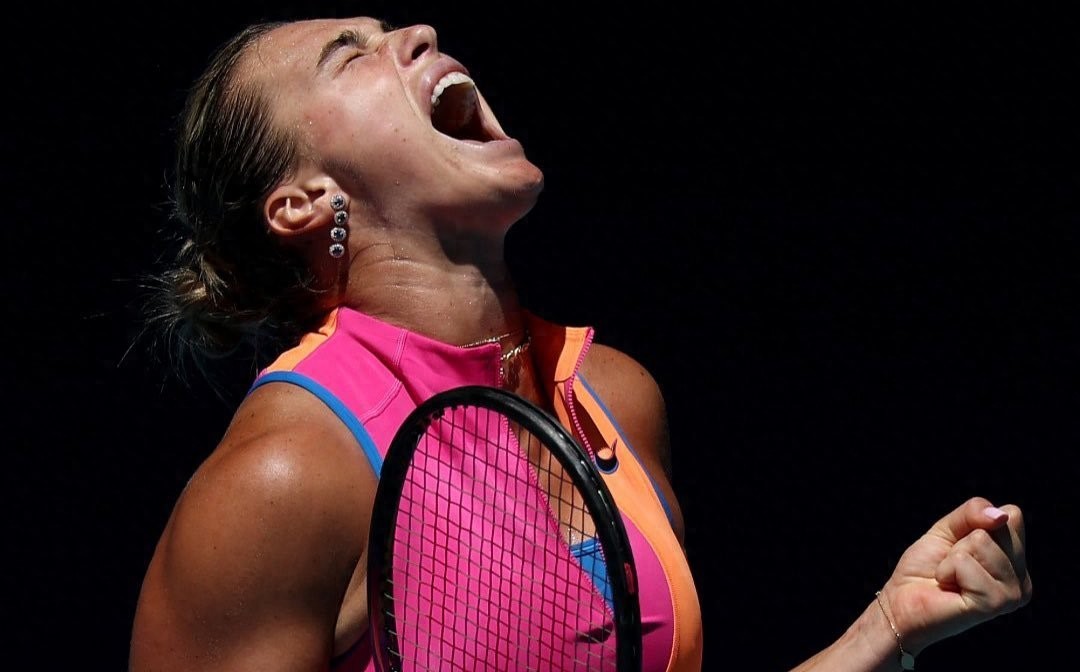
This ruling sparked intense controversy, focusing on the ambiguity and subjectivity of rule enforcement. Although tennis rules forbid "deliberate interference," there is no clear, standardized measure of what constitutes a "reasonable" hitting sound versus an "abnormal" disruptive shout. Sabalenka is known for her power-based style, often accompanied by explosive vocalizations, a trait common among many power players. Professional tennis generally tolerates hitting noises, making such a penalty against a top player extremely rare. The umpire’s judgment was based on the sound being "uncharacteristic." However, players naturally vary their exertion and resulting sounds depending on the shot, so penalizing based solely on "difference from usual" introduces subjective discretion and leaves players uncertain.
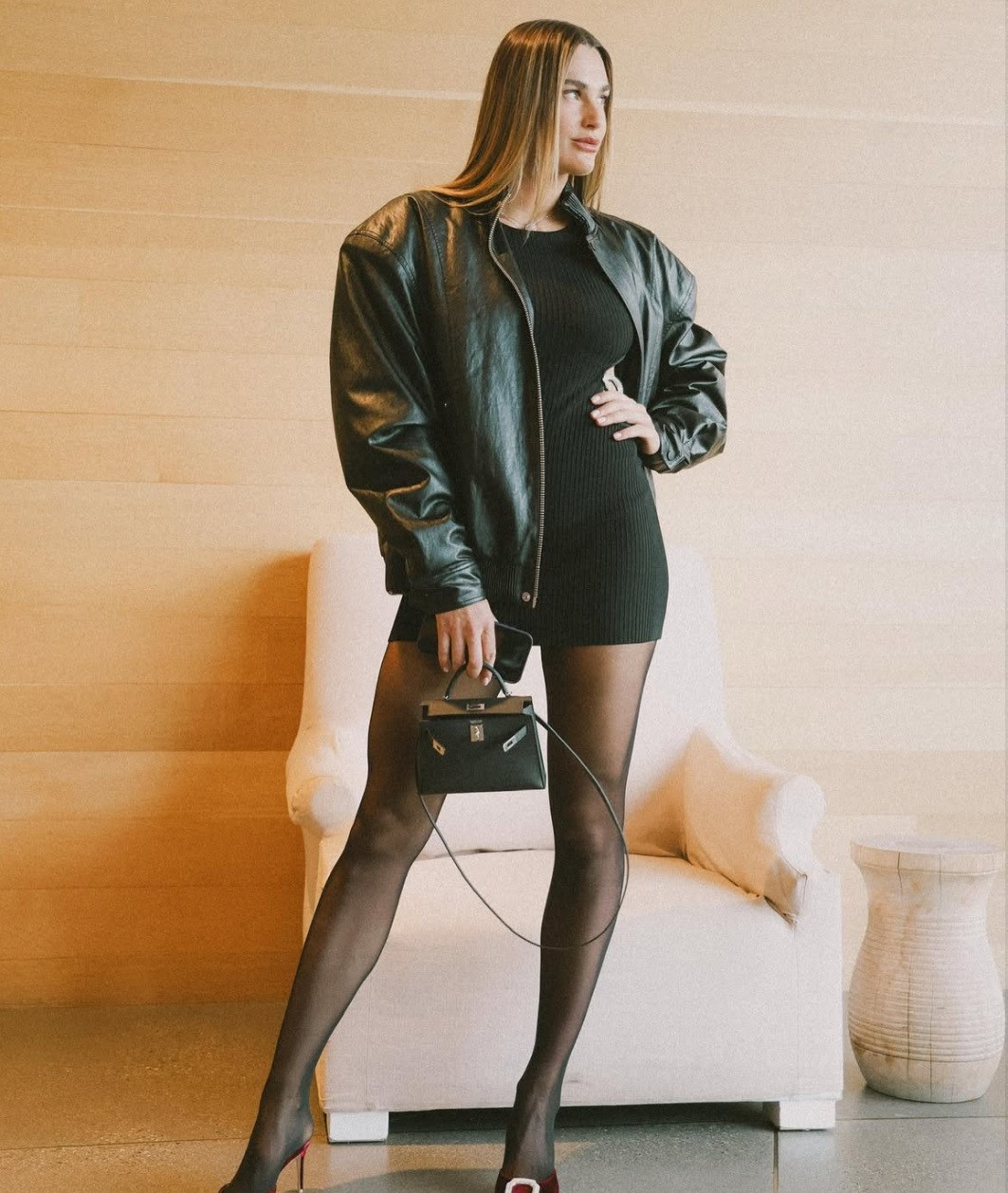
After the match, she openly expressed her frustration, saying the umpire's call "really pissed me off." This incident was not just a technical dispute but reflected a prism revealing the complex challenges Sabalenka and many Russian-Belarusian athletes face today — every victory is fought amid the tension between athletic competition and identity politics.
Since 2022, international tennis bodies have imposed various restrictions on Russian and Belarusian players. They are allowed to compete individually but cannot display their flag or anthem, nor represent their countries in team events like the Davis Cup, appearing only as "neutral athletes" in official listings. This means even if Sabalenka wins the French Open and makes history, no flag will fly nor anthem play at the ceremony. Her agent angrily criticized linking athletes to political issues as absurd, emphasizing "she is just a tennis player." This "denationalization" policy aims to pressure governments but ultimately burdens athletes like Sabalenka, who have repeatedly voiced opposition to war and focus solely on their careers.
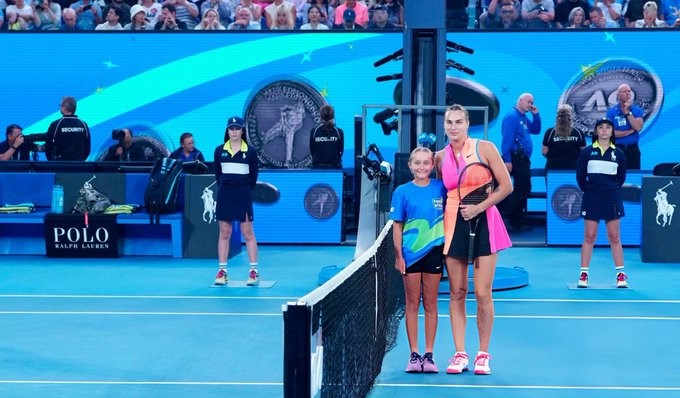
This systemic pressure infiltrates Sabalenka’s professional life in subtle ways. Most notably, tensions with some Ukrainian players have surfaced. At the 2025 Madrid and Rome tournaments, Ukrainian star Kostyuk refused to shake hands with Sabalenka post-match, bringing political conflicts onto the court. Another Ukrainian player admitted that every match against Russian-Belarusian opponents is a "moral dilemma" and emotional ordeal. This pervasive locker room tension has imposed significant psychological strain on Sabalenka.
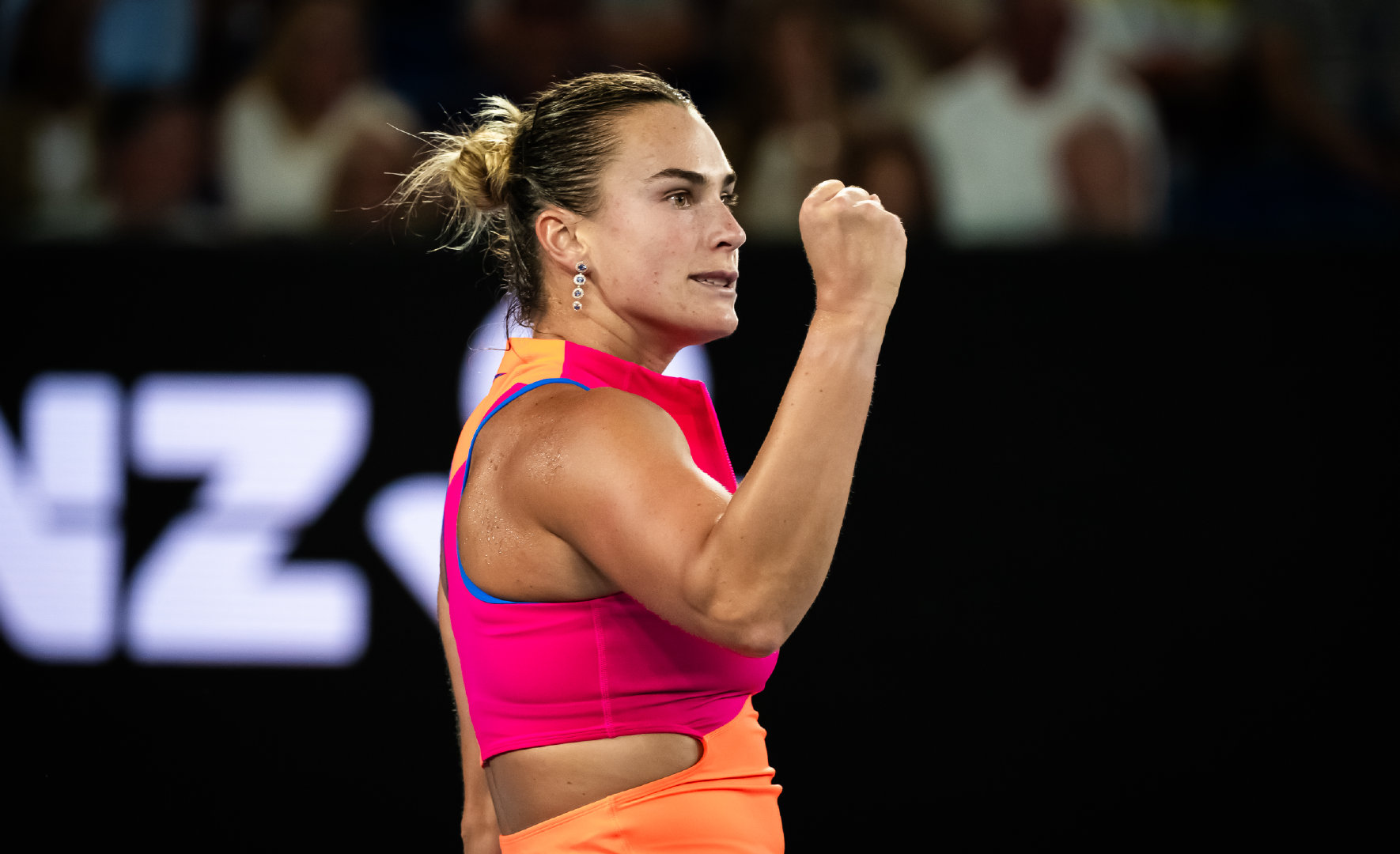
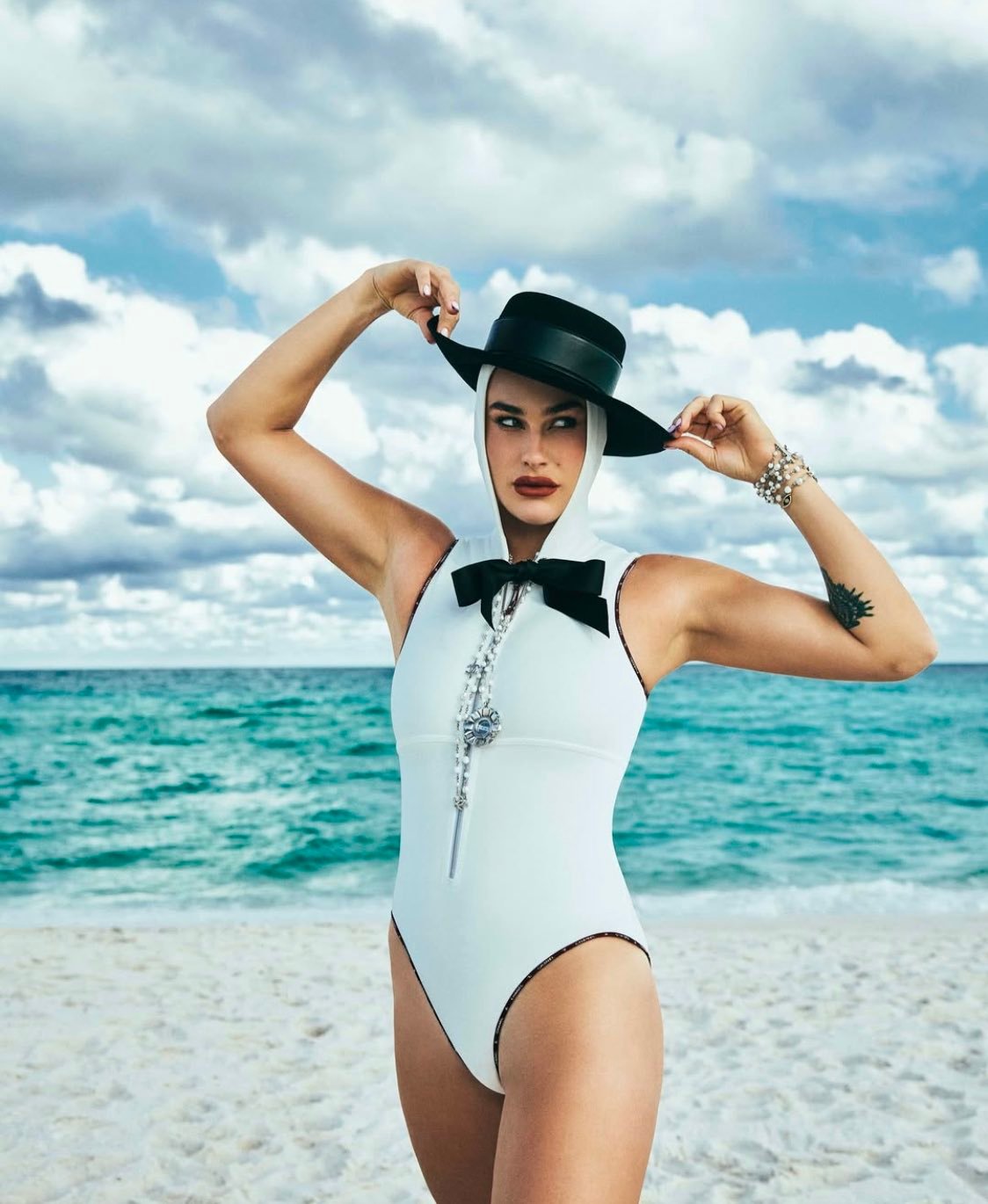
A common misconception is that Sabalenka has suffered major commercial losses due to her nationality. However, data tells a more nuanced story. According to Forbes 2025, Sabalenka earned $30 million total, ranking second among female athletes worldwide, with $15 million from endorsements. Her sponsors include top brands like Nike and Wilson. Although some retired players noted her U.S. recognition might lag behind emerging stars, and combined sponsorships with Rybakina might not match Britain's Raducanu, in absolute terms she remains one of the highest-value female athletes commercially. Her agent believes Western markets increasingly see her as a "global icon and international superstar," not just an Eastern European niche athlete. Her on-court excellence is her strongest weapon against invisible barriers.

The Australian Open penalty controversy, alongside Sabalenka’s ongoing challenges, raises unavoidable questions for tennis authorities: How to ensure clarity and consistency in rule enforcement? When calls like "vocal interference" lack objective criteria, should technology assist refereeing? Or should clearer quantitative guidelines be established? Where is the line between sport and politics? How can international sports bodies uphold their non-political mission and protect athletes from bearing consequences of their governments' actions? How to heal divisions within the player community? Tennis, fundamentally a global individual sport reliant on mobility and exchange, needs governing bodies, player councils, and influential stars to foster dialogue beyond nationality and rebuild a purer competitive environment. Notably, when Bach cited Ukrainian and Russian-Belarusian athletes competing together and supported the latter’s neutral Olympic return, Ukrainian players directly countered, calling it a "last resort," highlighting the huge gap between ideals and reality.
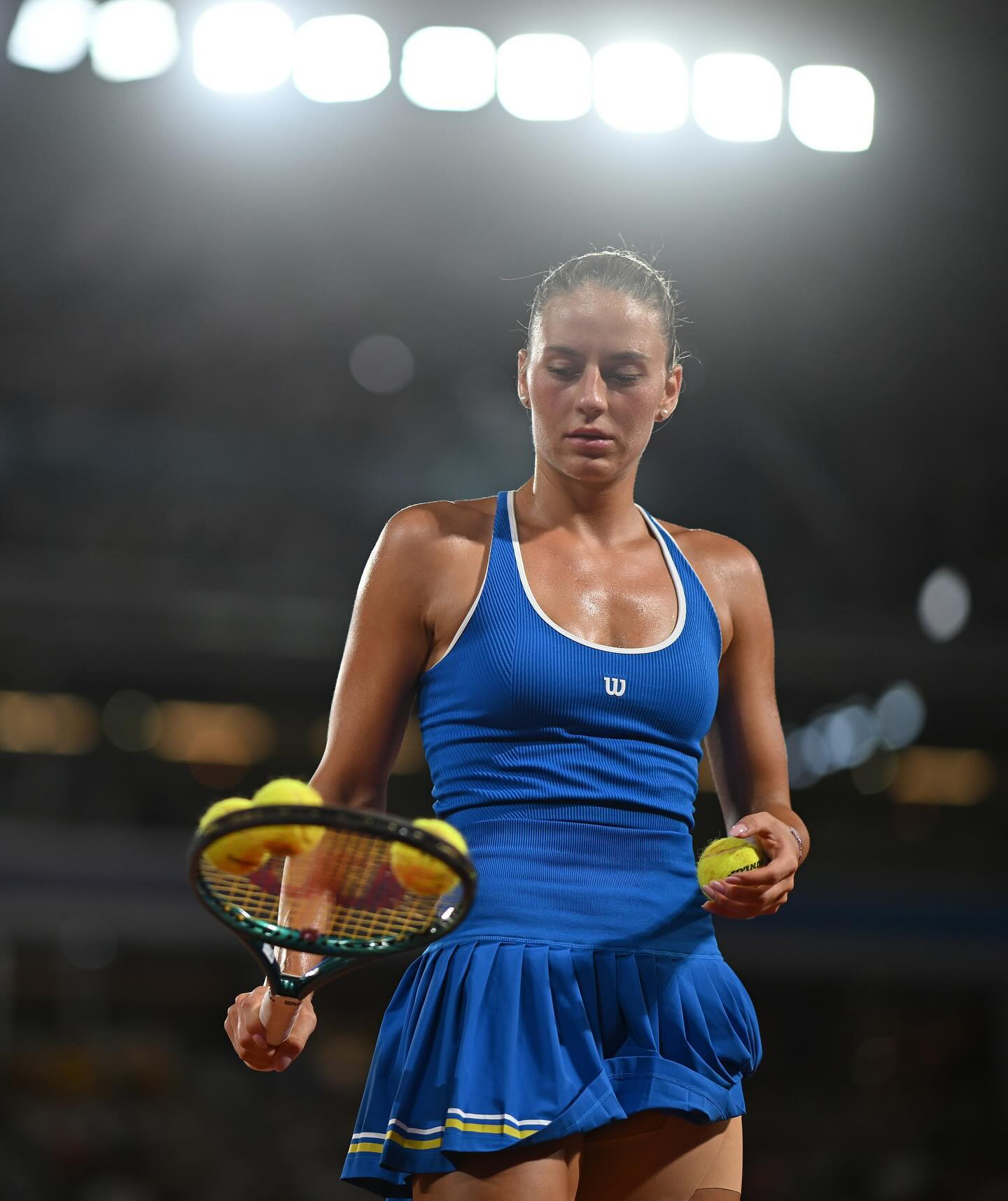
After the controversial call, Sabalenka did not let anger consume her. She admitted the umpire "really pissed me off," but quickly added, "it actually helped me raise my game." She even sent a message to the umpire: "If you want to keep calling it like that, go ahead! It only helps me win." Ultimately, she crushed her opponent 6-2, 6-3, reaching the Australian Open final for the fourth consecutive year. Though the Daphne Cup won’t bear her nationality, fans worldwide remember this champion who unleashed even greater strength under adversity.
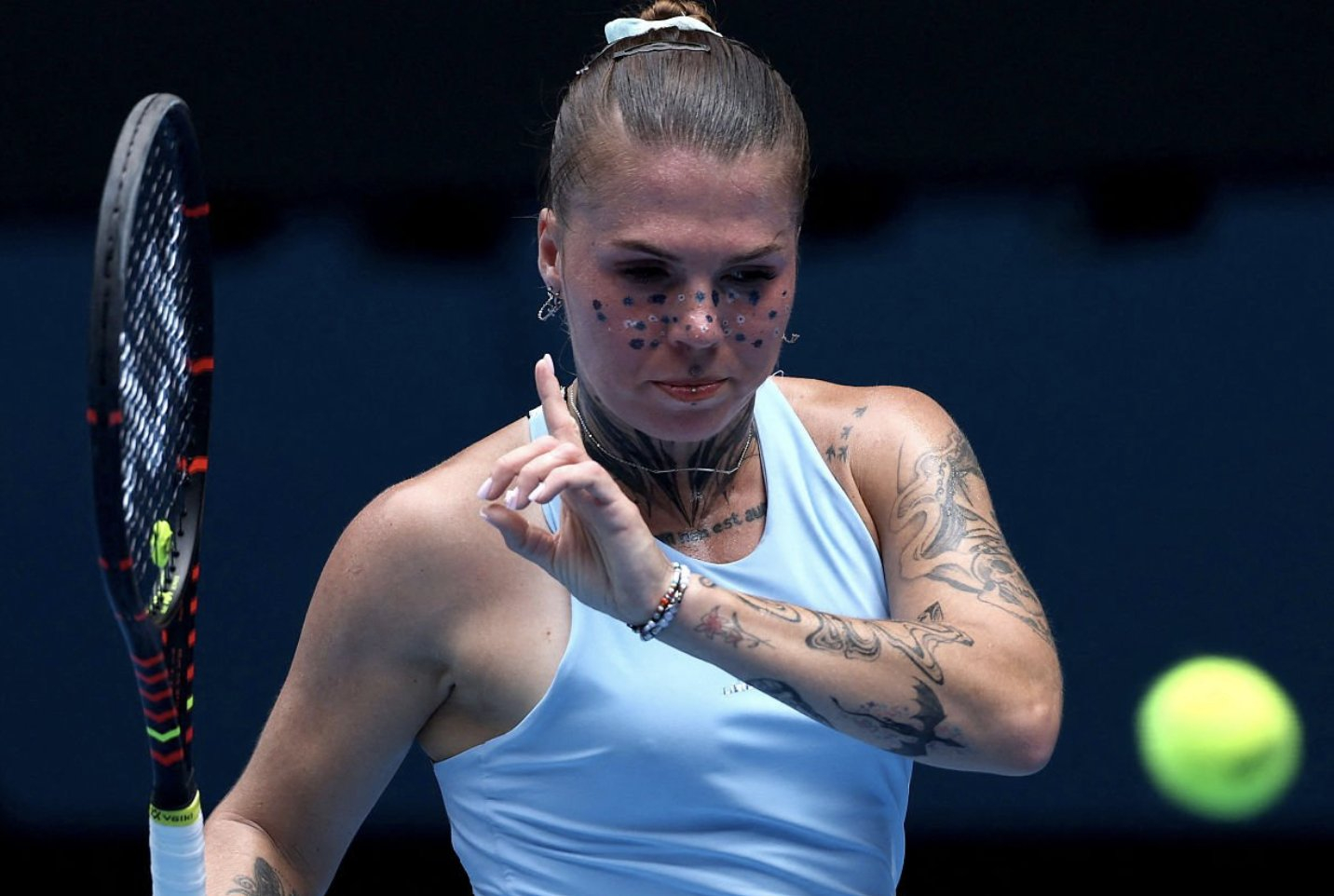
When she lifted the trophy, the controversy would fade, but questions about fairness, identity, and sportsmanship would linger long on the court.(Source: Tennis Home, Author: Xiao Di)

 Links
Links
 Contact
Address:UNIT 1804 SOUTH BANK TOWER, 55 UPPER GROUND,LONDON ENGLAND SE1 9E
Number:+85259695367
E-mali:[email protected]
 App
App


