



Gauff described watching the Australian Open as like visiting a zoo: How should all parties balance privacy protection with live broadcast exposure?


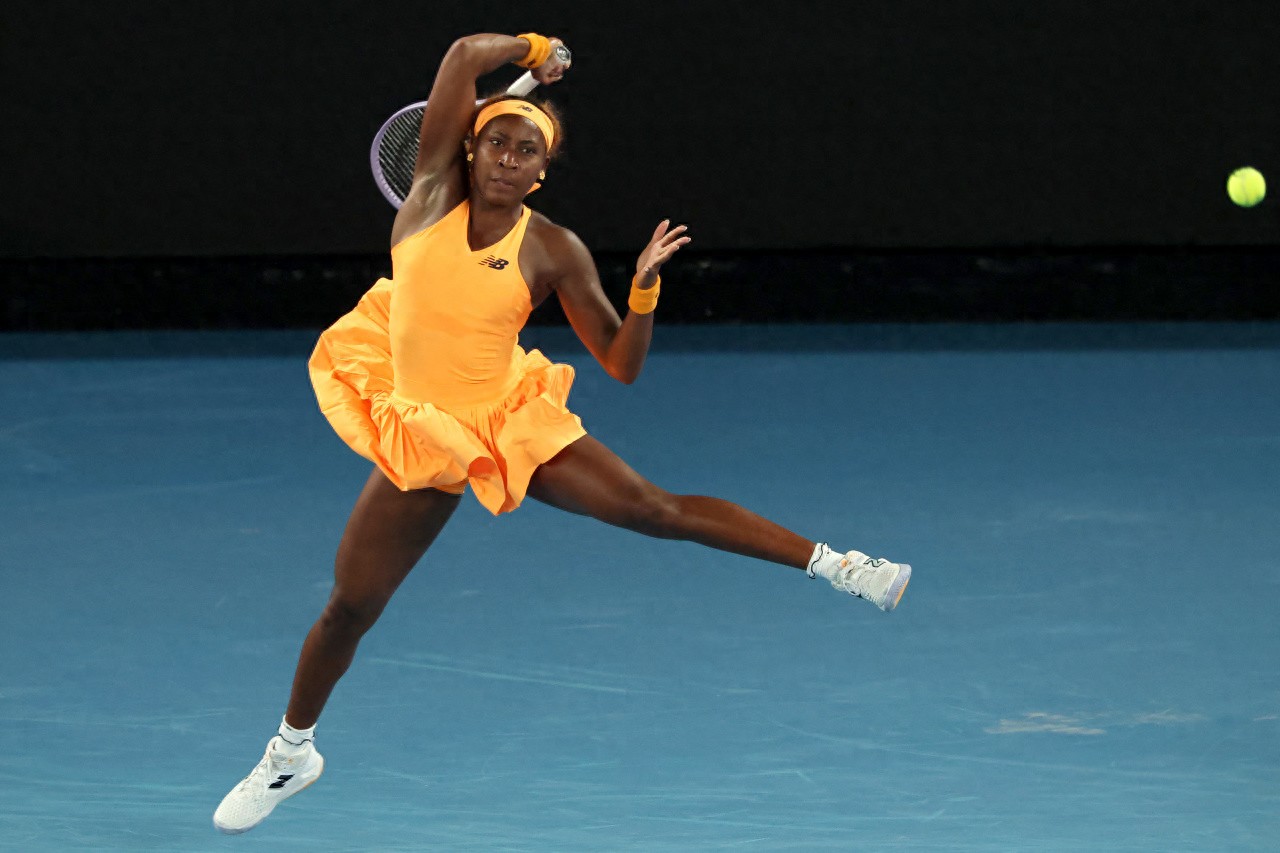
During the Australian Open women's singles quarterfinals, Gauff experienced the toughest match of her career. The young 21-year-old player did not lose her temper on the spot; instead, she quietly returned to the players' tunnel and broke her racket forcefully in a private area.
What surprised Gauff was that this scene was clearly recorded by a camera and switched to the live broadcast by the director, allowing global TV audiences to witness the entire process of her racket smashing.
Later, the footage of Gauff smashing her racket in private was edited into short videos and went viral online. As the hype faded, an important question arose—where is the boundary of players' privacy, which behaviors can be made public, and which should not be shown to the audience?
To express her concern and even anger, Gauff used a vivid metaphor, asking, "Are we tennis players on the court, or animals in a zoo whose every move, even going to the bathroom, is being watched?"
Sharing similar views, Swiatek recently went viral online for a video where she was stopped by security at the athletes' gym for not carrying her ID. The footage showed her waiting outside until someone brought her credentials. "Our attention should be on the court and press conferences—that's our job. But when you forget your ID, there's no need to become an internet meme," she said.
Besides these players, Anisimova, Pegula, and others have voiced similar concerns. As the issue gained traction, the Australian Open and the WTA also issued statements.
On Thursday, Australian Open tournament director Craig Tiley shared his views, stating the event needs "a delicate balance between player promotion, tournament promotion, and camera placement."
Tiley added, "We want to listen to the players’ voices and truly understand their needs—that’s our first priority. We hear you, and whatever adjustments are necessary, we will make them. We will continue reviewing to ensure players feel comfortable. At the same time, we want fans to feel closer to the players. We believe this can enhance the players' value and respond to fans’ love. We strive to balance these two aspects—it’s like walking a tightrope; the wire is thin, but we must keep moving forward."
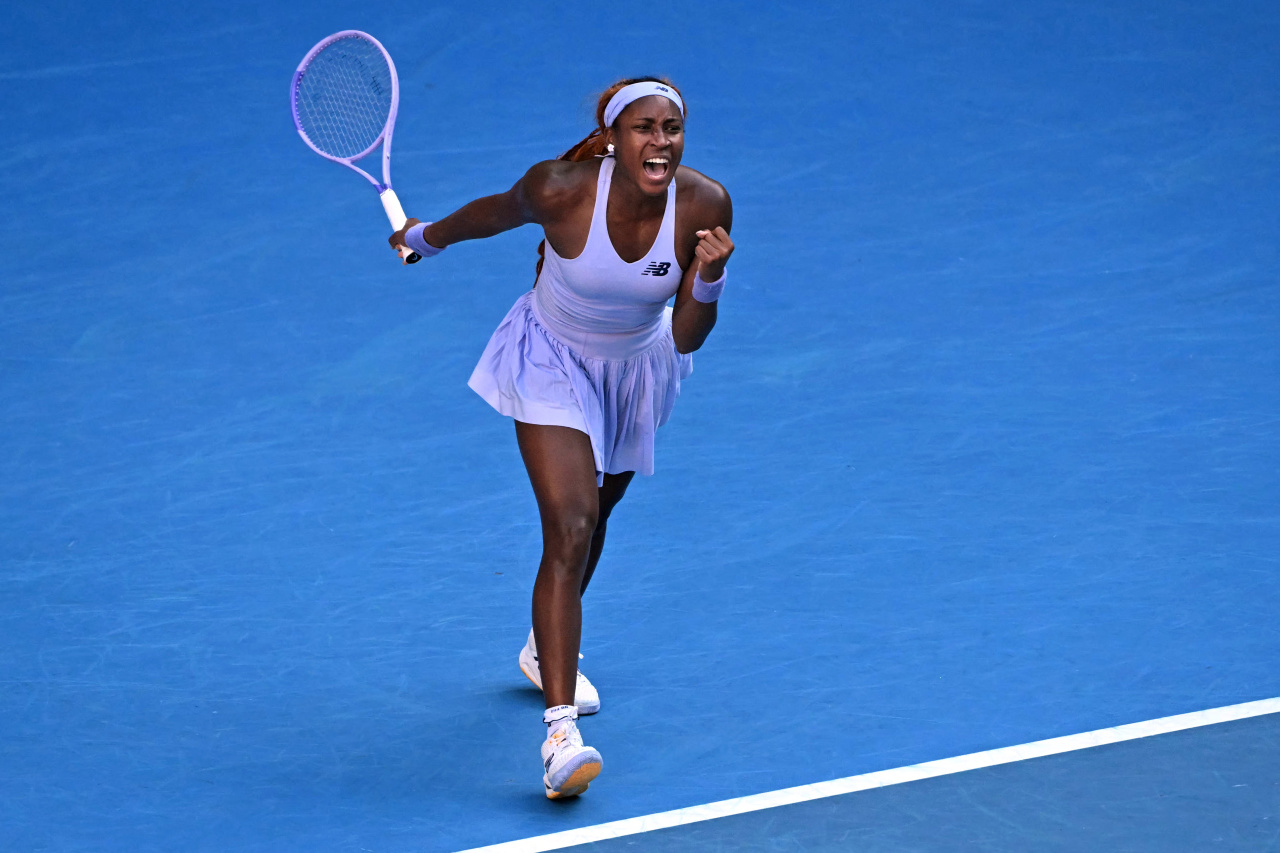
On the same day, the WTA also issued a statement supporting calls for change. WTA Chair Valerie Camillo said the players' concerns are "completely reasonable."
"This is a very humane and fair request—athletes need a space where they can recover without being scrutinized," she said. "Providing a safe space is one of our responsibilities. The WTA is committed to listening to players and acting on these concerns."
The WTA statement noted it has taken steps to reduce the number of cameras outside its own events. "We adopted this standard because we agree there should be clear and respectful boundaries off-court, and we urge other tournaments and broadcasters to take similar measures. We believe this issue should be reviewed by event organizers and broadcast partners to ensure appropriate limits are set."
Regular viewers know there are many cameras inside and outside the court, capturing scenes from multiple angles. The on-site camera director chooses which footage to broadcast live. To innovate and satisfy viewers, the live feed occasionally shows interesting perspectives to enrich the broadcast and keep the audience engaged, preventing fatigue and boredom.
Therefore, the camera capturing Gauff smashing her racket wasn’t a coincidence; that camera was always there filming. The director happened to notice this moment among many camera feeds, found it interesting and timely, and switched it to the live broadcast.
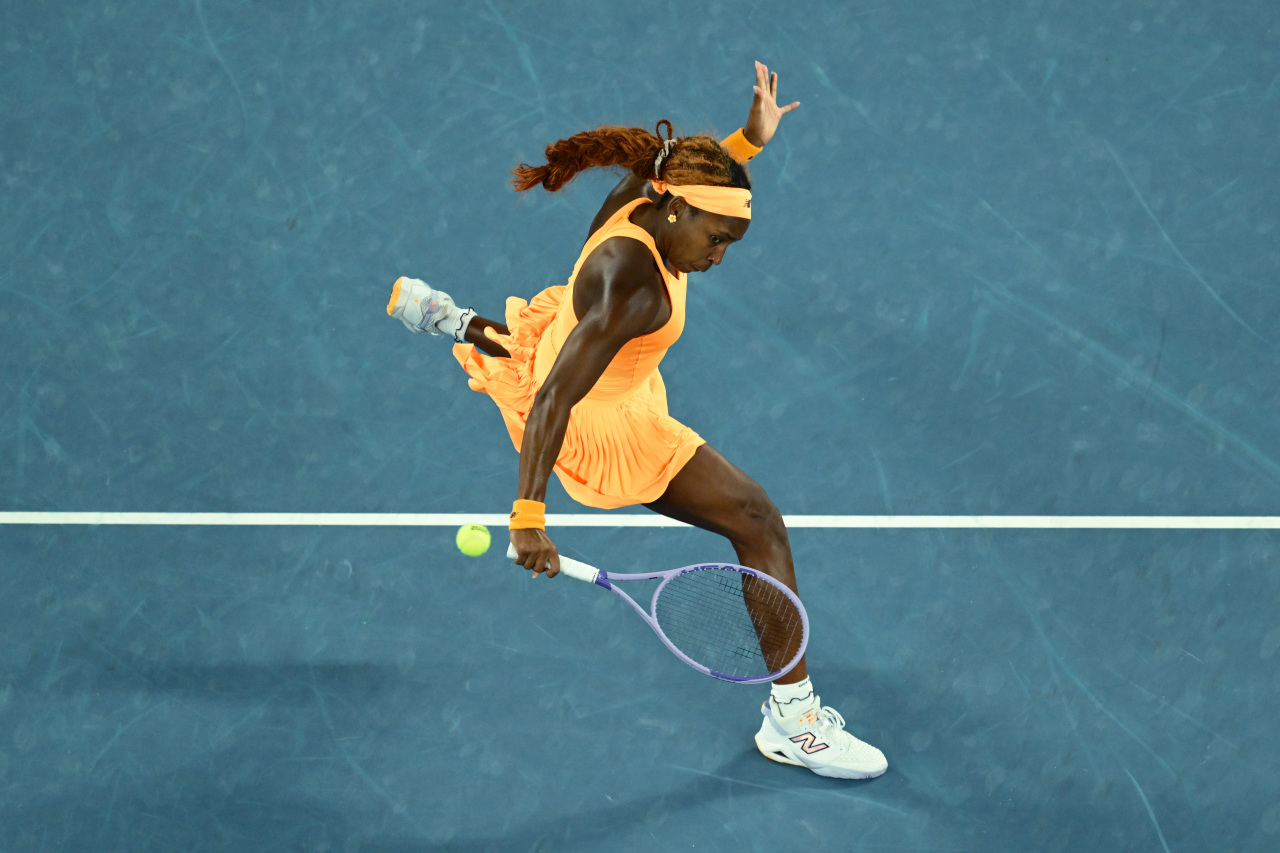
It’s clear the core issue isn’t the number or placement of cameras but the person behind the lens—who decides the live content and what rules guide their choices.
Although the Australian Open and WTA have made statements, the timing and nature of any actions remain to be seen. For now, it seems difficult to reach a solution satisfying all parties in the short term.
As Djokovic said, hoping for fewer cameras or that players' complaints will bring change is naive: "Commercial demands always exist. People want to see how we warm up, what we say to coaches, how we relax and recover. They want to see us getting out of cars, walking through hallways... I find it hard to imagine this reversing. We have to accept reality."(Source: Tennis Home, Author: Yun Juan Yun Shu)

 Links
Links
 Contact
Address:UNIT 1804 SOUTH BANK TOWER, 55 UPPER GROUND,LONDON ENGLAND SE1 9E
Number:+85259695367
E-mali:[email protected]
 App
App


