



Is the best-of-five format for women's tennis imminent? The Australian Open's reform pushes equality and excitement hand in hand.


At the 2026 Australian Open, the men's singles semifinals became a hot topic with marathon battles: Alcaraz and Zverev fought for 5 hours and 27 minutes to the very last point, while Djokovic staged a 4-hour and 9-minute comeback against Sinner. These two five-set matches vividly demonstrated the intensity and charm of competitive sports. In contrast, the women's singles semifinals were quick affairs, with only the final between Rybakina and Sabalenka extending to three sets. The disparity in formats between men and women reignited controversy. Australian Open director Craig Tiley has now clearly stated plans to implement a best-of-five format for women's singles starting from the quarterfinals, possibly as soon as next year. This proposal is not just a change in format but an important step toward achieving equal competitive value in women's tennis.
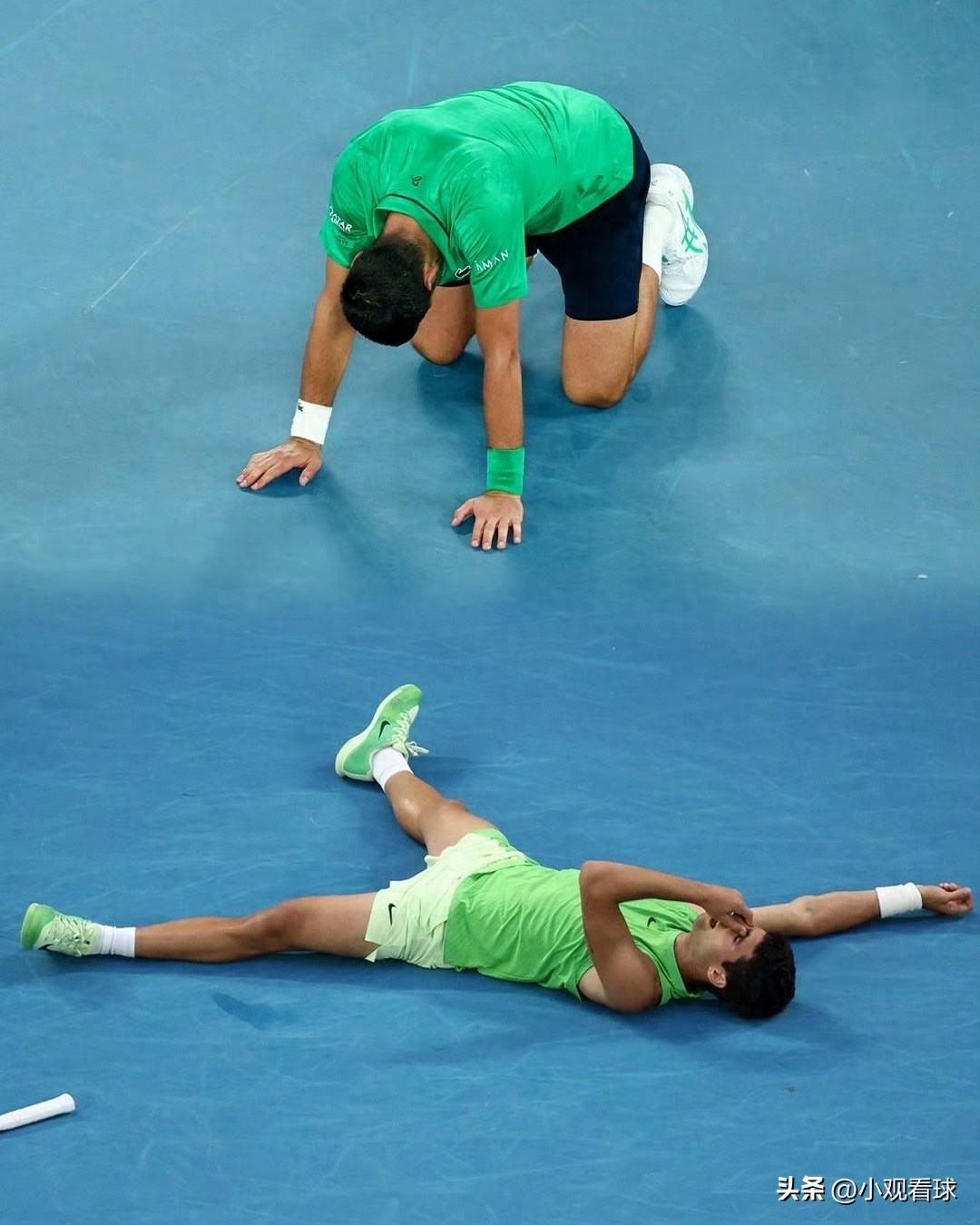
For a long time, the difference in Grand Slam formats—best-of-five for men and best-of-three for women—has been accompanied by ongoing debates about "equal work, unequal pay." Even though prize money is now equal, the drama, potential for comebacks, and core spirit that the five-set format brings cannot be replicated by three sets. In this year's Australian Open women's final, Rybakina came back from a 0-3 deficit in the deciding set to win five consecutive games and claim the title. The three-set format already provided plenty of excitement, but a five-set match would give players more room to adjust tactics and manage pressure, potentially elevating the classic nature of matches. As Tiley noted, best-of-five matches in key rounds will deliver stronger highlights, and suspense that ends prematurely under the three-set system would be extended over a longer contest.
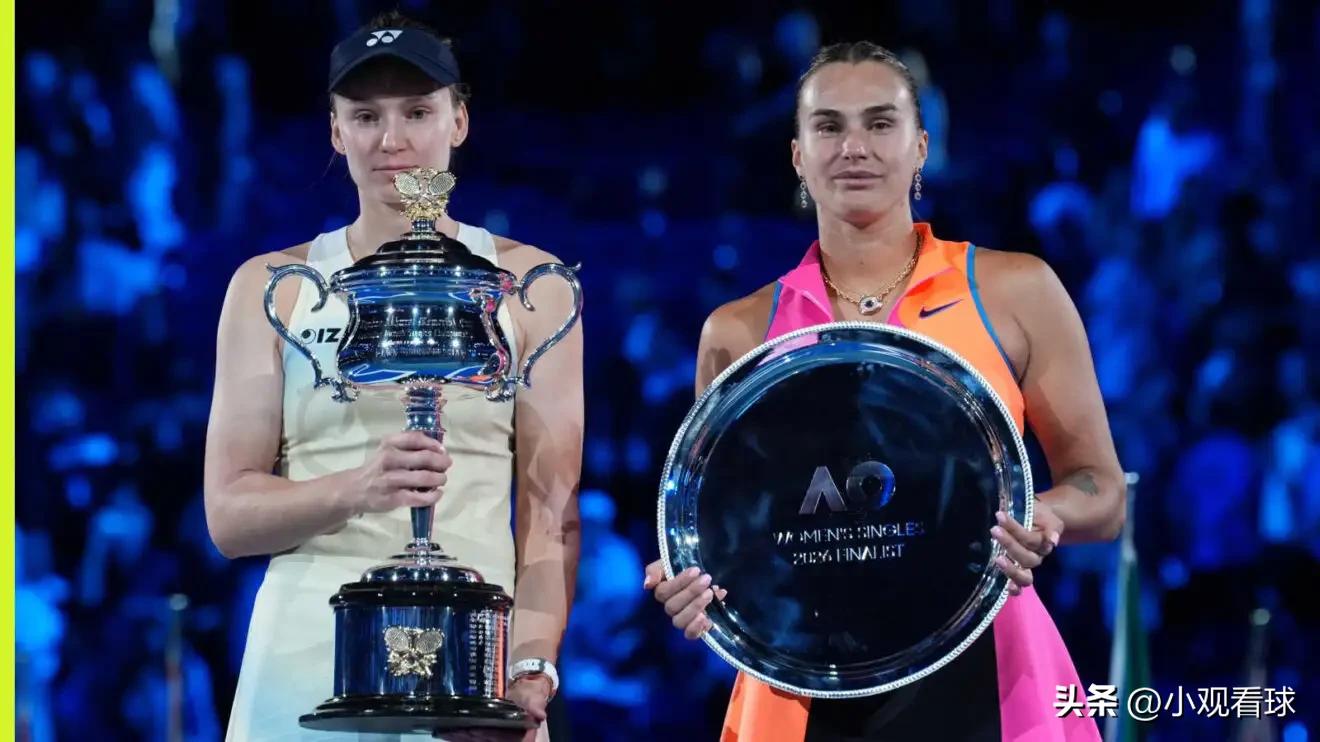
Opposition mainly centers on concerns about physical stamina and broadcast scheduling. Broadcasters worry about the unpredictable length of five-set matches disrupting planned schedules; others question female players' endurance. However, modern women's tennis is vastly different—top players like Sabalenka and Rybakina possess world-class strength and stamina, fully capable of enduring five-set battles. More importantly, the reform only covers matches from the quarterfinals onward—Grand Slams have limited matches per day at that stage, greatly reducing scheduling pressure, making it feasible. Female players have also expressed willingness to try the five-set format, demonstrating their desire to break stereotypes about female stamina and prove their value.
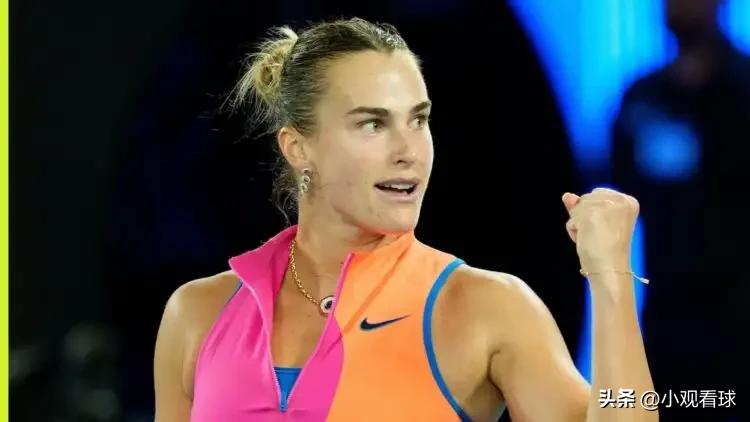
From an equality perspective, implementing the best-of-five format is a crucial step for women's tennis to achieve true "equal pay for equal work." Past discussions often focused on prize money equality but overlooked the value gap caused by format differences: men's five-set matches tend to attract higher viewership and media attention, and players must invest more physical and mental effort. Introducing five sets in key women's rounds essentially allows female players to showcase their worth under the same competitive standards, winning more attention through more intense matches, creating a positive cycle of "exciting matches—high attention—greater commercial value," which is far more meaningful than prize money parity alone.
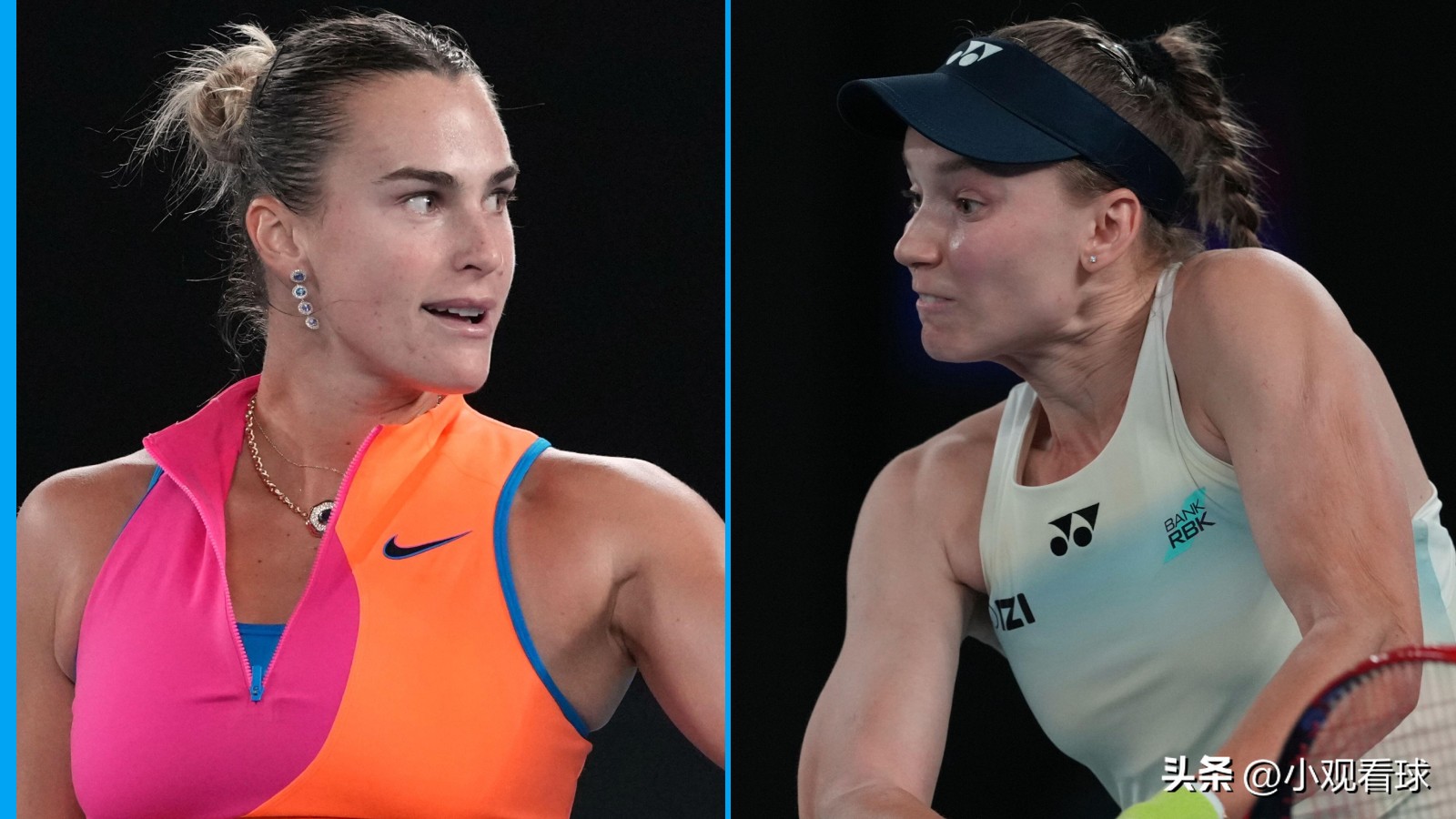
Of course, implementing this reform requires attention to details such as improving physical support systems, optimizing scheduling plans, and fully consulting players. Nonetheless, the Australian Open's proposal marks a significant step forward. If successfully implemented, it will likely inspire other Grand Slams to follow suit, pushing women's tennis into a new developmental era. When female players can create comeback legends in five-set battles and women's matches rival men's in dramatic tension, women's tennis will truly realize its value upgrade. This reform, which concerns equality and excitement, is eagerly anticipated by the entire industry.
[Look at me][Bow][Rose]

 Links
Links
 Contact
Address:UNIT 1804 SOUTH BANK TOWER, 55 UPPER GROUND,LONDON ENGLAND SE1 9E
Number:+85259695367
E-mali:[email protected]
 App
App


