



Why does the media apply double standards when covering the records set by Djokovic and Alcaraz?



When Alcaraz lifted the 2026 Australian Open trophy, global sports headlines unanimously proclaimed: “The 22-year-old, 272-day-old Spaniard becomes the youngest-ever male Grand Slam champion.” Yet, when Djokovic claimed his 24th Grand Slam title, the media intriguingly inserted a seemingly objective note: Margaret Court also holds 24 Grand Slam titles, and they share this record. Following the media’s logic of mixing male and female records, history clearly shows that in 1988, 19-year-old Steffi Graf not only won all four Grand Slams but also secured Olympic gold in Seoul, achieving an unprecedented calendar Golden Slam. Similarly, Serena Williams completed a Grand Slam in 2003 at just 22 years and 122 days old, younger than Alcaraz today. Why, then, are Graf’s and Serena’s achievements seemingly forgotten when celebrating Alcaraz’s historic moment? Meanwhile, Margaret Court is always mentioned in discussions of Djokovic’s 24 titles. This subtle yet crucial narrative difference exposes a thought-provoking double standard in tennis reporting.

The essence of this double standard lies in the media’s tendency to recall cross-gender comparisons only when they want to diminish a player’s unique achievements; conversely, when promoting a new generation legend, this rule is conveniently overlooked.

After Alcaraz’s Australian Open victory, the title “youngest male Grand Slam champion” was granted without qualification, even though Graf and Serena were younger when achieving the same feat. The media chose to present the men’s records separately, crafting a narrative of a prodigious talent emerging out of nowhere. This approach subtly amplifies the historical uniqueness of Alcaraz’s accomplishment.

In contrast, when Djokovic reached the milestone of 24 Grand Slam titles, Margaret Court’s record was swiftly brought into the conversation. This was not a simple historical homage but a deliberate reframing—by placing the female record alongside, Djokovic’s status as the male tennis Grand Slam leader is quietly diluted into being just one of the joint holders of the most Grand Slam titles in tennis history. This narrative technique serves one clear purpose: to avoid positioning Djokovic alone at the absolute pinnacle of tennis history.

This double standard reveals a deep-seated psychological conflict within sports media. On one hand, the media needs to create and celebrate new legends (like Alcaraz); on the other hand, when a player (like Djokovic, possibly only Djokovic) threatens to redefine the greatest-of-all-time discussion, some media outlets try to keep the debate open by any means.
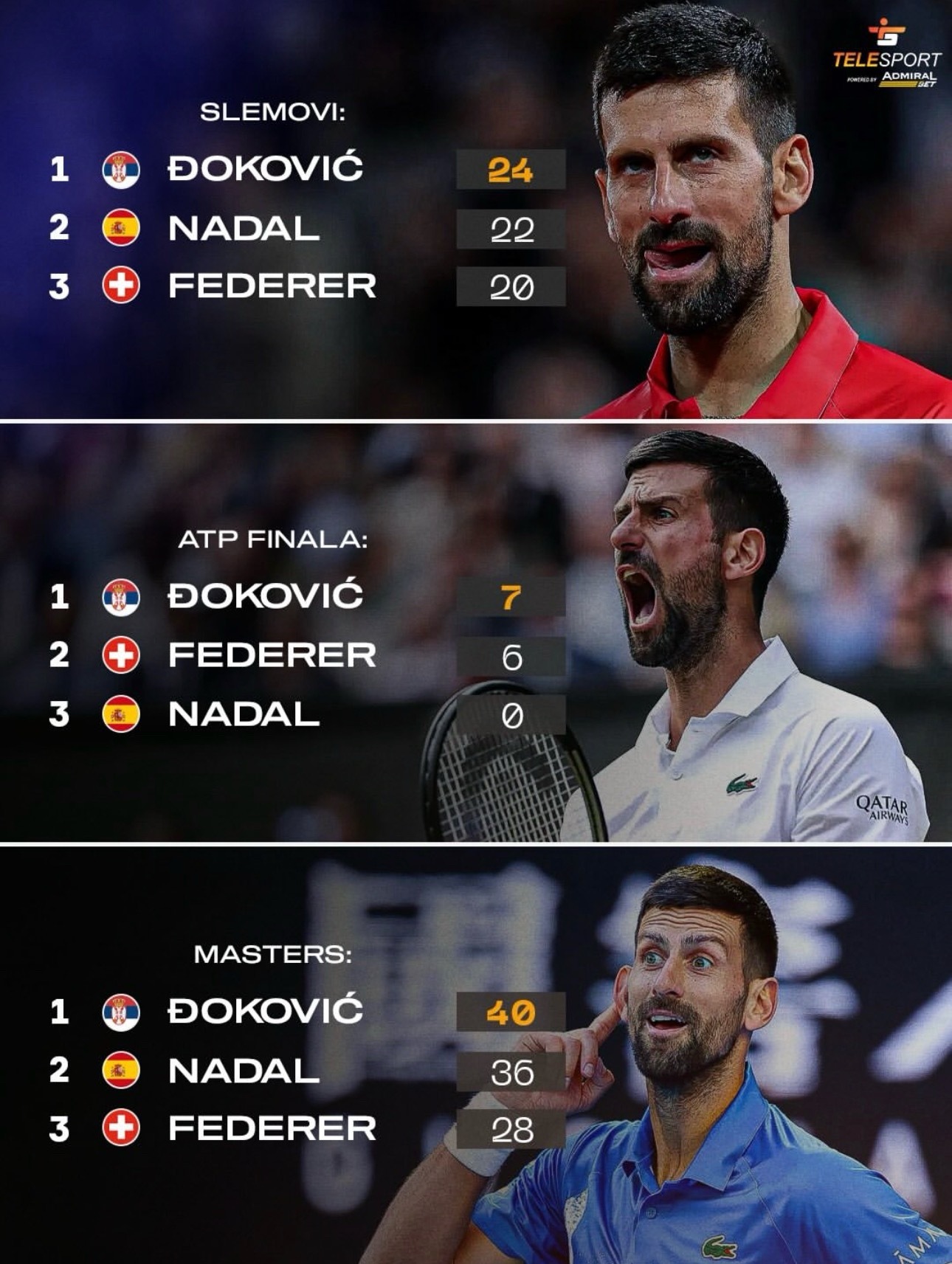
It is worth noting that this double standard is not accidental. Djokovic’s career has always been accompanied by a certain degree of dismissal—whether due to his nationality, playing style, personality, or his challenge to tennis power structures. Some media and traditional tennis institutions have a complex attitude toward him, which manifests as subtle but recognizable narrative bias: by introducing cross-gender comparisons, they indirectly question the absoluteness and uniqueness of his achievements.
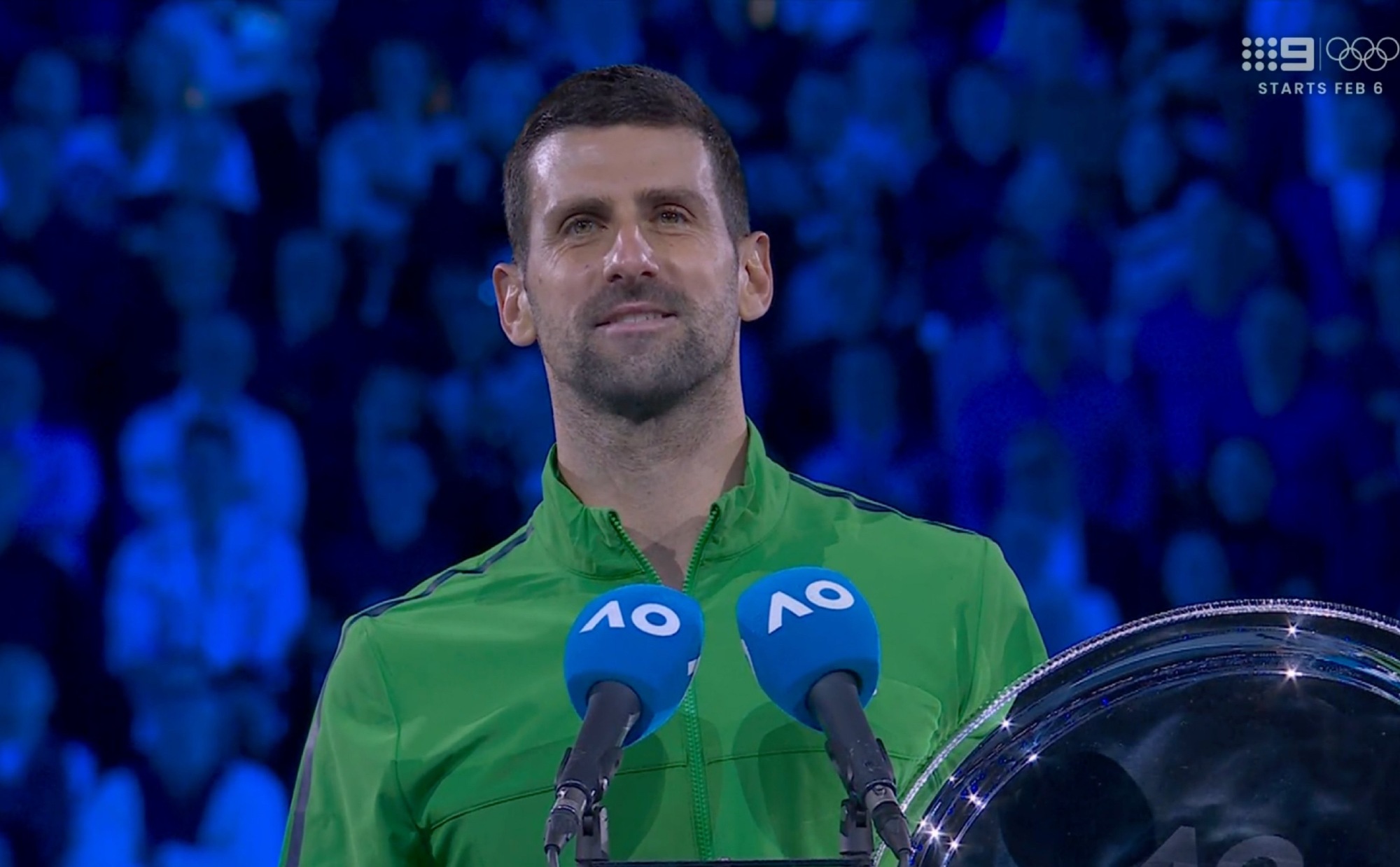
When a new generation player like Alcaraz breaks through, the media prefers a straightforward narrative—focusing solely on the men’s record he sets, ignoring historical comparisons that might undermine this achievement. This selective memory serves the need to build a new tennis hero but also exposes inconsistency in reporting standards.

Sports reporting should follow consistent principles. If the media insists on separating male and female records, this standard should apply to all records. Conversely, if certain achievements merit cross-gender comparison, this principle should be applied consistently rather than selectively.

True fairness does not lie in whether male and female records are compared but in applying the same standard across the board. Djokovic deserves to be evaluated within the context of men’s tennis history for his 24 titles, just as Alcaraz’s record as the youngest male Grand Slam champion should be assessed.

The greatness of sports lies in its continual potential for breakthroughs, and fair narratives are the foundation of that potential. When we discuss records, we are not just talking numbers; we are telling stories of human limits being challenged. These stories deserve to be recorded accurately and consistently, free from selective comparisons or distorted double standards.

Only in this way can each athlete’s achievements receive true respect within their proper context, and as spectators, we can appreciate the full picture of the sport with clarity.(Source: Tennis Home, Author: Mei)

 Links
Links
 Contact
Address:UNIT 1804 SOUTH BANK TOWER, 55 UPPER GROUND,LONDON ENGLAND SE1 9E
Number:+85259695367
E-mali:[email protected]
 App
App


