



Shang Juncheng’s crushing defeat sparks comparisons to a WTA player venturing into the ATP; an in-depth analysis of his current technical challenges


In the first round of the ATP 500 Dubai singles, Shang Juncheng was once again defeated by the tournament’s 3rd seed Medvedev 1-6, 3-6, marking his second straight loss to the former world number one in the Middle East season. Over the course of a week, he couldn’t claim a set from this Russian star in two encounters, which disappointed many fans eager for his progress. However, beyond the scoreline, what deserves deeper reflection are the technical weaknesses and psychological fluctuations revealed during the match, as well as the various reactions online afterward.
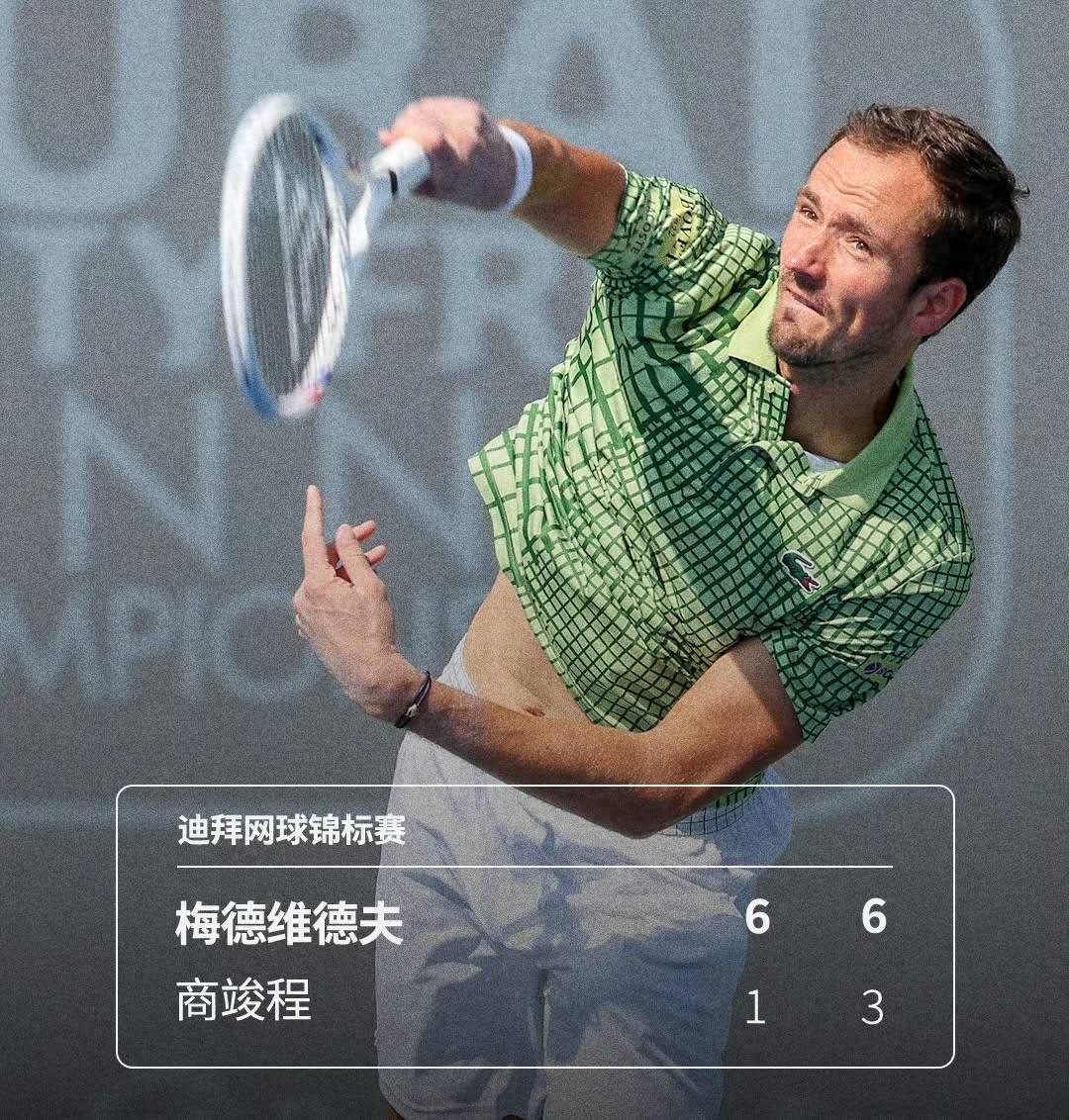
Reviewing the match, from being down 0-5 in the first set to leveling at 3-3 in the second, Shang Juncheng’s performance during this phase was actually commendable. Crucially, after a heavy first-set loss, he discovered an effective way to challenge his opponent—using his agile footwork and baseline shot-making to widen angles, forcing Medvedev, whose movement is not among the best, into a defensive and exhausting chase.
However, the turning point came in the seventh game of the second set. Shang Juncheng missed two break points on his serve and failed to hold, after which his opponent won three consecutive games to seal the victory. Even more concerning was that in the latter part of the match, Shang appeared to suffer discomfort in his right foot, limiting his movement and ultimately leading him to give up resistance. In that seventh game alone, he committed three unforced errors! His first serve averaged around 165 km/h, and the second serve about 140 km/h. Such performance explains why many netizens joked that watching Shang face Medvedev felt like “a WTA player trying to compete in the ATP.”
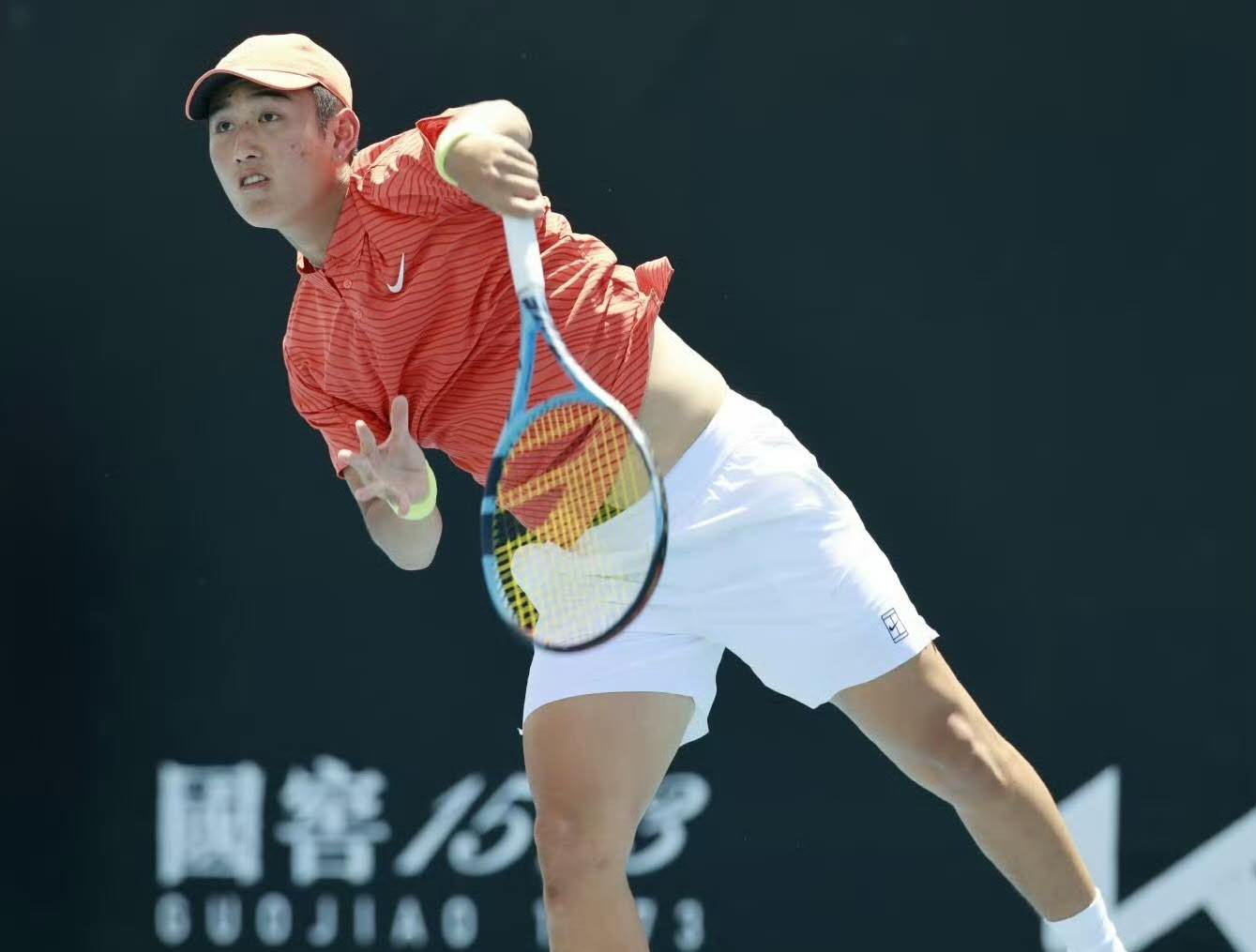
Online opinions were more complex. Some criticism targeted Shang Juncheng’s mental toughness and focus during matches. In fact, similar issues were already exposed earlier this year during his second-round Australian Open match against Van de Zandschulp, which media described as “choking on crucial points.”
Fans on forums commented, “Watching his matches always makes me anxious—either worrying about his stamina or fearing he’ll falter on key points.” Others expressed understanding: “He’s still young, and his opponent was a former world No. 1 and Grand Slam champion. Paying these learning dues is part of the journey.”
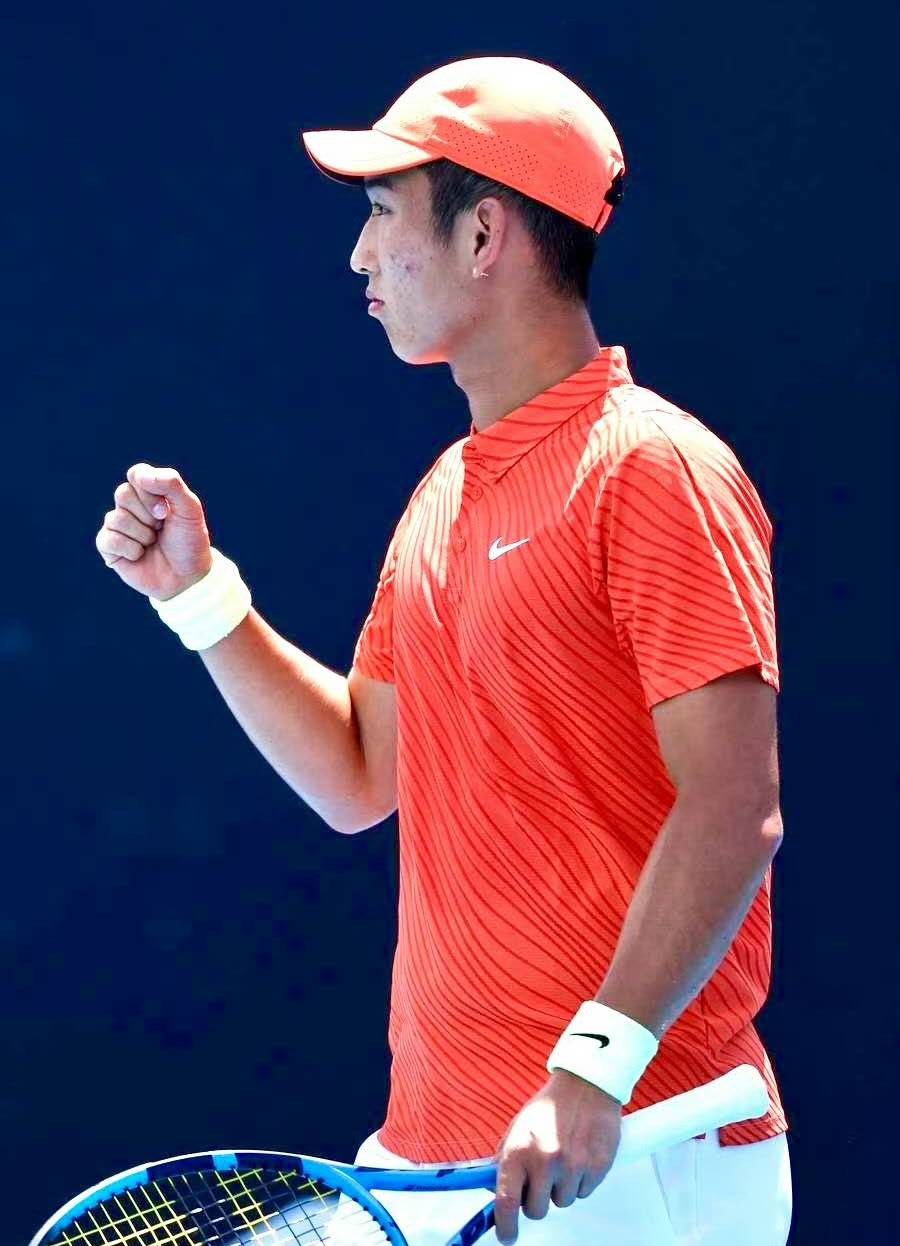
Summarizing Shang Juncheng’s recent performances, we can identify several major technical challenges he currently faces:
First, his ability to handle critical points needs urgent improvement. Whether it was the tiebreak in the Australian Open against Van de Zandschulp or missing two key break points in the second set in Dubai, Shang often appeared hesitant or impatient during tense moments. As he admitted after his Australian Open loss: “I played the tiebreak too cautiously, trying to play it safe. Tennis sometimes rewards the brave.” This “fear of losing” mentality directly impacts his technical execution.
Second, the consistency of his serve and baseline rallies is inadequate. When fans suggested before the tournament to “strengthen serve, return, and baseline stability,” they pinpointed Shang’s technical weaknesses. Against top baseline players like Medvedev, any drop in shot quality is ruthlessly exploited. Although Shang has good baseline skills, maintaining steady output under high pressure still lags behind elite players.
Third, his physical fitness and resilience remain a looming concern. Despite media praise after his first-round 2026 Australian Open win over Agut, which shed the “glass man” label, the right foot issues resurfacing in Dubai reignited worries among fans. Looking back at the 2025 Australian Open, he had to retire due to severe right foot pain and later underwent surgery. For a player relying on movement and agility, physical health directly limits his ceiling.
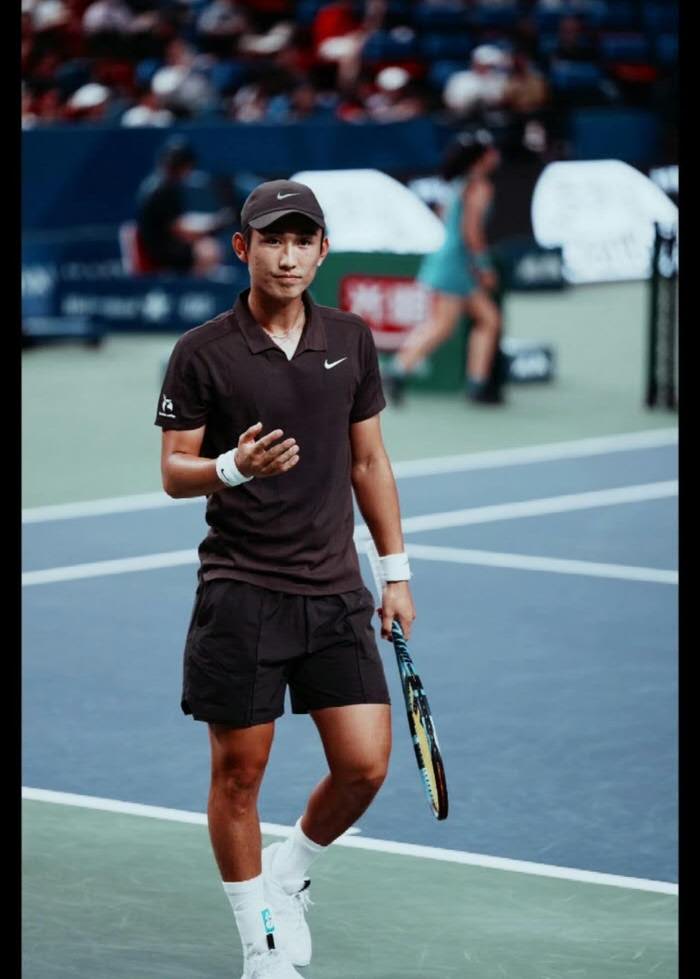
Given these challenges, what direction should Shang Juncheng’s future take?
Firstly, physical conditioning and injury management must be prioritized. As he emphasized before this year’s Australian Open, he focused heavily on improving his physical capabilities during the off-season, aiming to enhance his “resilience to impact.” This is the right approach but requires consistent effort and scientific team support. Only by overcoming recurring injuries can he truly build experience at a high competitive level.
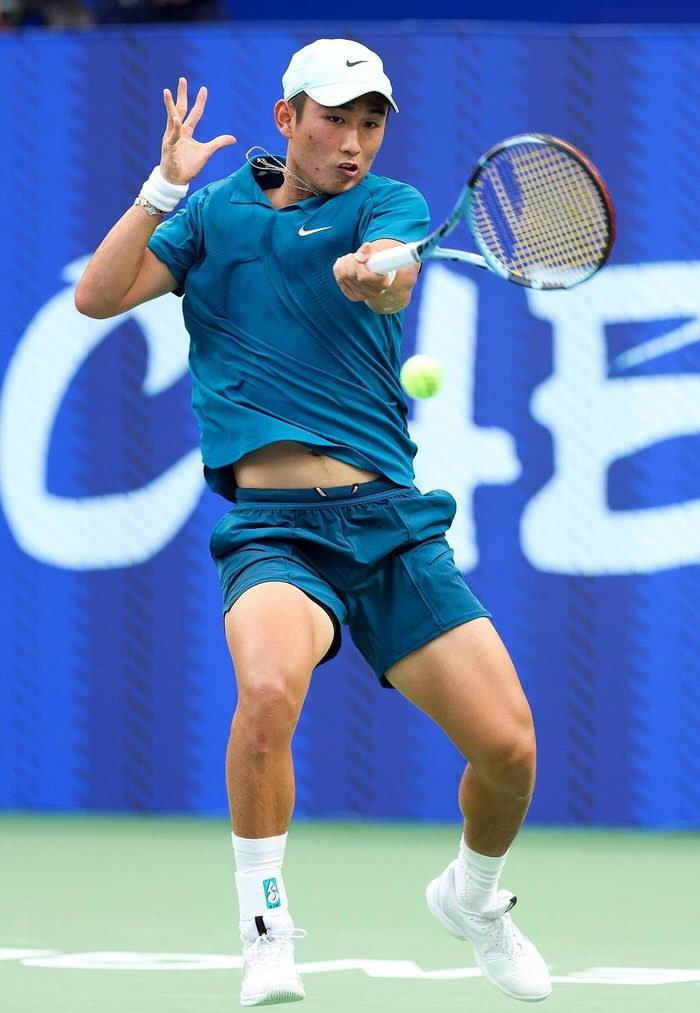
Secondly, psychological training for clutch moments is indispensable. Young players inevitably pay their dues through many tough experiences. The key is to learn from each loss and dare to take risks rather than play it safe in critical situations. Shang needs to clarify his playing style and path to victory, trusting his training and judgment when it counts.
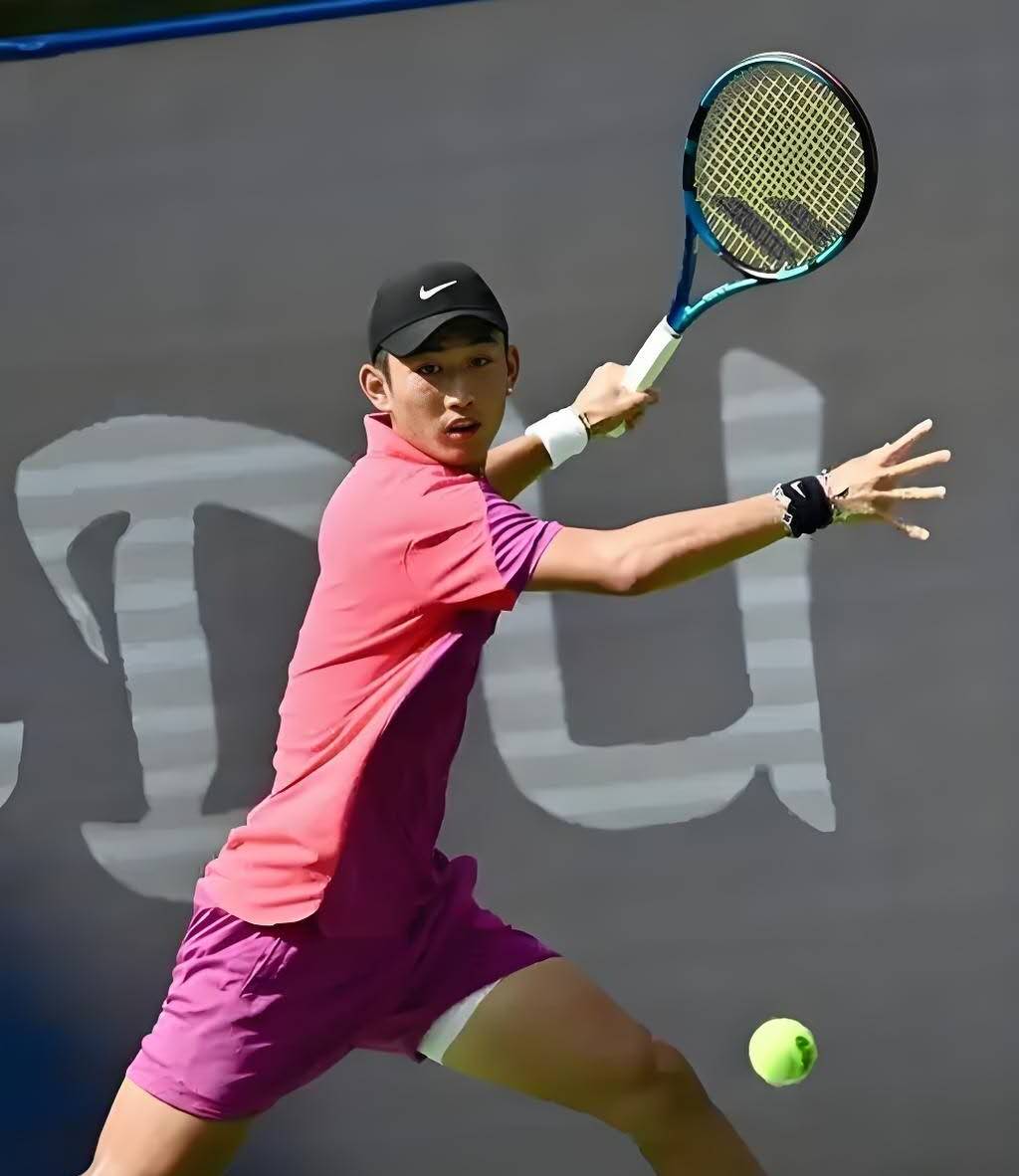
Thirdly, accumulating experience against top players is essential. Facing Medvedev twice in two weeks, though both ended in losses, provided invaluable opportunities. As shown in the early part of the second set, Shang can find ways to challenge strong opponents; the challenge lies in sustaining that “partial success” into a consistent competitive level throughout the match.
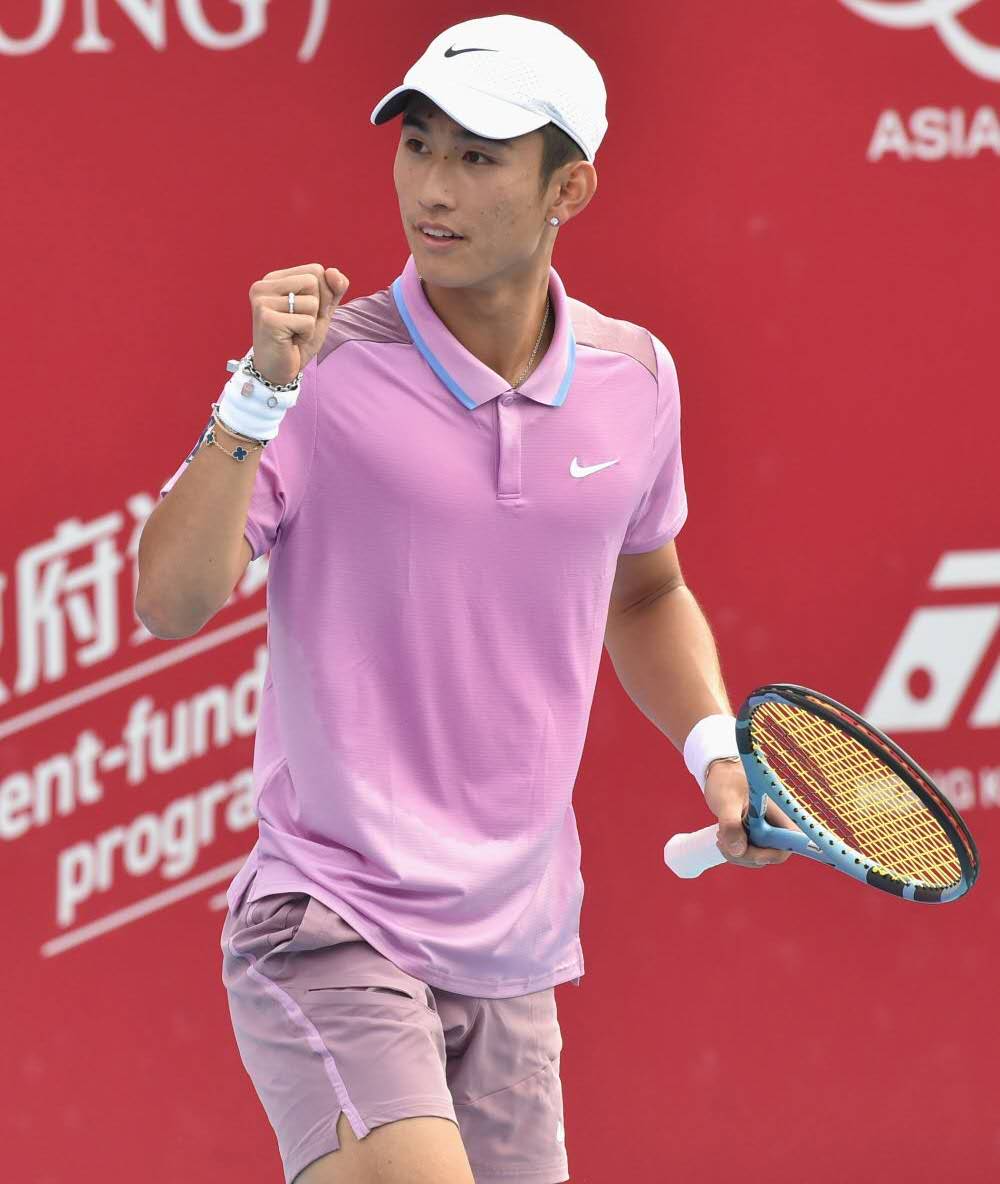
Shang Juncheng’s two defeats in the Middle East season have indeed disappointed fans hoping for his breakthrough. But we must also realistically recognize that the path from a talented young player to a stable tour contender capable of competing with top players is paved with countless “gap battles” like these.
Next, Shang will head to North America to compete in the Indian Wells and Miami Masters tournaments. These events will be another test of his ability to adapt. We hope he stays healthy and can regain form in the “Sunshine Double,” responding to external expectations and doubts through his performance. After all, the breakthrough of Chinese men’s tennis remains a long journey, and Shang Juncheng is one of the most important travelers on that road.(Source: Tennis Home, Author: Lu Xiaotian)

 Links
Links
 Contact
Address:UNIT 1804 SOUTH BANK TOWER, 55 UPPER GROUND,LONDON ENGLAND SE1 9E
Number:+85259695367
E-mali:[email protected]
 App
App


