



Wu Yibing Reaches Quarterfinals, Named One of Top Ten Most Talented Players on International Platforms; In-Depth Analysis of His Technical Uniqueness


In the second round of Acapulco, after his double tie-break triumph over three-time Grand Slam finalist Casper Ruud the previous day, Wu Yibing continued his momentum: against Japanese player Yosuke Watanuki, he clinched victory with a 6-3, 7-6(4) scoreline, achieving his first-ever quarterfinal berth in an ATP 500 tournament. If defeating Ruud was a statement of a champion's return, then this win over Watanuki demonstrated the sustainability of Wu's form, raising expectations for him even higher.
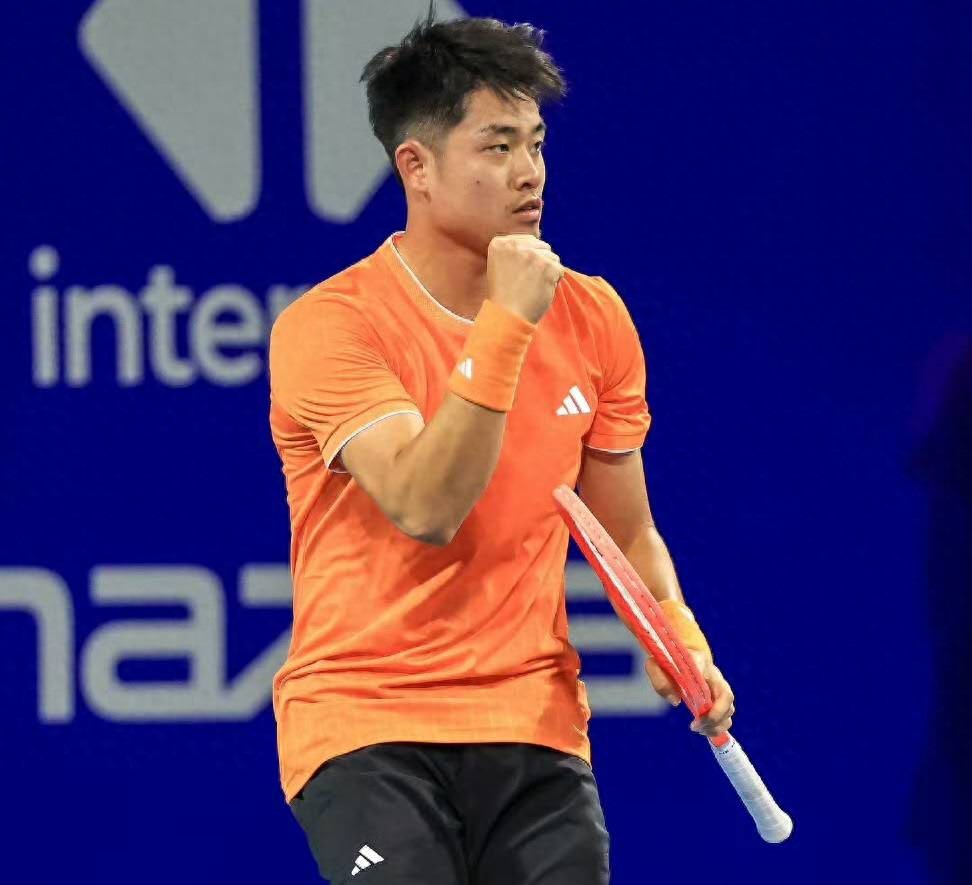
It is worth noting that after this match, international platforms were full of praise for the current Chinese number one. Notably, a report from French media even listed him among the current ATP top ten most talented athletes—a commendation of significant prestige! The specific list is as follows:
1. Carlos Alcaraz
2. Novak Djokovic
3. Stan Wawrinka
4. Grigor Dimitrov
5. Nick Kyrgios
6. Alexander Bublik
7. Jannik Sinner
8. Lorenzo Musetti
9. Holger Rune
10. Wu Yibing
From making history for Chinese tennis by winning Dallas, to a low point with injuries that led to speculation about retirement, to now reclaiming the "Chinese number one" spot—where exactly does Wu Yibing's edge lie? What is the nature of his talent? How does his playing style fundamentally differ from other top Chinese male players?
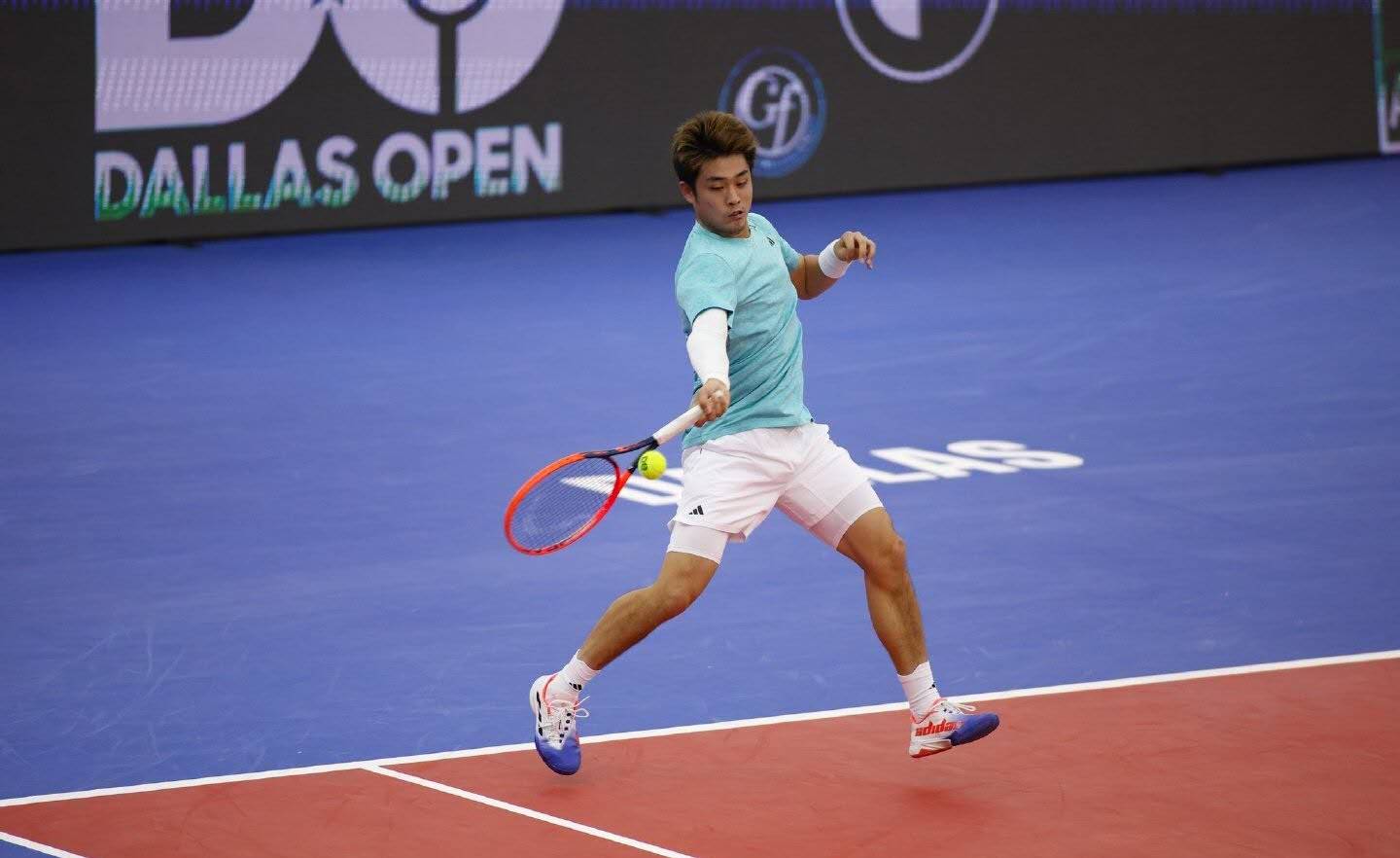
In fact, examining Wu Yibing's technical characteristics reveals a style that is truly distinctive within the current Chinese men's tennis contingent. His playing philosophy can be summarized as: winning through speed, breaking defenses with power.
1. Top-Tier Forehand Offensive Firepower
Whether facing defensively solid players like Ruud or other offensive opponents, Wu Yibing's most lethal weapon remains his forehand kill shot. In the match against Ruud, the winner count reached a staggering 32 to 9, highlighting Wu's dominant all-court attacking ability.
Behind this offensive prowess, his forehand not only covers wide angles but also possesses remarkable suddenness and disguise. As early as 2018, biomechanical analysis compared Wu's forehand swing technique to Andy Murray's, revealing a power generation structure capable of competing with world-class players. In Acapulco, he used this very forehand to forcefully breach the defenses of a top-tier defensive player like Ruud, rendering the opponent's grinding style ineffective.
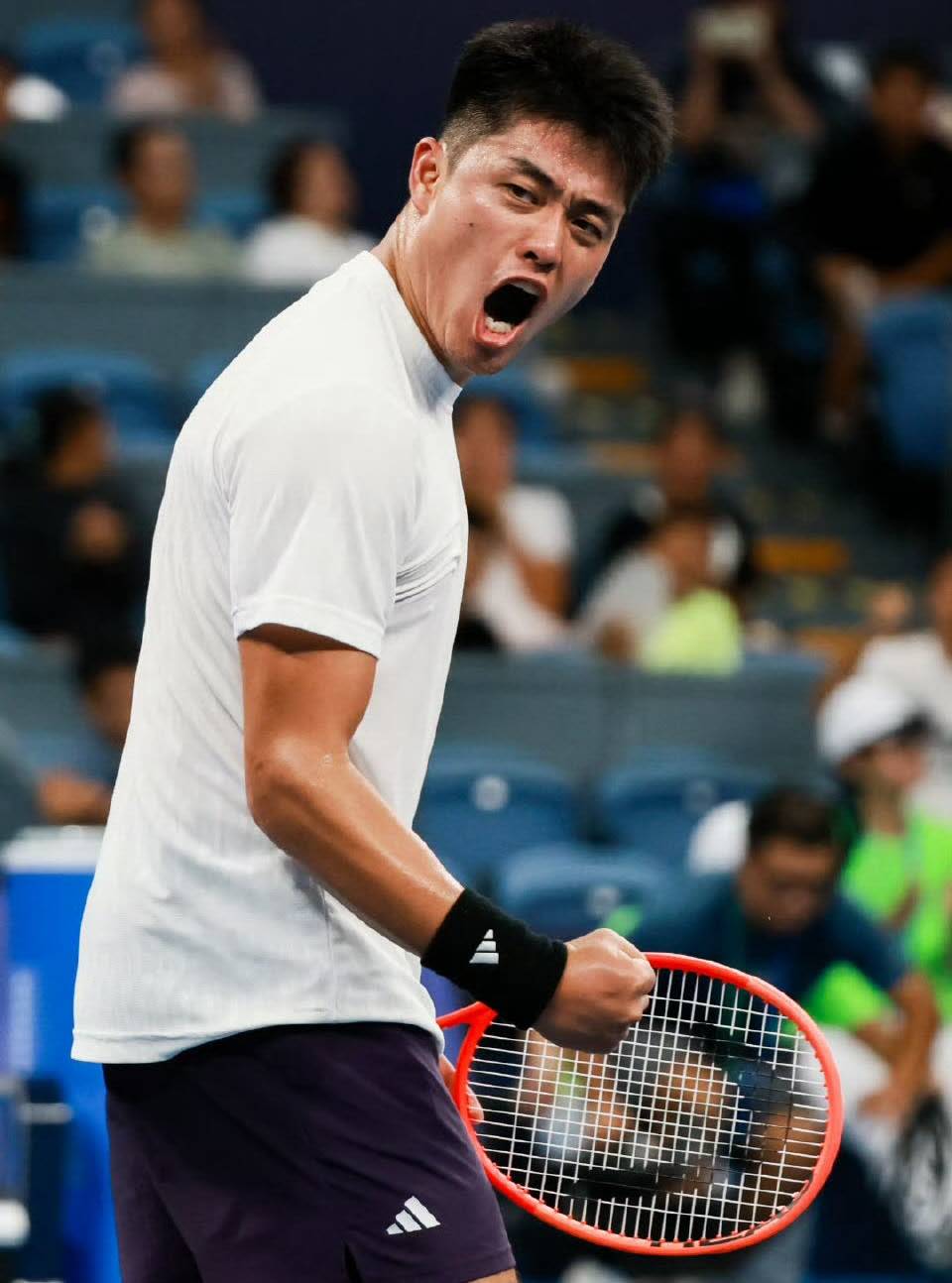
2. Serve: Not Just a Start, but a Weapon for Crucial Points
In modern men's tennis, the serve is the foundation for launching attacks. In the second-set tie-break against Ruud, Wu Yibing fired a powerful serve at 216 km/h—this was not just an ace, but a psychological deterrent. Unlike the serves of previous Chinese players, which often initiated rallies, Wu's serve is a direct point-winning tool, especially when combined with tactical patterns like "wide serve followed by forehand return," showcasing his composure and high tennis IQ in execution.
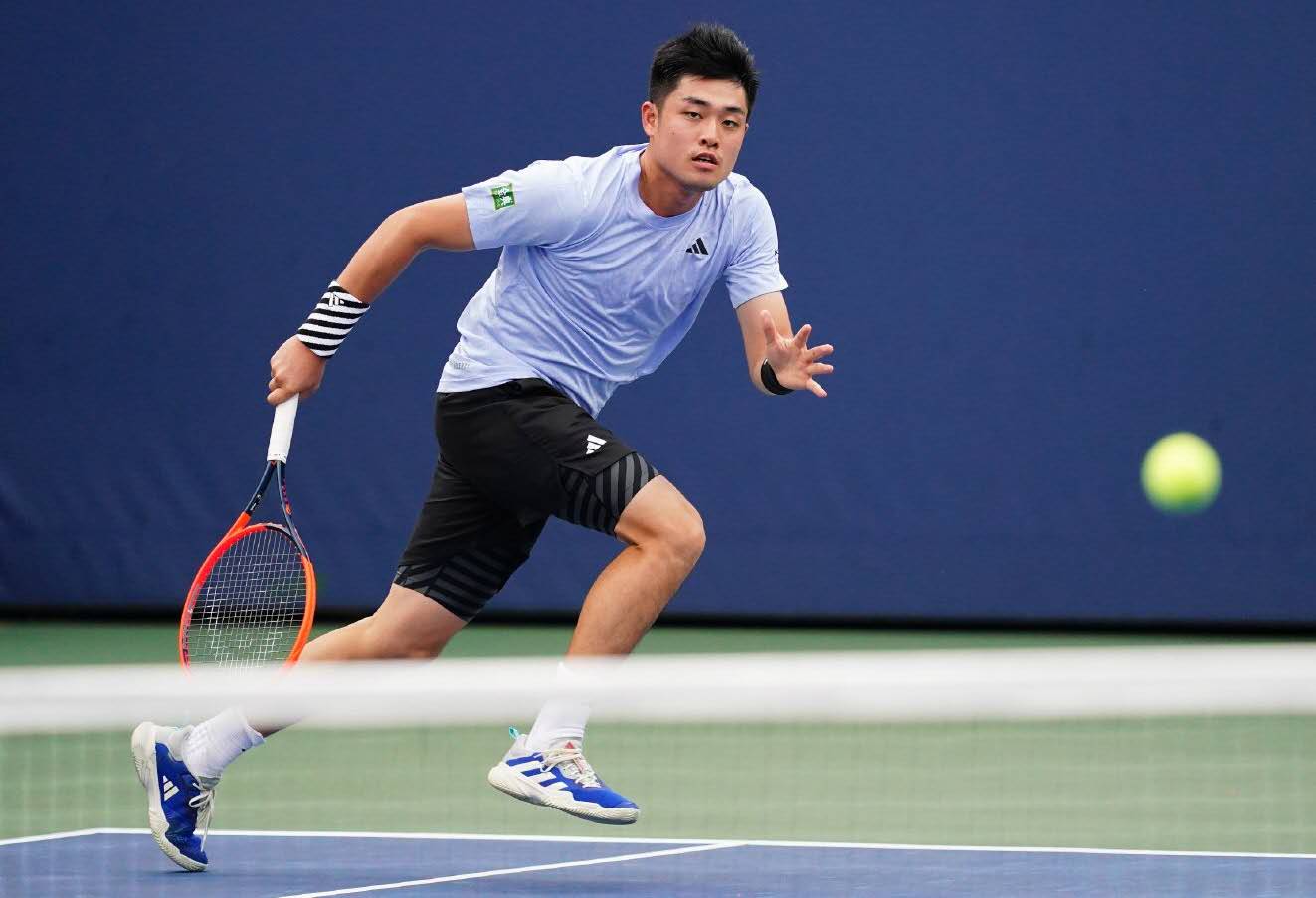
3. Strong Mental Fortitude in Crucial Moments
Wu Yibing's repeated success in tie-breaks is no coincidence. From staging a stunning comeback from 0-5 down in qualifying, to consecutive tie-break wins over Ruud in the main draw, and another tie-break victory in the second round, this demonstrates his exceptional mental strength. This mental toughness is the core competitive edge enabling him to snatch victories from higher-ranked seeded players.
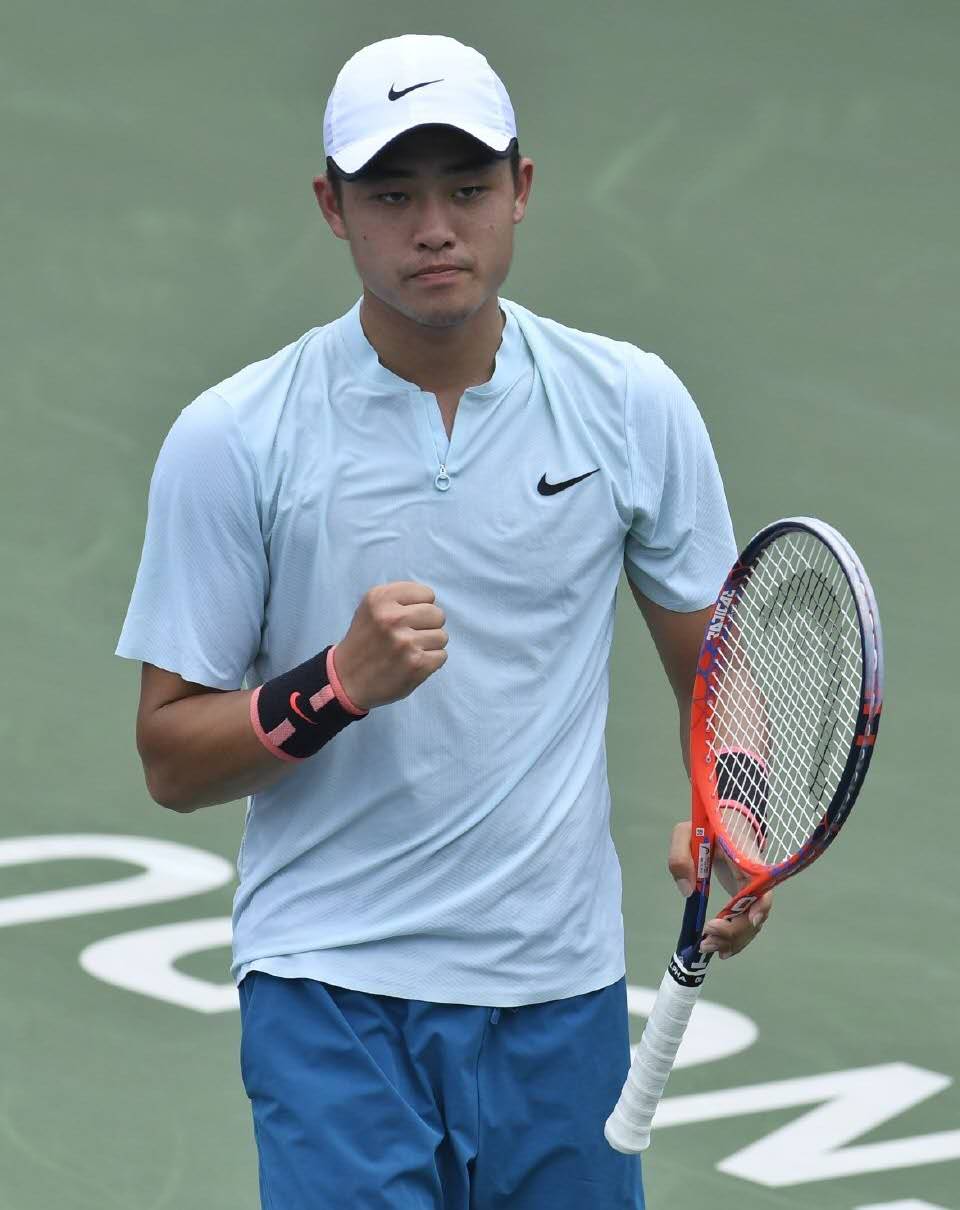
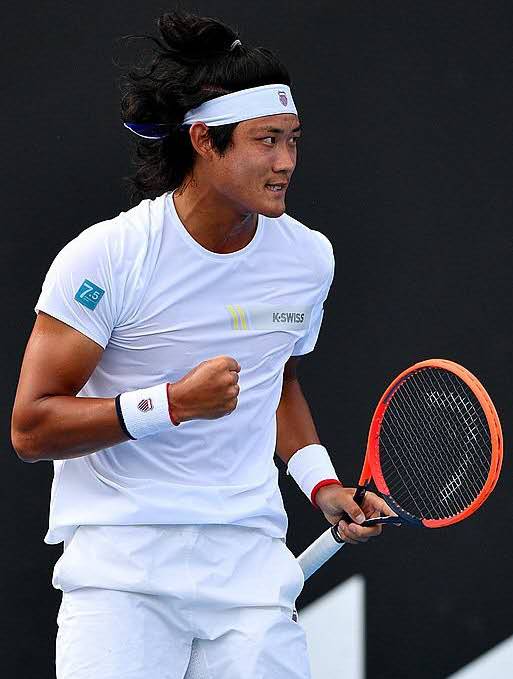
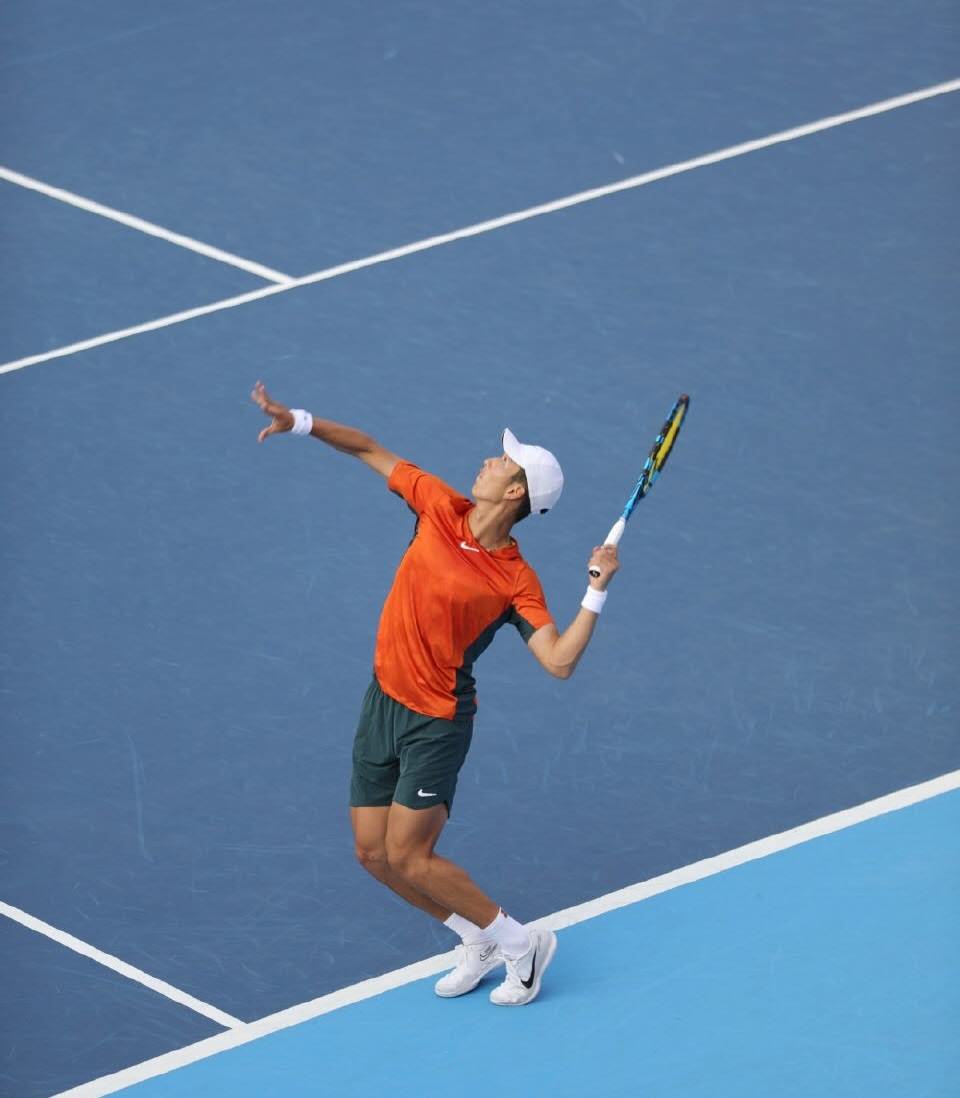
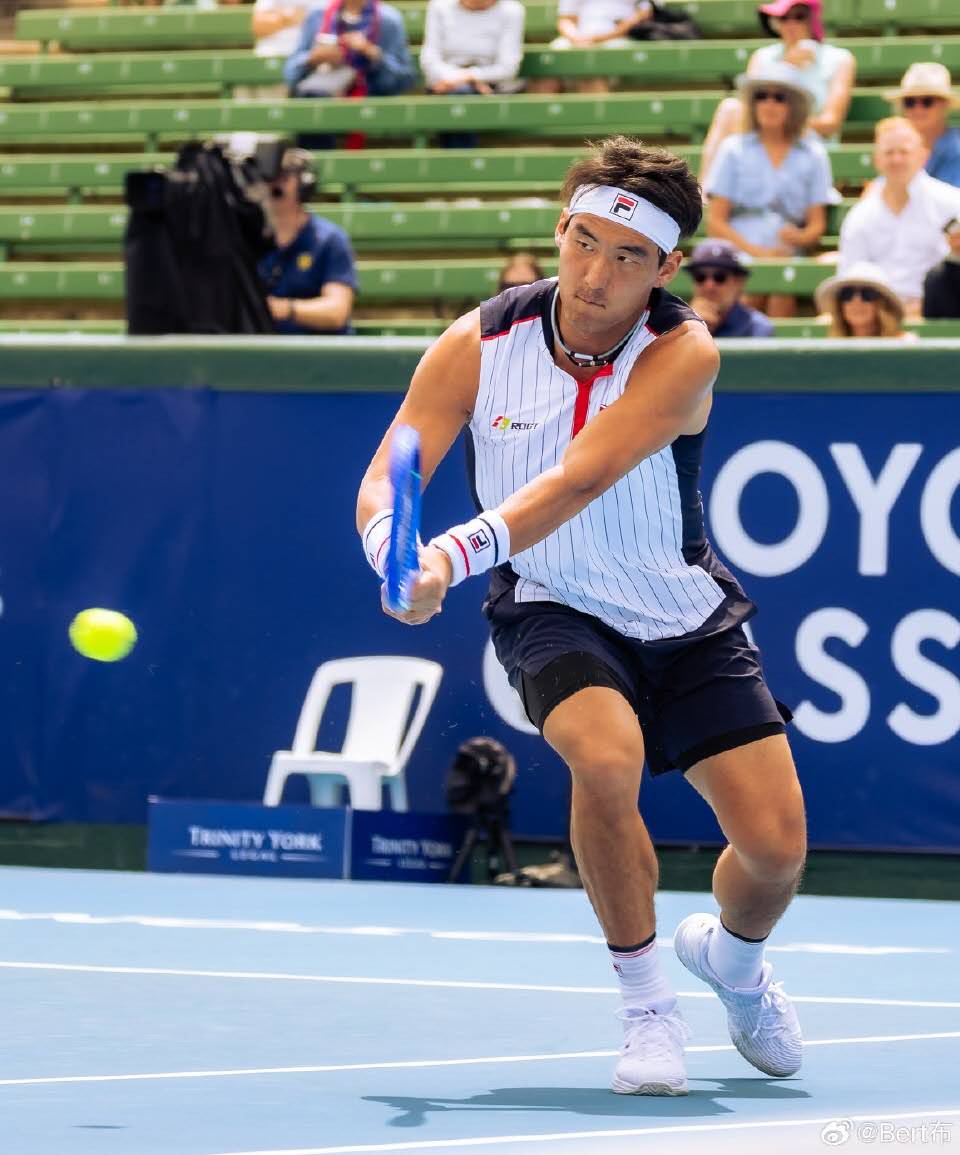
Currently, Chinese men's tennis features a "Four Musketeers" group consisting of Wu Yibing, Zhang Zhizhen, Shang Juncheng, and Bu Yunchaokete, but Wu's breakthrough path differs significantly from the others.
Zhang Zhizhen's style relies more on the advantages brought by his height for serving and heavy, consistent baseline shots; his game is relatively "European," emphasizing positioning and rally accumulation. In contrast, Wu Yibing's style is more "American," with a faster pace and greater emphasis on explosive power to hit through opponents in a single stroke.
Shang Juncheng's talent is undeniable, but his weaknesses have been more exposed over the past year—stamina. Shang's style leans towards using opponent's pace and baseline exchanges, but he still needs breakthroughs in physical confrontation and endurance reserves. After returning from a major injury, Wu Yibing, while still facing stamina tests, has shown a physical foundation in Acapulco's consecutive matches sufficient to support high-intensity battles.
Bu Yunchaokete is a "system-trained" grassland wolf with a robust playing style, having reached world No. 64 in the 2025 season. However, as media commentary notes, he faces a bottleneck common to many Chinese male players: the growing pains after breaking into higher competitive circles. Maintaining high concentration and optimal energy distribution in every match and set on the demanding tour is his current challenge.
Wu Yibing's uniqueness lies in this: he possesses the highest offensive ceiling among the four. He does not seek baseline domination like Zhang Zhizhen, nor does he rely on defense like the earlier Shang Juncheng. His logic is simple and forceful—to hit shots opponents cannot reach from the first opportunity. This style grants him "giant-killer" attributes with an extremely high ceiling.
Despite winning the matches, Wu Yibing's performances in these two encounters were not without potential concerns.
From qualifying to the main draw, Wu has secured four consecutive wins at this tournament. The second set against Watanuki was tightly contested and went to a tie-break, which actually served as a warning sign. Failing to close out the match in the second set and being forced into a third would have posed a significant stamina risk for Wu, who is playing consecutive matches after a recent injury comeback. The positive news is that he held his nerve to win the tie-break, advancing to the quarterfinals "with his stamina reserves seemingly intact."
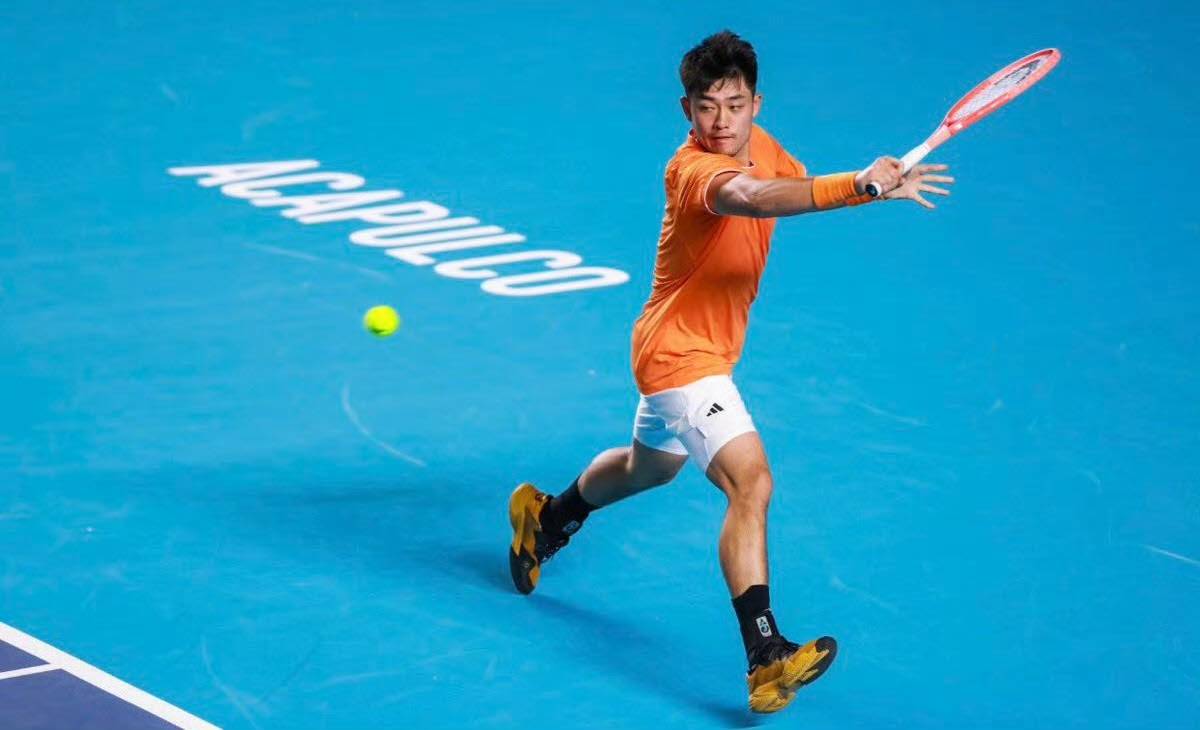
Wu Yibing's next opponent will be the tournament's 5th seed, Italian Matteo Arnaldi, marking their first career meeting.
Arnaldi, currently ranked world No. 20, is a standout among the new generation. He is also a baseline aggressor with a fierce style, adept at establishing advantages through early attacking. Statistics show his first-serve win rate at this tournament is a high 86%, indicating excellent form. Therefore, this will be a clash of aggressive styles. Wu needs to continue the "uncompromising" approach he used against Ruud, using a fast pace from the outset to pressure Arnaldi and deny the Italian any chance to settle into a rhythm.
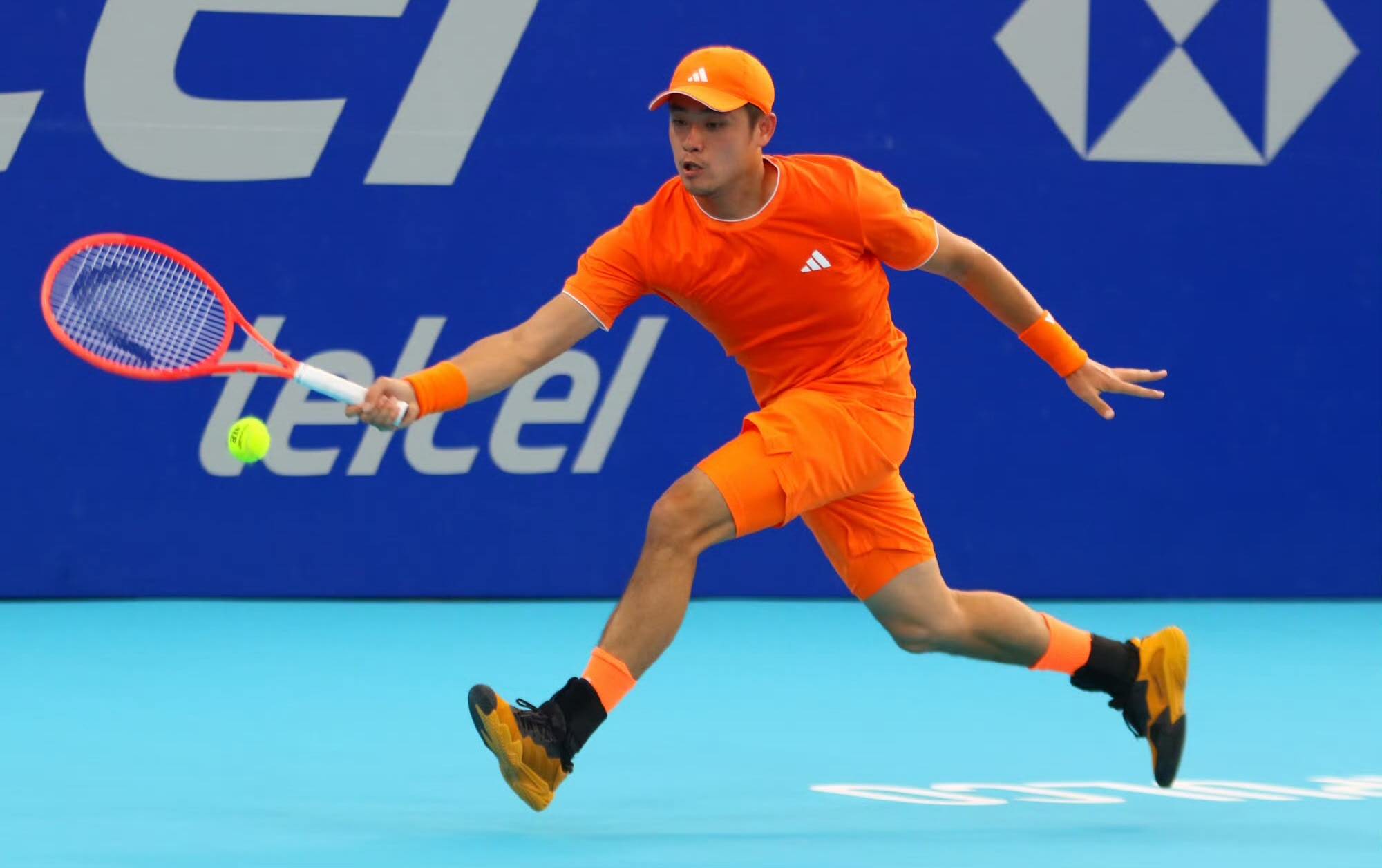
It is noteworthy that at this tournament, Wu Yibing has built formidable offensive firepower backed by a strong first-serve percentage (67%) and second-serve win rate (63%). Against Arnaldi, serving performance will directly dictate the match's flow. If Wu can maintain his serving level and utilize his forehand to seize opportunities in crucial moments, he stands a great chance of further rewriting his career records.
From Dallas to Acapulco, Wu Yibing consistently unleashes astonishing energy when least expected. He has proven that a healthy body combined with an attacking weapon allows him to challenge the world's top 20. For tomorrow's quarterfinal, we anticipate "A-Bing" to keep swinging, carving out new territory for Chinese men's tennis.(Source: Tennis Home Author: Lu Xiaotian)

 Links
Links
 Contact
Address:UNIT 1804 SOUTH BANK TOWER, 55 UPPER GROUND,LONDON ENGLAND SE1 9E
Number:+85259695367
E-mali:[email protected]
 App
App


