



Defeating Navarro Three Times Is No Accident: How Zhang Shuai Became the American Rising Star's "Absolute Nemesis"


Early this morning, 37-year-old Chinese veteran Zhang Shuai defeated defending champion and second seed Navarro 6-4, 6-4 at the WTA 500 Merida Open, securing her third straight win against the American.
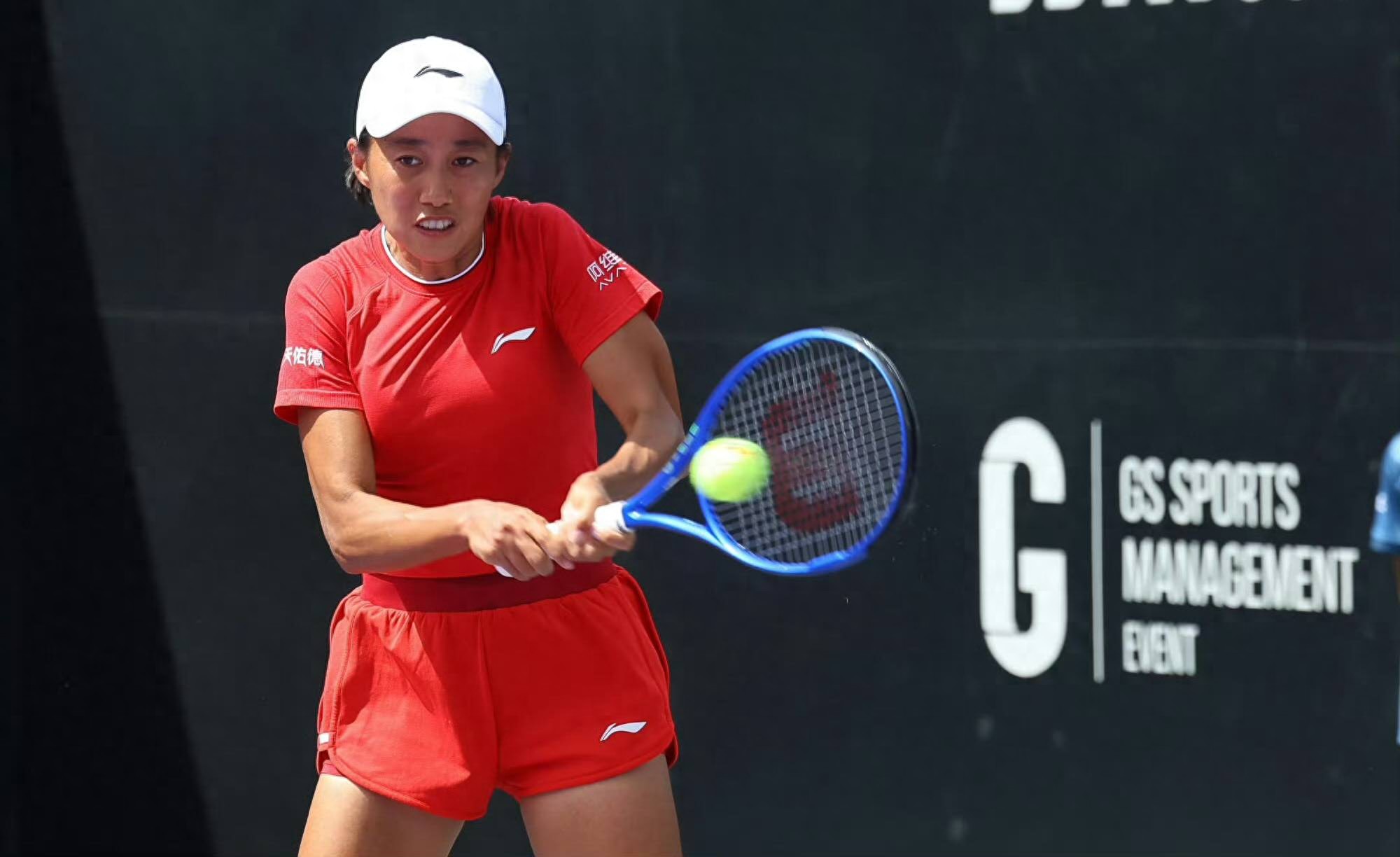
It is worth noting that from the 2024 China Open, to the 2025 Wuhan Open, and the 2026 Merida Open, Zhang Shuai has achieved a "triple kill" against this current Top 20 player. Even more remarkable is that these three victories span two different tournament tiers and three distinct match scenarios, yet follow a strikingly similar script. What exactly allows this 37-year-old veteran to become an insurmountable wall for this American rising star?
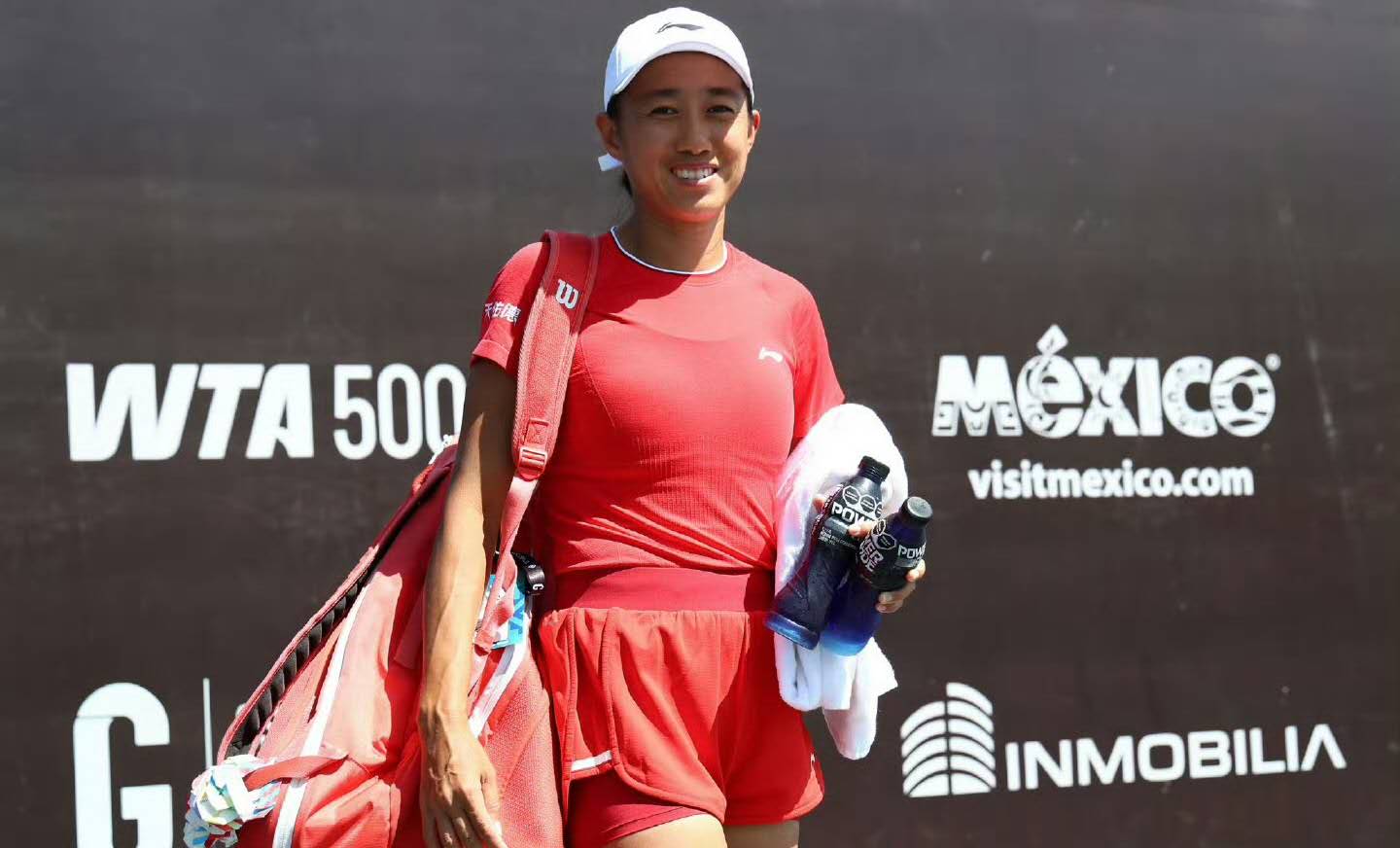
Before delving into a detailed technical analysis, let's first review the "astonishing similarities" across these three encounters:
2024 China Open Second Round (Beijing, Hard Court): Zhang Shuai, trailing 0-2 in the first set, rallied to win four consecutive games and ultimately triumphed 6-4, 6-2 in an upset over then world No. 8 Navarro, a result that dashed Navarro's hopes of qualifying for the WTA Finals.
2025 Wuhan Open Third Round (Wuhan, Hard Court): Facing a 0-3 deficit in the deciding set, Zhang won six straight games to deliver a "bagel," ultimately reversing the match 6-2, 2-6, 6-3, thwarting her opponent's attempt to gain points during the China swing to break into the Top 10.
2026 Merida Open Second Round (Mexico, Hard Court): Zhang Shuai trailed 1-4 in the first set and 1-3 in the second, yet finished with two 6-4 sets to end the opponent's title defense. This victory helped Zhang's live ranking return to No. 66, her best ranking in nearly two and a half years.
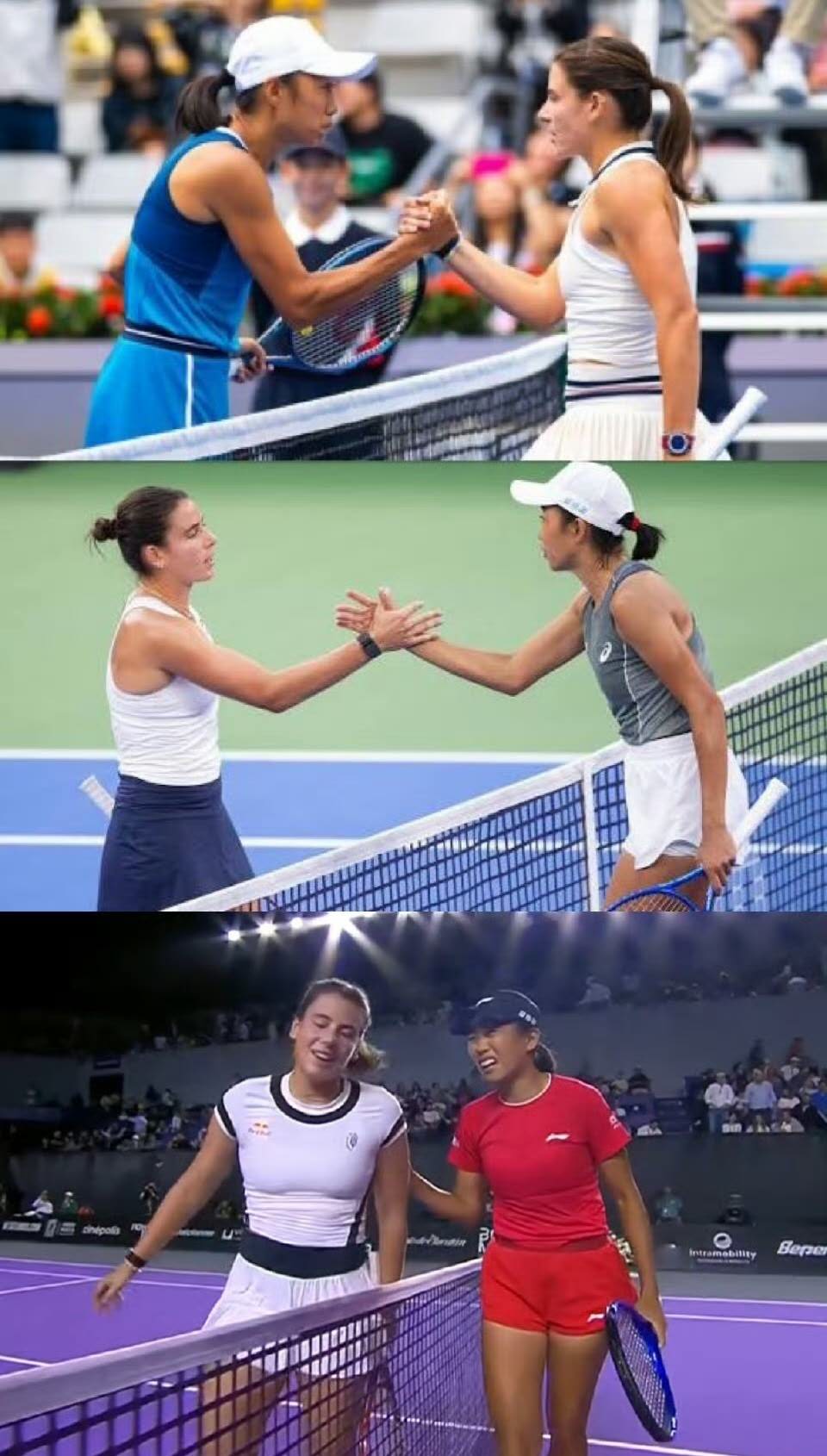
Three matches, three instances of falling behind, three comebacks. Each time, Navarro managed to start with a perfect opening, yet each time she gradually crumbled against Zhang Shuai's "sticky" defensive resilience.
So, why is Zhang Shuai specifically a tough matchup for Navarro?
1. Second Serve Win Percentage: A Fatal Statistical Gulf
Examining the match statistics reveals one glaring figure: second serve win percentage. In their 2024 China Open clash, Zhang's second serve win rate was a high 60%, while Navarro's was only 29%—a 31-percentage-point gap that directly dictated the match's flow. At the 2026 Merida Open, Zhang's second serve win rate remained elevated at 64%, compared to Navarro's 57%.
What does this mean? It means when Zhang's second serve lands in, she has nearly a two-thirds chance of winning the point; whereas once Navarro's second serve is attacked by Zhang, it almost equates to handing over an offensive opportunity.
"Navarro's feeling on court was a bit like mine during my first qualifying match—unable to time the ball right, sometimes early, sometimes late," Zhang said in her post-match interview, pinpointing the core issue.
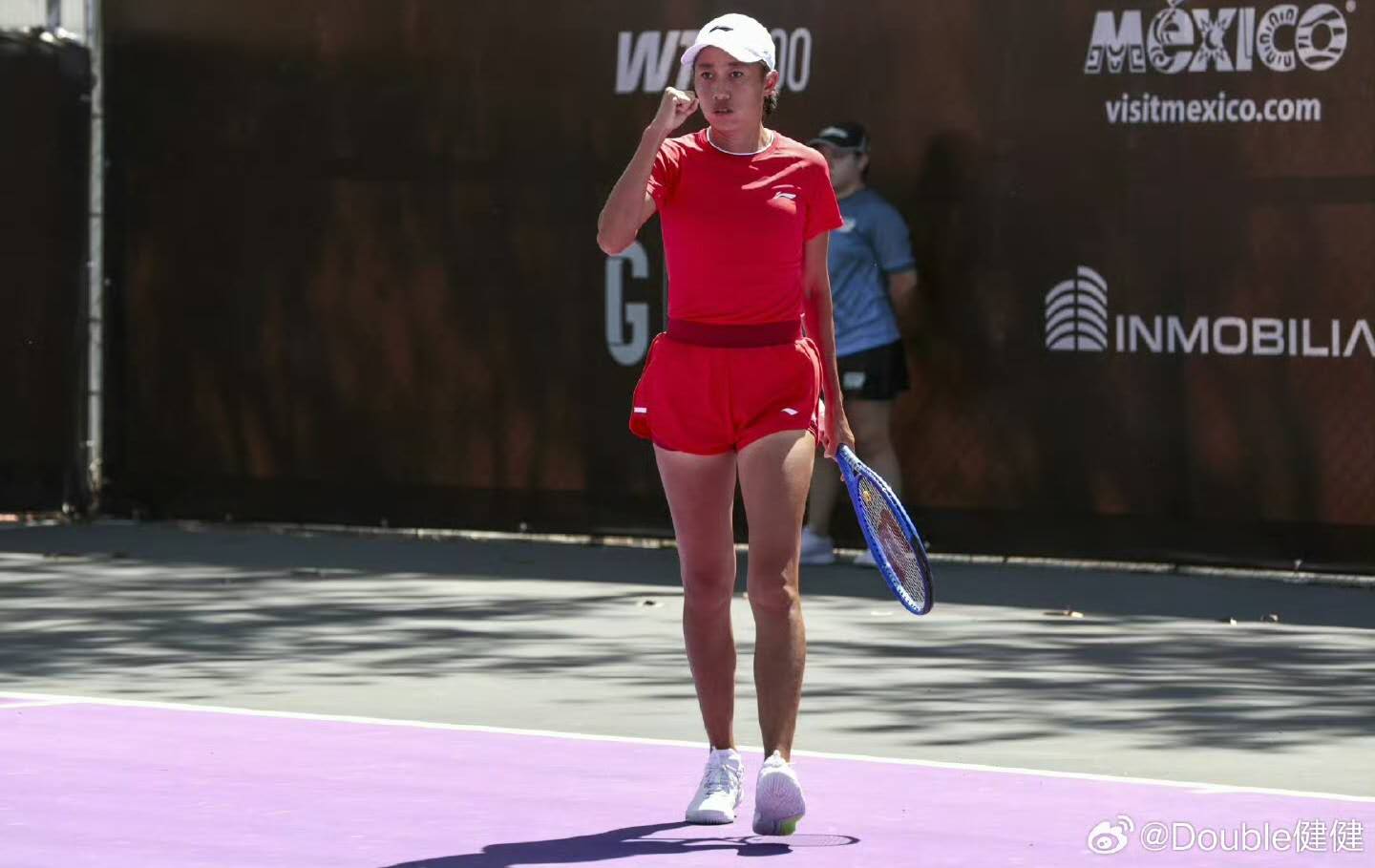
2. Aggressive Return of Serve: The Rhythm-Disrupting "Trump Card"
What are Navarro's technical traits? Consistency, balance, and proficiency in extended rallies. Her hitting rhythm is relatively fixed, preferring to build an advantage from the baseline and gradually pressure opponents. But Zhang precisely found the solution—disrupting her opponent's rhythm with aggressive returns.
Statistics from the 2024 China Open show Zhang's return performance was nearly flawless, especially against Navarro's second serve, where she employed an aggressive attacking strategy. A 71.4% win rate on second-serve returns left her opponent disoriented.
This approach directly severed the offensive chain Navarro excels at. When Navarro couldn't hold serve easily, her mental defenses began to waver. In the Merida match, after leading 4-1 in the first set, Navarro lost five straight games; after leading 3-1 in the second set, she again lost five consecutive games. This "sudden blackout" style of collapse is precisely the psychological manifestation of being technically outmatched.
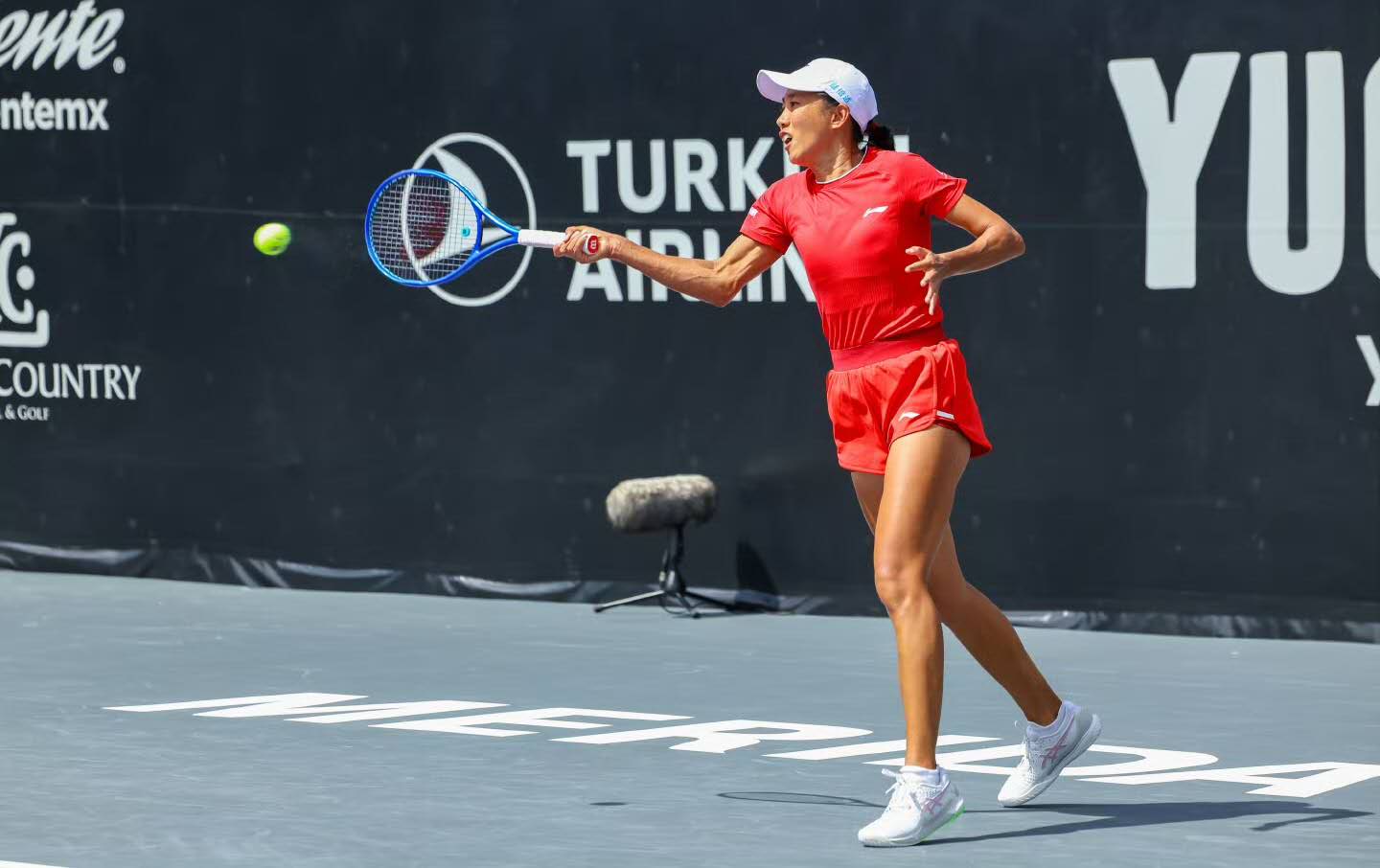
3. First Serve Consistency: The Veteran's Experience Advantage
Zhang Shuai has never been known for her serve, yet her stats consistently "outperform" her opponent's at crucial moments. Merida match statistics show Zhang's first serve win rate reached 71%, while Navarro's was only 50%. With both players having equal first serve in percentages (both at 50%), the 21-percentage-point gap in win rate can only be explained by "tactical specificity."
Zhang downplayed it post-match: "I don't know the reason either; I've pondered it myself. Perhaps I just like her playing style, and she isn't comfortable with mine." In reality, behind this "style mismatch" lies the match-reading ability accumulated over two decades of professional career by the 37-year-old veteran.
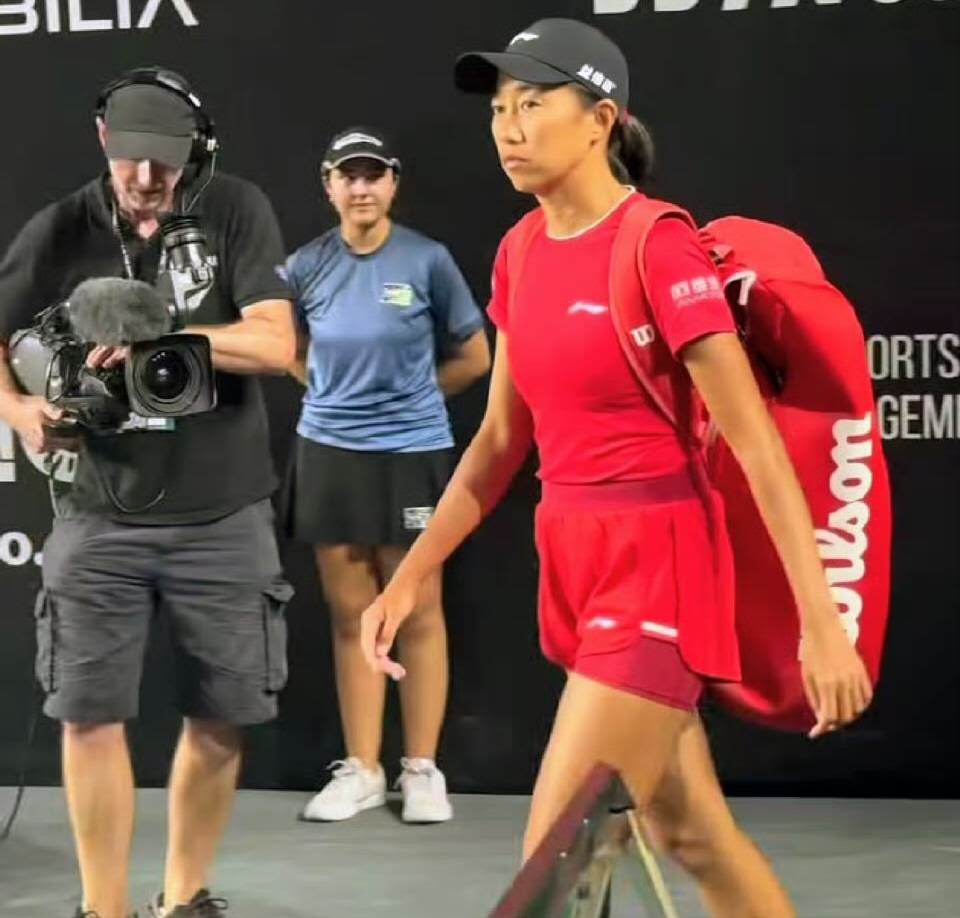
4. Mental Fortitude: The "Unshakable" Composure Gained with Age
Reviewing the statistics from these three matches reveals a common thread: Navarro's collapses often begin with "fear of winning" when leading, while Zhang's comebacks stem from "remaining consistent" when trailing.
When trailing 0-3 in the deciding set at the 2025 Wuhan Open, Zhang didn't panic. Instead, she relied on steady baseline rallies, waiting for her opponent's level to drop, ultimately winning six straight games to deliver a bagel. When trailing 1-4 in the first set at the 2026 Merida Open, with only her elderly parents in the player's box and no coach, Zhang swiftly adjusted and found her rhythm.
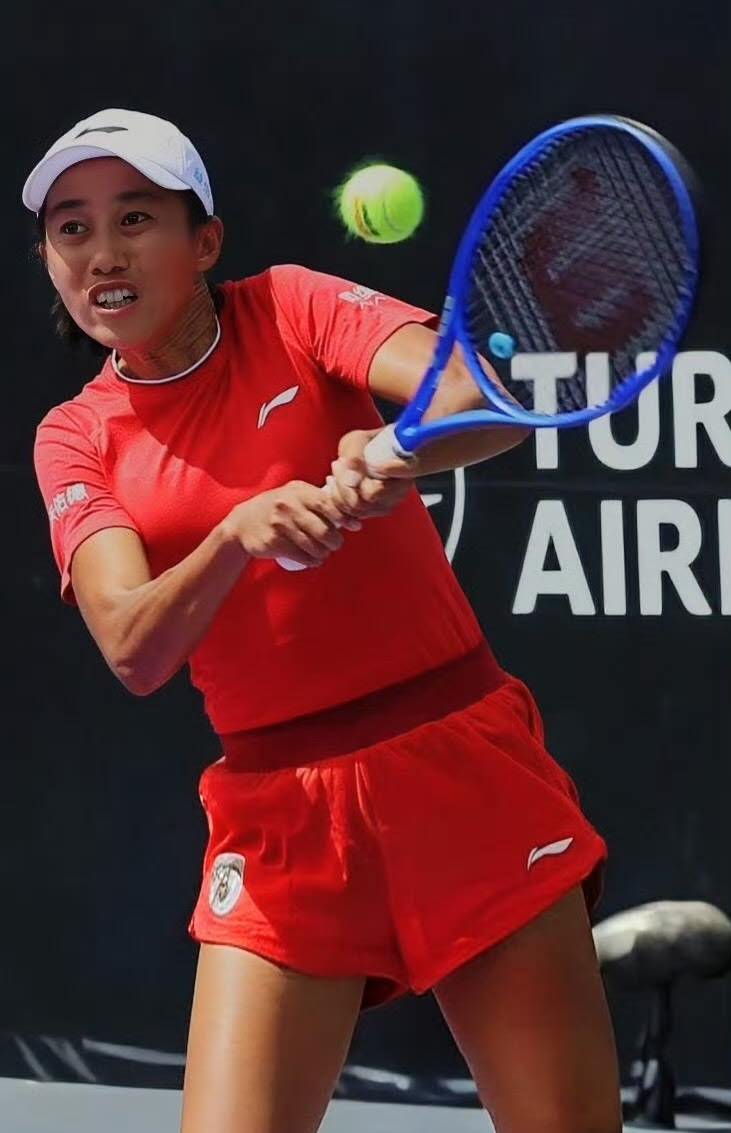
"Life is about experiences. Winning isn't the only definition of success, nor is losing synonymous with failure," Zhang said during this year's Australian Open, perhaps the best illustration of her mental strength. For someone who has endured the darkest moment of a 24-match losing streak and also experienced the highlight of winning an Australian Open women's doubles title, being a few points down on court truly means little.
It's worth noting that Zhang's head-to-head record against Navarro hasn't always been "one-sided." As early as 2016 and 2019, Zhang lost three times to the Spanish veteran then known as "Carla Suárez Navarro." That Navarro was a classic clay-court specialist, her playing style bearing some resemblance to the current Emma Navarro.
History seems to have come full circle. Today's Emma Navarro has inherited her predecessor's technical traits, while Zhang Shuai, tempered by time, has found the key to decoding this style of play. From 0-3 to 3-0, this isn't just a reversal in their head-to-head record; it's the sedimentation of a veteran's wisdom. The victory in Merida brought Zhang 133 ranking points and $33,475 in prize money, elevating her live ranking to No. 66. More importantly, with yet another comeback, she proved that within her 37-year-old body still resides a soul that never concedes defeat.
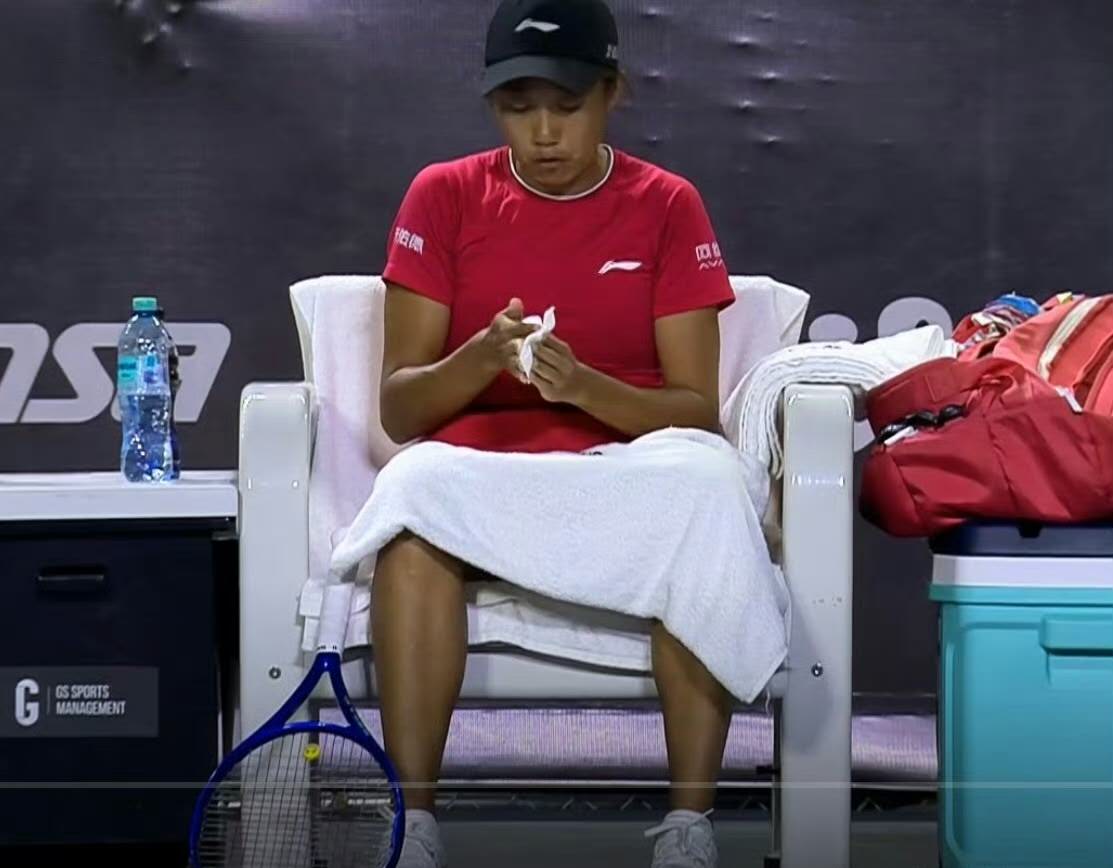
Next, Zhang Shuai will face qualifier Jimenez. Regardless of the outcome, this Chinese veteran, who started from the qualifying rounds and found herself here partly due to a coach's error, has already written a chapter of her own legend on Mexican soil.
When asked "why you always beat Navarro," Zhang's answer was simple yet profound: "I just focus on my own game, which allows me to play better and better even when I'm behind in the score."
Perhaps this is the ultimate answer to being a "nemesis"—not absolute technical dominance, but a life attitude focused on the present moment, unafraid of failure.(Source: Tennis Home Author: Lu Xiaotian)

 Links
Links
 Contact
Address:UNIT 1804 SOUTH BANK TOWER, 55 UPPER GROUND,LONDON ENGLAND SE1 9E
Number:+85259695367
E-mali:[email protected]
 App
App


