



Kafelnikov speaks out in support of the Dubai tournament director amid the wave of withdrawals at the WTA1000 Dubai event.


If the professional tennis circuit is compared to a splendid marathon, then every tournament should shine as the brightest jewel on the sidelines for its organizers. Yet, the 2026 WTA1000 Dubai event encountered an awkward moment of "tarnished glory" on this very track.
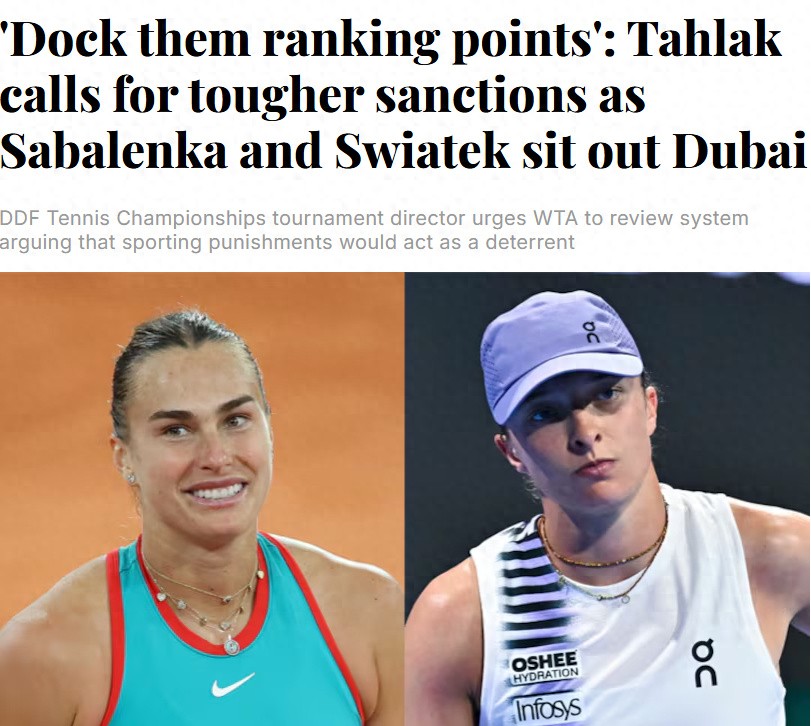
When world No. 1 Sabalenka, No. 2 Swiatek, top seed Rybakina, and over 20 other players withdrew for various reasons, it not only set a rare record for withdrawals but also plunged Dubai's tournament director, Salah Tahlak, into the most desperate moment of his career. In response, former ATP world No. 1 and Russian tennis legend Kafelnikov voiced strong support for the Dubai tournament director during an interview, highlighting the immense dilemma between commercial interests and reality faced by event organizers.
In a recent interview, Kafelnikov offered robust backing to Dubai tournament director Tahlak, who is caught in a whirlwind of public criticism. Instead of siding with players on the issue of a packed schedule, he directly addressed the core challenge of professional tournament operations—commercial interests.
“In a place like Dubai, where they host high-prize-money tournaments, seeing such withdrawals is practically suicidal for a tournament director,” Kafelnikov stated bluntly. He painted a stark picture: organizers invest heavily in promotion three to four months in advance, displaying advertisements featuring stars like Sabalenka and Swiatek to attract sponsors and entice fans to buy tickets. Yet, when the tournament begins, these marquee players are collectively absent, leaving behind empty billboards and a severe blow to the event's credibility.
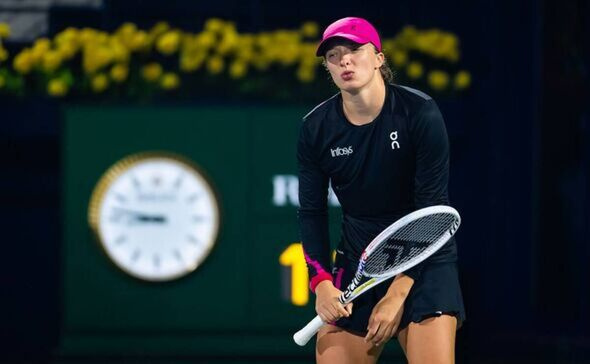
“They display players' photos on billboards for three to four months, hoping to draw other sponsors. Everyone wants to see the top players. So, when such a massive wave of withdrawals happens, how else can one react? Anyone would be upset. As a human being, I understand,” Kafelnikov added.
These remarks are not alarmist. Previously, Dubai tournament director Tahlak had lost his composure when Sabalenka and Swiatek withdrew, publicly questioning the reasons as “a bit strange” and angrily stating that fines are merely a slap on the wrist for millionaire stars. He called on the WTA to impose severe penalties, such as ranking point deductions, for unjustified withdrawals.
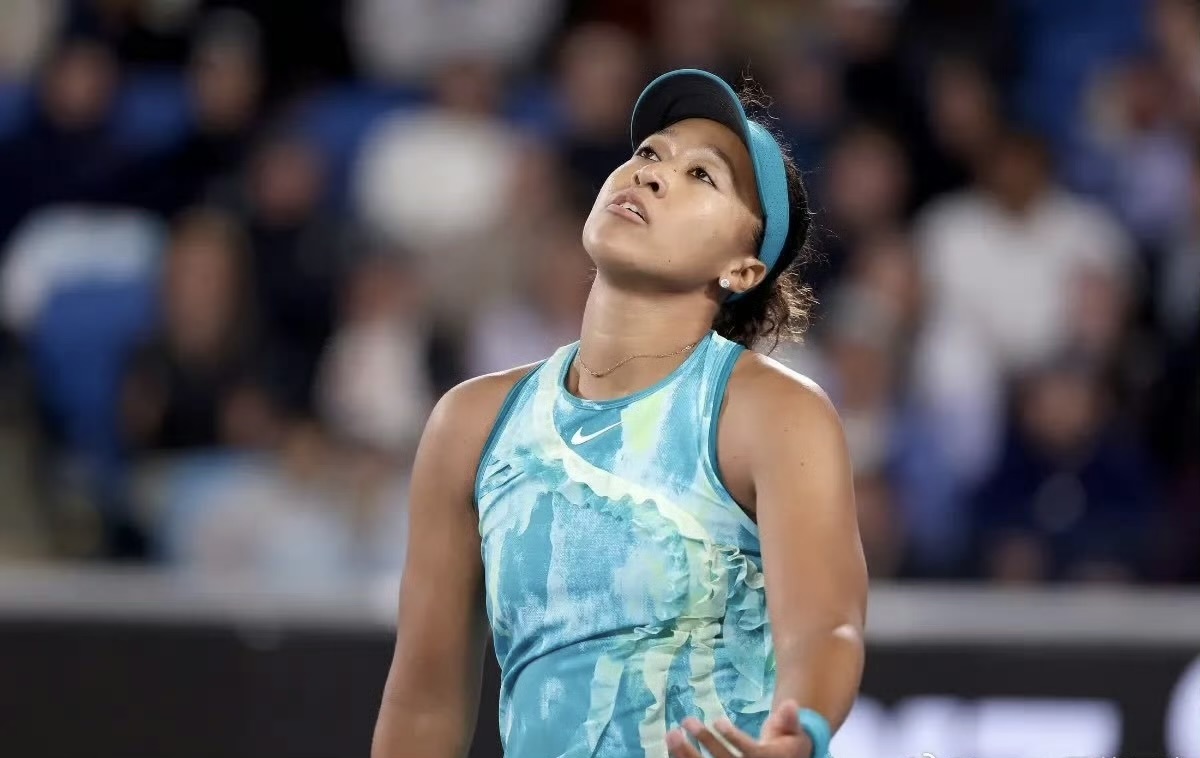
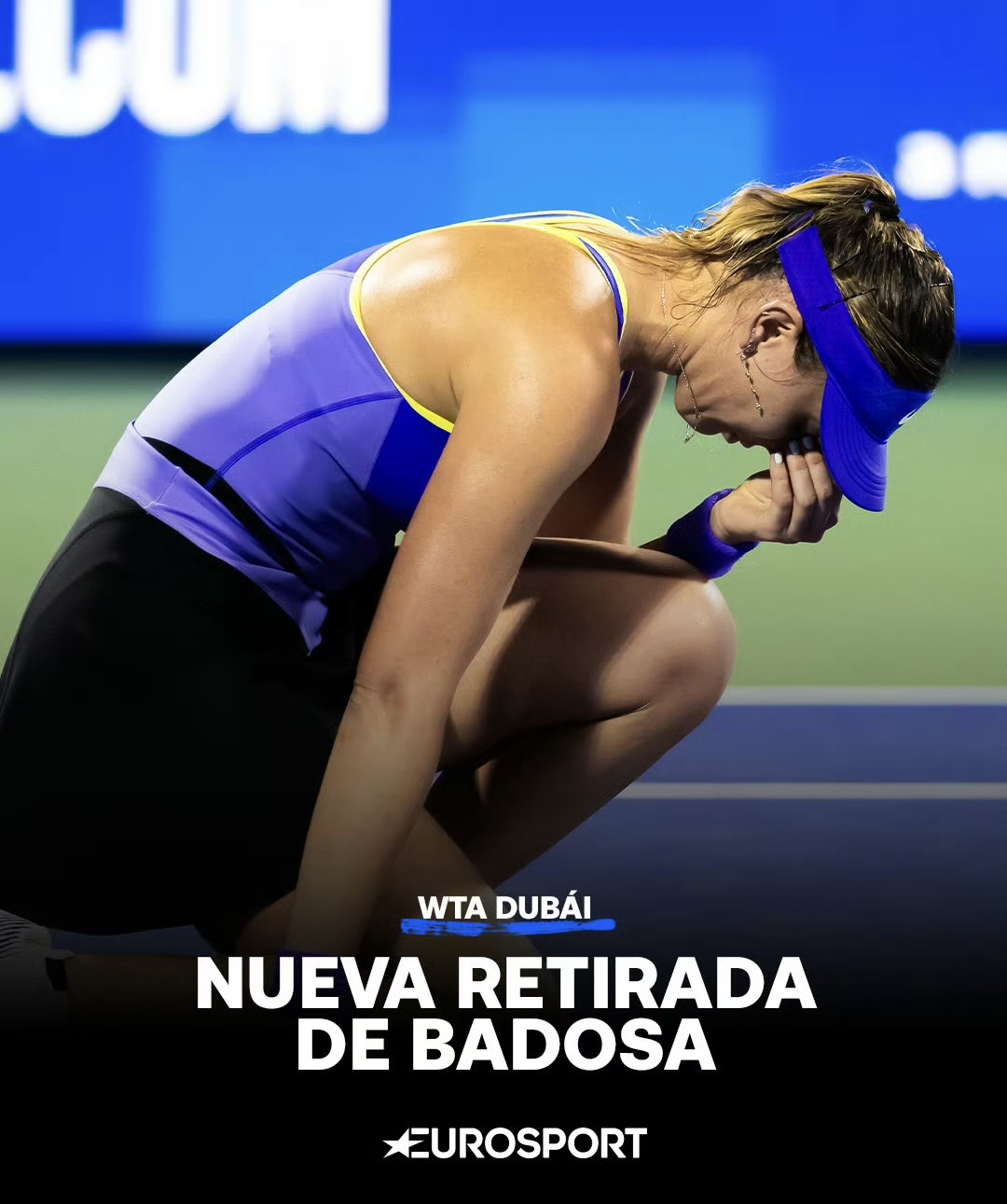
Looking back at this Dubai tournament, describing it as fragmented is an understatement. Before the event began, world No. 1 Sabalenka withdrew due to a right hip injury and No. 2 Swiatek pulled out to adjust her schedule. Subsequently, the withdrawal list fell like dominoes: reigning Australian Open champion Rybakina retired during a match due to stomach pain, Doha champion Muchová and finalist Mboko withdrew due to fatigue and injuries, along with a string of other big names including Zheng Qinwen, Osaka Naomi, Keys, and Badosa.
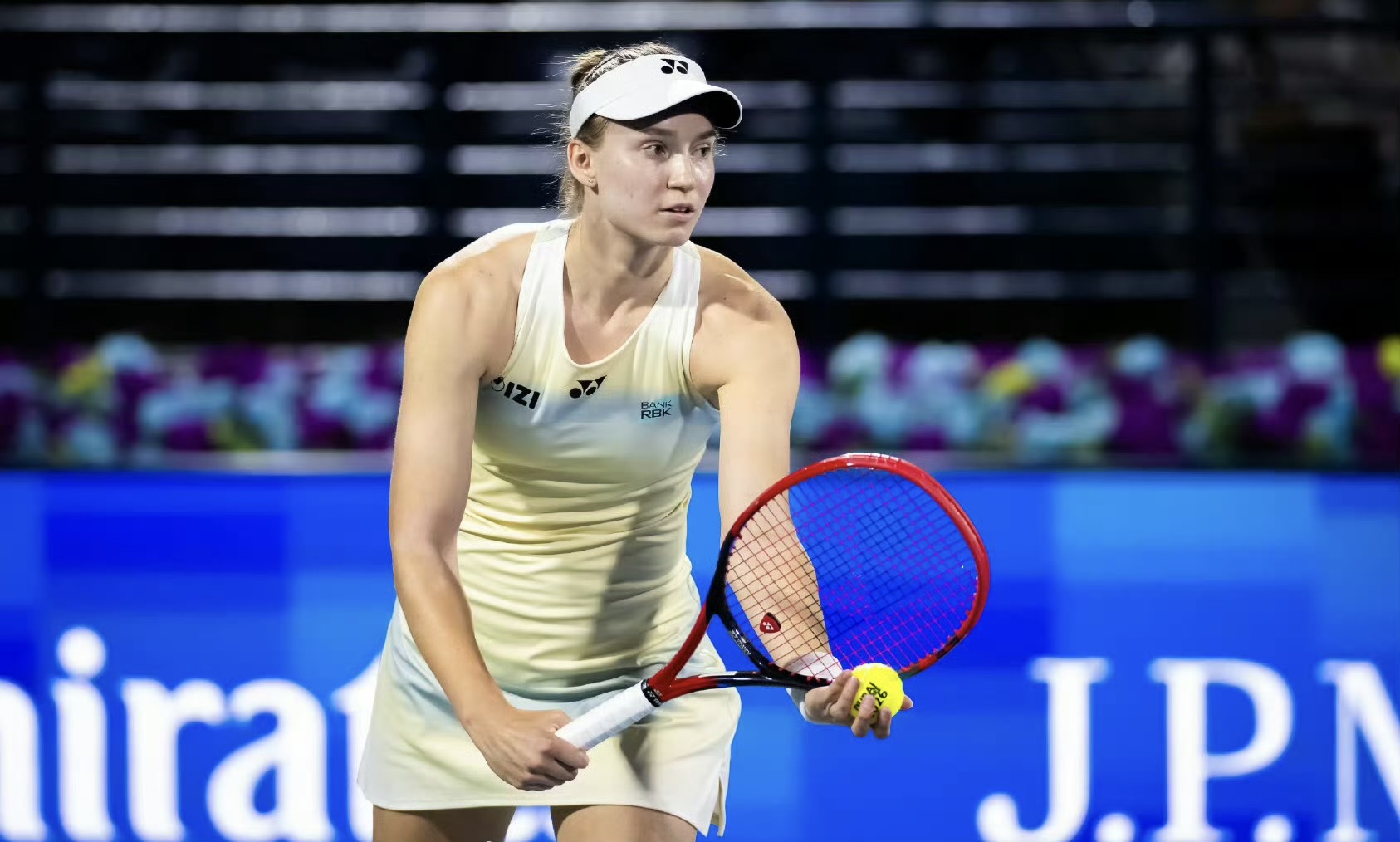
According to incomplete statistics, over 25 players withdrew in total—a number sufficient to form an entire WTA500-level event. This even affected the integrity of the main draw, leading to several lucky losers entering the tournament. This large-scale exodus not only severely compromised the competitive standard but also posed a serious challenge to Dubai’s prestige as a premier 1000-level tournament.
As Kafelnikov pointed out, if players can abandon tournaments so easily, then all the efforts of a tournament director—from upgrading facilities to securing government support—can be rendered meaningless the moment the stars walk away.
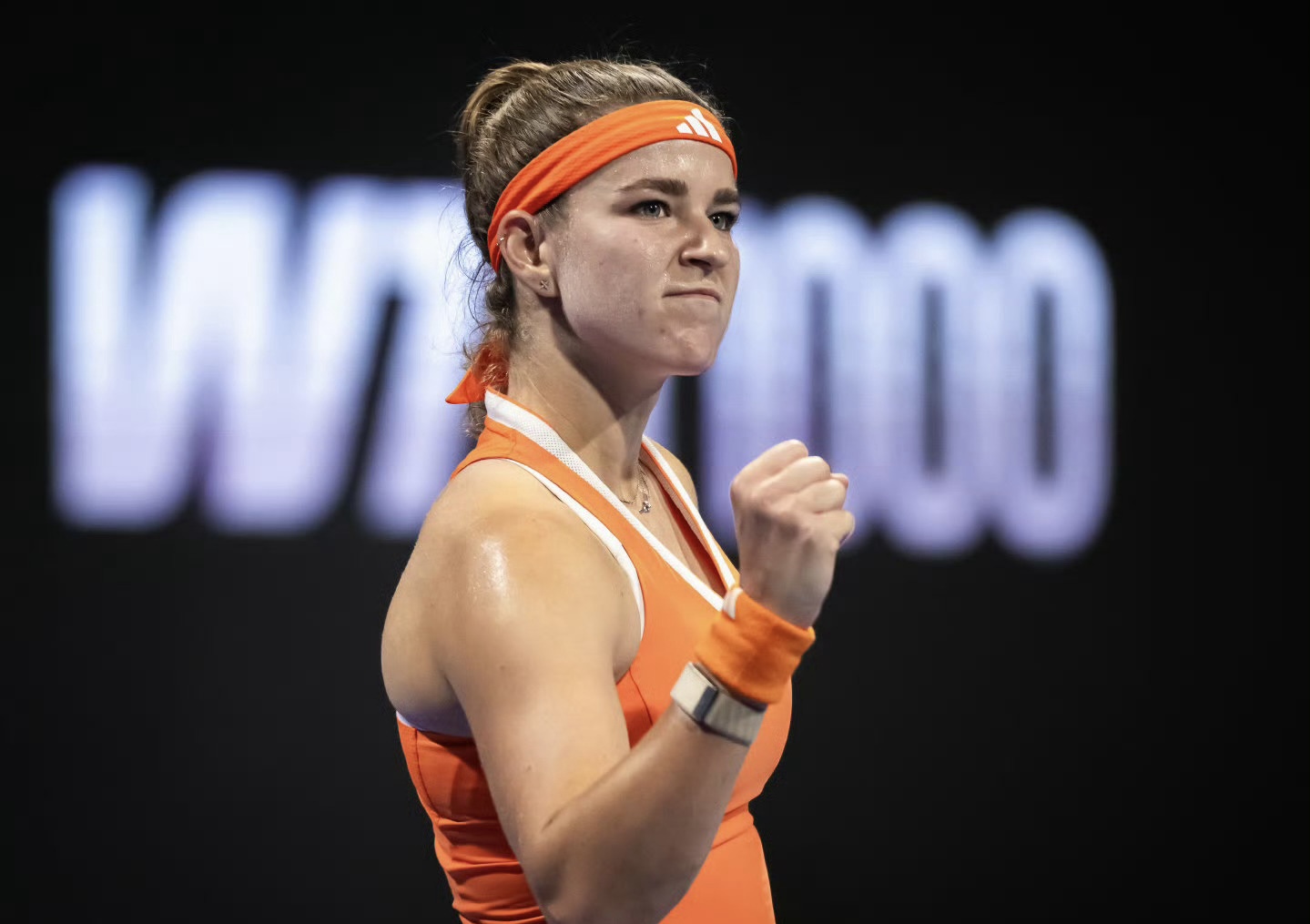
However, from the players' perspective, this wave of withdrawals also reflects another aspect of professional sports' harsh reality. The intensity of the WTA schedule has long been criticized by numerous stars. Swiatek has denounced the schedule as insane, and Sabalenka has made protecting her bodyand pursuing a long-term career her top priority for 2026.
The Dubai tournament follows immediately after Doha, leaving players almost no time for adjustment and recovery. For those who gave their all in Doha, traveling to Dubai while fatigued is akin to a gamble. Gauff also admitted, “With the current schedule, it’s very difficult to play all tournaments; the demands on players are increasing.”
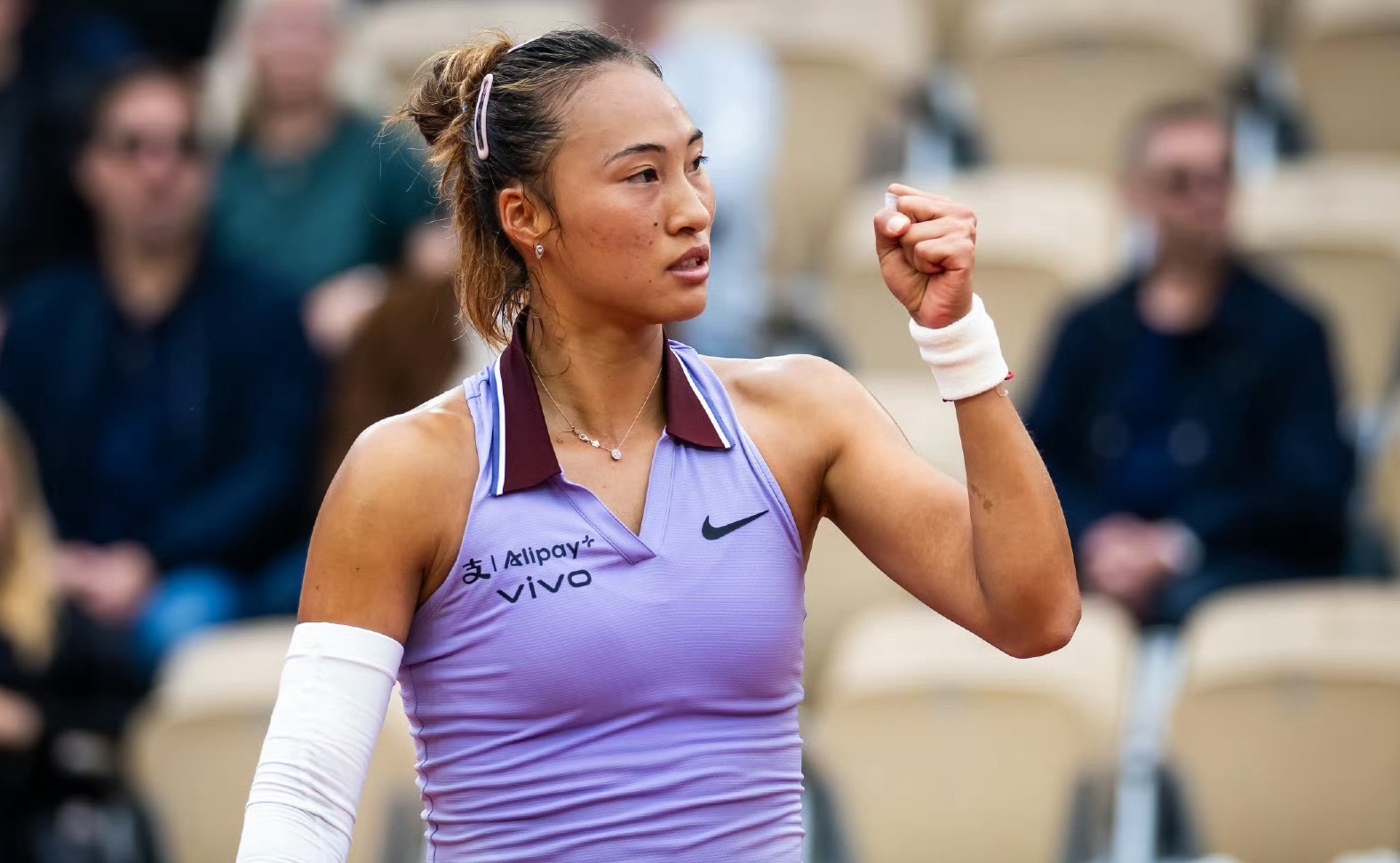
The conflict between mandatory participation and physical limits reached its peak. On one side, tournament directors cite rules, believing players who receive substantial prize money should fulfill their obligations. On the other, players facing a long season must make strategic choices. When these choices become a trend, they create a massive impact on tournament organizers.
In the end, although the semifinal lineup was still held by four top-ten players (Gauff, Pegula, Anisimova, Svitolina), barely preserving the minimum standard of a 1000-level event, the aftermath of this turmoil is far from over.
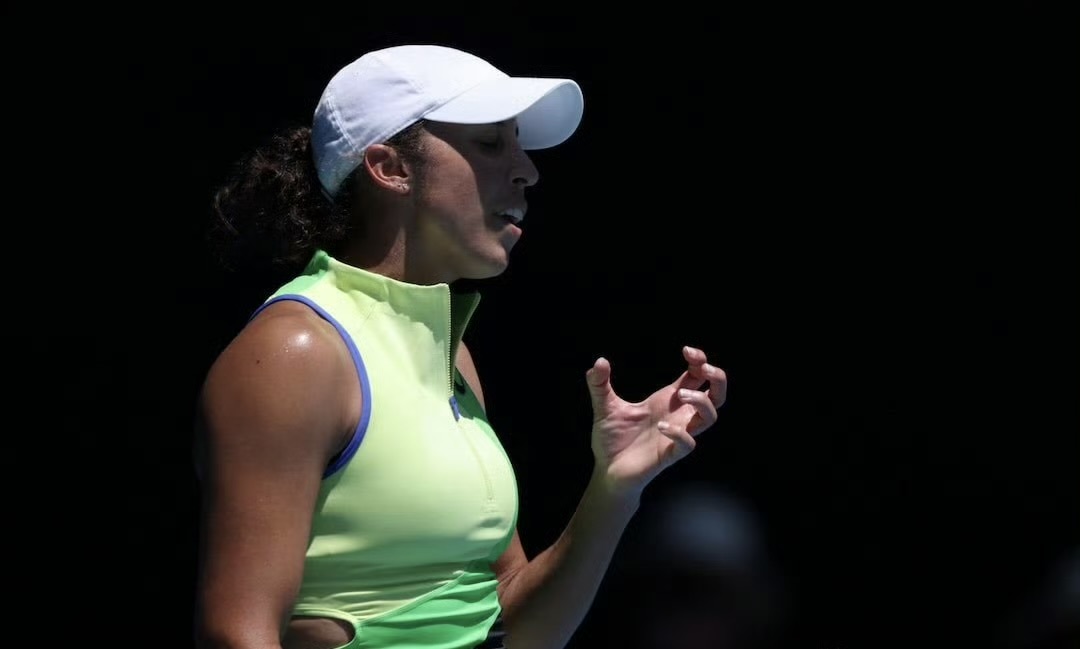
Kafelnikov’s analysis accurately depicts the tournament director’s struggle between commercial and competitive interests. When a stage built with huge investment lacks its main actors, it not only makes director Tahlak feel suicidal but also shakes the entire WTA tournament system's health.
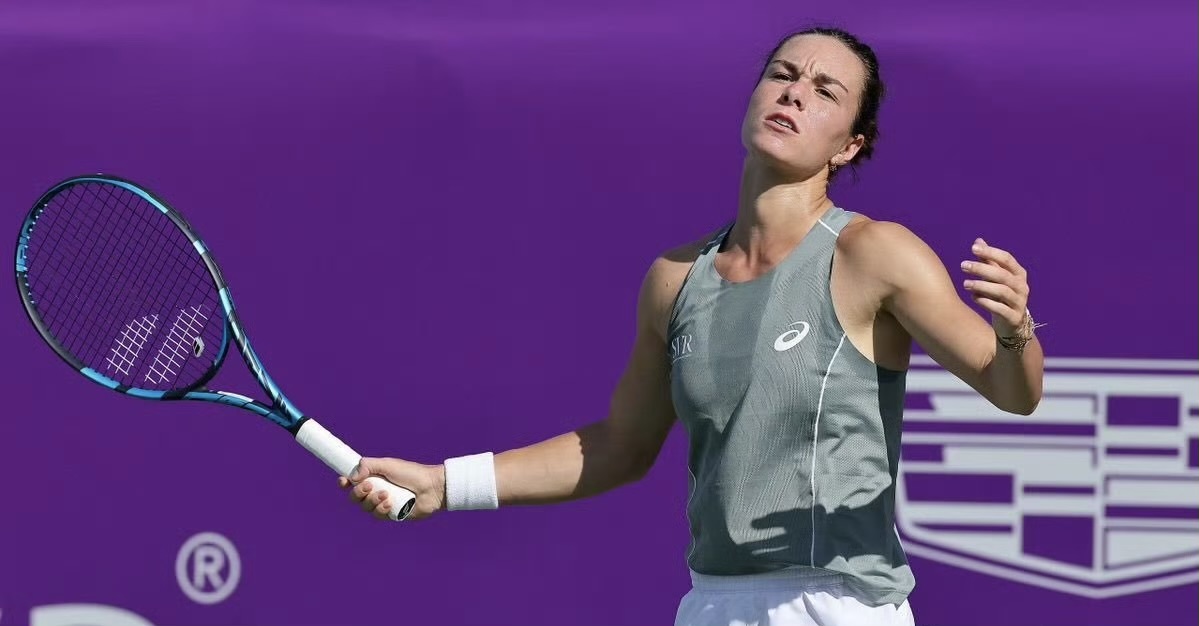
As Tahlak urged, the upcoming meeting in Rome may lead to a review of existing rules. If top players can easily abandon premier tournaments, the prestige of 1000-level events will gradually fade. Conversely, ignoring players' physical limits and enforcing mandatory participation will only lead to more injuries and uglier waves of withdrawals.
The Dubai fiasco ultimately reveals a cold reality: beneath the commercial machinery of professional sports, both the tournament director’s fury and the players’ exhaustion remind us that the sport requires deeper structural reform. Otherwise, more tournament directors may feel “suicidal.”(Source: Tennis Home Author: Mei)

 Links
Links
 Contact
Address:UNIT 1804 SOUTH BANK TOWER, 55 UPPER GROUND,LONDON ENGLAND SE1 9E
Number:+85259695367
E-mali:[email protected]
 App
App


