



Dubai Terror: Bublyk's Flight Just Passed Iran When Missile News Broke, Medvedev Forced to Stay



When sports headlines should have been about the games themselves, the Dubai tournament on February 28, 2026, played out a completely different script. Just minutes before Iran launched missiles at the UAE and U.S.-Iran tensions escalated sharply, Kazakh tennis player Alexander Bublik's flight had narrowly passed through Iranian airspace. Those players who hadn't left in time—including Daniil Medvedev, who had just won the championship trophy by walkover—were stranded in Dubai as all flight routes were shut down.
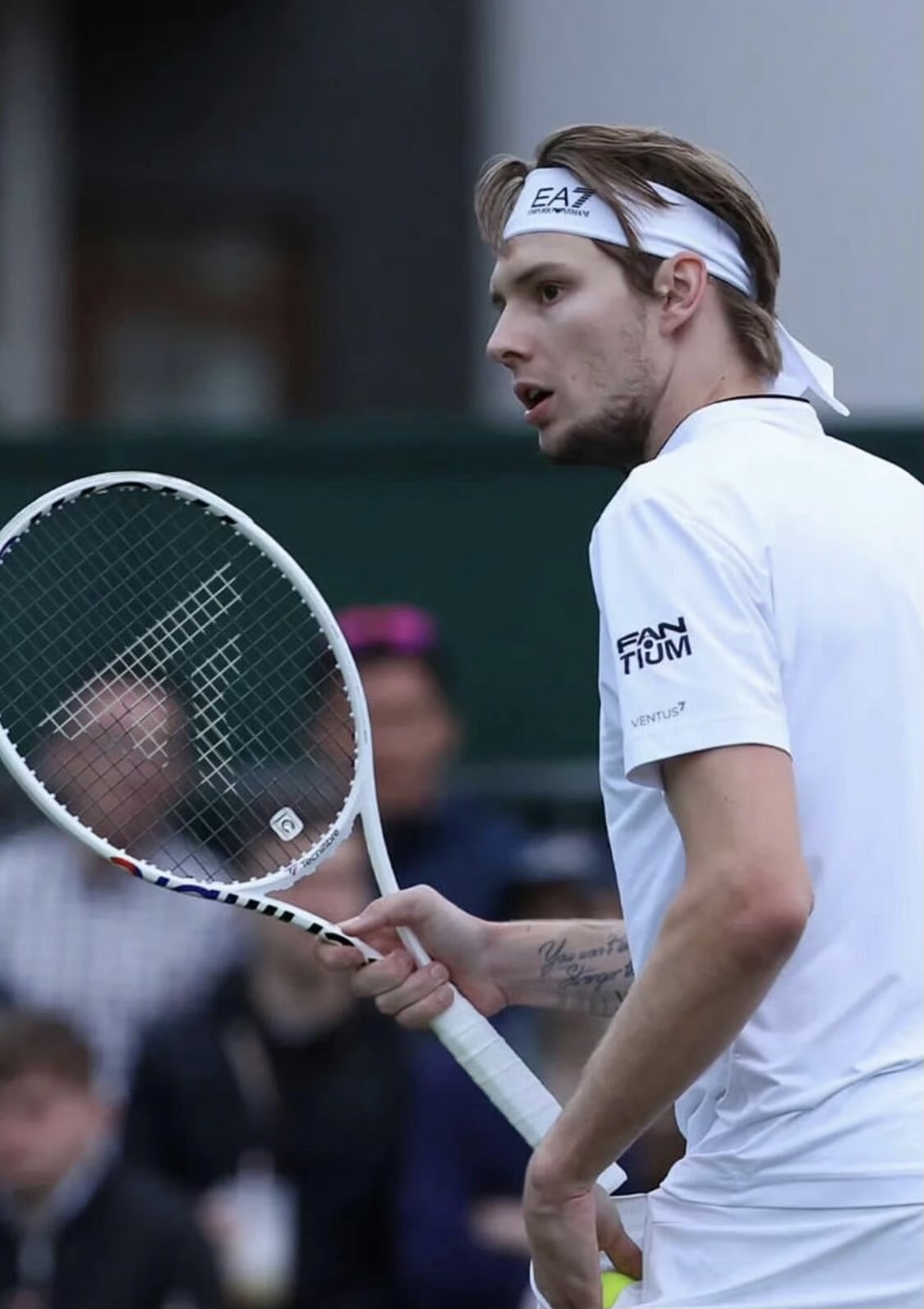
For world No. 10 Alexander Bublik, February 28, 2026, was supposed to be just a routine travel day. After exiting the Dubai singles in the second round and playing two doubles matches, he planned to fly to Los Angeles, USA, before heading to the Indian Wells Masters. He chose a relatively standard route: over Iran, Central Asia, Russia, and finally across the Arctic.
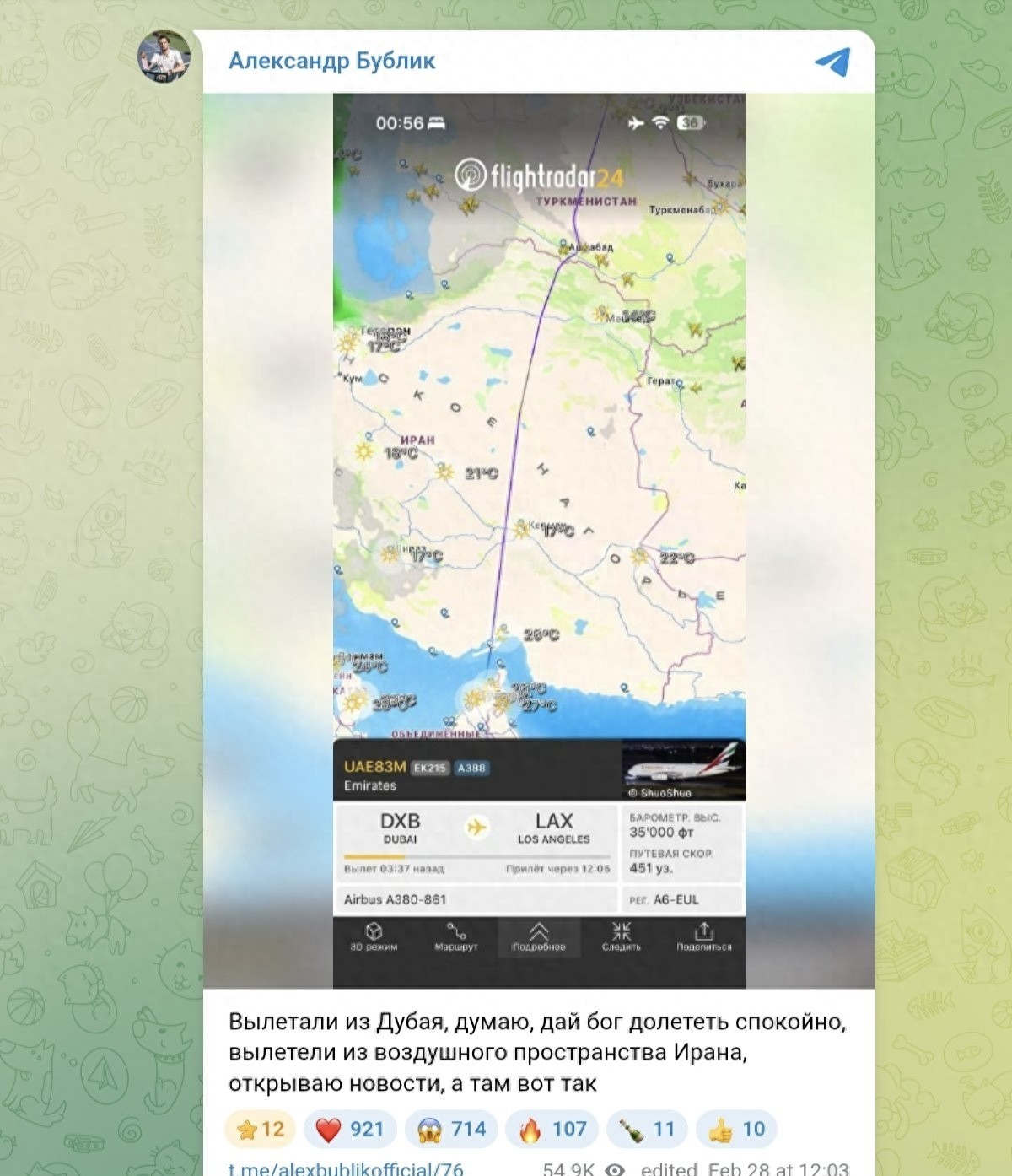
However, this route brought him into a close brush with war."When we left Dubai, we thought: 'God willing, this flight will be safe,'" Bublik recalled on his Telegram channel. "We had just left Iranian airspace when I checked the news and saw what was happening."
He wasn't exaggerating. Shortly after his flight departed Iranian airspace, the U.S. and Israel launched strikes on targets inside Iran, and Iran swiftly retaliated by firing missiles at several Gulf states, including the UAE. Later-released flight tracking images showed Bublik's flight left the danger zone almost "right on the dot"—had it been half an hour later, he likely would have been forced to turn back or even faced more terrifying moments mid-air.

Bublik later added that when he turned on the news during the flight, he saw breaking reports of missile attacks, explosions, and countries urgently closing their airspace. The feeling was like having just walked through a door that slammed shut behind him.
In stark contrast to Bublik's narrow escape was the predicament of Daniil Medvedev and others.
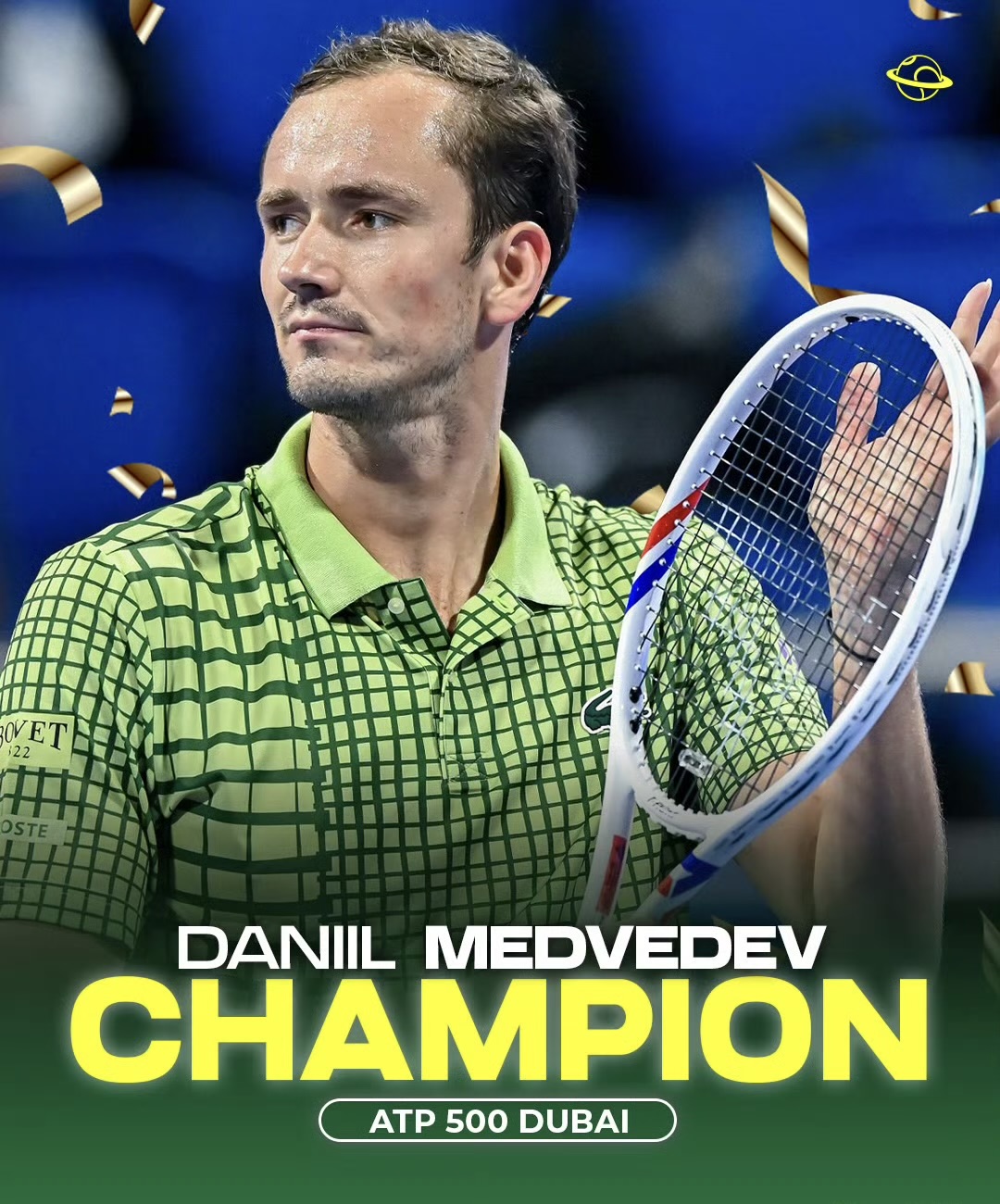
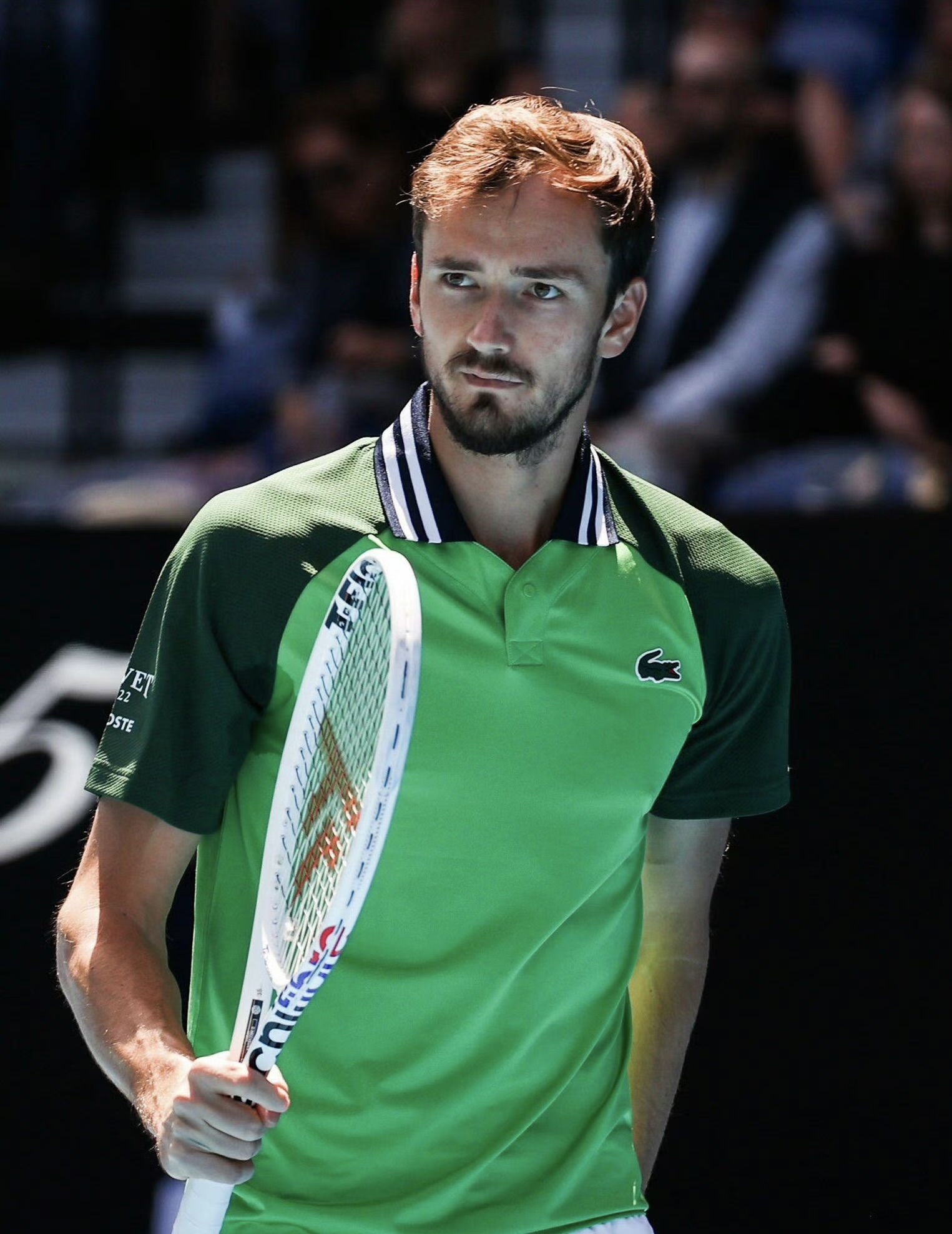
On February 28, Medvedev won his 23rd ATP singles title in an extremely unusual way—due to Dutch player Tallon Griekspoor's pre-match withdrawal with a hamstring injury, the Russian lifted the Dubai trophy without even stepping onto the court.
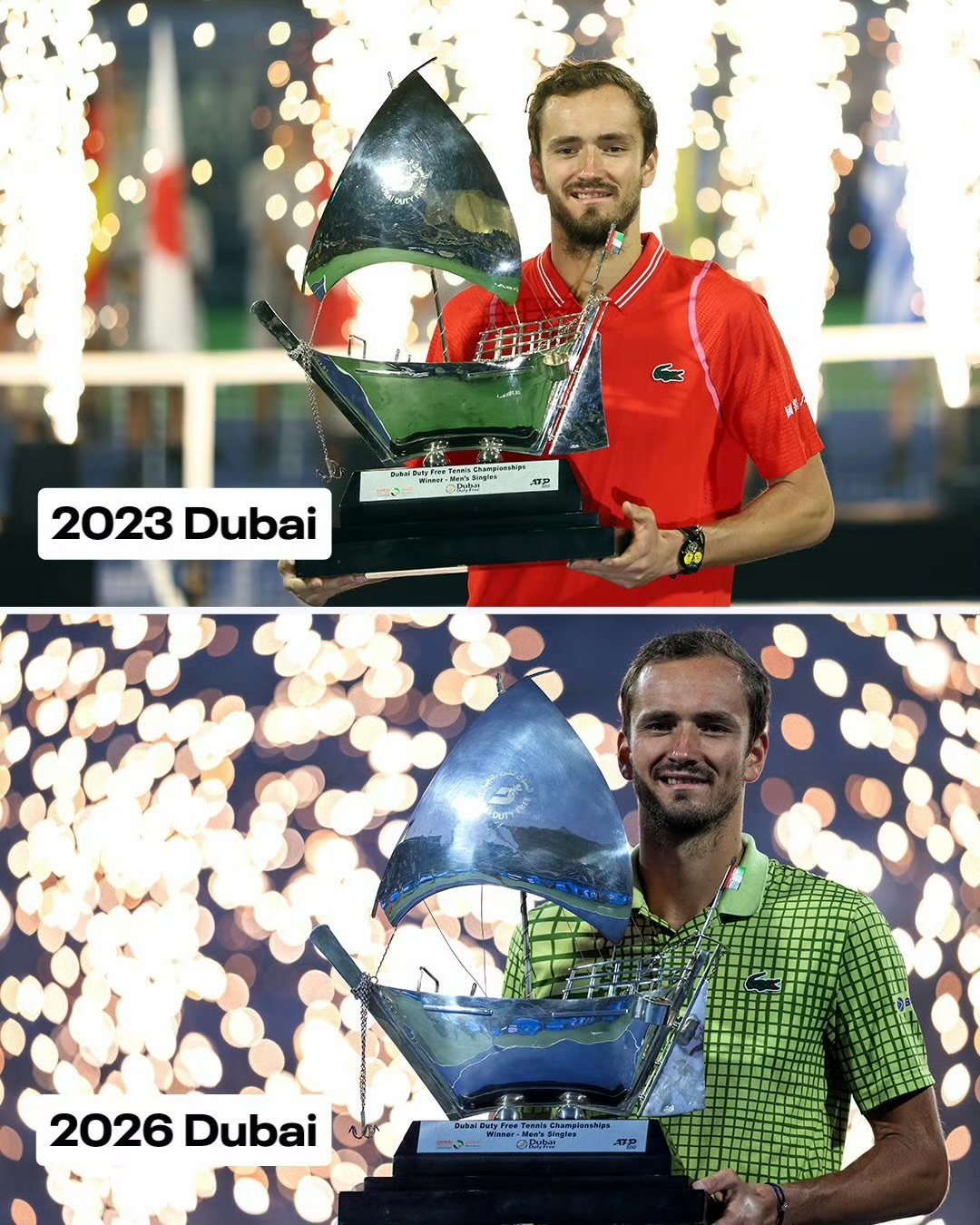
This should have been a memorable moment in his career: winning the same tournament for the second time. Yet, while the trophy was still in his hands, the sky outside had changed color.
Iran's missiles struck the UAE. Videos captured by witnesses showed two intercepted missiles leaving smoke trails in the sky over Dubai's iconic Palm Jumeirah, with tourists by pools scrambling for cover. Dubai's media office later confirmed a building on the Palm was hit, with casualties. Abu Dhabi reported one civilian death.
As military conflict rapidly escalated, the UAE General Civil Aviation Authority made an emergency decision: temporarily closing the nation's airspace, suspending all flights until further notice. Dubai International Airport and Al Maktoum International Airport came to an abrupt halt, stranding thousands of travelers.
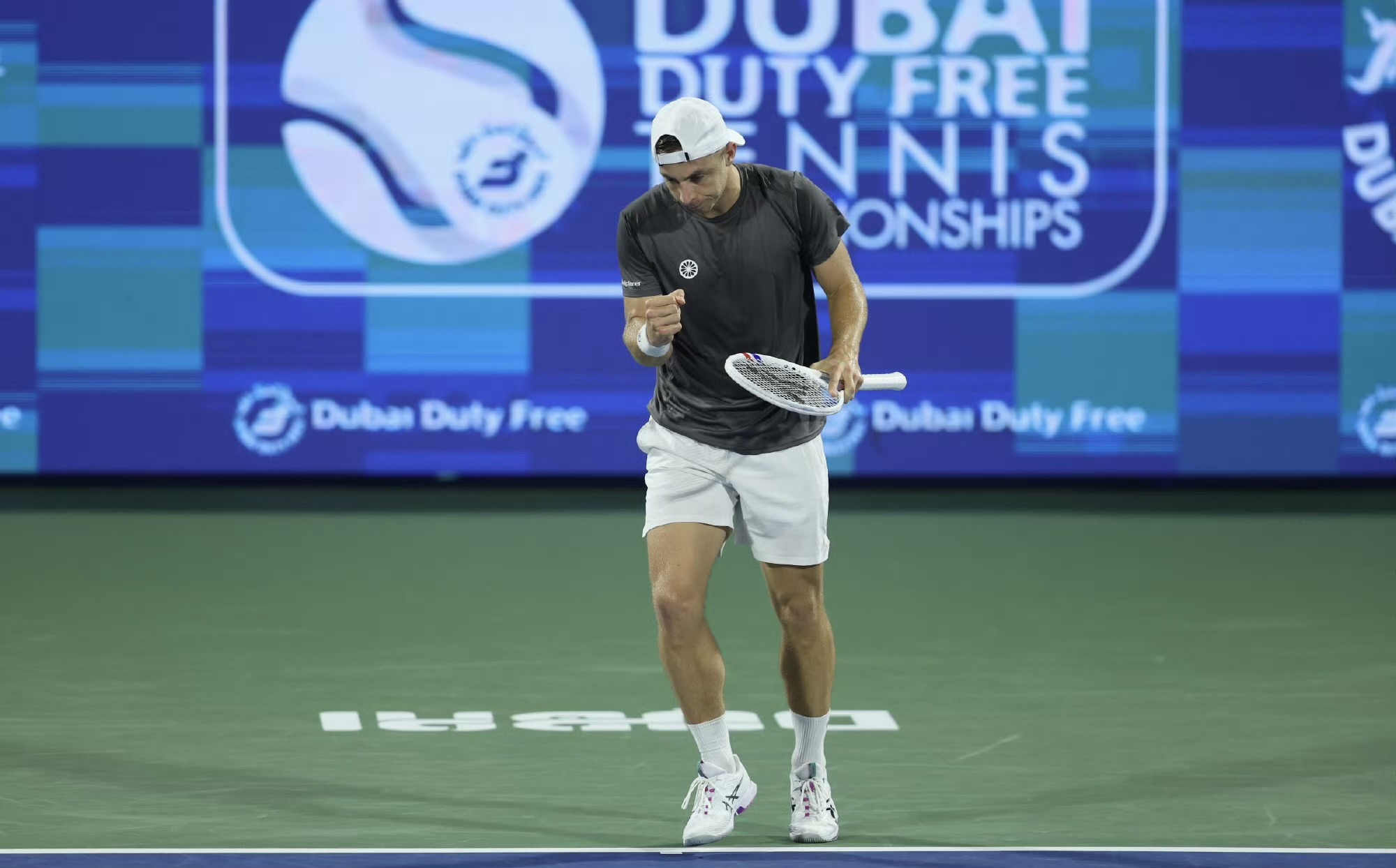
Stranded along with Medvedev were the injured Griekspoor, as well as the doubles finalists—Harri Heliövaara/Henry Patten and Marcelo Arévalo/Mate Pavić. All had planned to travel to the U.S. for the Indian Wells Masters but were now stuck in Dubai.
"I hope they open the airspace today," Medvedev admitted in an interview with BB Tennis. "The flight was scheduled for tomorrow, so I'm still in Dubai. If not, I'll try to find a way to fly to Indian Wells." The words sounded calm, but clearly hid underlying anxiety about the uncertainty.
For professional tennis players, Indian Wells is one of the most important tournaments each year, often called the "fifth Grand Slam." Failing to arrive on time means disrupted preparation, uncertain form, and possibly missing the event. And all this has nothing to do with skill—only with the sky overhead.
The scene in Dubai is more than just a personal ordeal for a few players. It has sparked deeper discussions about tennis scheduling, athlete safety, and the geopolitical risks of hosting events.
Over the past two decades, the ATP has built a significant presence in the Middle East. Dubai, Doha, Abu Dhabi—these tournaments attract global attention with high prize money, top fields, and worldwide broadcasts. For the professional tennis world, this is commercial success; for the host locations, it's a window to showcase an open image.
However, the missile attacks on February 28 tore through this seemingly glossy curtain. When warfare truly ignites just miles from the hotels, when air raid sirens sound near the venue, the neutrality and "safe haven" nature of sports are utterly shattered.
"When geopolitical tensions boil over, athletes are not insulated," one commentary noted. "They are at the center of the vortex, stuck in hotel rooms, watching the airspace close above them, hoping flights resume before things worsen."
This is not undue alarm. By the evening of February 28, not only the UAE but also Iran, Iraq, Israel, Qatar, Kuwait, Bahrain, and others had announced airspace closures. Globally, over 9,600 flights were delayed and more than 500 canceled. Major international airlines—Lufthansa, Air France, British Airways, Air India, Pakistan International Airlines—suspended flights to and from multiple Middle Eastern countries.
In other words, even if Medvedev and others found a private jet now, they couldn't take off. The airspace above had shut its doors to civil aviation.
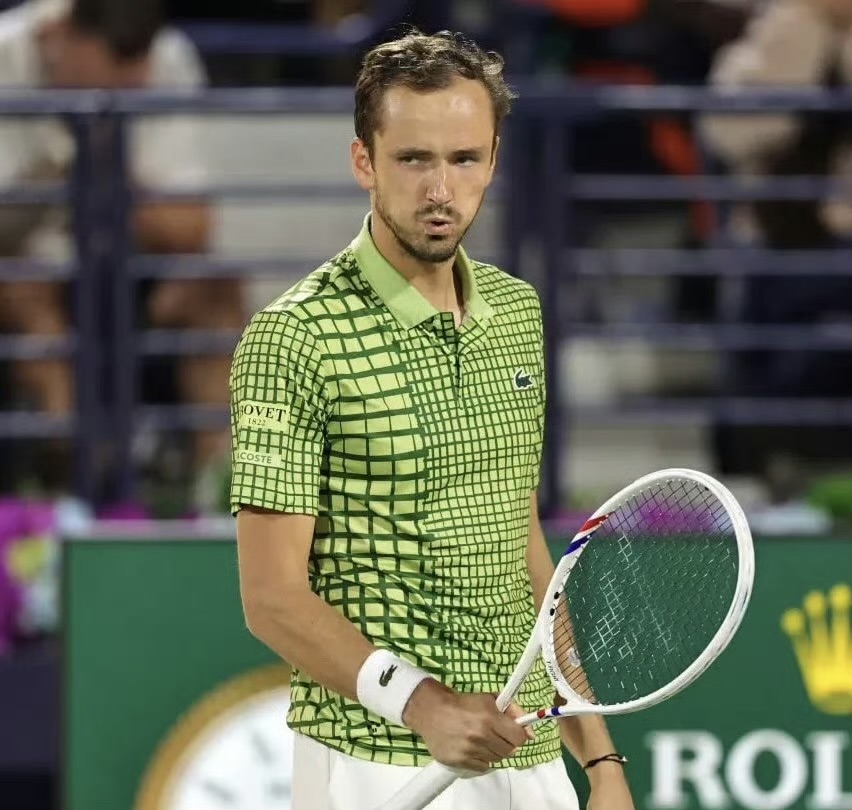
As of now, Dubai's airspace remains closed. Medvedev and his fellow players can only stay in their hotels, waiting for the situation to clarify, for official notices, and for flights that might come tomorrow—or the day after.
For Bublik, he is already on his way to the United States, but after experiencing that moment, the inner shock will likely take much longer to settle. His words on social media may become the most vivid memory of this day for many:
"We had just left Iranian airspace when we saw the news."
Between war and peace, sometimes there is only the distance of an airspace boundary. And for those who cannot yet fly out, all they can do is wait for the sky to open again.(Source: Tennis Home Author: Mei)

 Links
Links
 Contact
Address:UNIT 1804 SOUTH BANK TOWER, 55 UPPER GROUND,LONDON ENGLAND SE1 9E
Number:+85259695367
E-mali:[email protected]
 App
App


