



Former Australian Open Director Reveals Tournament Nearly Moved to Shanghai or Sydney in 2017



This year's Australian Open,it's difficult to believe the tournament celebrated as the "Happy Slam" nearly parted ways with Melbourne, as crowds exceeding one million pour into Melbourne Park for the summer tennis festivities.
Craig Tiley, who recently stepped down as Australian Open Tournament Director and is set to become CEO of the United States Tennis Association (USTA), recently dropped a bombshell: the Australian Open faced a significant risk of relocation when its contract expired in 2016, with Shanghai and Sydney having shown strong interest in hosting the Grand Slam event.
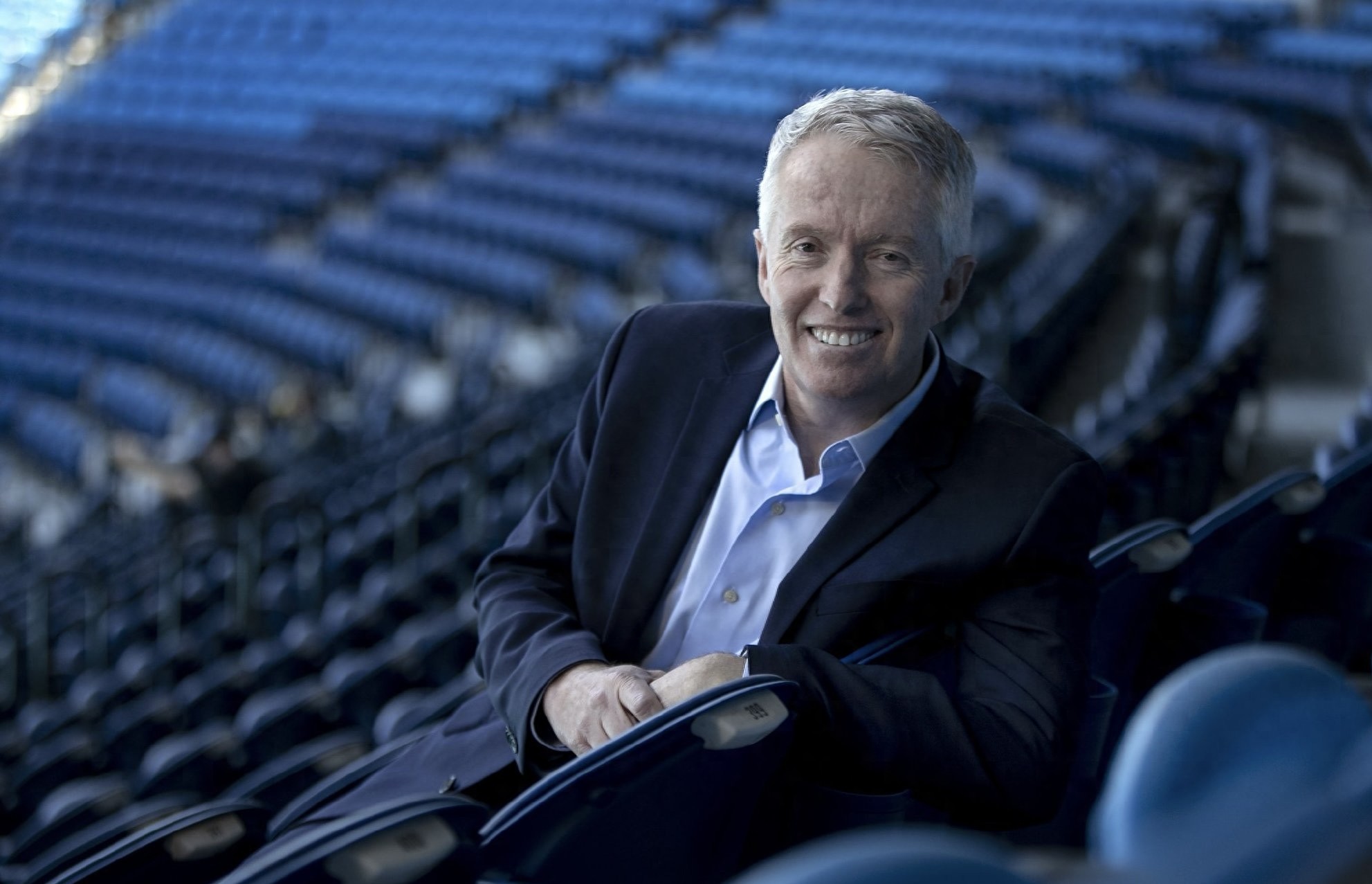
Looking back to the late 2000s, the Australian Open's future in Melbourne was far less secure than it appears today. At that time, the tournament's contract with the Victorian state government was due to expire in 2016, and potential competitors were already circling.
"Without investment from the Victorian Government for further redevelopment, [the Australian Open] would have been gone in 2017," Tiley recalled. He explicitly stated that both Sydney and Shanghai had expressed considerable interest in taking over the event at the time.
This was not without basis. As a gateway city in the Asia-Pacific region, Shanghai had already successfully hosted high-level ATP Masters events, with its operational capabilities for tennis tournaments and vast market potential widely recognized. Sydney, as Australia's largest city, was also eager to take a share from Melbourne and keep this premier sports IP in New South Wales.
"Now we understand why they were so interested back then; just look at the impact the Australian Open has on this city," Tiley added. This remark highlights the core of the competition at the time: the Australian Open had long transcended being merely a tennis tournament, becoming a massive economic engine.

Faced with the risk of losing this iconic event, the Victorian Government made a high-stakes gamble. Tiley revealed the government made a "very smart decision," ultimately committing a total of AUD 1 billion to upgrade and redevelop Melbourne Park.
This was a lengthy and extensive project. According to information from Sport and Recreation Victoria and the Melbourne Park website, this redevelopment plan was divided into three phases, spanning from 2010 to 2021:
· Phase 1 (2010-2015): Construction of the National Tennis Centre and upgrades to Margaret Court Arena.
· Phase 2 (2014-2020): Construction of the new pedestrian bridge (Tanderrum Bridge) connecting to Flinders Street Station, greatly improving accessibility; construction of Tennis HQ; and a major refurbishment of Rod Laver Arena, including modernizing its retractable roof.
· Phase 3 (through 2021): Completion of the 5,000-seat multi-purpose Kia Arena and the large conference centre, CENTREPIECE.
As noted by the design firm NH Architecture, this redevelopment was not just about adding seats, but transforming Melbourne Park from a mere sports precinct into a world-class, year-round civic hub. A key innovation was underground: a central logistics hub placed all freight, storage, and commercial kitchens below ground, freeing up the surface level for public use and creating a clean, open, and highly accessible festival atmosphere.
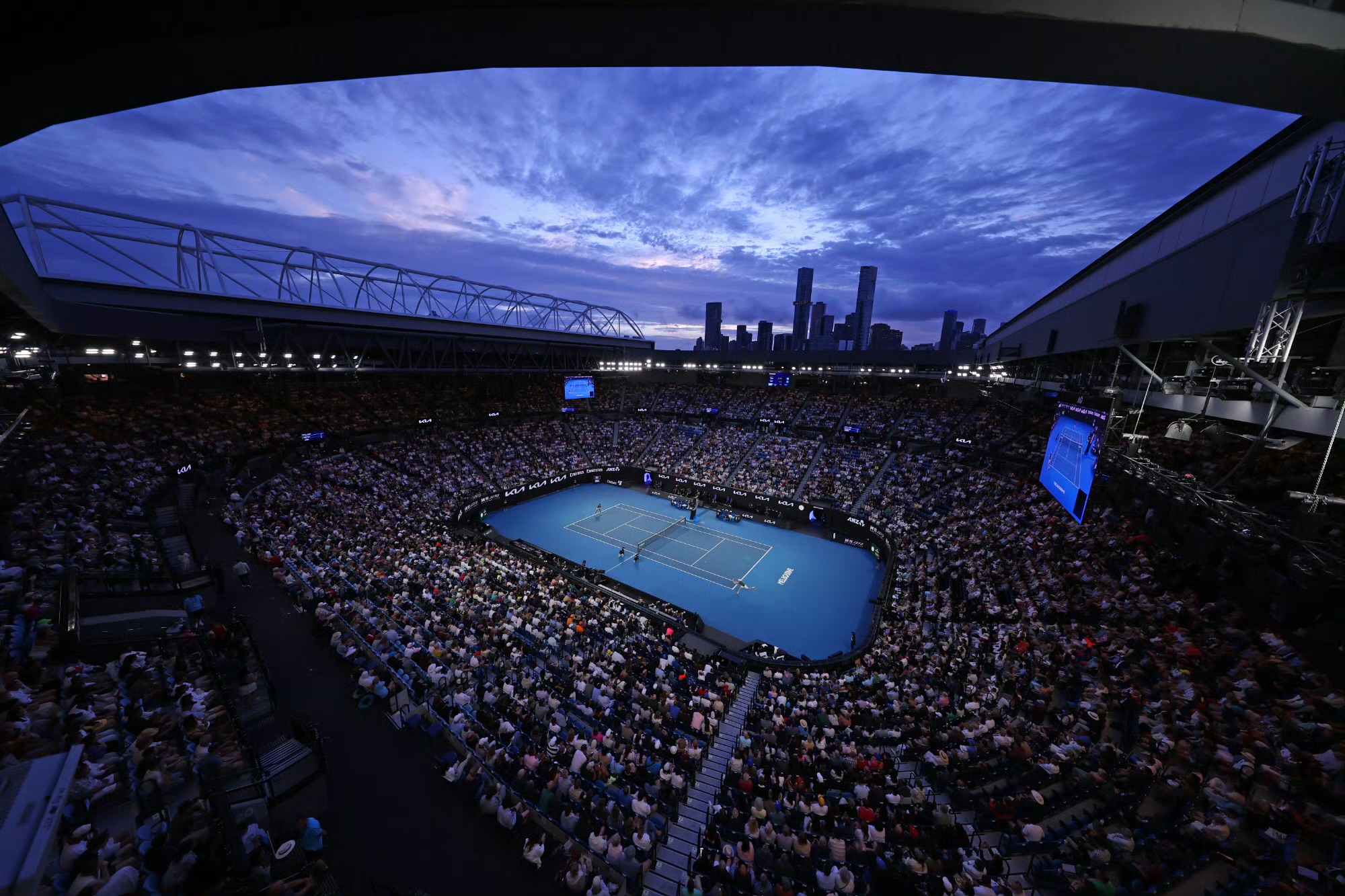
Tiley detailed the use of these substantial funds: "Half was specifically for improving player facilities, the other half was a comprehensive upgrade of the entire precinct." It was this dual pursuit of exceptional player and spectator experience that ultimately convinced the international tennis community, securing the Australian Open's future in Melbourne.
The government's investment has now borne significant fruit. Retaining the Australian Open has proven to be an exceptionally high-return investment.
According to data shared by Tiley, over the past decade, the Australian Open has contributed nearly AUD 3.5 billion to the Victorian economy. The 2025 tournament alone injected over AUD 565 million into the local economy and attracted more than 1.2 million attendees. For the 2026 event, this figure is projected to exceed AUD 600 million.

This spillover effect benefits every corner of Melbourne. Data from ANZ Bank shows a surge in spending in Melbourne's inner-city hospitality, retail, and accommodation sectors during the event. A local restaurant owner remarked, "After the quiet period following Christmas and New Year, the Australian Open is exactly what Melbourne needs—suddenly, the whole city comes alive again."
It is worth noting that this was not the only time Melbourne stood on the brink of losing the Australian Open. Tiley pointed out that during the COVID-19 pandemic, the tournament's viability was again threatened due to Australia's strict border controls.
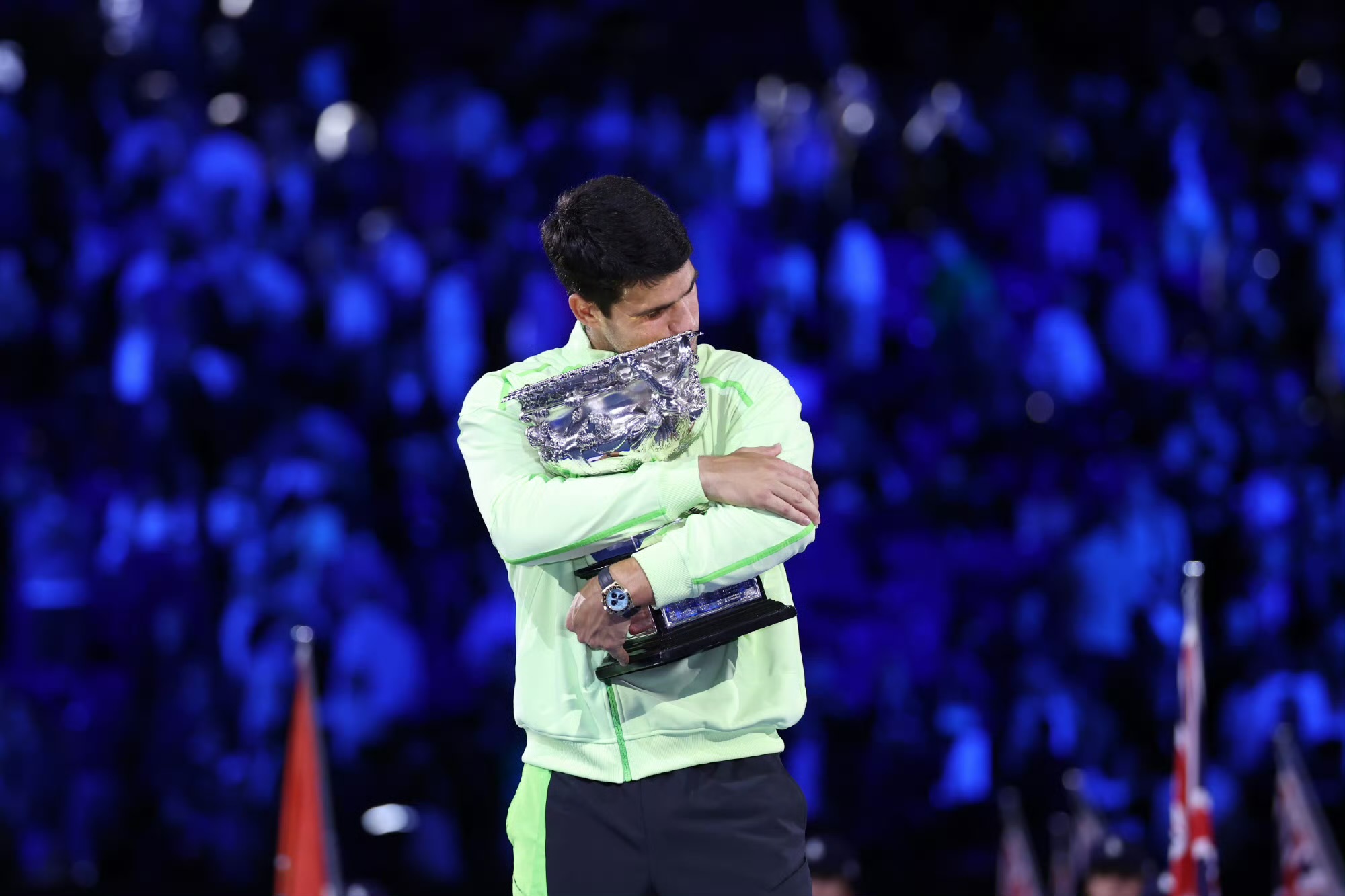
"During COVID, we were reminded again—when you don't hold an event, it changes the event," Tiley said. Given Australia's relative geographic isolation, if the tournament were not held for a year or two, players might become accustomed to not coming, which would have a "negative impact" on its long-term viability.
To save the event, Tennis Australia spent its entire AUD 80 million cash reserve and took on an additional AUD 40 million loan to charter flights from around the globe, transporting players and their teams to Australia to compete within a strict quarantine bubble.
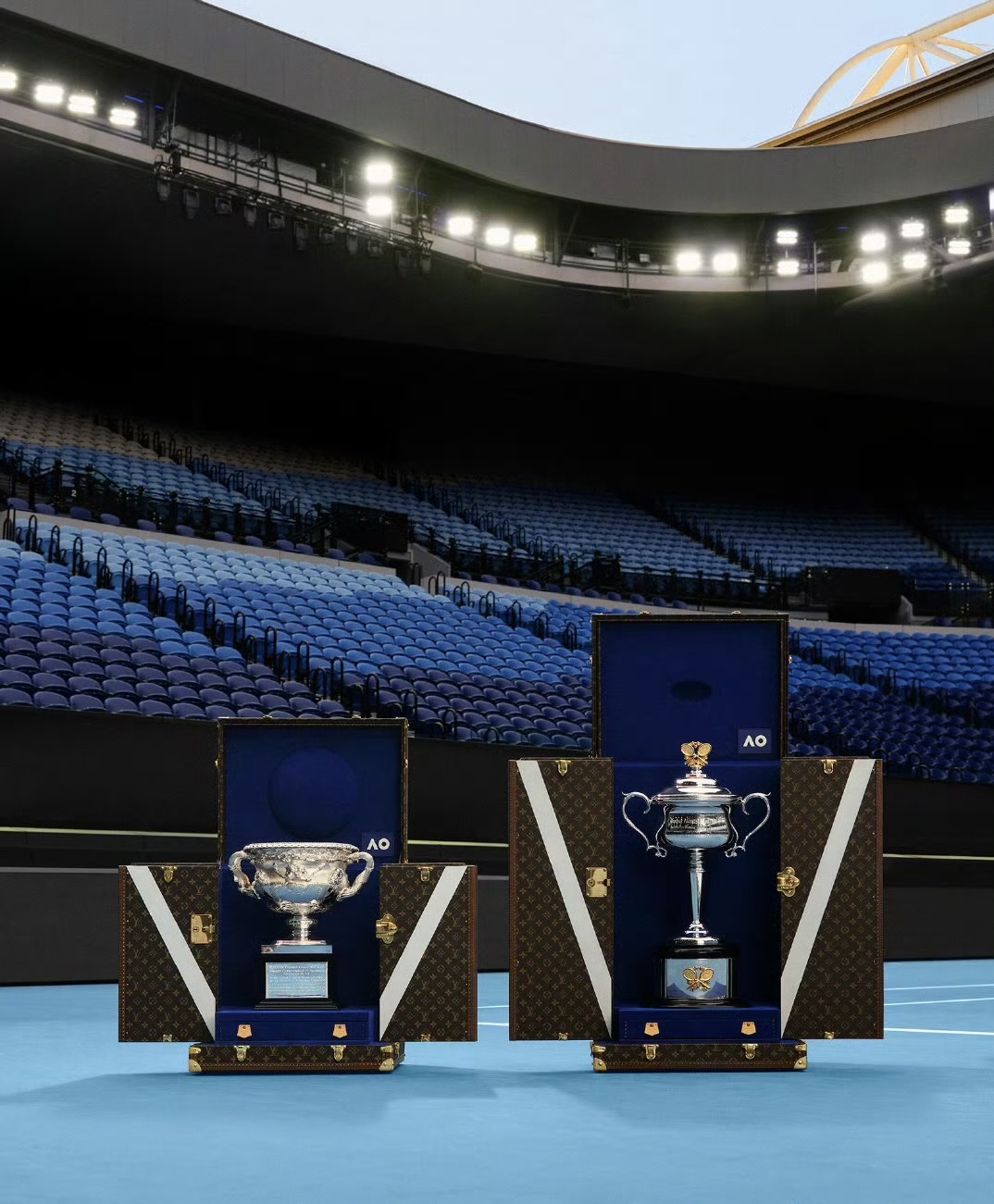
Today, with the Melbourne Park upgrade complete and a long-term contract secured, the Australian Open is confirmed to remain in Melbourne at least until 2046. As Craig Tiley embarks on his new chapter at the USTA, the story he leaves behind of "nearly losing a Grand Slam" serves as a warning to all cities hosting major events: the home of a premier sports tournament is not permanent. Only through sustained investment, forward-thinking planning, and meticulous attention to detail can a city securely lock down such a valuable asset.
Had the Victorian Government not committed that AUD 1 billion back then, had the scales tipped slightly towards Shanghai or Sydney, the map of tennis might have been redrawn.(Source: Tennis Home Author: Mei)

 Links
Links
 Contact
Address:UNIT 1804 SOUTH BANK TOWER, 55 UPPER GROUND,LONDON ENGLAND SE1 9E
Number:+85259695367
E-mali:[email protected]
 App
App


