



Proving the Possibility of "Impossible" to the World: Zverev's Battle with Diabetes



Recently, German tennis star Zverev recounted in an interview his experiences as a diabetic in his tennis career: "I demonstrated to doctors that being an elite athlete is possible despite diabetes. My mother was informed that I would not be able to do it."

When Zverev was a child, medical authority almost set boundaries for his life: a person with type 1 diabetes could not endure the rigors of elite sports. This was a cold "impossible," written into medical records and etched into the walls of fate.But with his tennis racket, he shattered that wall.
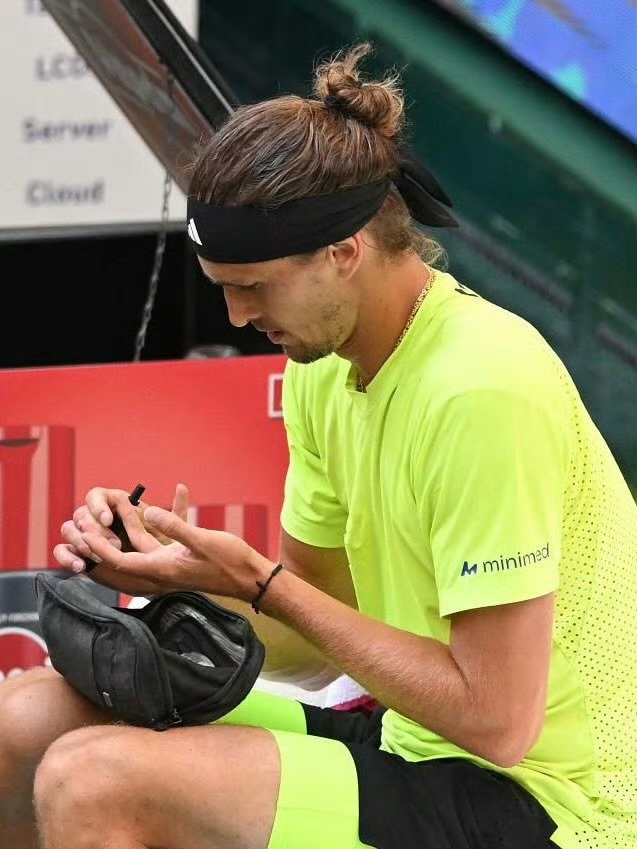
We live in a world accustomed to defining people with labels. The word "diabetes" is often followed by terms like "patient," "frail," or "needs care." These labels act like invisible stamps, attempting to mark everyone diagnosed, telling them: your limits are here, your dreams must be compromised.
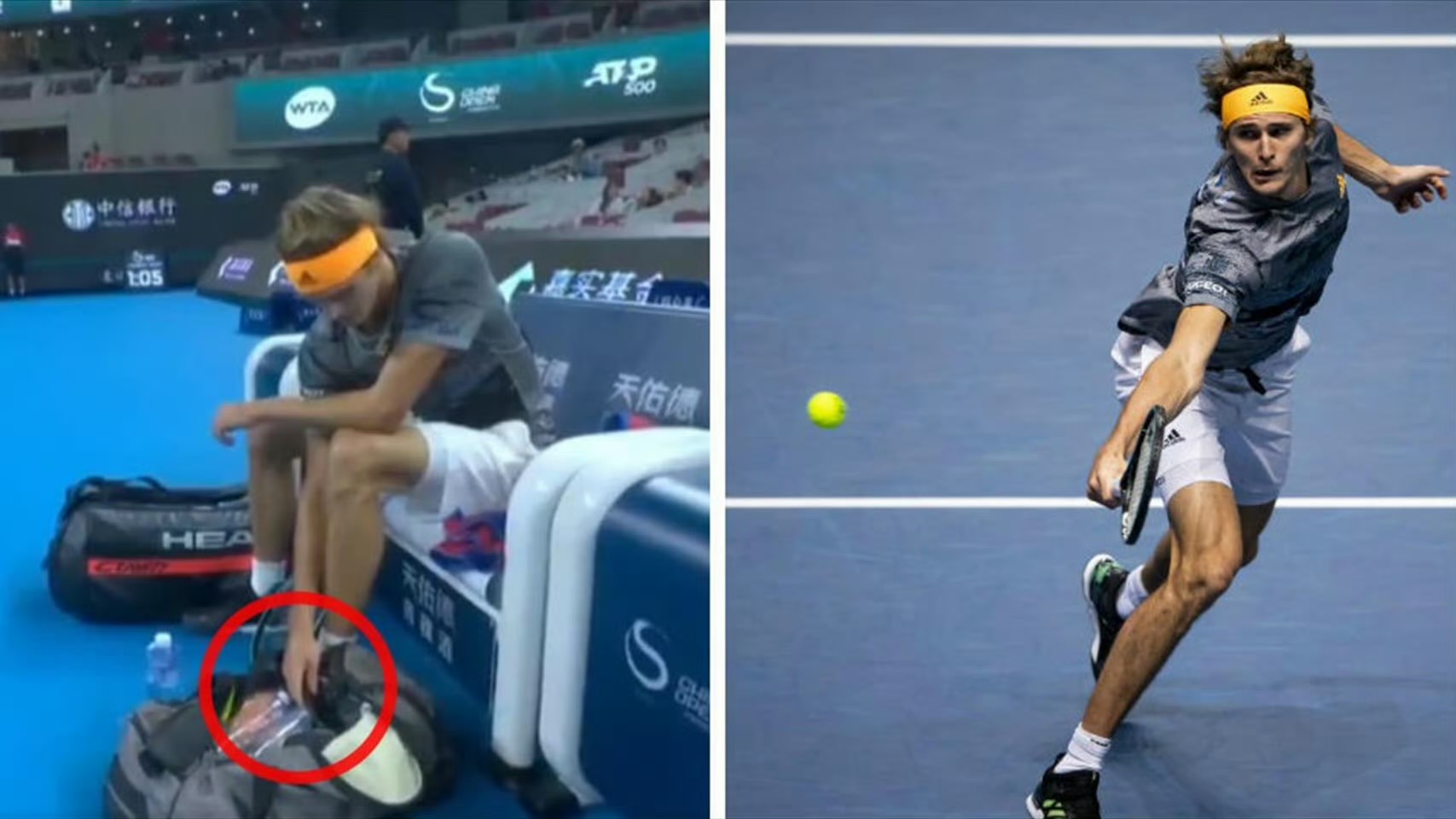
Zverev refused to be branded:"Diabetes does not define me, it does not leave a mark on me, and I have not let this condition control my life." Each word of this statement is a declaration of personal sovereignty. He is not a tennis player defined by diabetes, but a tennis player who happens to have diabetes. This is not a word game; it is a fundamental difference in existence—the former implies a deficiency defined by illness, the latter signifies wholeness coexisting with it.

Imagine a child who, at an age when others run carefree, must learn to calculate insulin doses, interpret every subtle signal from the body, and balance diet with exercise. This forced maturity, this unfairness from fate, forges a resilience rarely seen in others."I learned to mature very early." Behind this understated sentence lies countless nights of dialogue with his body and numerous acts of courage at the edge of limits.

When Zverev stands on the court, tearing through his opponent's defense with a serve exceeding 200 km/h, he accomplishes not just a point, but a refutation of "impossible." Each swing of his racket is a response to the voice that once declared, "You can't." In his sweat, there are more complex elements than most—risks of blood sugar fluctuations, challenges of the metabolic system, but above all, there is indomitability.

"Don't let them tell you that you can't, don't let this condition define and limit you." Zverev's words are not only advice for people with diabetes but also an inspiration for anyone labeled or defined by others. We have all been troubled by some form of impossibility, attempted to be defined by some label. Zverev's strength lies in turning "despite diabetes" into "because of the experience with diabetes" through his actions.
And his ambition goes beyond this."I hope one day, a tennis player with diabetes can become a Grand Slam champion, and I hope that person will be me."This is no longer just about proving something; it is a mission-driven journey. He aims to pave an unprecedented path for all those like him. The day he lifts the Grand Slam trophy, it will not only be a personal triumph but a shared victory for countless others once told "impossible."
Zverev's war with diabetes is never a simple physical battle. It is a war about identity, about definition, about possibility. In this war, he is both a warrior and a banner; both proof and hope.
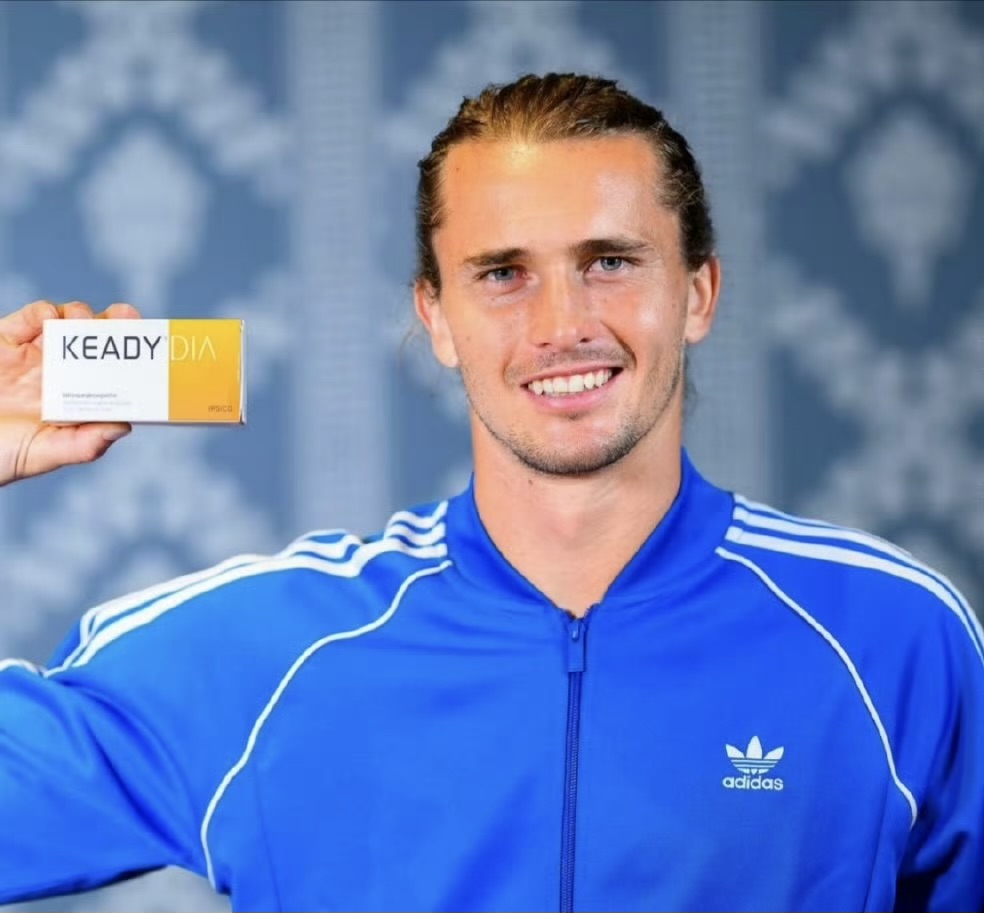
When that day comes, when that young man with diabetes holds up the Grand Slam championship cup, the world will have to acknowledge: some marks are not left by illness, but are carved by individuals overcoming it—they are the medals of the strong.(Source: Tennis Home Author: Mei)

 Links
Links
 Contact
Address:UNIT 1804 SOUTH BANK TOWER, 55 UPPER GROUND,LONDON ENGLAND SE1 9E
Number:+85259695367
E-mali:[email protected]
 App
App


